6 days ago
Iran Rejects US Economic Pressure Amid Strait Tensions
Iran and the United States disagree about how to deal with each other.
The United States has announced new economic pressure against Iran.
Iran’s president says these measures will not succeed.
He says Iran will keep negotiating but will also resist pressure.
Talks between the two countries have stopped for now.
A major disagreement involves the Strait of Hormuz.
This waterway carries a large share of the world’s oil and liquefied natural gas.
Iran says it controls passage through the strait.
The United States wants ships to move through it freely.

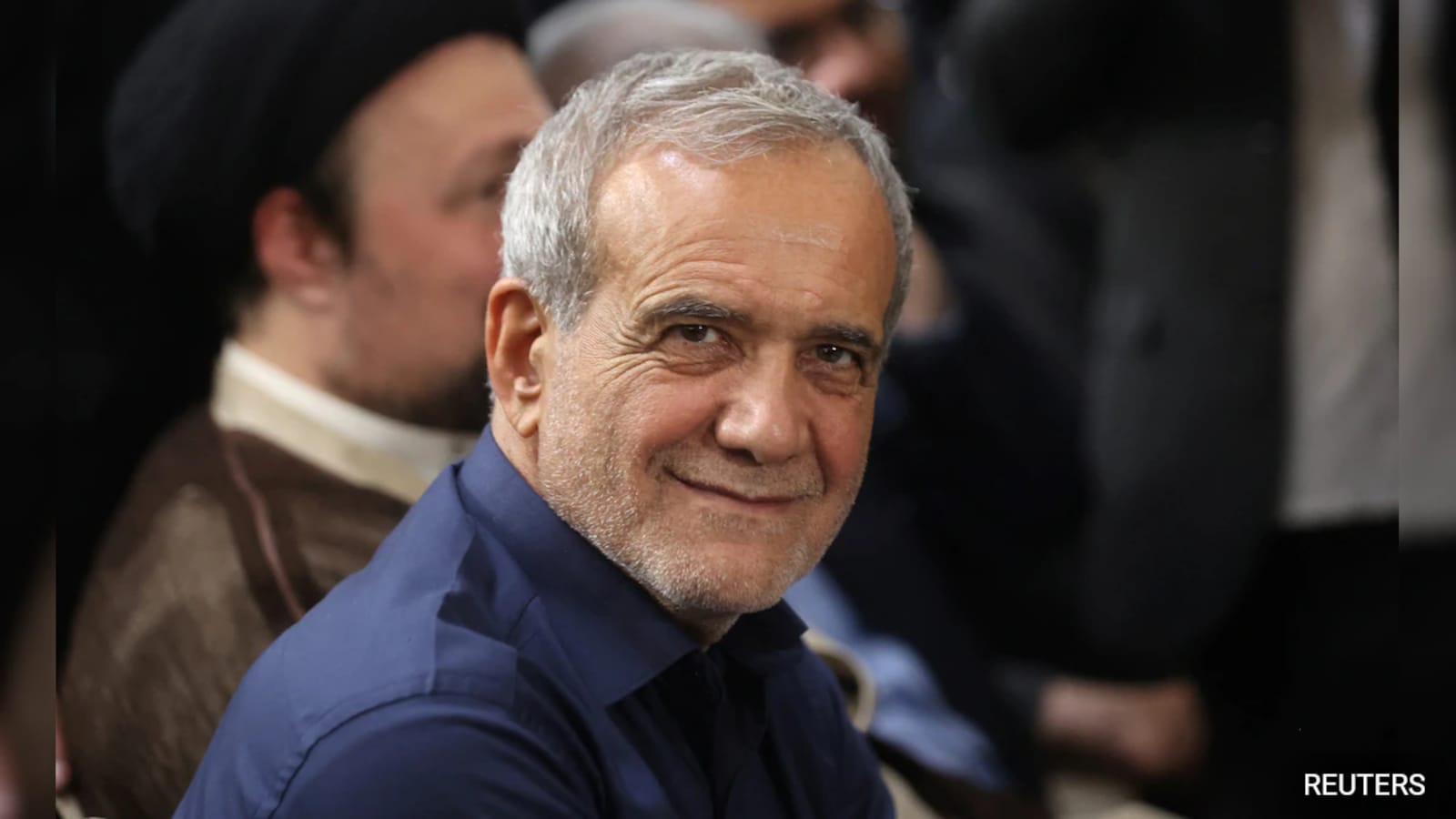
Iranian President Masoud Pezeshkian said new US sanctions would not achieve their goals.
US Treasury Secretary Scott Bessent outlined plans for what he called Iran’s “economic asphyxiation.”
Pezeshkian said Iran would pursue negotiation while resisting economic pressure.
US-Iran negotiations have stalled over control of the Strait of Hormuz.
Iranian Revolutionary Guards said no vessel could cross Hormuz without Iran’s permission.
- Who
- Iranian President Masoud Pezeshkian, US officials, and Iran’s Revolutionary Guards are central to the dispute.
- What
- Iran rejected new US economic sanctions and maintained that it controls passage through the Strait of Hormuz.
- Where
- The dispute concerns Iran and the Strait of Hormuz.
- When
- Pezeshkian made the comments on Wednesday; the war referenced in the report began on February 28.
- Why
- The United States is applying economic pressure to Iran, while negotiations remain stalled over navigation and control of the strait.
Iran’s Position
United States’ Position
Economic pressure
Iran’s Position
Masoud Pezeshkian said new US sanctions would not achieve anything and pledged to resist economic pressure while continuing to support negotiation.
United States’ Position
Scott Bessent outlined a campaign of “economic asphyxiation” and warned of serious consequences for countries that did not join it.
Strait of Hormuz control
Iran’s Position
Iran’s Revolutionary Guards said the strait was under Iranian control and that no vessel could pass without Iran’s permission.
United States’ Position
The United States wants the waterway to return to its pre-war system of free navigation; Donald Trump has claimed Washington has total control over it.
Conditions for reopening
Iran’s Position
Iran said the Strait of Hormuz would not be opened if the United States rejected its conditions.
United States’ Position
The United States is seeking unrestricted navigation through the strategically important waterway.
Key facts
- Iranian president
- Masoud Pezeshkian
- US sanctions policy
- US Treasury Secretary Scott Bessent described plans for Iran’s “economic asphyxiation.”
- Iran’s position
- Pezeshkian said economic pressure would not achieve its goals.
- Negotiations
- US-Iran talks have stalled.
- Strait significance
- The waterway normally carries around one-fifth of global oil and liquefied natural gas exports.
- Iranian control claim
- Iran’s Revolutionary Guards said vessels cannot pass without Iran’s permission.
- US position
- The United States wants the strait restored to its pre-war system of free navigation.
Quotes

Iranian Revolutionary Guards
Iran's military force responsible for the statement on the Strait of Hormuz
“Our principle is understanding and resolving issues through interaction and negotiation, but at the same time, we will stand firm against economic pressures, as we have done so far and will continue to do.”
 NDTV
NDTV
“With the measures that the government's economic sectors have foreseen, America will not achieve anything with economic pressure at this stage, just as it was unable to achieve anything in the war.”
NDTV
Sources
Related news
US Says Iran Lacks Hormuz Control, Faces Economic Death Spiral

Vance Calls Economic Pressure Effective as Iran Rejects Sanctions
Iran Ties Strait of Hormuz Reopening to US Concessions

Hormuz traffic nears standstill as US vows indefinite Iran blockade

Trump Says US 'Semi-Negotiating' With Iran as Hormuz Talks Stall

US Iran Confrontation Escalates as Sanctions and Hormuz Dispute

Trump Floats Renaming Strait of Hormuz as ‘Trump Strait’

Chevron Plans $7 Billion Venezuela Expansion Amid U.S. Oil Push
Saudi Arabia Says Iranian Tanker Attack Killed Two Sailors
U.S.-Iran Exchange Escalates Across Middle East, Markets Slide
Trump Aides Seek Quiet Iran War Before Midterm Elections