2 hrs ago
US Sanctions and Oil Blockade Deepen Iran’s Economic Crisis
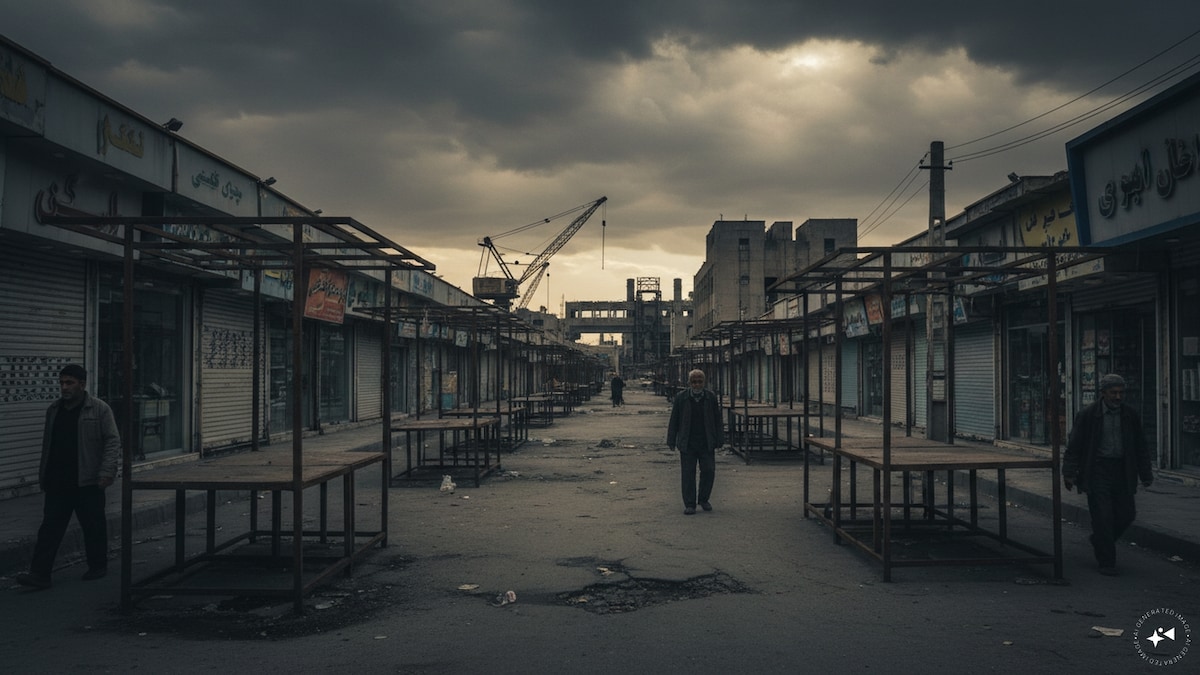
The United States is using sanctions and a blockade to make it harder for Iran to sell oil and buy important goods.
Iran usually earns much of its money from oil sales.
The article says Iran’s oil exports and trade have dropped sharply.
Its currency is now worth much less, so everyday products cost more.
Inflation is very high, and many workers earn far less than households need to spend.
Iran may have only about two months of gasoline supplies, according to one official.
The pressure is happening while the United States and Iran are fighting and disagreeing over negotiations.
Iran could try to negotiate, but it has also warned that the conflict could become more dangerous.

U.S. sanctions and an oil-export blockade are restricting Iran’s access to foreign currency, financing, and imports.
Iranian crude loadings reportedly fell to about 260,000 barrels per day, from roughly 1.7 million a year earlier.
Iran’s rial has weakened from about 1 million to more than 2.2 million per dollar, while annual average inflation reached 69.9%.
Iran’s trade has declined by an estimated 25% to 35%, and one official said gasoline supplies may last only two months.
The economic pressure comes as fighting resumes, with Washington seeking concessions and Tehran warning that escalation remains possible.
- Who
- The United States and Iran, including the Iranian government, officials, traders, and residents affected by the crisis.
- What
- A U.S. campaign of sanctions and an oil-export blockade is worsening Iran’s economic and financial pressures during an ongoing conflict.
- Where
- Iran, the Strait of Hormuz, the Persian Gulf region, and financial and trade channels involving the United Arab Emirates.
- When
- The report was published September 3; the latest fighting and economic deterioration were described as occurring in recent weeks and months.
- Why
- Washington is seeking concessions from Tehran in potential negotiations, while Iran is trying to preserve oil revenue, imports, and sanctions-evasion channels.
U.S. Pressure and Negotiation
Iranian Resistance and Escalation
Purpose of the economic campaign
U.S. Pressure and Negotiation
Washington is expanding sanctions and blocking Iranian oil exports to restrict revenue and financing and force concessions in future negotiations.
Iranian Resistance and Escalation
Iranian officials describe the measures as a severe economic attack and are attempting to maintain trade through stored oil, intermediaries, and alternative routes.
Military and political strategy
U.S. Pressure and Negotiation
The United States is seeking to use economic hardship to influence Iran’s leadership and encourage domestic opposition, according to a senior Iranian official.
Iranian Resistance and Escalation
Iran hopes inflation and economic disruption will pressure the U.S. administration before November’s midterm elections and has warned that continued pressure could prompt military escalation.
Prospects for a settlement
U.S. Pressure and Negotiation
The worsening economic situation may encourage Iran to negotiate after months of conflict and stalemate.
Iranian Resistance and Escalation
Neither side has indicated it is ready to accept the other’s demands, leaving open the possibility of continued fighting and retaliation.
Key facts
- Crude loadings
- About 260,000 barrels per day this month, compared with approximately 1.7 million a year earlier, according to Kpler data.
- Currency value
- The rial fell from around 1 million per U.S. dollar a year ago to more than 2.2 million.
- Inflation
- Official 12-month average inflation was reported at 69.9%; food, beverage, and tobacco prices were rising at nearly twice that rate.
- Trade decline
- President Masoud Pezeshkian said total trade had fallen between 25% and 35%, with imports affected more heavily than exports.
- Gasoline supply
- One senior Iranian source said the country had roughly two months of gasoline supplies remaining.
- Employment
- Official unemployment reached 9.1% in the spring, while employment fell by about 450,000 from a year earlier.
- Income and expenses
- Average monthly pay was reported at about $125, compared with basic household spending of roughly $450.
Quotes
Iranian trader in Tehran
Trader dealing in imported goods who spoke anonymously
“They are under very, very severe economic pressure. They’re losing control of the Straits. It’s really a question of if they choose to negotiate and I think they’ll have to”
 CNBC TV 18
 theprint.in
“If those channels stay closed, a supplier wants cash, a deal is routed through another country and a shipment arrives later and dearer”
CNBC TV 18
theprint.in
Sources
Related news
Iran War Reaches Costly Stalemate as Trump Bets on Sanctions
Economic front dominates US-Iran war as sanctions squeeze Tehran
Iran War Enters Sixth Month as Sanctions Reshape Economy
Iran Economy Strained as US Sanctions Intensify During War

Trump Threatens Economic D-Day Against Iran and Its Partners

Iranian Rial Hits Record Low as US Prepares New Sanctions
Iran VP Warns Dark Months as Hormuz Tensions Rise
Syria Pitches Mediterranean Oil Route as Hormuz Alternative
Iran Warns Strait of Hormuz Will Not Reopen Without Approval

Rupee gains for fifth session amid foreign inflows