6 days ago
Iran War Reaches Costly Stalemate as Trump Bets on Sanctions
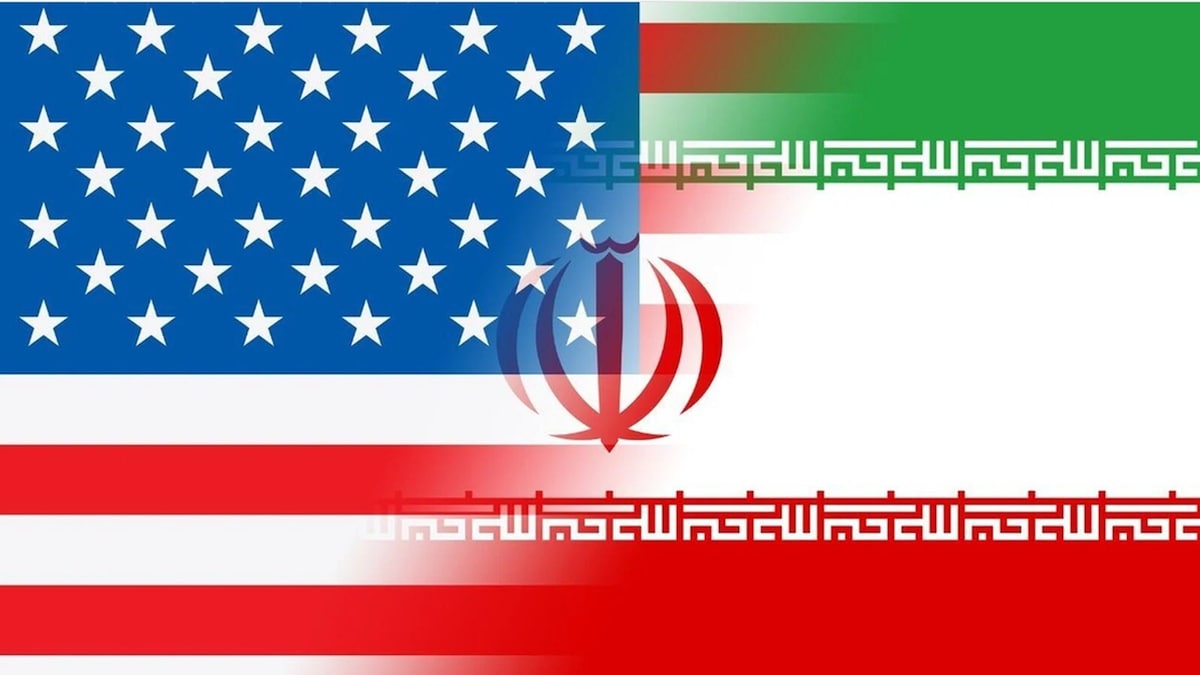
The United States and Iran are stuck in a costly conflict.
Six months after attacks by the United States and Israel, Iran’s leaders are still in power.
The United States is now trying to hurt Iran by limiting its oil sales, money and trade.
President Donald Trump may impose even stronger sanctions.
Iran thinks China and India will keep trading with it, making the sanctions less powerful.
Prices in Iran have risen sharply, especially for food.
Iranian leaders worry that economic problems could cause protests, which security forces have previously suppressed.
Iran might respond by disrupting ships, ports or energy facilities instead of starting a much larger war.
The biggest disagreement is over access to the Strait of Hormuz and how the conflict should end.

Six months after U.S. and Israeli attacks began, Iran’s government remains in power despite severe economic pressure.
Washington has shifted its focus from airstrikes to Iran’s oil revenues, banks and trading partners.
President Donald Trump is threatening tougher sanctions, but Tehran doubts Washington will target China and India aggressively.
Iran’s inflation reached 66% in July, with food prices rising 128% year on year, according to Iran’s Statistical Centre.
The conflict remains deadlocked over the Strait of Hormuz, with the United States, Iran and Gulf states seeking incompatible outcomes.
- Who
- The United States, Iran, Israel, President Donald Trump, China, India and Gulf states are the principal parties described.
- What
- A six-month military and economic confrontation is entering a costly stalemate as Washington increases sanctions and restricts Iran’s oil exports.
- Where
- The confrontation centers on Iran, the Gulf region and the Strait of Hormuz.
- When
- The conflict began on February 28, and the latest sanctions were announced on Monday, about six months after the attacks began.
- Why
- Washington wants to pressure Iran to change course and surrender leverage over Hormuz, while Iran wants the U.S. naval blockade lifted without appearing to surrender.
Washington and Pressure Advocates
Tehran and Sanctions Skeptics
Can sanctions force change?
Washington and Pressure Advocates
The United States says Iran’s economy is in free fall, its military has been badly weakened and cutting financial lifelines can force greater pressure on the regime.
Tehran and Sanctions Skeptics
Iranian officials and analysts argue that previous maximum-pressure campaigns failed and that sanctions rarely make governments abandon goals they see as essential to survival.
What might Iran do next?
Washington and Pressure Advocates
Washington says the balance of power favors the United States and that it is cutting off Iran’s remaining financial lifelines.
Tehran and Sanctions Skeptics
Analysts warn that Iran could increase the cost for its opponents through periodic attacks and disruption involving shipping, ports, energy infrastructure or Gulf states.
What would a settlement require?
Washington and Pressure Advocates
Washington wants Iran to give up its leverage over the Strait of Hormuz without receiving a role in controlling the waterway.
Tehran and Sanctions Skeptics
Iran wants the U.S. naval blockade lifted without appearing to surrender, while Gulf states want the fighting contained without allowing Iran to claim victory.
Key facts
- Inflation
- Iran’s annual inflation reached 66% in July, while consumer prices were 87.9% higher than a year earlier.
- Food prices
- Food prices in Iran rose 128% year on year, according to Iran’s Statistical Centre.
- U.S. strategy
- The United States is targeting Iran’s oil revenues, financial system and international trading partners.
- Economic lifelines
- China and India are identified as important countries continuing to support Iran’s economy.
- Naval blockade
- A U.S.-led naval blockade is restricting Iran’s oil exports and access to hard currency.
- Strait of Hormuz
- Iran’s effective blockade of the waterway has contributed to higher global oil prices.
- Domestic unrest
- The articles say January demonstrations over economic hardship were suppressed by the Revolutionary Guards and Basij militia, with thousands killed.
Quotes

Aaron David Miller
Former U.S. diplomat and senior fellow at the Carnegie Endowment
“The (Trump) administration is groping in a sort of desperate fashion to try to find a pathway out of this”
 CNBC TV 18
“Our problems have multiplied several times over, while our income has also fallen.”
CNBC TV 18
 firstpost.com
Tommy Pigott
U.S. State Department spokesperson
“The Iranian economy is in free fall and the regime’s military has been decimated. President Trump holds all the cards, and we are cutting off every financial lifeline the regime has remaining.”
CNBC TV 18
firstpost.com
Sources
Related news
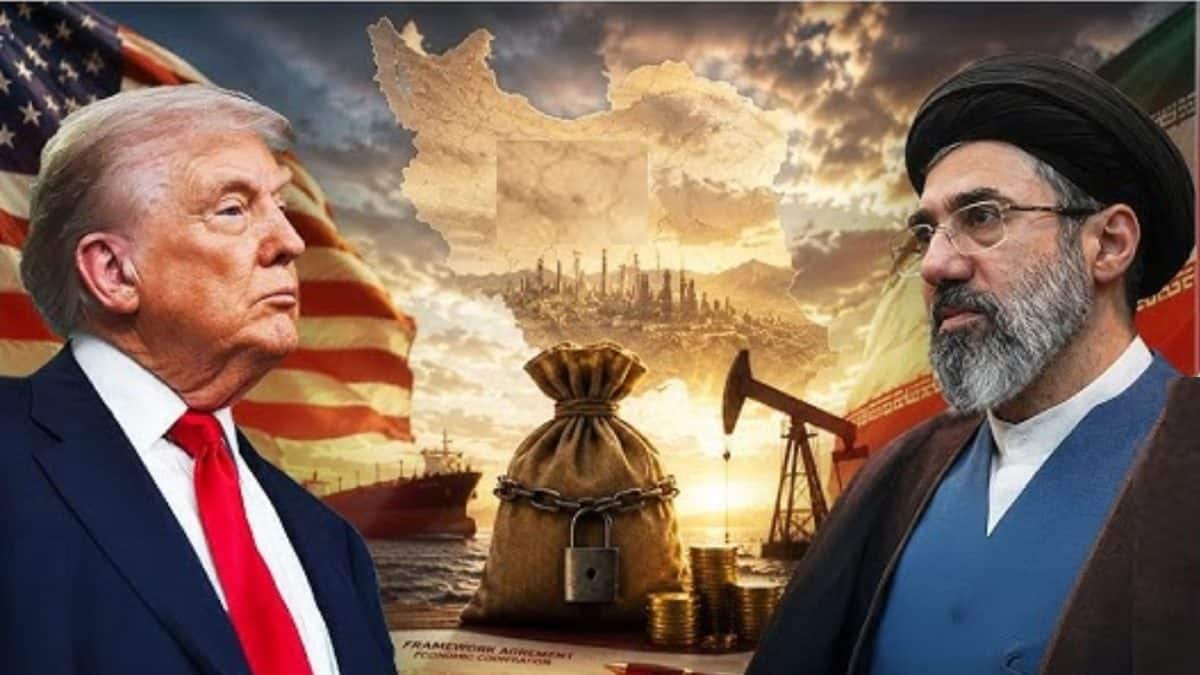
Economic front dominates US-Iran war as sanctions squeeze Tehran
Trump Warns Iran of Economic D-Day as Sanctions Escalate

United States Plans Economic Campaign to Pressure Iran

Vance Calls Economic Pressure Effective as Iran Rejects Sanctions

Trump Threatens Economic D-Day Against Iran and Its Partners

Who Blinks First: Iran Defies U.S. Blockade and Sanctions

RBI Governor Meets US Fed Chief Kevin Warsh at G20
Indian Firms Invest $40 Billion in U.S., Supporting Jobs
Trump Aides Seek Quiet Iran War Before Midterm Elections
Global Bond Sell-Off Pushes Japan Yields To 30-Year High

US and China Hold Quiet Talks Over Iran Conflict