4 days ago
Glacial Lake Floods Leave Lasting Health Crises Beyond Destruction
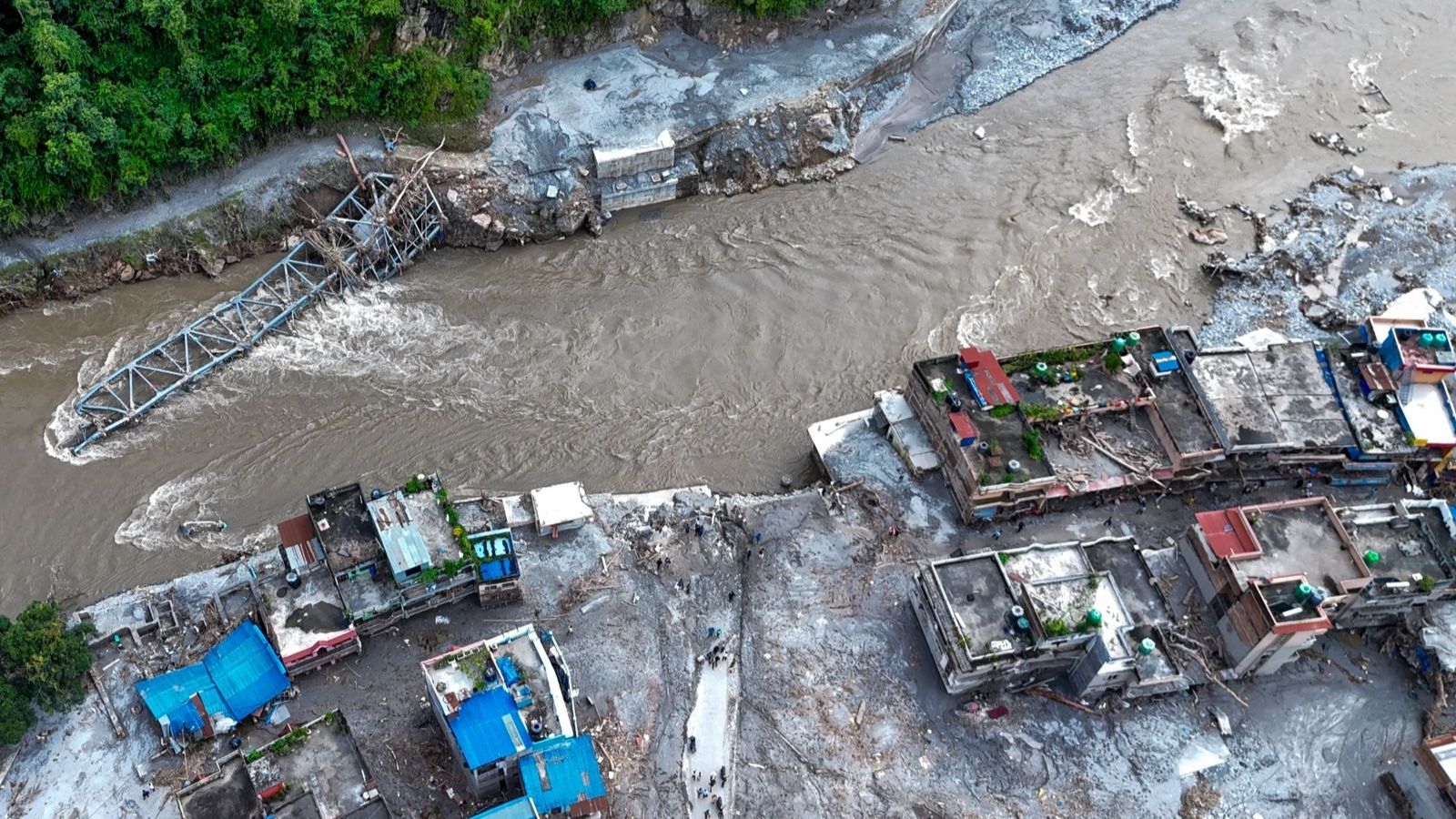
A glacial lake is a lake formed by melting ice high in the mountains.
Sometimes its barrier breaks, sending a huge flood downhill.
The first danger is people being drowned or injured.
After the water disappears, dirty water can spread diseases and hospitals may not work.
Medicines such as insulin may spoil when electricity and refrigeration are lost.
People who need regular treatment may have to travel very far.
Children and adults can also feel frightened or unable to sleep for a long time.
The article says emergency plans should protect health services as carefully as bridges and roads.
It recommends warnings, safer hospitals and health checks for months after a flood.

The October 3, 2023 burst of South Lhonak Lake sent water and debris down the Teesta, killing more than 50 people and destroying homes and a hydropower dam.
The article argues that glacial lake outburst floods create prolonged health emergencies after floodwaters recede.
Contaminated water and damaged clinics can lead to diarrhoea, hepatitis, typhoid, skin infections and leptospirosis.
Floods can interrupt insulin supplies, dialysis, tuberculosis treatment, vaccinations and other essential medical services.
The proposed response includes health-focused hazard mapping, clinical early warnings, climate-proof hospitals and 90-day disease and mental-health surveillance.
- Who
- Residents of Himalayan communities, patients, health workers and emergency agencies are affected; the article also refers to the National Disaster Management Authority, the Indian Space Research Organisation and health authorities.
- What
- Glacial lake outburst floods are causing deaths, destruction and prolonged health effects, including disease, disrupted treatment and mental-health problems.
- Where
- The focus is the Indian Himalaya, especially South Lhonak Lake and the Teesta River corridor in north Sikkim; the article also references Nepal and other Himalayan disaster sites.
- When
- The main example occurred on October 3, 2023; health effects can continue for months afterward, and the article recommends surveillance for 90 days after a flood.
- Why
- Warming, thinning glaciers and expanding glacial lakes are increasing the risk, while health systems and disaster planning remain divided and insufficiently prepared for long-term consequences.
Key facts
- Main event
- South Lhonak Lake burst on October 3, 2023, sending water and debris down the Teesta.
- Reported toll
- Official tallies cited in the article put deaths at more than 50, with dozens more people never found.
- Infrastructure damage
- The flood destroyed homes and ripped apart a hydropower dam at Chungthang.
- Potential disease risks
- Flood contamination can contribute to acute diarrhoea, hepatitis A and E, typhoid, skin infections and leptospirosis.
- Long-term health risks
- Disrupted medicine supplies and healthcare access can affect people with diabetes, hypertension, tuberculosis, chronic lung disease and other conditions.
- Recommended monitoring
- The article calls for syndromic health surveillance for 90 days after a glacial lake outburst flood.
- Preparedness measures
- Proposals include downstream health-footprint mapping, clinical early warnings, elevated drug storage, solar-backed cold chains and emergency medical supplies.
Sources
Related news

Melting Himalayan Glaciers Raise Risk of Downstream Floods
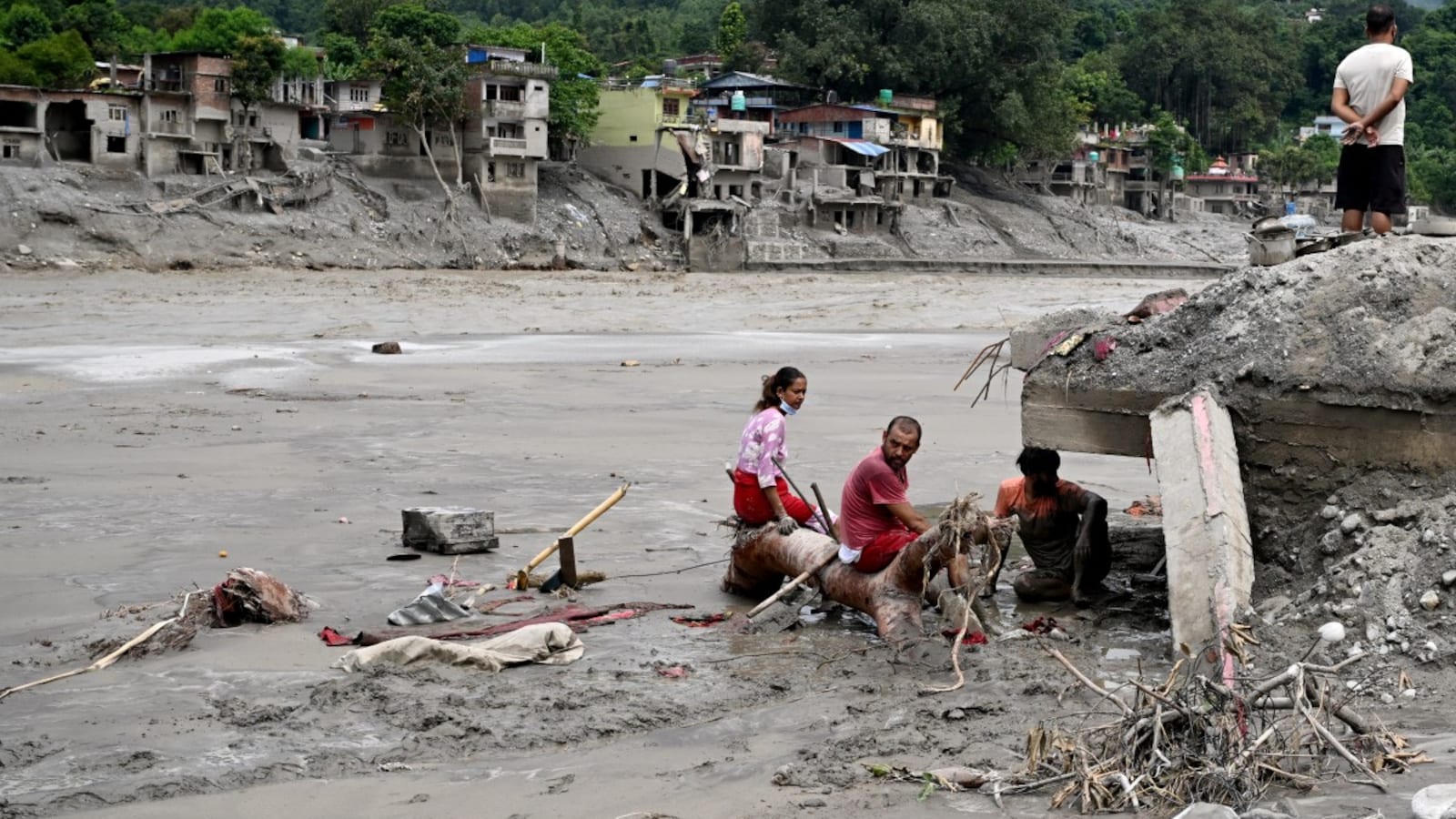
Nepal Flood Health Risks Can Persist Long Afterwaters Recede
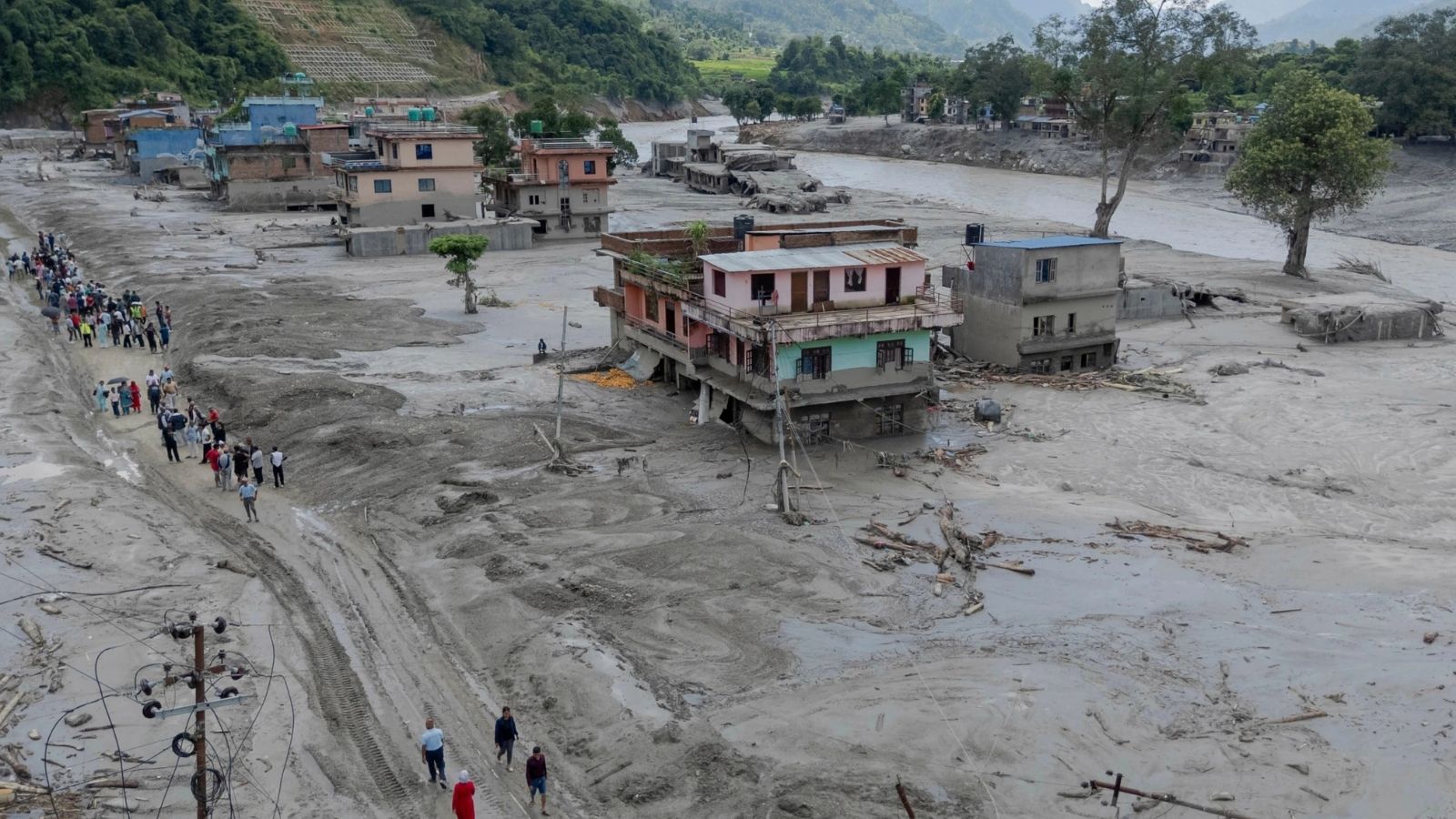
Nepal Floods Expose Himalayan Risks From Warming and Development
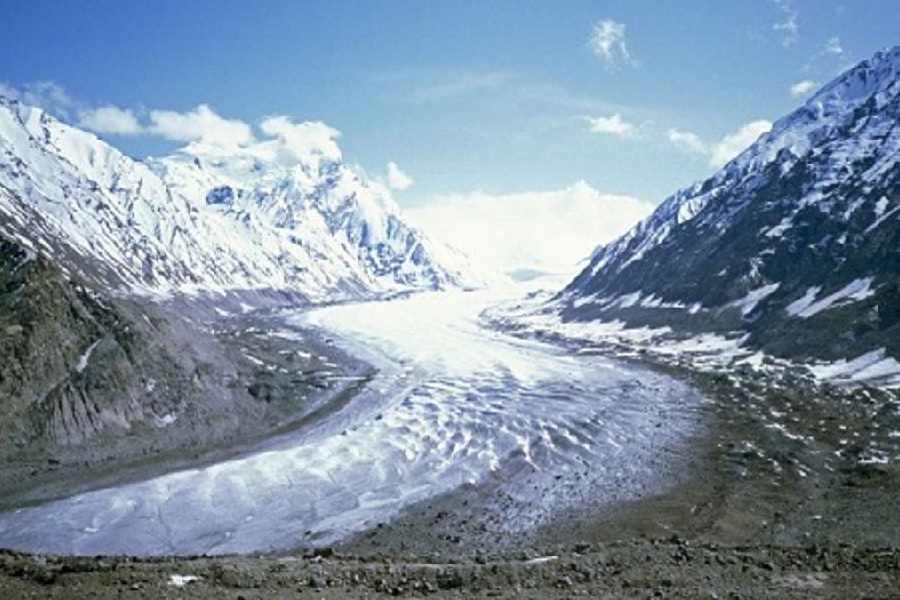
Glacial Floods Expose the Growing Himalayan Disaster Threat
Nepal Avalanche Floods Echo Chamoli With Greater Downstream Impact
India Leads Hindu Kush Himalaya GLOF Death Toll, Study Finds
Hanging Glaciers Raise Major Avalanche Risks Across India
India’s Climate Resilience Depends on Its Health Workforce
NASA Invites ISRO to Join Moon Base Programme

China Advances Space Tourism and Deep Space Exploration