3 days ago
Hanging Glaciers Raise Major Avalanche Risks Across India
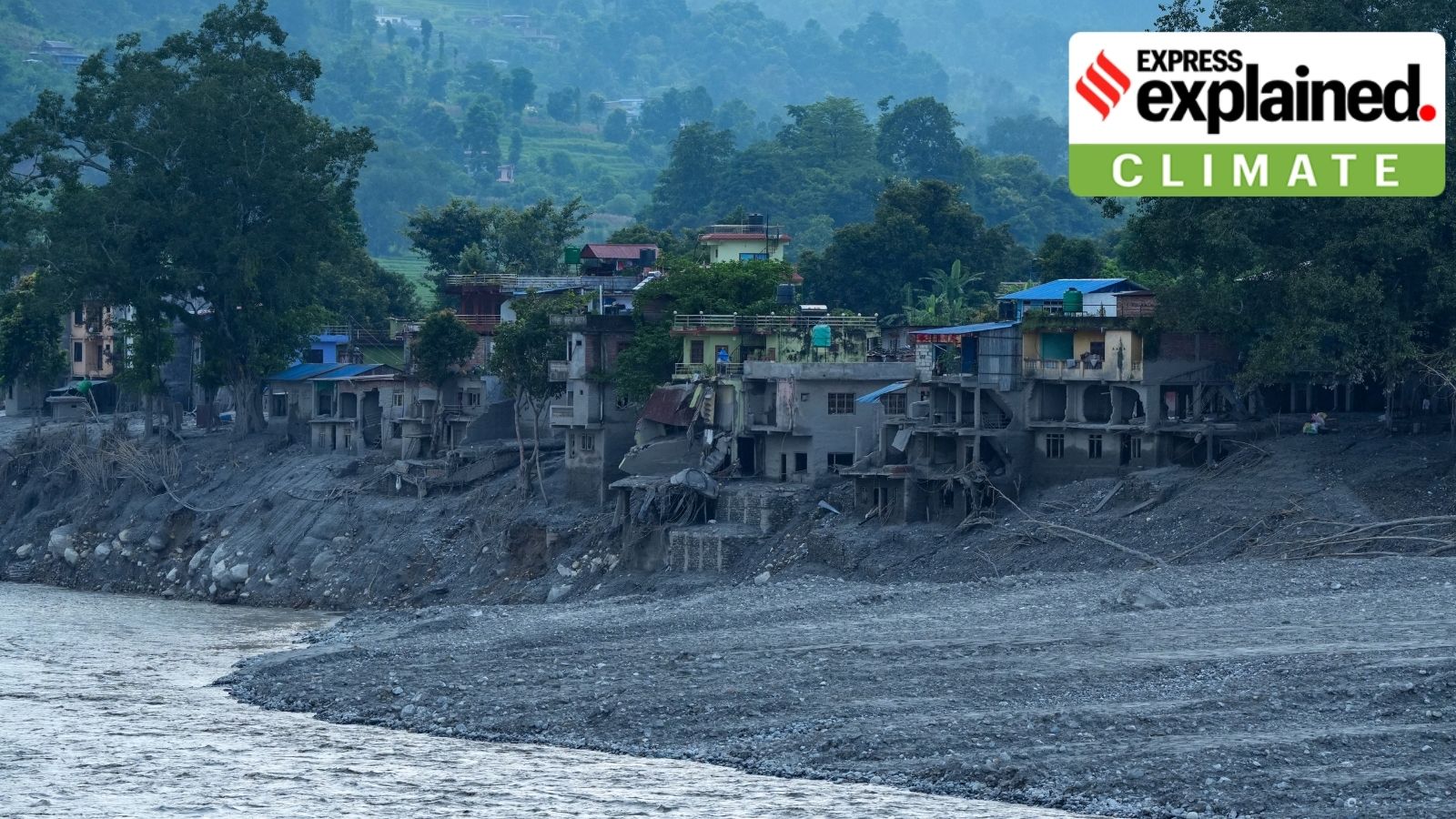
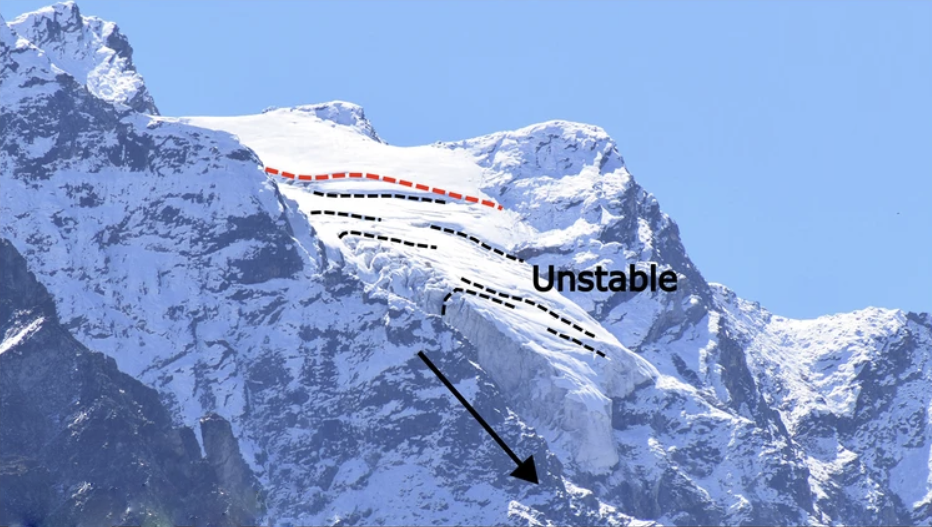
Hanging glaciers are large pieces of ice resting on very steep mountain slopes.
Because they are not firmly supported, parts of them can break away.
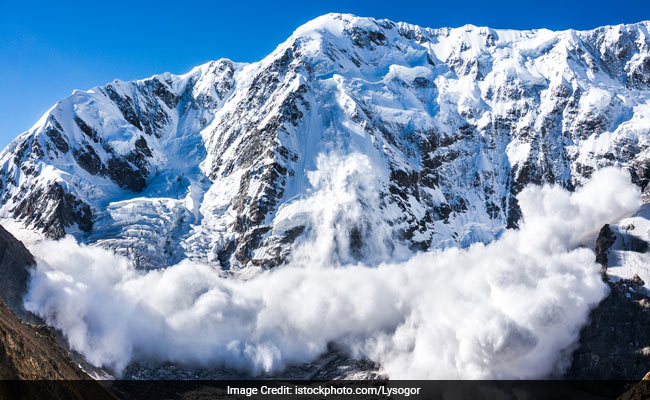
A break-off can create a huge avalanche of ice, rock and water.
It can also cause a glacial lake outburst flood.
A study found 219 hanging glaciers in India's Alaknanda basin.
Some avalanche flows there could be more than 50 metres high.
More buildings and people are expected to be in danger as development and exposure increase.
Scientists say careful monitoring and quick warnings can help communities evacuate.
They also say reducing warming is important because higher temperatures can make ice and mountain slopes less stable.

An April 2026 Nature study identified 219 hanging glaciers in the Alaknanda basin of the Garhwal Himalayas.
The glaciers cover 71.7 ± 3.5 square kilometres and contain an estimated 2.39 ± 0.42 cubic kilometres of ice.
Break-offs could produce avalanche flows exceeding 50 metres in height and trigger glacial lake outburst floods.
By 2030, buildings and infrastructure exposed to avalanche risks are projected to be 120% higher than in 2000, while the exposed population could rise 17%.
Researchers say monitoring, early warnings, evacuation planning and rapid response are essential, citing the Chamoli disaster and Switzerland's Blatten evacuation.
- Who
- Researchers led by Ashim Sattar and Nandu Krishnan studied the glaciers; Anshuman Bhardwaj and colleagues examined disaster preparedness.
- What
- Studies identified widespread hanging-glacier hazards and urged stronger monitoring, preparedness and rapid response.
- Where
- The main assessment covers the Alaknanda basin in the Garhwal Himalayas, including the Badrinath-Mana sector of Uttarakhand.
- When
- The relevant studies were published in Nature in April 2026 and on March 6; risk projections compare 2030 with 2000.
- Why
- Rising temperatures and changing precipitation patterns are contributing to glacier and slope instability, increasing the risk to downstream communities and infrastructure.
Preparedness and Monitoring
Climate Action and Attribution Caution
How to reduce immediate danger
Preparedness and Monitoring
Researchers emphasize systematic glacier monitoring, early warnings, risk-informed land-use planning, evacuation and rapid response to prevent foreseeable hazards from becoming human catastrophes.
Climate Action and Attribution Caution
Pam Pearson argues that monitoring must be accompanied by an emergency transition away from fossil fuels, because continued warming could intensify glacier-related disasters and other climate impacts.
Interpreting disasters during emergencies
Preparedness and Monitoring
Anshuman Bhardwaj says Himalayan hazards should be treated as cascading events involving ice, rock, avalanches and floods, requiring anticipatory and transboundary risk management.
Climate Action and Attribution Caution
Bhardwaj also cautions against rushing to assign causes while emergency response is still underway, arguing that immediate action should come before definitive process attribution.
Key facts
- Hanging glaciers identified
- 219 in the Alaknanda basin of the Garhwal Himalayas
- Glacier area
- 71.7 ± 3.5 square kilometres
- Estimated ice volume
- 2.39 ± 0.42 cubic kilometres, including 0.74 ± 0.14 cubic kilometres of hanging ice
- Potential avalanche height
- More than 50 metres in simulations for Uttarakhand's Badrinath-Mana sector
- Projected infrastructure exposure
- 120% more buildings and infrastructure land area at risk in 2030 than in 2000
- Projected population exposure
- The number of people living in at-risk areas is projected to increase by 17% between 2000 and 2030
- Comparable disasters
- The 2021 Chamoli disaster killed more than 200 people, while an ice-rock avalanche in Blatten, Switzerland, killed one person
Quotes
Anshuman Bhardwaj
Study author and University of Aberdeen planetary sciences academic
“The Nepal event highlights that we need to think of these as cascading hazards, rather than isolated landslides, avalanches, or floods… Second, we need to strengthen anticipatory monitoring and preparedness… Third, this is also a transboundary risk-management issue… Finally, we should be careful not to rush process attribution while responding to the immediate emergency.”
 indianexpress.com
“This study… sadly predicted the tragic events (and)… underscores the need to monitor such ‘hanging glaciers’ closely to give better warning of such catastrophes in future to vulnerable downstream communities.”
indianexpress.com
Sources
Related news
Study Finds 219 Hanging Glaciers in Uttarakhand, Many Unstable
India Faces Risks From Unmapped Himalayan Hanging Glaciers

Nepal Glacier Disaster Exposes India’s Himalayan Risk-Planning Challenge
Nepal Flood Highlights Sikkim’s Hanging Glacier Threat and Preparedness
Expert Warns Himalayan Flash-Flood Risks Grow Amid Nepal Catastrophe

Melting Himalayan Glaciers Raise Risk of Downstream Floods
Glacial Lake Floods Leave Lasting Health Crises Beyond Destruction
India’s Climate Resilience Depends on Its Health Workforce
NASA Invites ISRO to Join Moon Base Programme

China Advances Space Tourism and Deep Space Exploration