

6 days ago
Nepal Avalanche Floods Echo Chamoli With Greater Downstream Impact
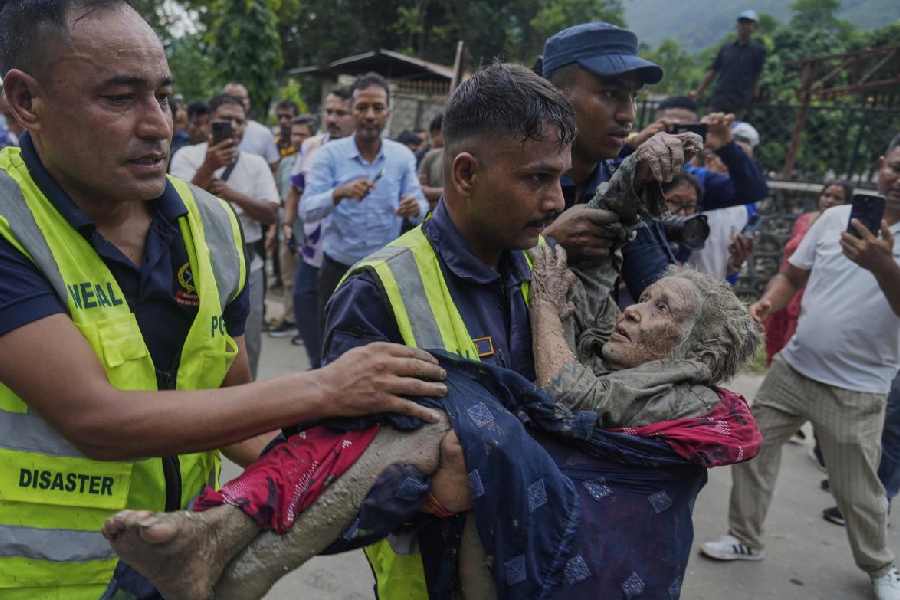
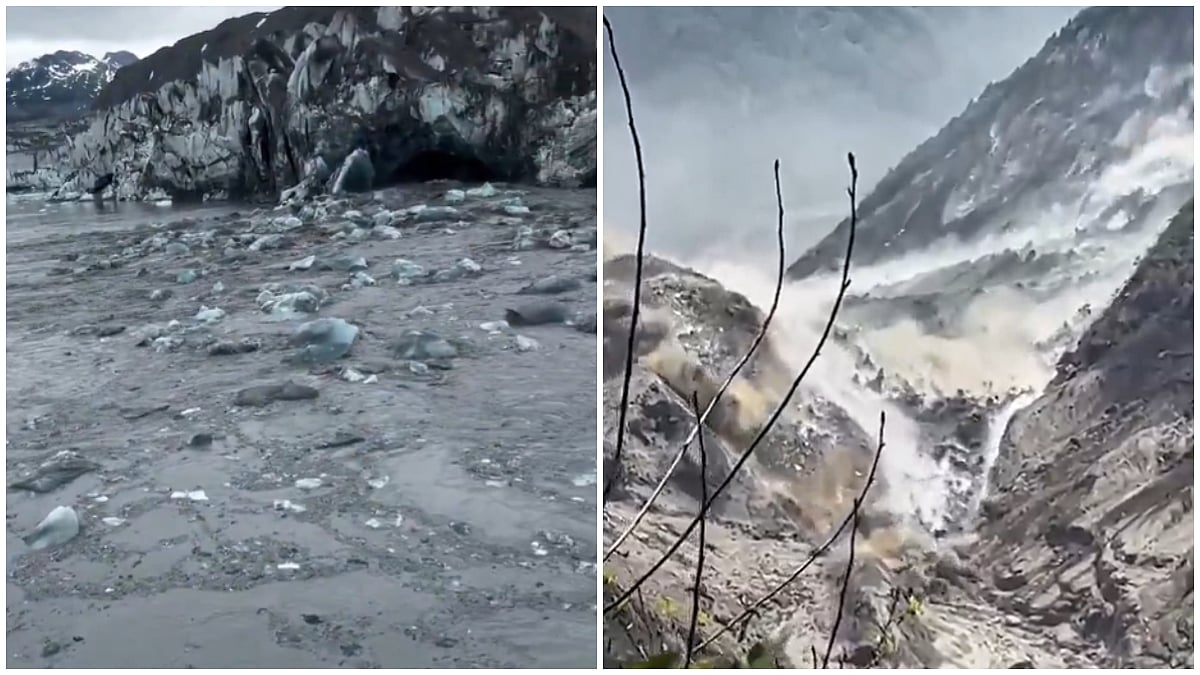
A huge piece of ice, rock and snow broke away from a mountain in Nepal.
It entered a river and may have briefly blocked the water.
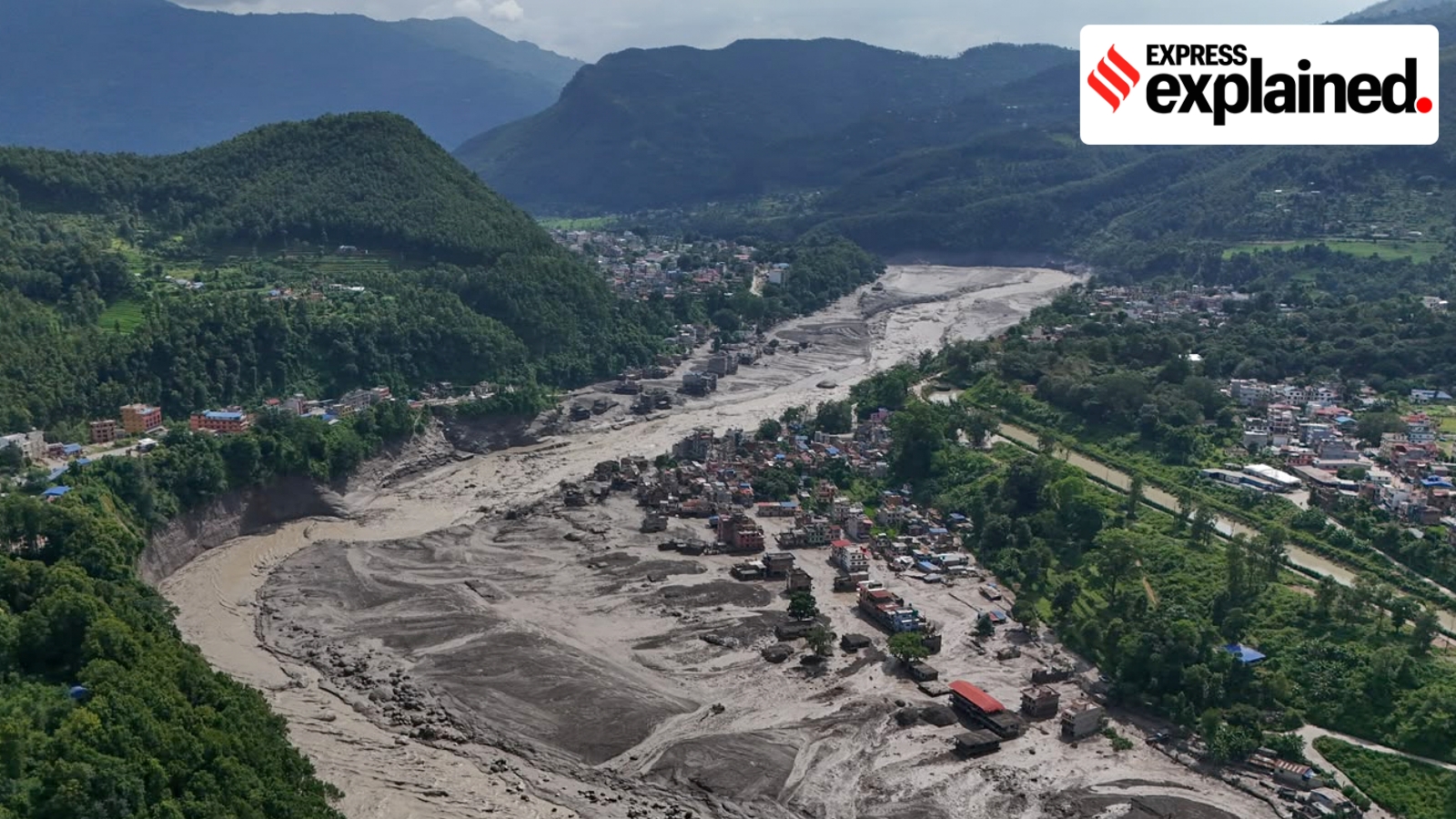
When the blockage gave way, water, mud and large rocks rushed downstream.
Some water levels rose nine metres in only 30 minutes.
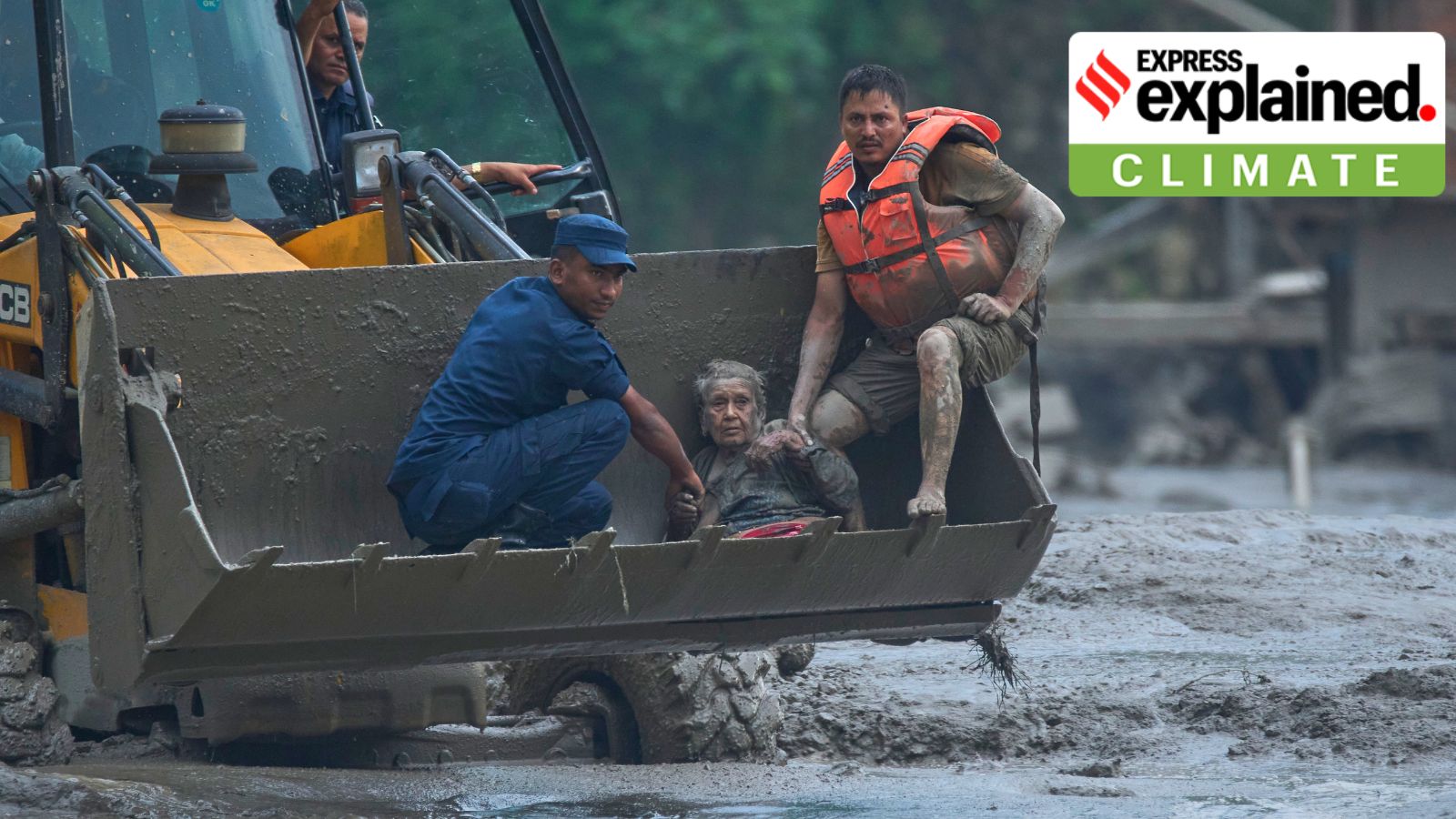
At least 150 people were reported dead, and about 1,500 were missing by Friday.
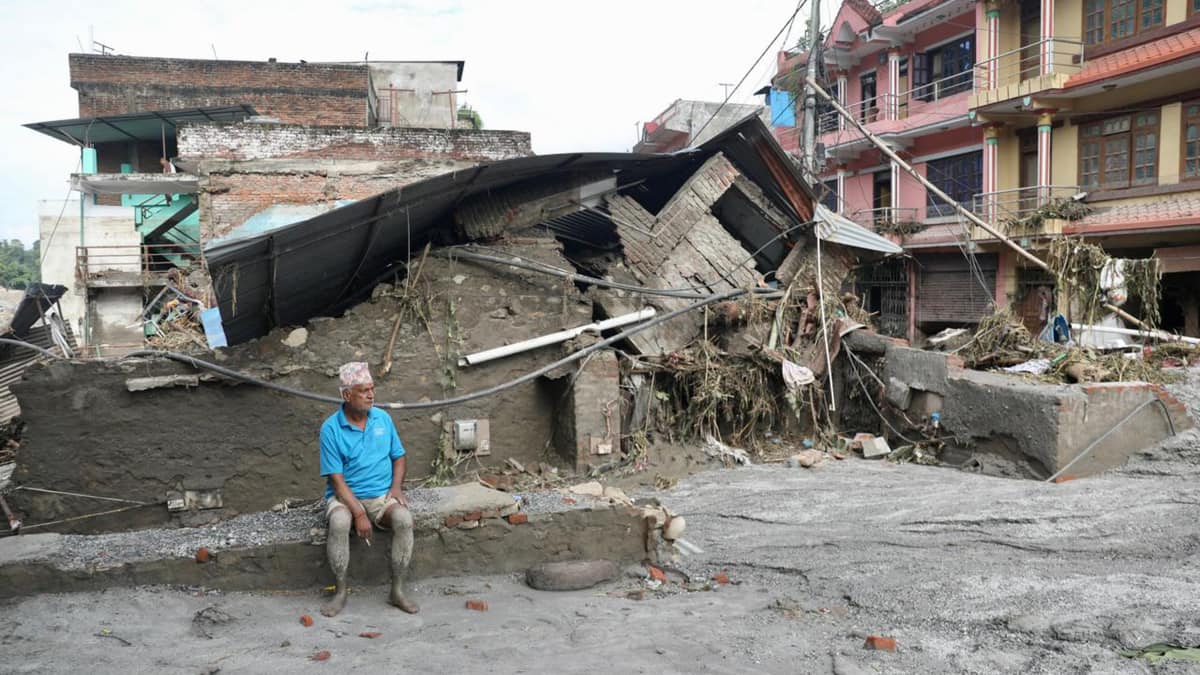
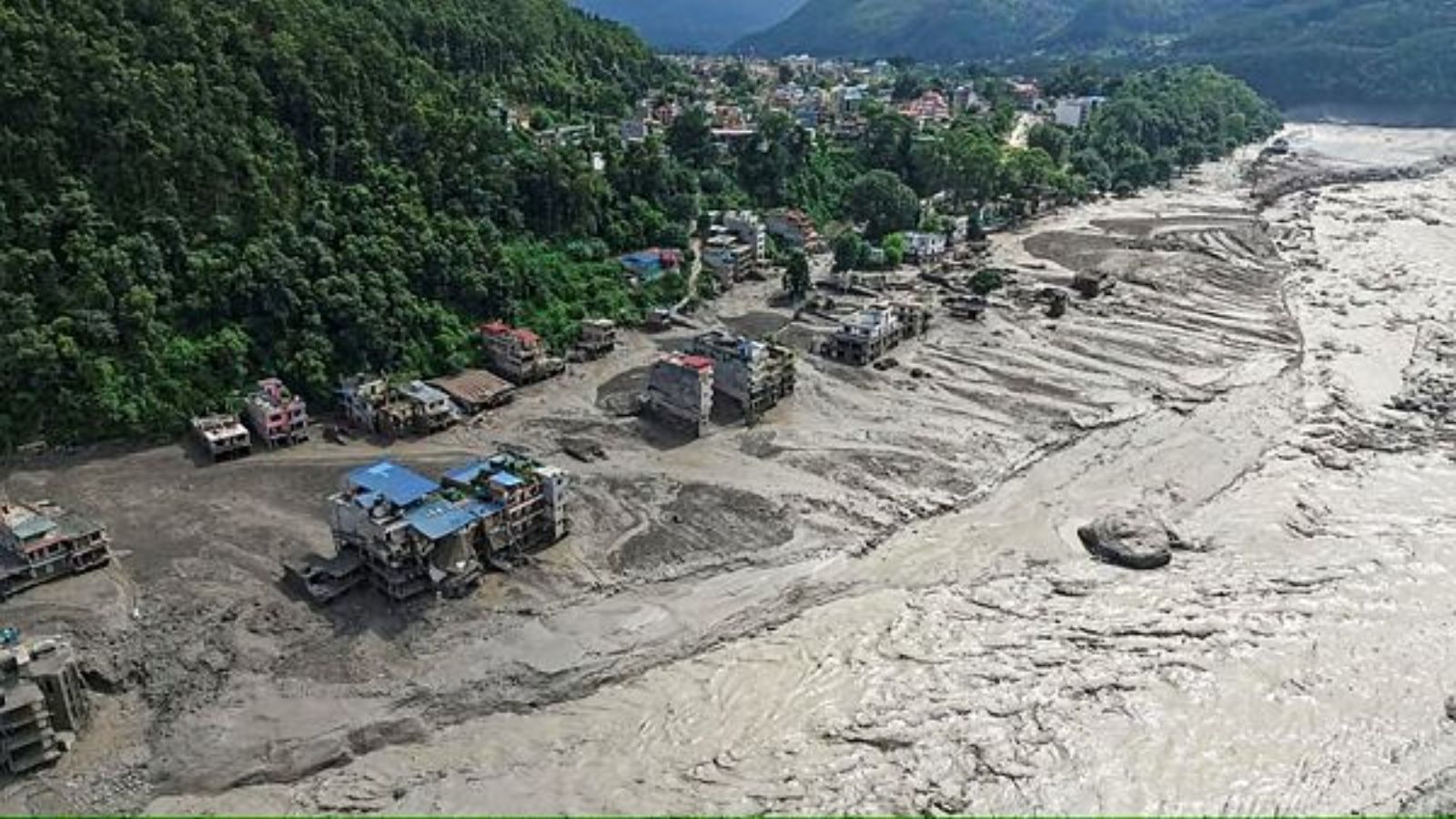
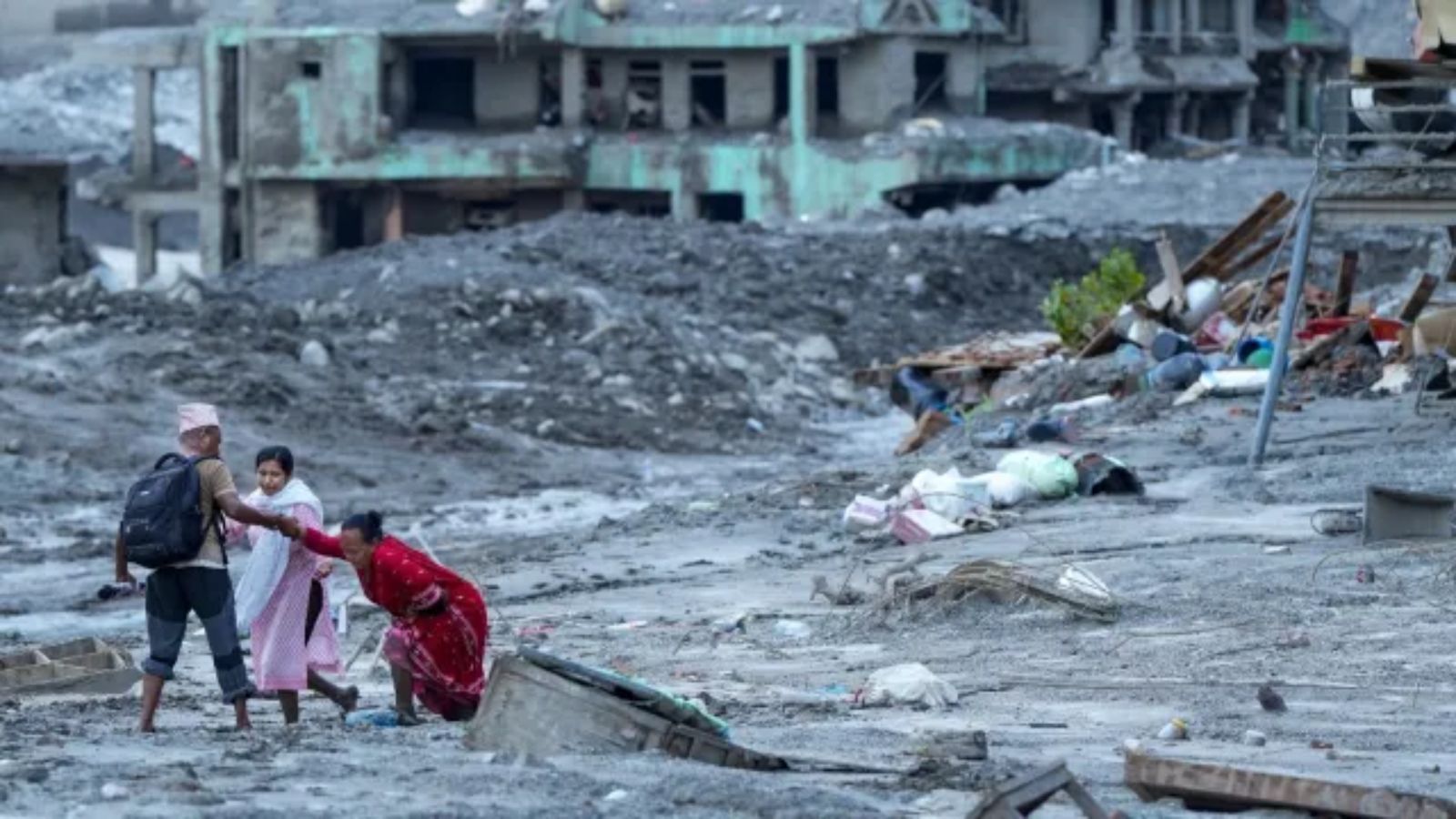
Many bridges, houses and other buildings were destroyed.
Scientists say the event resembles the 2021 Chamoli disaster in India.
It may have caused more damage because Nepal was in the rainy monsoon season and the ground and rivers already held lots of water.
Researchers are still investigating what caused the mountain collapse and where all the floodwater came from.

An ice-and-rock avalanche in Nepal’s Rasuwa district triggered a surge of water, sediment and boulders downstream.
Satellite analysis indicates the avalanche temporarily blocked a river before releasing impounded water and debris.
Water levels rose by up to nine metres at some sites within 30 minutes.
At least 150 people were known to have died, about 1,500 were reported missing, and 60–70 bridges were swept away.
Scientists say peak monsoon conditions, saturated soil and cascading erosion may have made the disaster more destructive than the 2021 Chamoli event.
- Who
- People in Nepal’s Rasuwa district and downstream areas were affected; scientists and disaster researchers are investigating the event.
- What
- An ice-and-rock avalanche caused a sudden surge of water, sediment and debris, producing catastrophic flash floods.
- Where
- Rasuwa district and downstream Himalayan valleys in Nepal, including tributaries of the Bhote Koshi River.
- When
- The disaster occurred on Wednesday during peak monsoon season; casualty and missing-person figures were reported by Friday.
- Why
- The exact trigger and floodwater source remain uncertain; possible factors include an earthquake, melting ice, exceptional rainfall and glacial instability.
Possible Explanations
Alternative Explanations
What triggered the collapse?
Possible Explanations
The avalanche may have been triggered by an earthquake; the disaster was initially linked to a 4.4-magnitude earthquake.
Alternative Explanations
The trigger remains unclear. Scientists also identify melting ice, exceptional rainfall or other glacial instability as possibilities.
What physically failed?
Possible Explanations
The event may have involved a major section of an evolving glacier collapsing and blocking the river with melting ice.
Alternative Explanations
Daniel Shugar said the failure was most likely bedrock, possibly a very large rock avalanche that carried part of the glacier with it.
What caused the floodwater?
Possible Explanations
A temporary river blockage may have caused water to accumulate and then be suddenly released with debris.
Alternative Explanations
Researchers say the precise source and volume of the floodwater remain undetermined, so the full mechanism has not yet been established.
Key facts
- Known deaths
- At least 150 people were reported killed.
- People missing
- About 1,500 people were reported missing by Friday.
- Water-level rise
- Water levels rose by up to nine metres at some locations within 30 minutes.
- Infrastructure damage
- Approximately 60–70 bridges were swept away.
- Other destruction
- Hundreds of houses and other buildings were destroyed.
- Preliminary mechanism
- Satellite analysis suggests an ice-and-rock avalanche temporarily blocked a river, followed by a sudden release of impounded water and debris.
- Government response
- Nepal’s National Disaster Management Authority began studying glacial lakes and considering stronger boundaries and leakage sensors.
Quotes
Dipesh Chapagain
UN expert and senior research associate at the United Nations University Institute for Environment and Human Security
“The Himalayan region is very fragile. Such events lead to a chain reaction. A surging river with large rocks and ice blocks would erode the banks and slopes, and more soil, mud and rocks would become part of the raging river. It becomes a cascading disaster because the waters do not have any other way to spread out.”
 indianexpress.com
“Chamoli had happened in February. But this one has come in the core monsoon season. The soil is already saturated, and most of the rivers are carrying waters near their capacity. Then there is an event like this in which a large chunk of ice and snow and rocks fall off. This will create havoc.”
indianexpress.com
Sources
Related news
Nepal Flash Flood Echoes Himalayan Disasters, Signals Future Risks
Nepal Flood Exposes Himalayan Cascading Hazard Risks
Scientists Suspect Ice-Rock Avalanche Triggered Deadly Nepal Floods
Scientists Link Nepal's Deadly Floods to 5,200-Metre Ice-Rock Avalanche

Nepal Glacier Collapse Exposes Rising Himalayan Flash-Flood Risks

Nepal Flash Floods Expose Glacier Risks Amid Climate Concerns

Nepal Thanks India as Glacial Disaster Rescue Efforts Continue
Nepal Warns of Heavy Rain After Deadly Floods
Nepal Flood Exposes Delayed Alerts and Cross-Border Warning Gaps
India to Rebuild Nepal School After Principal Saves 1,600
Maharashtra Mountaineers Join Search for Missing Nepal Trekkers
