1 week ago
India’s Climate Resilience Depends on Its Health Workforce
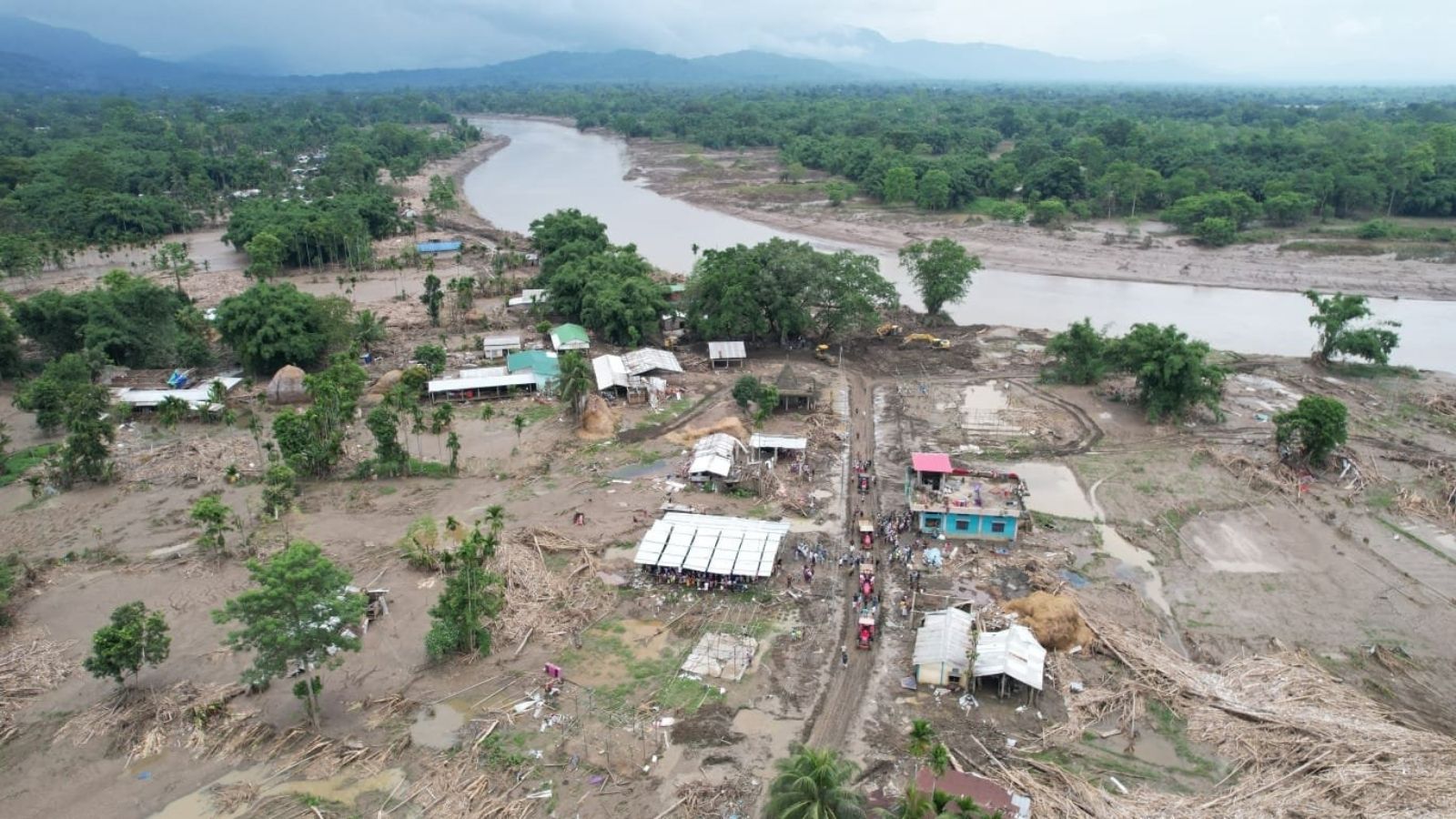
Floods can hurt people immediately, but health problems may continue after the water goes away.
Doctors, nurses, laboratory workers, community health workers, and public health officials help prevent these problems.
They treat emergencies, look for disease outbreaks, test water, and support families who need help.
Climate change is making some disasters and health risks harder to manage.
India has started programmes to help health systems prepare for these risks.
However, many health workers are already in short supply, and climate training is often temporary.
The article says climate-related skills should become part of regular health education and jobs.
This would help health workers protect communities before, during, and after disasters.

Floods in Kerala and Assam highlight the health challenges created by climate-related disasters.
Health workers support disaster response through emergency care, disease surveillance, water testing, outreach, and coordination.
India has launched climate-health initiatives, including heat action plans and stronger surveillance and emergency preparedness.
Climate-health training remains fragmented and is often dependent on donor- or project-supported programmes.
The article calls for climate competencies to be integrated into education, professional development, workforce planning, and routine health-system management.
- Who
- India’s health workforce, including community health workers, clinicians, public health professionals, managers, and policymakers.
- What
- The article argues that strengthening and institutionalising climate-health competencies is essential for resilient health systems.
- Where
- Across India, including Kerala and Assam, and particularly within communities, health facilities, and public health programmes.
- When
- The issue is highlighted following recent floods in Kerala and Assam and as climate-related hazards become more frequent and complex.
- Why
- Health workers are needed to prevent climate-related disasters from becoming prolonged public health crises, but shortages and fragmented training threaten response capacity.
Key facts
- Trigger
- Floods in Kerala and Assam have exposed the challenge of protecting health during climate-related disasters.
- Health-system role
- Hospitals, surveillance teams, laboratories, community health workers, and public health officials support disaster response.
- Indian initiatives
- The National Programme on Climate Change and Human Health and state counterparts support surveillance, heat action plans, and emergency preparedness.
- Existing competencies
- Disease surveillance, emergency preparedness, risk communication, outbreak investigation, and community engagement already exist within public health systems.
- Training challenge
- Climate-health training remains fragmented and is often limited to donor- or project-supported initiatives.
- Recommended approach
- Climate-health competencies should be integrated into pre-service education, continuing professional development, supervision, planning, and performance management.
- Key constraint
- India faces substantial shortages of health workers across cadres, making sustained surge capacity difficult.
Sources
Related news
Nepal Flood Health Risks Can Persist Long Afterwaters Recede
Nepal Floods Kill At Least 160 As Medical Teams Respond
Glacial Lake Floods Leave Lasting Health Crises Beyond Destruction

Assam ensures medical care, hygienic conditions in flood-hit areas
India Sends Medical and Tunnel Rescue Teams to Flood-Hit Nepal
AI May Bring Specialist Care to Rural India, Training Lags
Hanging Glaciers Raise Major Avalanche Risks Across India

NASA Invites ISRO to Join Moon Base Programme
China Advances Space Tourism and Deep Space Exploration