1 day ago
Nepal Flood Health Risks Can Persist Long Afterwaters Recede
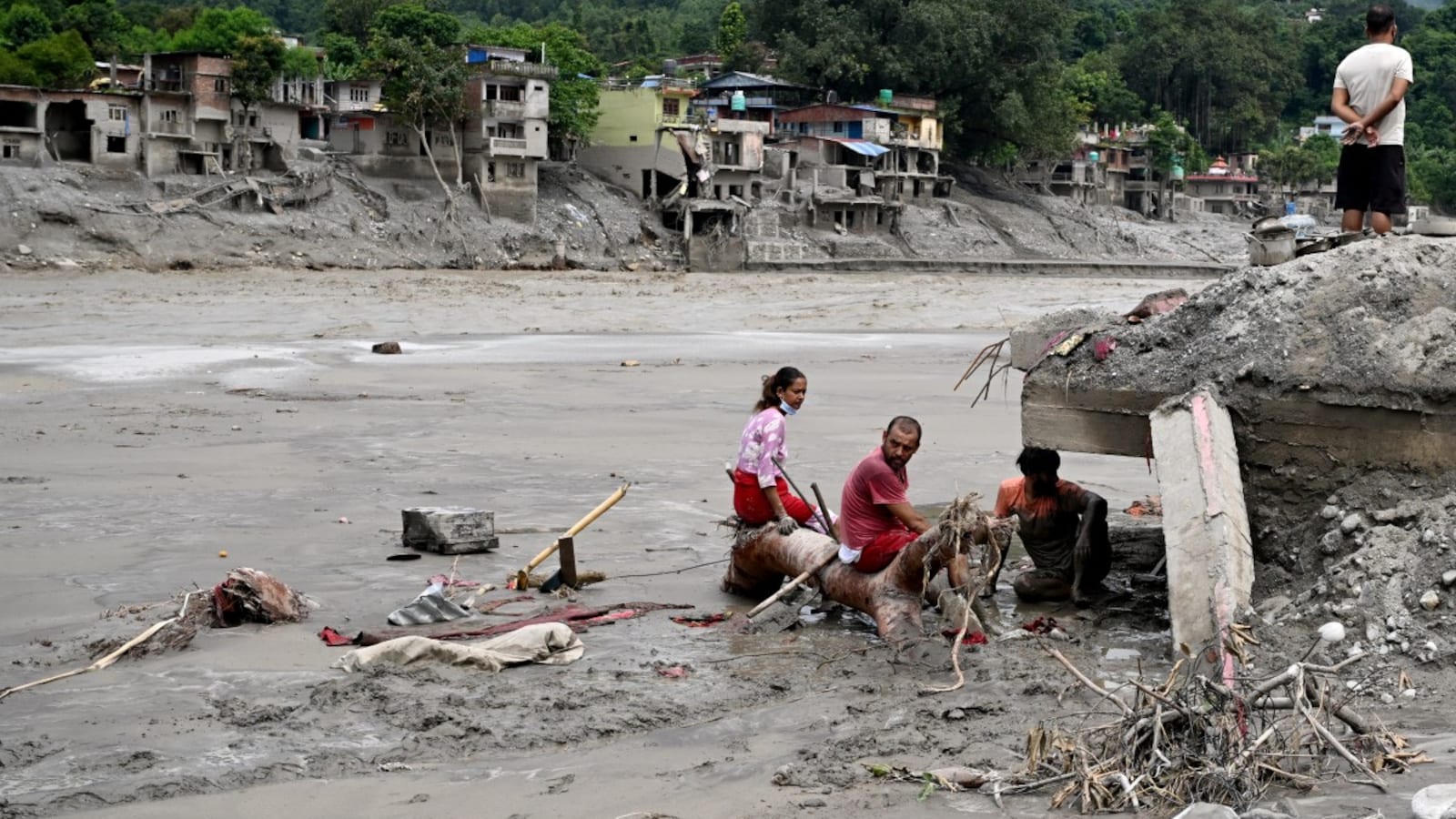
Flood damage can keep causing health problems even after the water goes away.
Dirty water can contain germs from sewage, animals, and waste.
People may become sick if they lack clean drinking water, toilets, or places to wash their hands.
Mosquitoes can also breed in standing water and spread some diseases.
Floods can damage roads, hospitals, electricity, and communication systems.
This can stop people from getting important medicines or routine treatment.
Survivors may feel frightened, sad, worried, or unable to sleep for a long time.
Rescue workers can also become exhausted and emotionally hurt.
Clean water, medical help, emotional support, and good emergency planning can reduce these risks.

Contaminated floodwater and poor sanitation can increase risks of diarrheal diseases, cholera, typhoid, hepatitis, leptospirosis, and skin infections.
Stagnant water may encourage mosquitoes, raising concerns about malaria and dengue, although floods do not automatically cause disease outbreaks.
Damaged roads, clinics, power supplies, and communications can interrupt medicines and care for chronic, infectious, maternal, and mental-health conditions.
Survivors and emergency workers may experience prolonged anxiety, depression, post-traumatic stress, exhaustion, and psychological trauma.
The article recommends preparedness measures including safe water, medical stockpiles, mobile care, emergency drills, backup communications, surveillance, and responder support.
- Who
- People affected by the Nepal floods, including children, older adults, pregnant women, people with chronic illnesses, survivors, health workers, and emergency responders.
- What
- The article explains health risks that may continue after floodwater recedes and outlines public-health and medical-preparedness measures.
- Where
- Flood-affected areas of Nepal and other high-risk, remote operations such as hydroelectric and mining sites.
- When
- Risks may persist for weeks, months, or even years after the initial disaster.
- Why
- Flooding can contaminate water, damage sanitation and healthcare infrastructure, interrupt medicines and routine care, and cause psychological trauma.
Key facts
- Main water risks
- Contaminated floodwater may contribute to diarrheal diseases, cholera, typhoid, hepatitis A and E, leptospirosis, and skin and eye infections.
- Mosquito-borne risks
- Stagnant water can encourage mosquito breeding and increase the risk of malaria and dengue.
- Healthcare disruption
- Floods can damage roads and medical centers while cutting power and communications, interrupting routine and emergency care.
- At-risk groups
- Children, older adults, pregnant women, undernourished people, and those with chronic conditions are especially vulnerable.
- Mental-health effects
- Survivors and emergency workers may experience anxiety, depression, post-traumatic stress, exhaustion, burnout, and psychological trauma.
- Immediate priorities
- Recommended priorities include safe drinking water, functioning toilets, hand hygiene, safe food, waste disposal, and early medical care.
- Organizational preparedness
- High-risk organizations are advised to maintain emergency plans, medical supplies, backup communications, evacuation routes, drills, and health surveillance.
Sources
Related news
Nepal Floods Raise Concerns Over Infectious Disease Risks
Nepal Floods Send Contamination Downstream, Threatening Bihar's Health
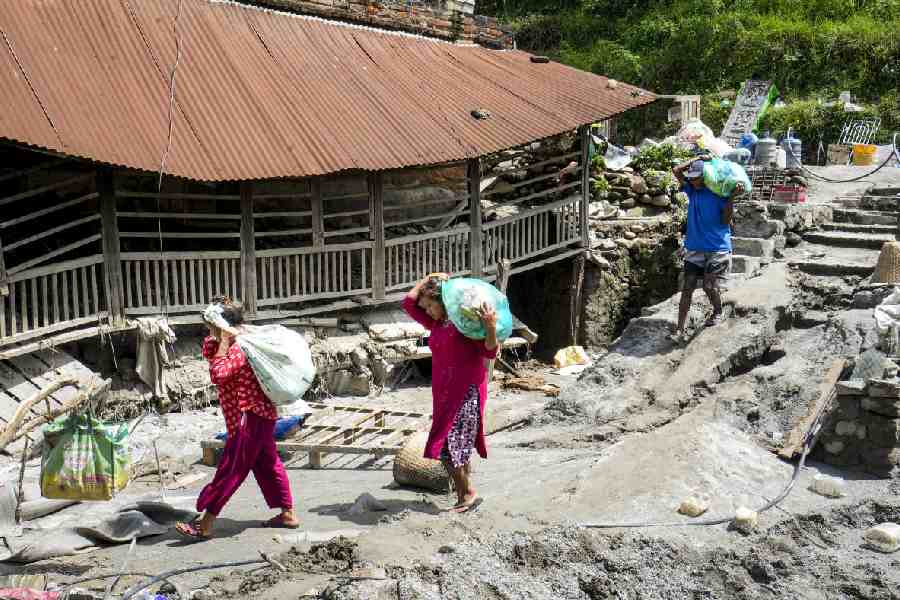
Nepal Flood Survivors Struggle for Food, Water and Shelter
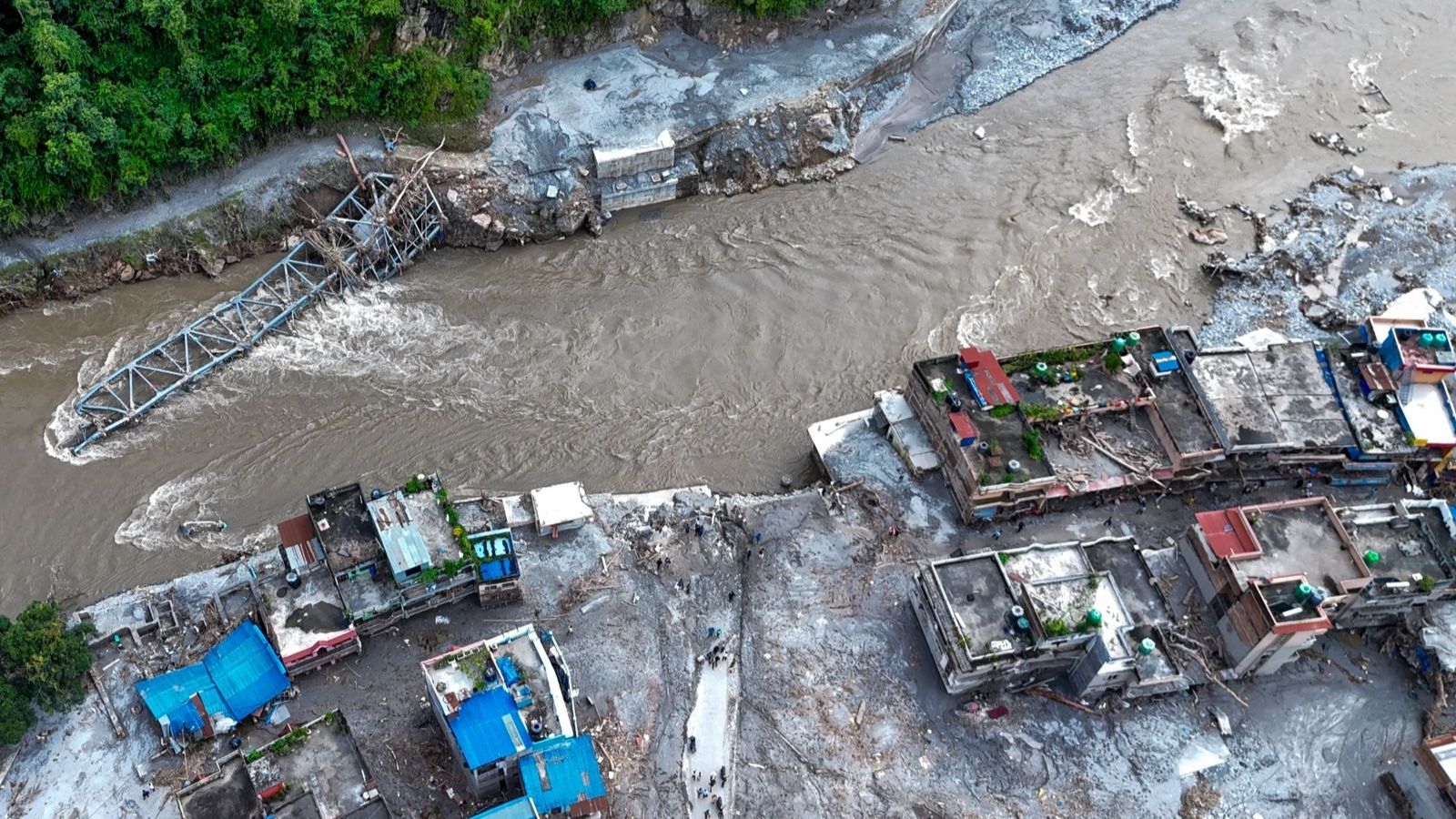
Glacial Lake Floods Leave Lasting Health Crises Beyond Destruction

Nepal Floods Raise Infectious Disease Risks and Safety Measures