4 days ago
India Leads Hindu Kush Himalaya GLOF Death Toll, Study Finds
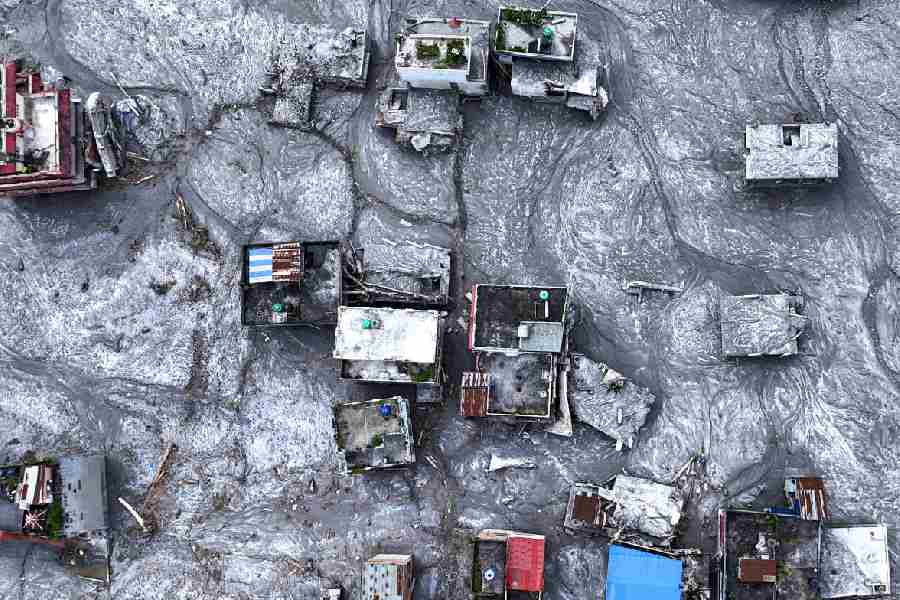
Glacial lake outburst floods happen when a natural dam holding back a mountain lake breaks.
The flood can send a large amount of water into valleys below.
A new UN-led study says India has had the most deaths from these floods in the Hindu Kush Himalaya region.
India recorded 6,119 deaths, even though China had more GLOF events.
The study says these floods have become much more common since 1950.
Warmer temperatures can melt more ice and increase water pressure behind natural dams.
Ice avalanches, heavy rain, landslides and earthquakes can help break those dams.
Most recorded events happened during the summer monsoon season.
The study also says India needs stronger preparations to protect people from future floods.

India recorded 6,119 deaths from 62 glacial lake outburst floods, the highest toll among eight Hindu Kush Himalaya countries.
China experienced the most GLOFs, with 199 events, followed by Pakistan with 152, India with 62 and Nepal with 58.
The UN-led study covers data from 1835 to 2025 and remains in pre-publication.
GLOF frequency rose to about 34 events per decade after 1950, five times the pre-1950 average.
Ice avalanches, intense rainfall and unstable moraine- or ice-dammed lakes were identified as major risk factors.
- Who
- A UN-led consortium of experts, including lead author Dipesh Chapagain, studied GLOFs across the Hindu Kush Himalaya region.
- What
- The pre-publication study assessed GLOF frequency, deaths, triggers, displacement and adaptation gaps.
- Where
- The research covers Afghanistan, Pakistan, India, China, Nepal, Bhutan, Bangladesh and Myanmar in the Hindu Kush Himalaya region.
- When
- The study covers events from 1835 through 2025; it reports that GLOF frequency accelerated after 1950.
- Why
- The study links rising GLOF risks to climate-related glacier changes, warming, rainfall and unstable natural dams, while highlighting inadequate protective measures in India.
Key facts
- India's GLOF deaths
- 6,119 fatalities
- India's recorded GLOFs
- 62 events
- Country with most GLOFs
- China, with 199 events
- Pakistan's recorded GLOFs and deaths
- 152 events and 1,991 fatalities
- Post-1950 GLOF frequency
- Approximately 34 events per decade, about five times the pre-1950 average
- Major reported triggers
- Ice avalanches accounted for 50% of events and intense rainfall for 25%
- Most vulnerable lake types
- Moraine- and ice-dammed lakes accounted for around 80% of observed outbursts and almost all recorded fatalities
Quotes
Dipesh Chapagain
Glacial scientist at the United Nations University Institute for Environment and Human Security and lead author of the study
“A marked acceleration in GLOF frequency became evident after 1950. The post-1950 average rose sharply to approximately 34 events per decade — a fivefold increase compared to the pre-1950 period.”
 telegraphindia.com
Climate expert
An unidentified climate expert quoted in the article
“We have not learnt lessons from the 2025 Chamoli incident or 2023 Teesta flash flood in Sikkim and Bengal. Unless we start to leapfrog our glacier adaptation, we are going to have a mega massacre like Nepal or even bigger, as the population exposure is higher.”
telegraphindia.com
Sources
Related news

Nepal Flash Floods Expose Glacier Risks Amid Climate Concerns
Glacial Floods Expose the Growing Himalayan Disaster Threat
Nepal Avalanche Floods Echo Chamoli With Greater Downstream Impact
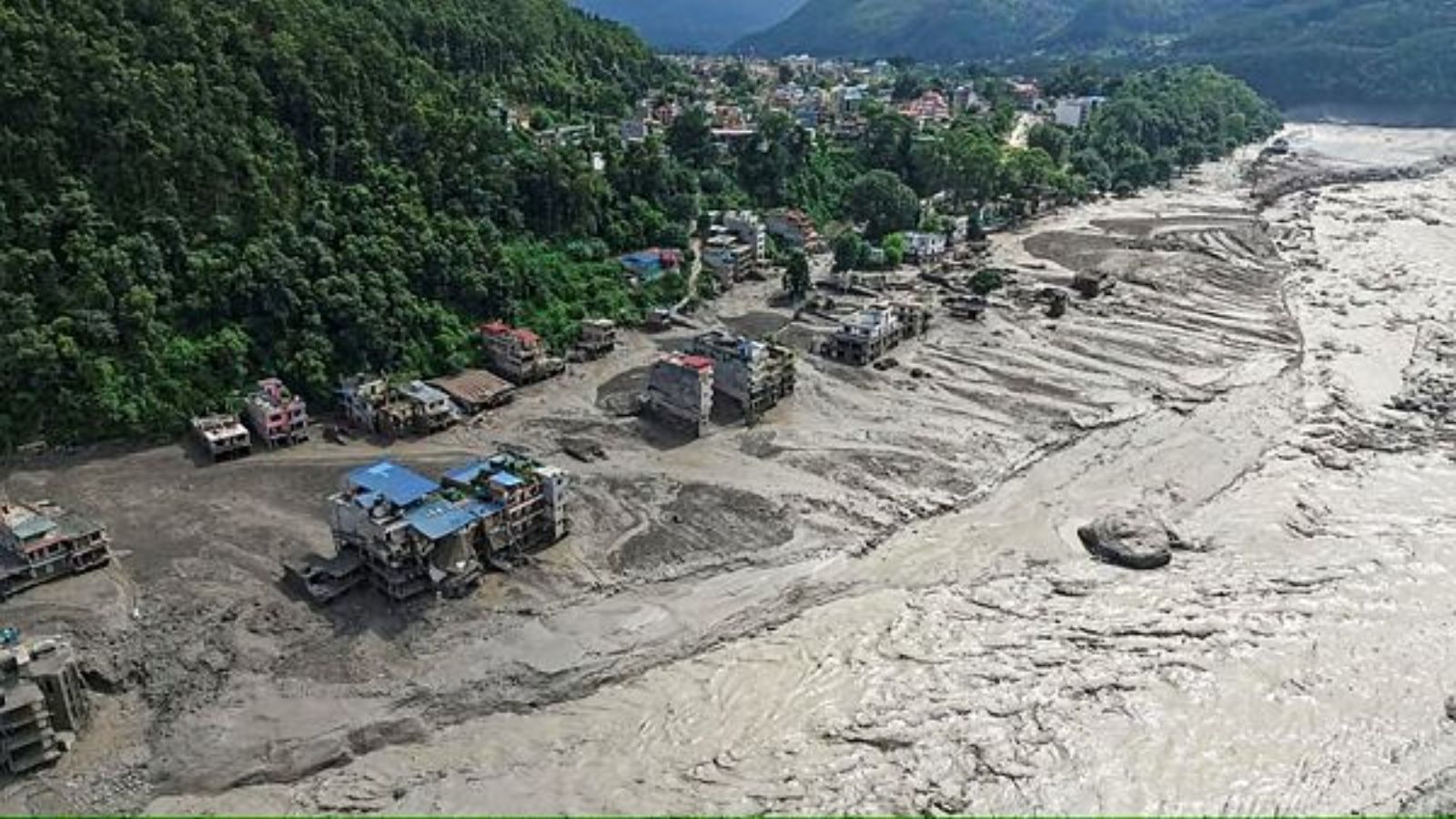
Bhote Koshi Flood Exposes Growing Himalayan Climate Risks

Nepal Floods Spur Calls for Glacier Assessments and Land-Use Reform

Himalayan Glacier Loss Raised Nepal Flood Disaster Risks

Nepal Flood Death Toll Tops 1,200 as Climate Risks Rise
Bihar on Alert as Rivers Swell, Sone Barrage Gates Open
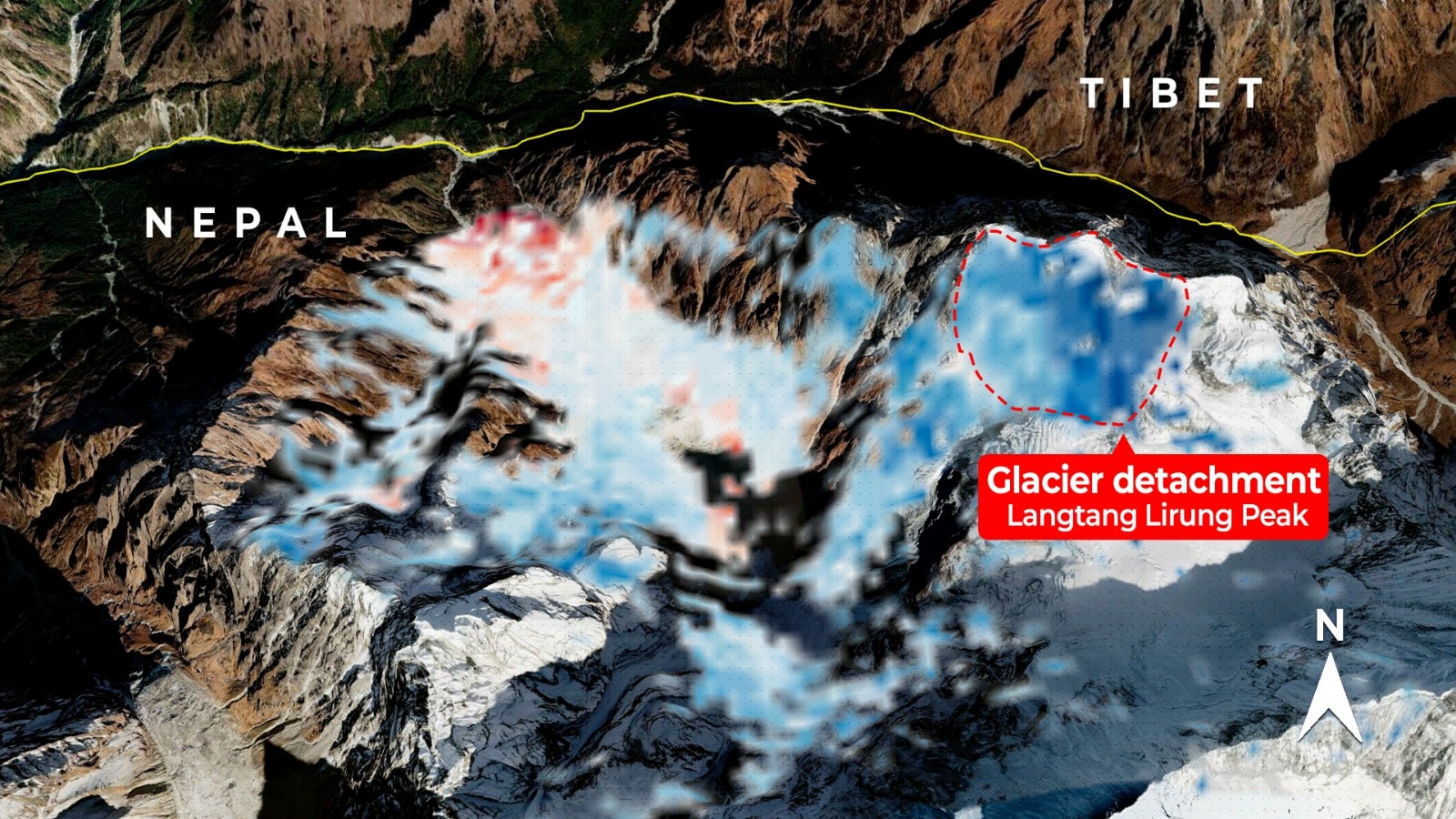
Satellite Radar May Strengthen Nepal's Flood Warning Systems
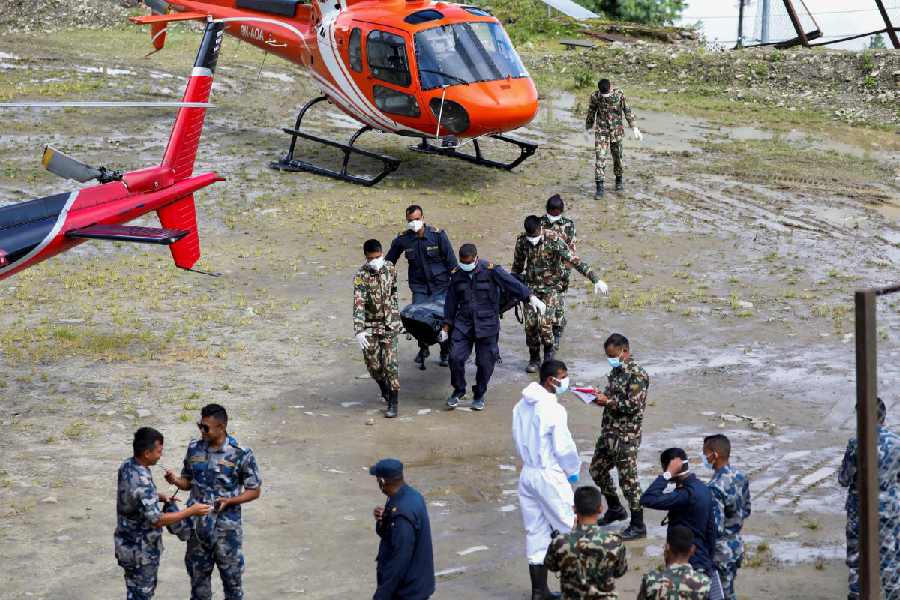
Nepal Plans New Landslide Warning System Along China Border

Nepal Thanks India as Glacial Disaster Rescue Efforts Continue