

2 days ago
Melting Himalayan Glaciers Raise Risk of Downstream Floods

The Himalayas are huge mountains that provide water to many people and help shape the monsoon.
They are also becoming more fragile as temperatures rise.
When glaciers melt, extra water can fill lakes behind piles of loose rocks.
These natural dams can break suddenly and send powerful floods down valleys.
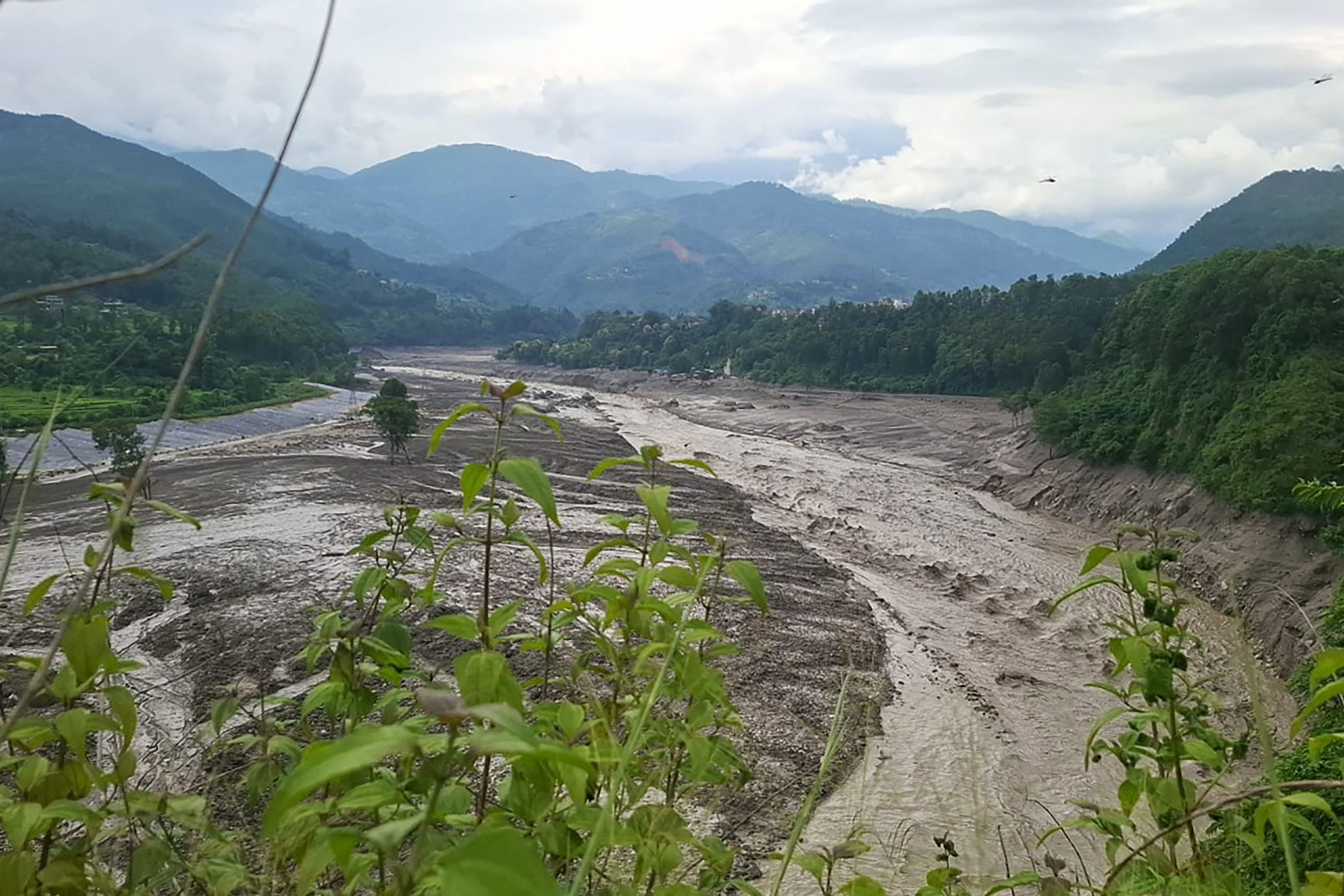
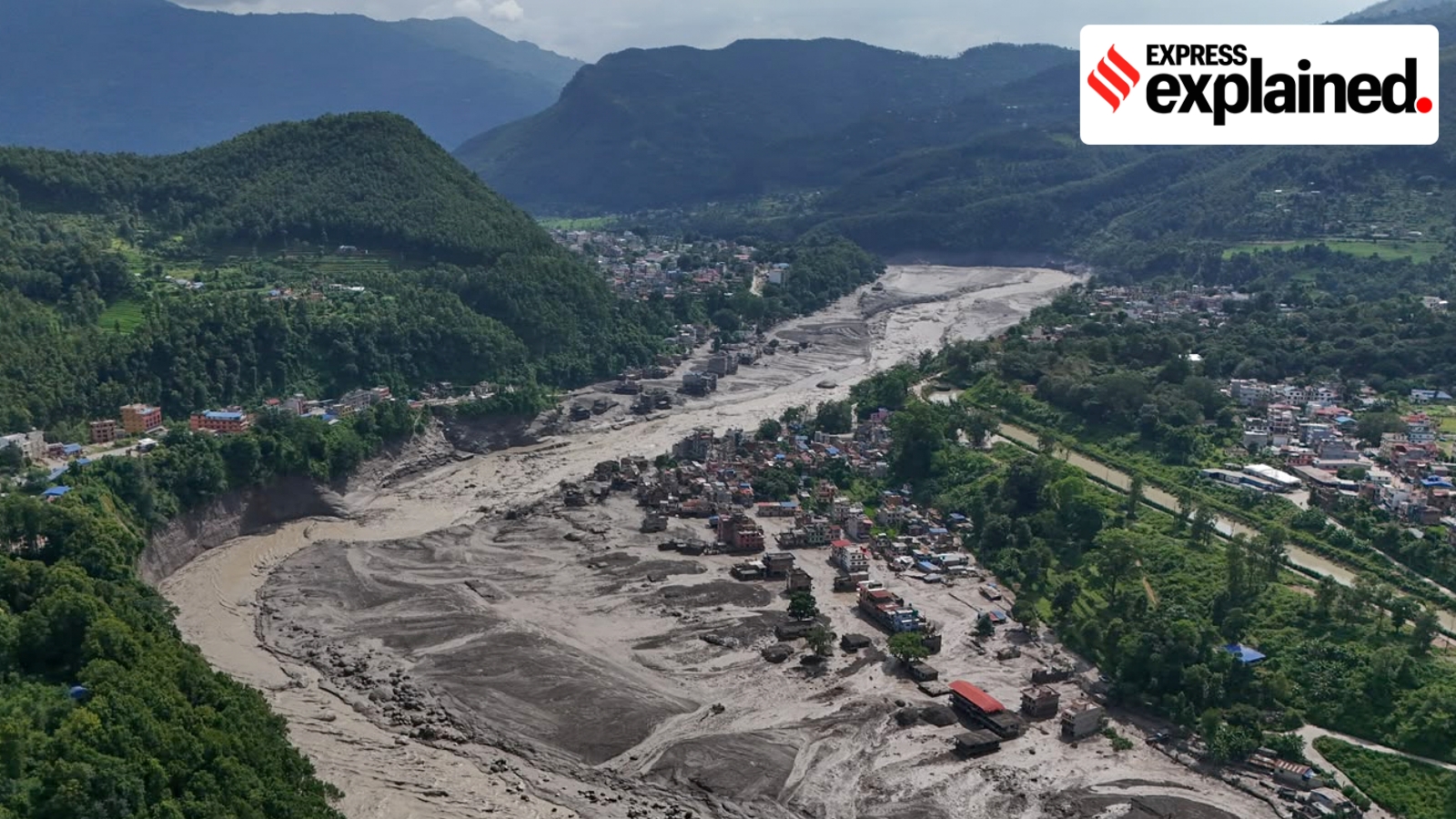
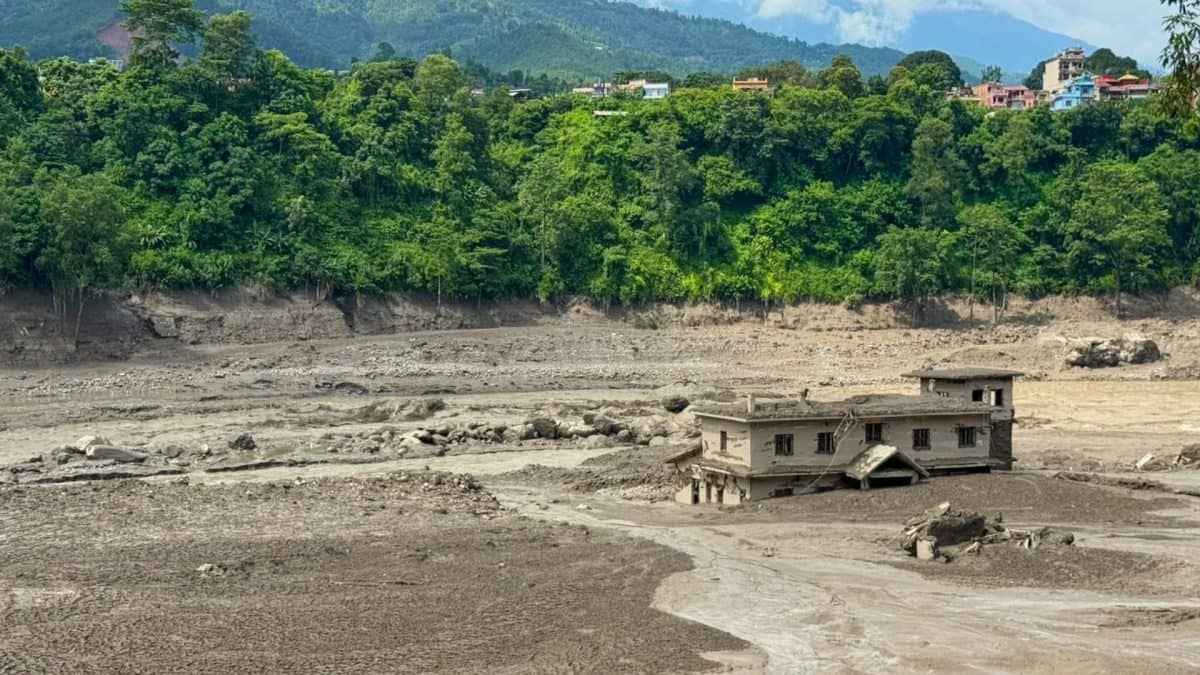
Last week, a glacier collapse near Nepal’s border with China caused flooding along the Bhote Koshi River.
Scientists say avalanches, landslides and unusual rain can make these events worse.
A similar lake breach at South Lhonak Lake in Sikkim killed at least 50 people.
The disasters show why mountain communities need to pay close attention to dangerous glaciers and lakes.

A glacier collapse near Nepal’s border with China triggered flash floods in the Bhote Koshi River last week.
Glacier retreat is accelerating across the Himalaya as the region warms, according to studies including IPCC reports.
Meltwater can collect in glacial lakes held back by unstable dams of boulders, which may suddenly burst.
Avalanches, landslides and erratic rainfall can trigger cascading floods carrying water and debris through narrow valleys.
A 2021 warning about instability at South Lhonak Lake was followed by a breach two years later that killed at least 50 people.
- Who
- People and communities in the Himalayan region, along with scientists studying glacier and lake instability.
- What
- A glacier collapse near Nepal’s border with China caused flash floods, highlighting the growing danger from melting glaciers and unstable glacial lakes.
- Where
- Near Nepal’s border with China, along the Bhote Koshi River; another cited incident occurred at South Lhonak Lake in Sikkim.
- When
- The latest floods occurred last week; a South Lhonak Lake warning was issued in 2021, followed by a breach two years later.
- Why
- Warming is retreating glaciers and increasing meltwater in glacial lakes, while avalanches, landslides and erratic rainfall can trigger sudden outbursts.
Key facts
- Affected region
- The Himalayas support rivers, influence the monsoon, sustain biodiversity and contain pilgrimage centres.
- Latest event
- A glacier collapse near Nepal’s border with China sent torrents of water down the Bhote Koshi River.
- Main hazard
- Glacial lakes may burst when unstable dams made of boulders fail.
- Possible triggers
- Ice-and-rock avalanches, landslides, avalanches and erratic rainfall can produce cascading events.
- Earlier Nepal incident
- A glacial lake outburst in Nepal’s Everest region caused massive flooding two years ago.
- South Lhonak Lake
- A 2021 study flagged instability around the lake in Sikkim; it burst two years later.
- Reported deaths
- At least 50 people were killed in the South Lhonak Lake disaster.
Sources
Related news

Nepal Flash Floods Expose Glacier Risks Amid Climate Concerns
Nepal Flood Highlights Rising Glacier Risks in Warming Himalayas
Nepal Flash Flood Echoes Himalayan Disasters, Signals Future Risks

Nepal Flood Tragedy Highlights Need for Himalayan Early Warnings

Nepal Glacier Collapse Exposes Rising Himalayan Flash-Flood Risks
Nepal Disaster Highlights Growing Complexity of Himalayan Hazards

Nepal Thanks India as Glacial Disaster Rescue Efforts Continue
Nepal Warns of Heavy Rain After Deadly Floods
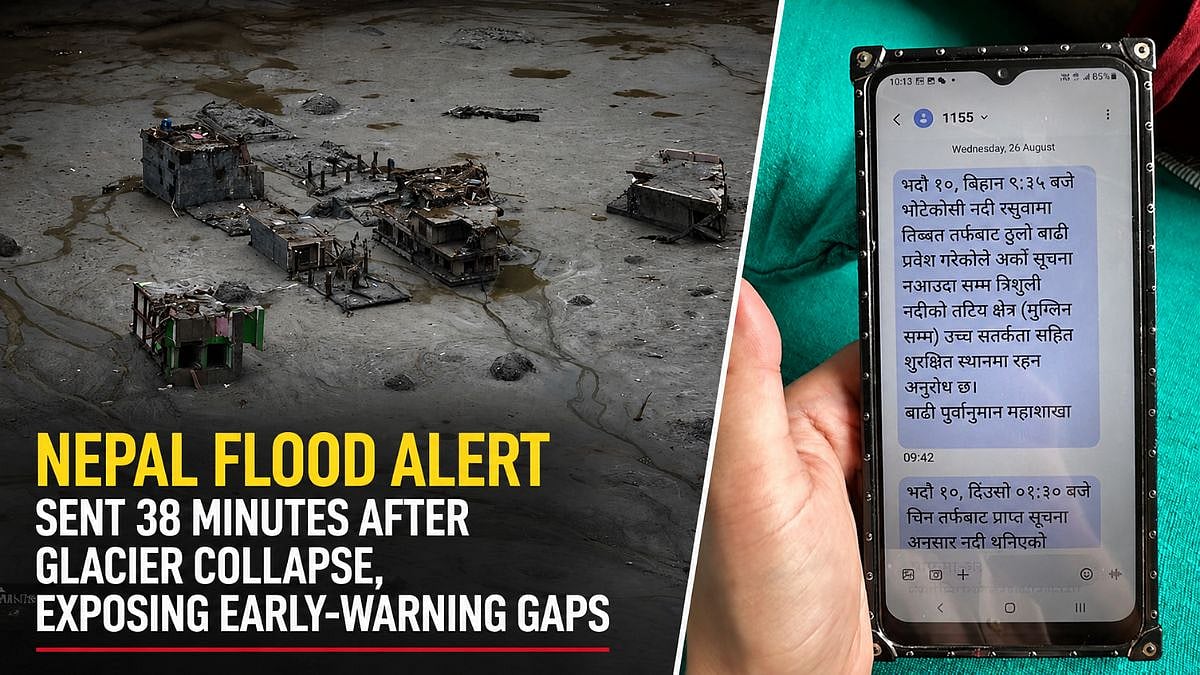
Nepal Flood Exposes Delayed Alerts and Cross-Border Warning Gaps
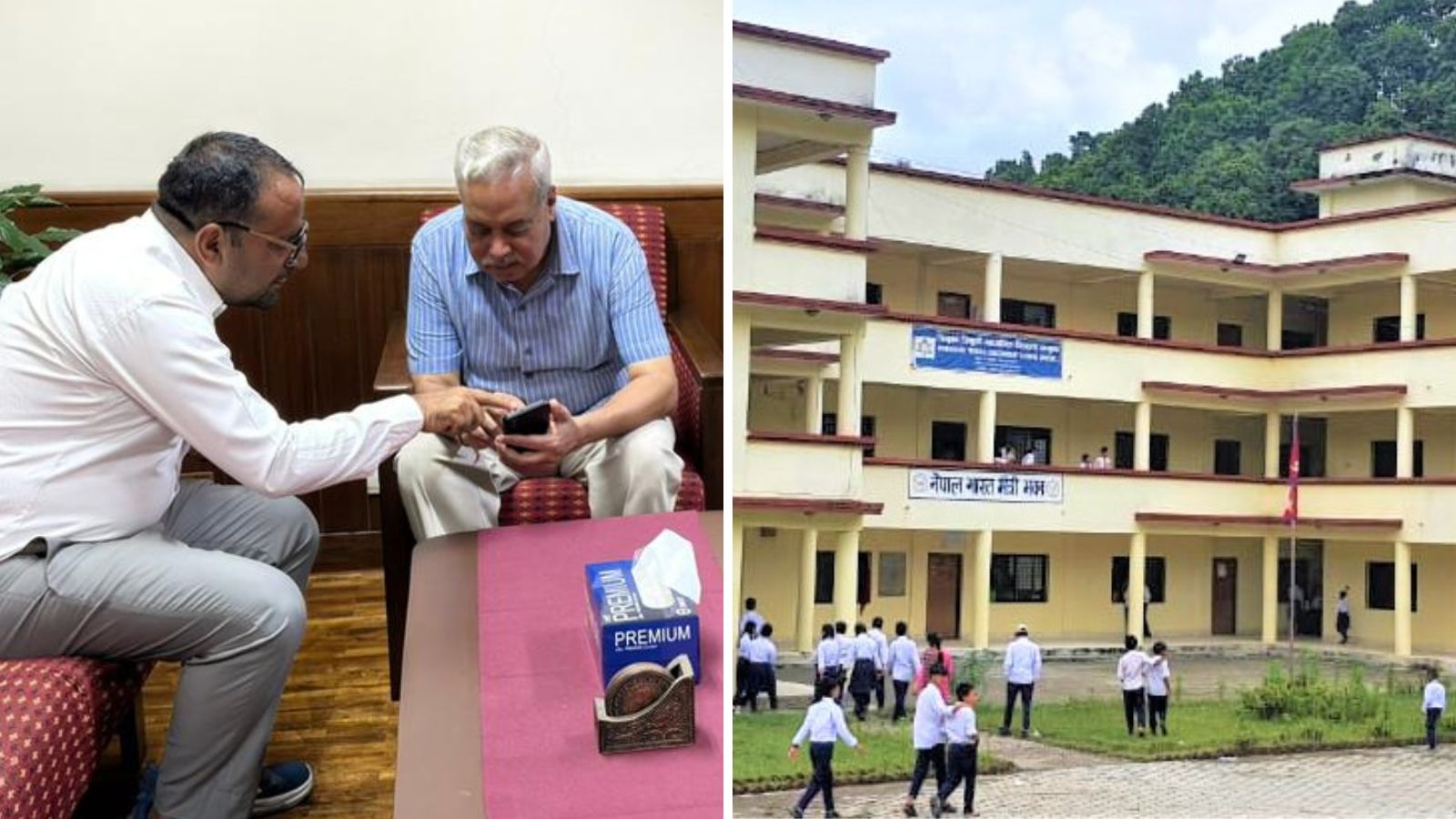
India to Rebuild Nepal School After Principal Saves 1,600
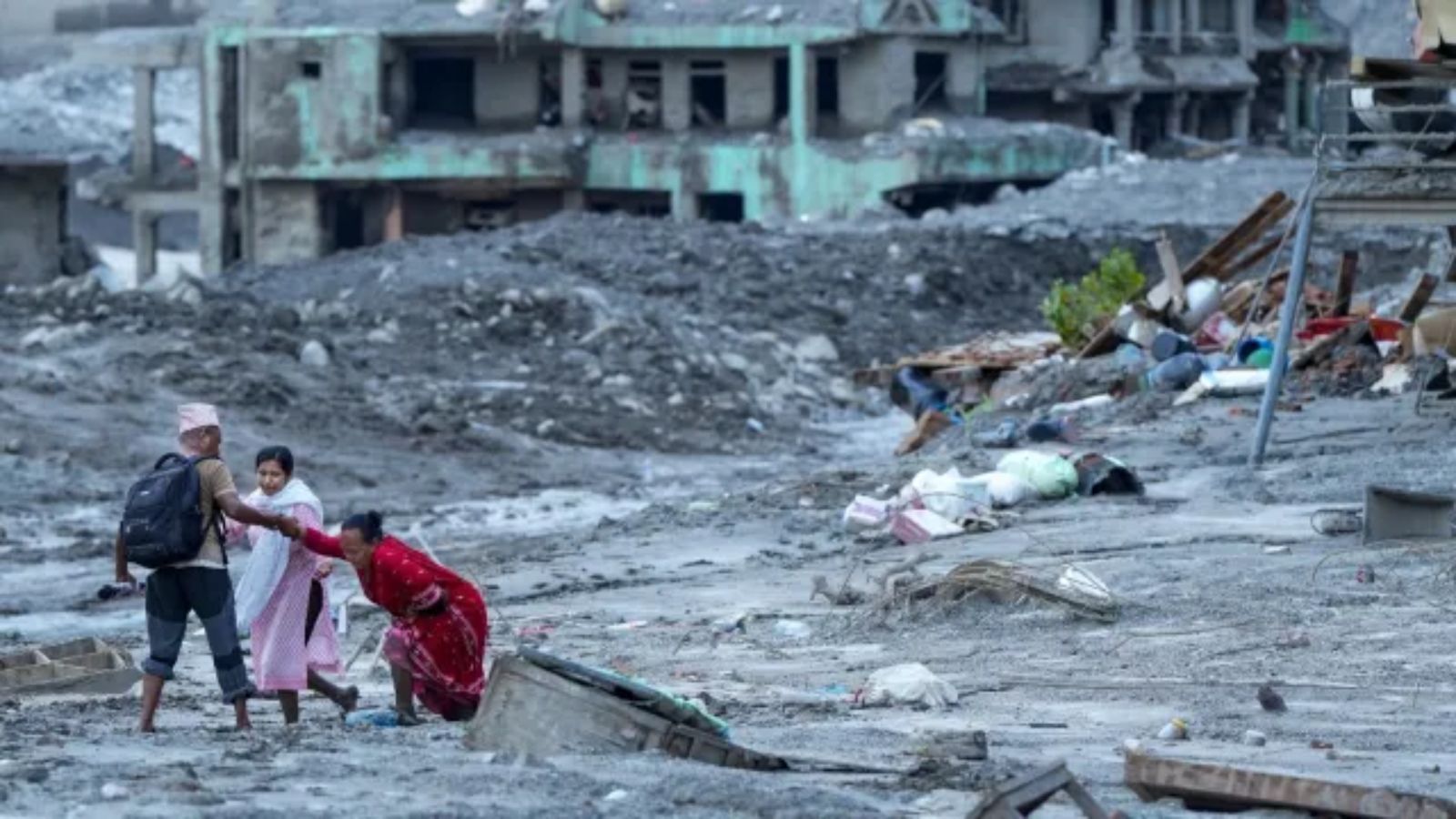
Maharashtra Mountaineers Join Search for Missing Nepal Trekkers
