7 months ago
China Advances Space Tourism and Deep Space Exploration

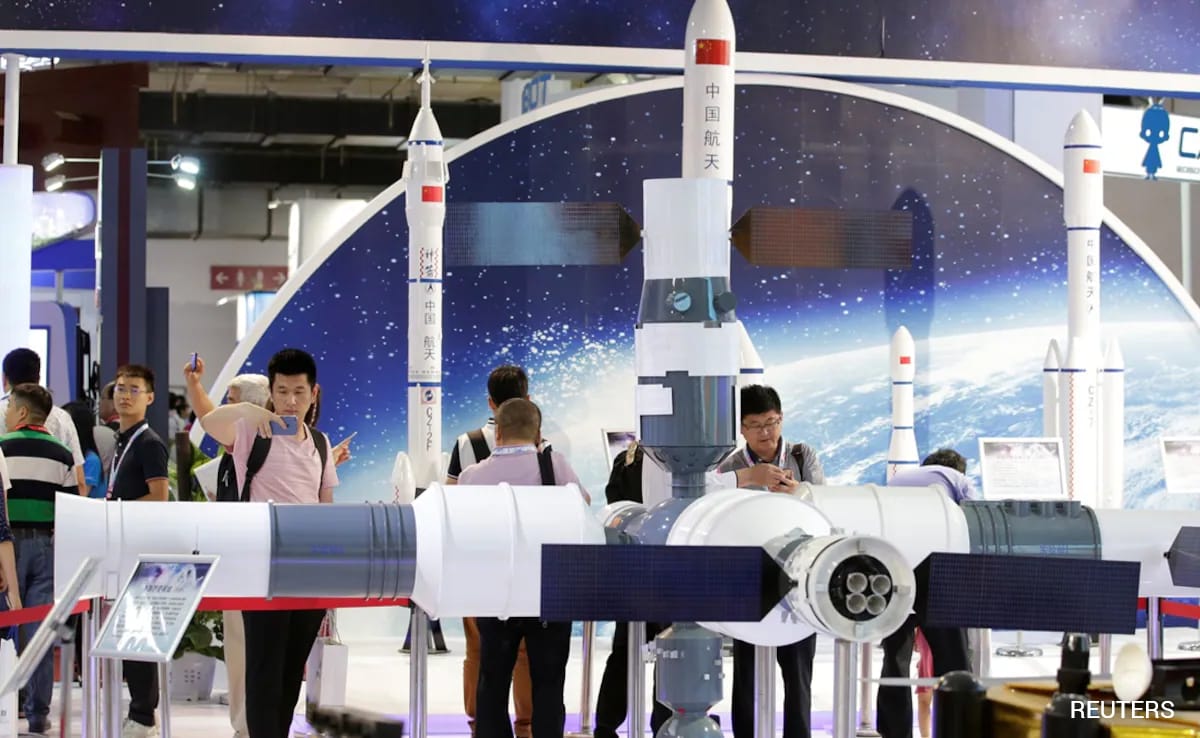
China is planning to become a leader in space tourism and deep space exploration.
They want to send people on space trips and build a big network of satellites.
China had a lot of space launches last year and is working on new technologies.
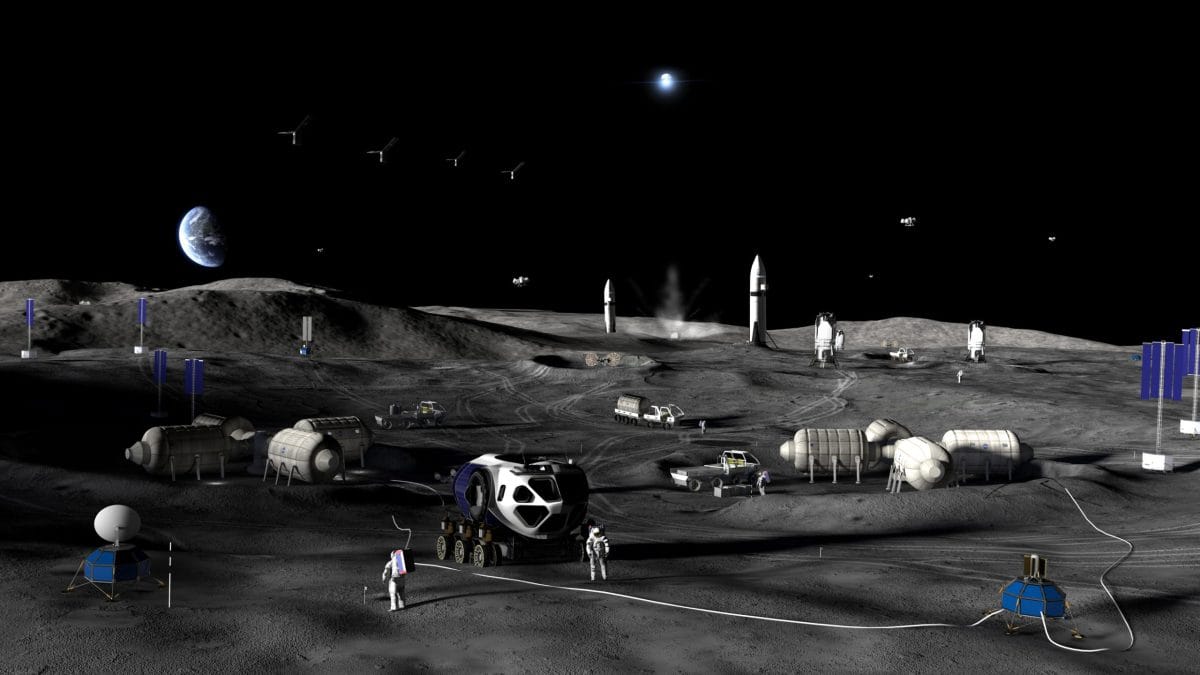
They also brought back samples from the far side of the moon.
China is competing with the U.S., especially with companies like SpaceX, to be the best in space.
They are investing in education and research to make this happen.
China is also focusing on technologies like space debris monitoring and setting international standards for spaceflight.
The U.S. is already ahead in some areas, like reusable rockets, but China is working hard to catch up.

China plans to develop suborbital and orbital space tourism in the next five years.
CASC aims to build a gigawatt-level space digital intelligence infrastructure.
China had 93 space launches in 2023 and plans to launch 200,000 satellites over the next 14 years.
China's Chang’e-6 lunar probe successfully brought back samples from the far side of the moon in 2024.
China is investing in education and research, including a new School of Interstellar Navigation, to foster space talent.
- Who
- China Aerospace Science and Technology Corporation (CASC) and China
- What
- Development of space tourism, deep space exploration, and satellite constellations
- Where
- China, with plans for lunar research and interstellar navigation
- When
- Next five years and beyond, with specific plans for 2045
- Why
- To become a world-leading space power, compete with the U.S., and exploit strategic advantages of space dominance
China
United States
Space Tourism
China
China plans to develop suborbital and orbital space tourism in the next five years.
United States
The U.S., particularly SpaceX, already has operational orbital space tourism with reusable rockets.
Satellite Constellations
China
China aims to launch 200,000 satellites over the next 14 years to compete with U.S. dominance in low Earth orbit.
United States
The U.S., led by SpaceX's Starlink, currently holds a near-monopoly on low Earth orbit satellites.
Reusable Rockets
China
China is working on reusable rocket technology but has not yet completed a successful test.
United States
The U.S. has already achieved reusable rocket technology with SpaceX's Falcon 9, which is crucial for cost reduction and commercial viability.
Key facts
- Organization
- China Aerospace Science and Technology Corporation (CASC)
- Goal
- Become a world-leading space power by 2045
- Space Tourism
- Suborbital and orbital space tourism development
- Space Infrastructure
- Gigawatt-level space digital intelligence infrastructure
- Space Launches
- 93 space launches in 2023
- Satellite Plans
- 200,000 satellites in orbit over the next 14 years
- Lunar Mission
- Chang’e-6 lunar probe brought back samples from the far side of the moon in 2024
- Competition
- U.S. rivalry, particularly with SpaceX
- Education
- Inaugurated School of Interstellar Navigation to foster space talent
- Technological Focus
- Small celestial resource exploration, intelligent mining, space debris monitoring, and international space traffic management
Quotes

Xinhua
Chinese state-run press agency
“The next 10 to 20 years will be a window for leapfrog development in China's interstellar navigation field. Original innovation in basic research and technological breakthroughs will reshape the pattern of deep space exploration.”
 NDTV
NDTV