5 days ago
Glacial Floods Expose the Growing Himalayan Disaster Threat
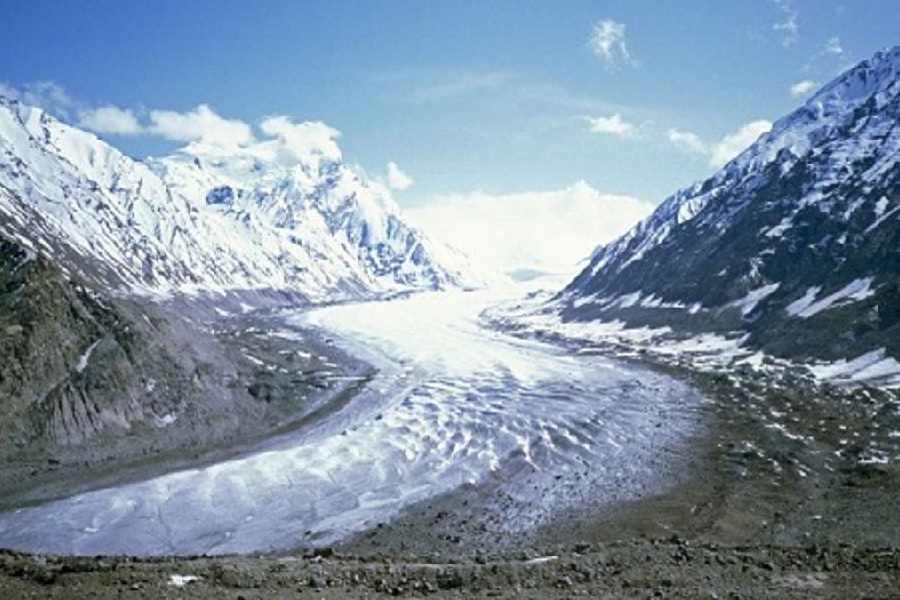
A very large flood struck central Nepal after a glacier in Tibet collapsed.
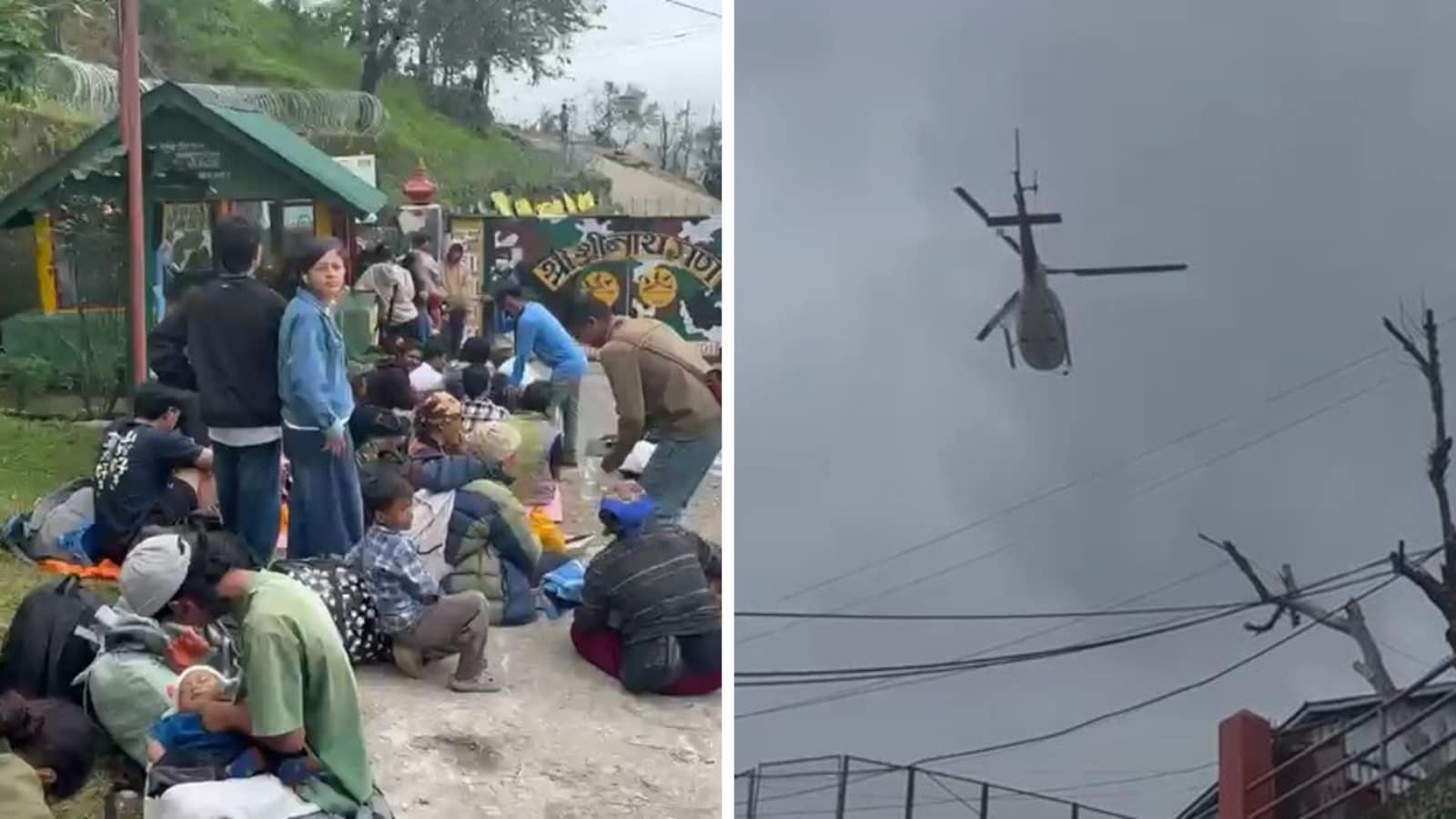
More than 350 people have died in Nepal, and many people are still missing.
Some victims were visitors from other countries, including India.
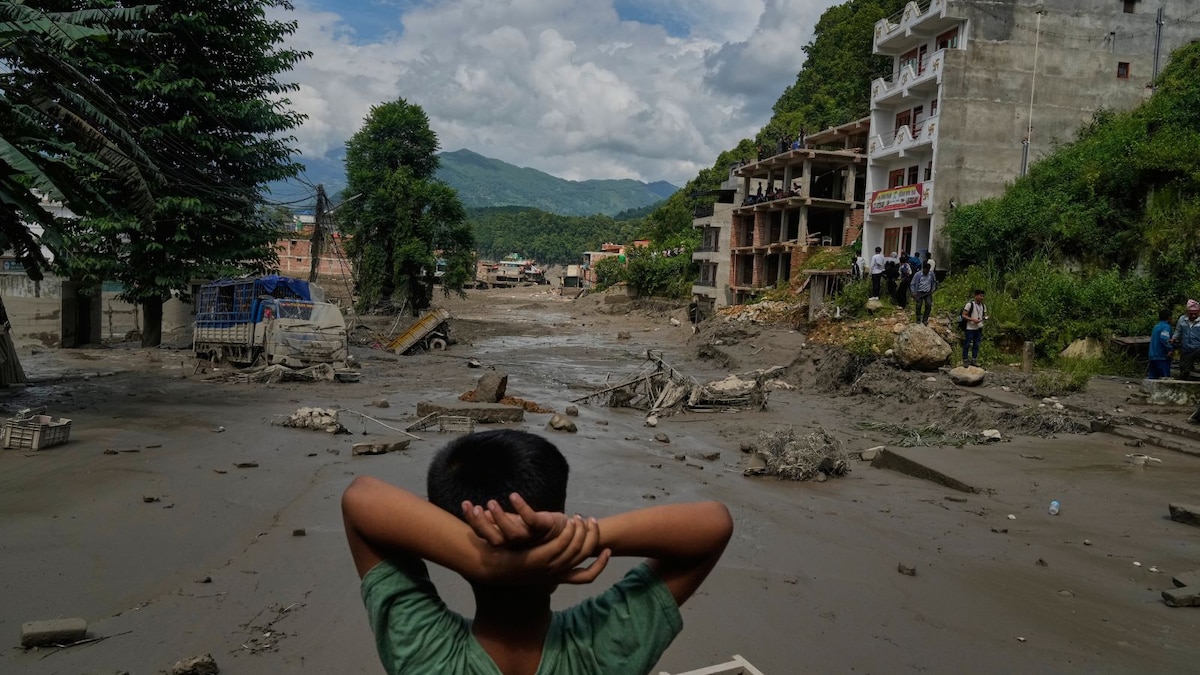
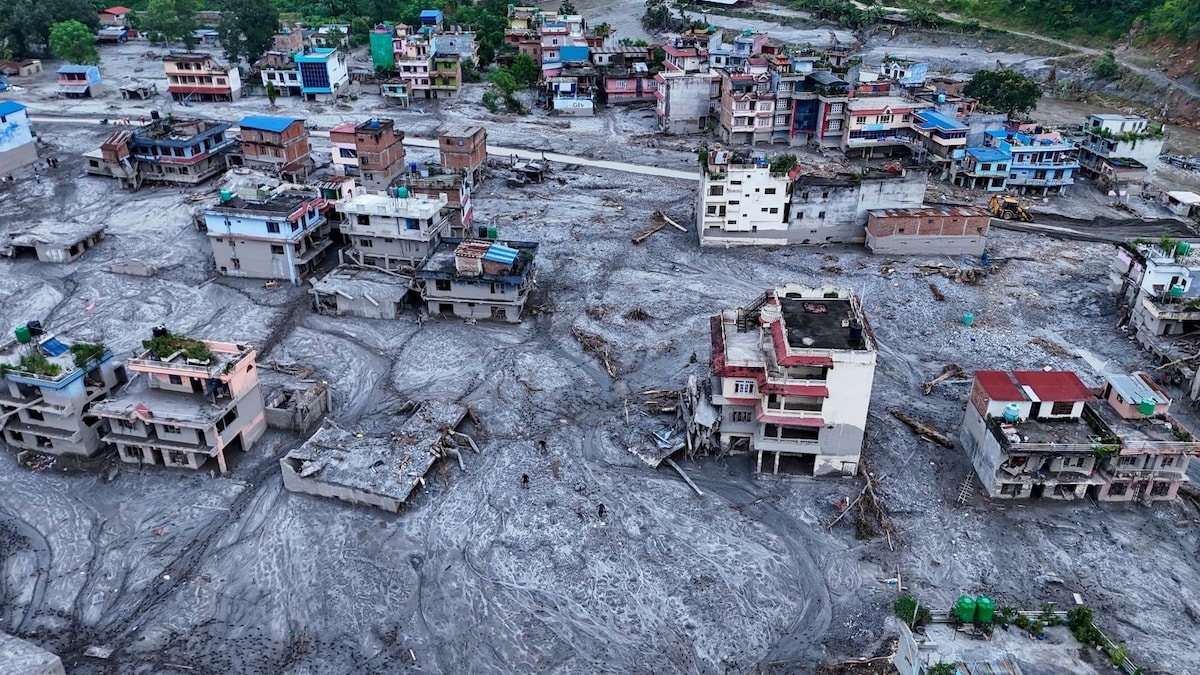
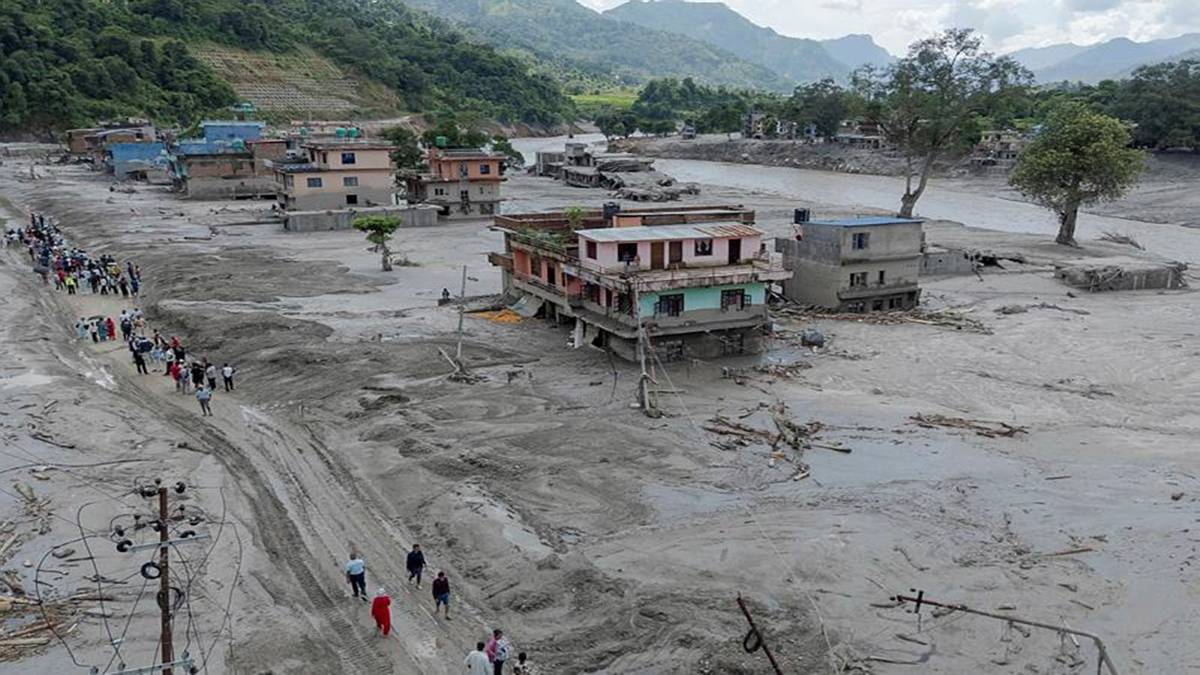
The flood carried water, rocks and debris, causing widespread destruction.
Scientists first thought an earthquake might have caused the disaster, but the United States Geological Survey later identified a glacial collapse as the cause.
Water levels in nearby lakes may still rise and create another flood.
Rivers crossing borders could also put parts of India at risk.
The editorial says Himalayan countries should work together to watch glaciers and warn people earlier.
It also says that harmful construction and climate change may make such disasters more common.

More than 350 people have died in Nepal, with many others missing after a flash flood originating in Tibet.
The disaster was initially linked to an earthquake, but the United States Geological Survey attributed it to glacial collapse, flooding and debris flow.
Rising lake waters could cause another flood, while downstream areas of Bihar and eastern Uttar Pradesh remain vulnerable.
Indian citizens make up the largest share of reported dead, and several others—including people from Calcutta—are missing.
The editorial calls for better glacial-lake monitoring, early-warning systems, regional cooperation and less ecologically damaging construction.
- Who
- More than 350 people in Nepal have died, many remain missing, and victims include citizens of several countries, especially India; the Narendra Modi government has offered assistance.
- What
- A flash flood and debris flow caused by a glacial collapse devastated central Nepal, with substantial casualties also expected in Tibet.
- Where
- The flood originated in Tibet and struck central Nepal, with possible downstream risks for Bihar and eastern Uttar Pradesh in India.
- When
- The disaster occurred on Wednesday; the article also references earlier glacial floods in Sikkim three years ago and Chamoli in 2021.
- Why
- The United States Geological Survey attributed the disaster to a glacial collapse; the editorial links the broader risk to glacial lakes, climate change and ecologically harmful development.
Ecological Protection
Development And Geostrategic Needs
Construction in the Himalayas
Ecological Protection
The editorial argues that harmful development and construction should be reduced in the fragile Himalayan region.
Development And Geostrategic Needs
The editorial notes that limiting development may be difficult because of geostrategic imperatives.
Regional Cooperation
Ecological Protection
A transnational system for monitoring glacial lakes and issuing warnings could help countries manage shared risks.
Development And Geostrategic Needs
The article does not identify a specific opposing government position, but emphasizes that affected nations face the challenge of coordinating across borders.
Key facts
- Reported Nepal death toll
- More than 350 people
- Missing people
- Many remain missing in Nepal; several Indians, including residents of Calcutta, are among them
- Cause identified by USGS
- Glacial collapse followed by a flash flood and debris flow
- Potential further danger
- Rising lake waters could trigger a second flood
- Downstream Indian regions at risk
- Bihar and eastern Uttar Pradesh
- Earlier cited glacial disasters
- Sikkim three years ago and Chamoli in 2021
- Editorial recommendations
- Track glacial lakes, install early-warning systems, increase transnational cooperation and limit harmful construction
Sources
Related news

Nepal-China Floods Leave Hundreds Dead and Thousands Missing
Nepal Flash Floods Kill At Least 160, Hundreds Missing
China, Nepal Link Glacier Collapse to Deadly Border Floods

Nepal Flood Tragedy Highlights Need for Himalayan Early Warnings
Nepal Floods Kill 469 as Barrier Lakes Threaten New Deluge
Nepal Floods Expose Need for Himalayan Transnational Cooperation

Nepal Thanks India as Glacial Disaster Rescue Efforts Continue
Nepal Warns of Heavy Rain After Deadly Floods
Nepal Flood Exposes Delayed Alerts and Cross-Border Warning Gaps
Bhotekoshi Flood Crisis: Nepal PM Shah Calls for Courage

Nepal PM Thanks India, China Amid Climate Compensation Demand