1 hr ago
Science Quiz Covers Vehicle Communication, Space, Medicine, Missiles and Time
This quiz tests learners on five science and technology topics.
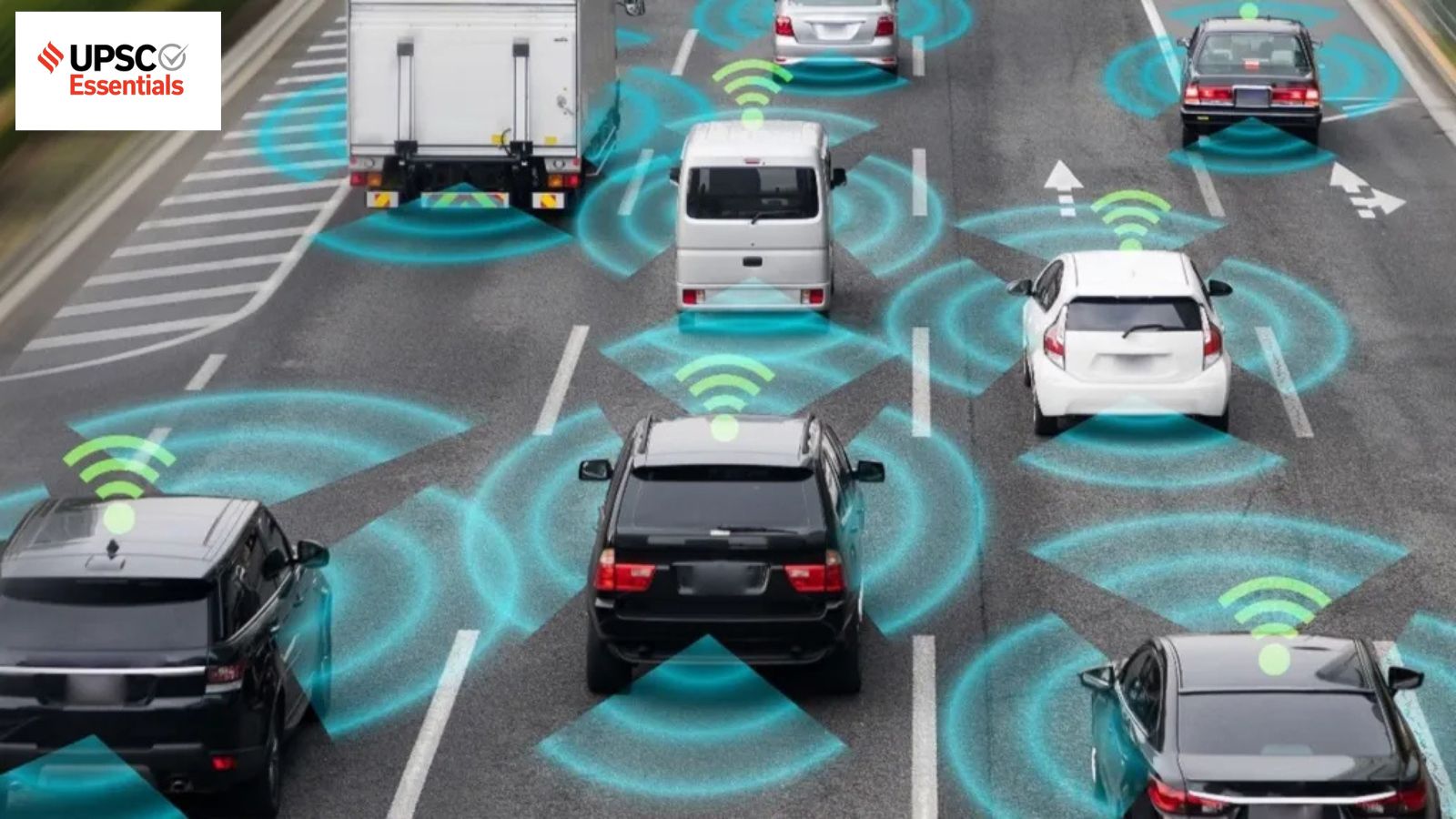
Vehicle-to-vehicle systems allow cars and other vehicles to share safety information wirelessly.
These systems can warn drivers about sudden braking, obstacles and possible crashes.
Lagrange points are places in space where gravity helps spacecraft stay in position.
There are five such points, but only two are stable.
Cold allodynia makes normal cold feel painful for some chemotherapy patients.
It can be a side effect of the drug oxaliplatin.
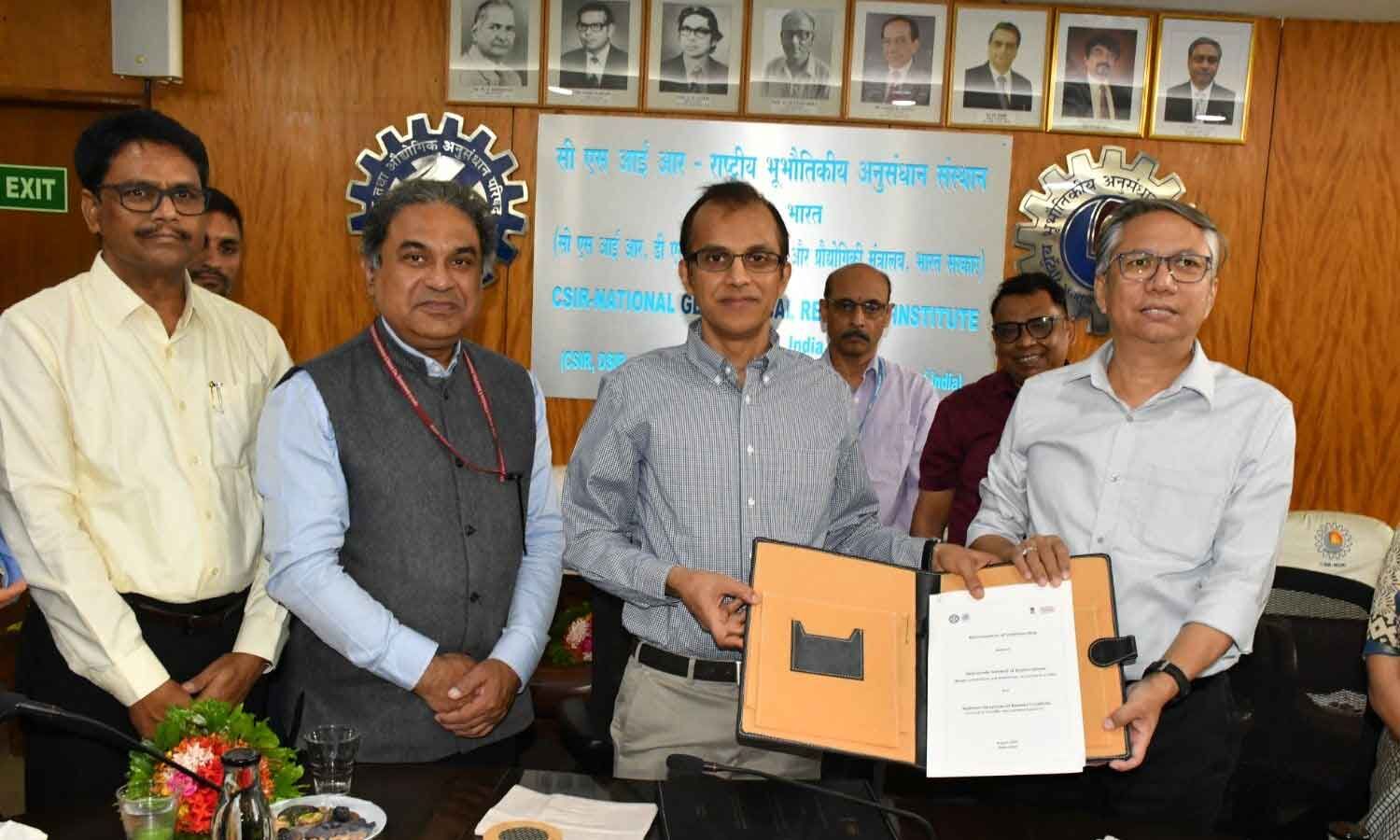
The Javelin is a portable missile that can guide itself after being fired, while CSIR-NPL maintains India’s official national time.

Vehicle-to-vehicle systems use onboard units and C-V2X to exchange real-time safety information, with an approximate range of 300 metres.
The draft 2026 rules would require specified new vehicles to meet AIS-230 V2V standards from October 1, 2027, and install V2V systems from October 1, 2028.
Lagrange points balance gravitational and centripetal forces; five exist, but only L4 and L5 are stable.
Cold allodynia is a chemotherapy-related sensitivity to ordinary cold, associated with oxaliplatin-induced peripheral neuropathy.
The quiz identifies Javelin as a 2.5-kilometre fire-and-forget missile and CSIR-NPL as India’s national timekeeper.
- Who
- The quiz discusses the Union Ministry of Road Transport and Highways, NASA, IISc Bengaluru, TCG-CREST, Javelin users and CSIR-NPL.
- What
- It presents multiple-choice questions on V2V communication, Lagrange points, cold allodynia, the Javelin missile and India’s standard time.
- Where
- The topics concern India’s roads and timekeeping, space missions involving the Sun-Earth system, and research in Bengaluru and Kolkata.
- When
- The material refers to developments and rules from 2025 and 2026, with proposed V2V requirements beginning in 2027 and 2028.
- Why
- The quiz is intended to help UPSC candidates revise important static and current science and technology topics.
Key facts
- V2V technology
- Vehicles exchange real-time information such as speed, location, acceleration and braking.
- V2V range
- The article states that V2V systems usually detect vehicles within about 300 metres.
- V2V standards
- AIS-230 covers radio performance, cybersecurity, communication security and related technical requirements.
- Lagrange points
- There are five points; L1, L2 and L3 are unstable, while L4 and L5 are stable.
- Cold allodynia
- It causes pain or distress from ordinary cold and is associated with oxaliplatin treatment.
- Javelin missile
- The shoulder-fired anti-tank guided missile has a standard effective range of 2.5 kilometres and fire-and-forget guidance.
- India’s standard time
- CSIR-National Physical Laboratory maintains and disseminates Indian Standard Time.
Sources
Related news
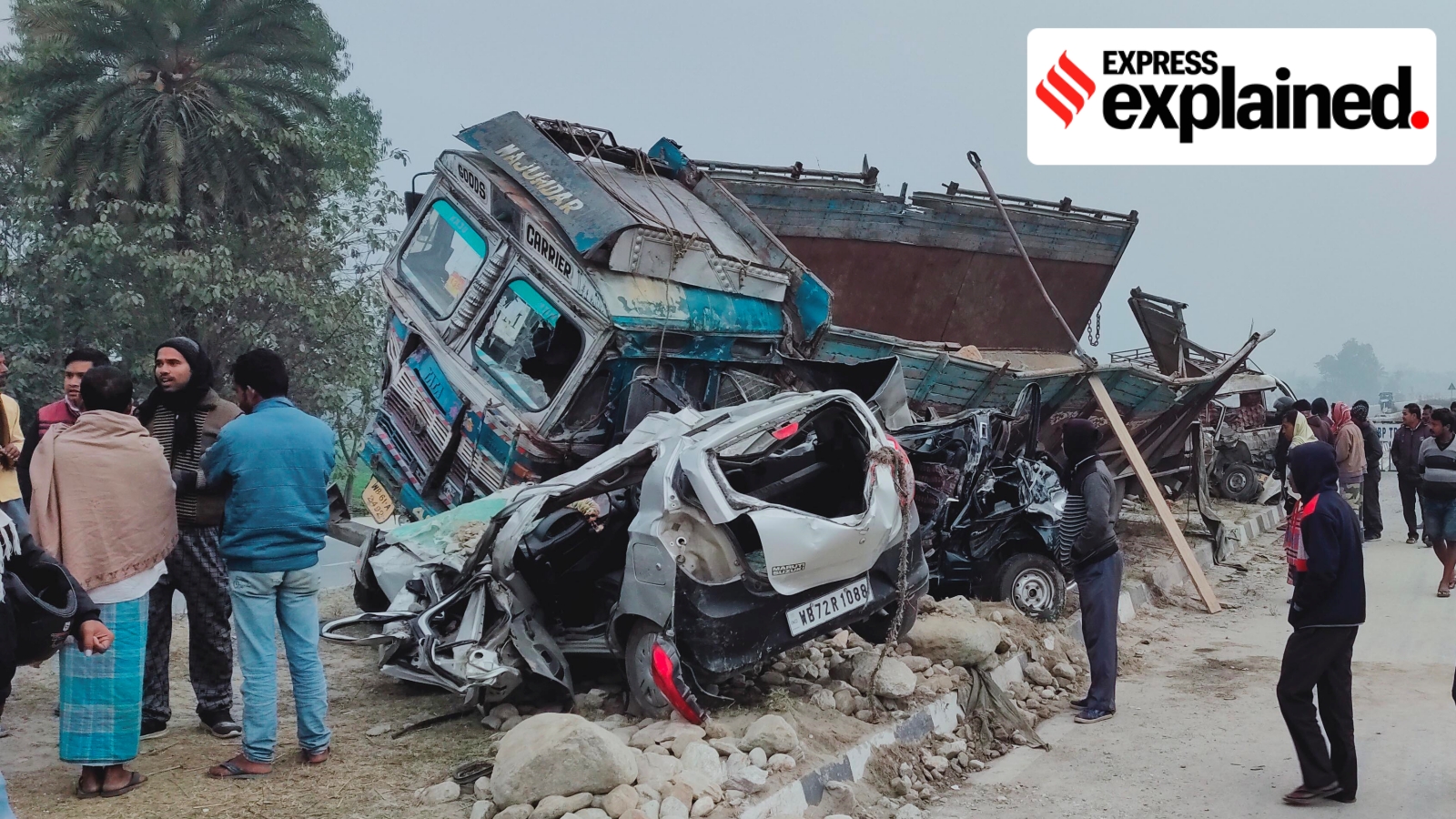
India Proposes Vehicle-to-Vehicle Systems to Reduce Road Deaths

Indian Government Proposes Mandatory V2V Technology in Vehicles by 2028

India proposes mandatory vehicle-to-vehicle communication for new vehicles
UPSC Key Tracks Talking Cars, Glaciers, Treaties And Growth

Hyundai India targets 1 million connected car sales by 2027

India's R&D Ecosystem Faces Hurdles On Path To Knowledge Economy

New model maps Delhi’s traffic noise across urban landscape

Allahabad University Opens PhD Admissions For 2026-27 Session
India’s New IST Rules Put Critical Systems On One Clock