

1 week ago
Powerful El Niño Could Make 2027 Hottest Year
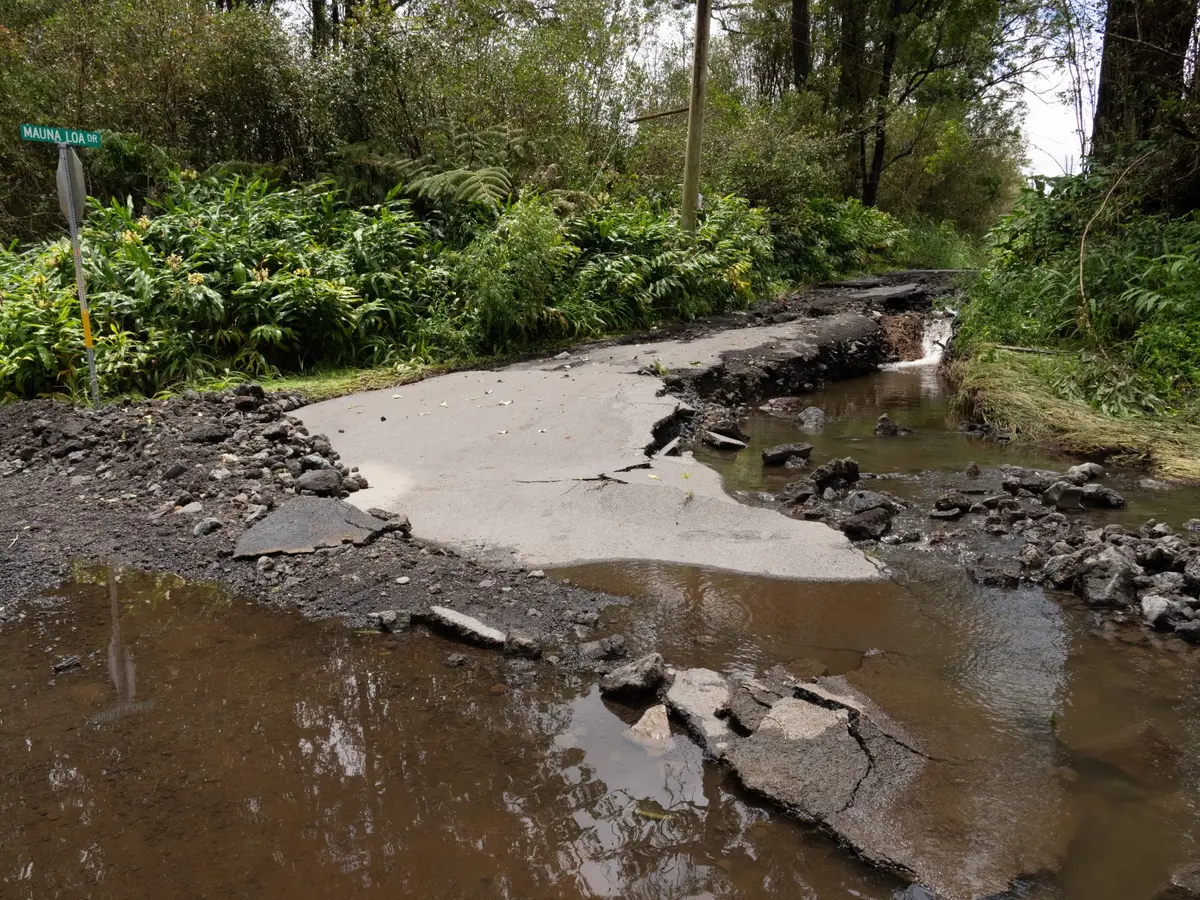
El Niño is a natural pattern that changes ocean temperatures and weather around the world.
It happens when Pacific trade winds weaken and warm water moves eastward.
Forecasters think the developing event could be unusually strong.
Pacific waters may become more than 3°C warmer than normal later in 2026.
This extra heat could help make 2027 the hottest year ever measured.
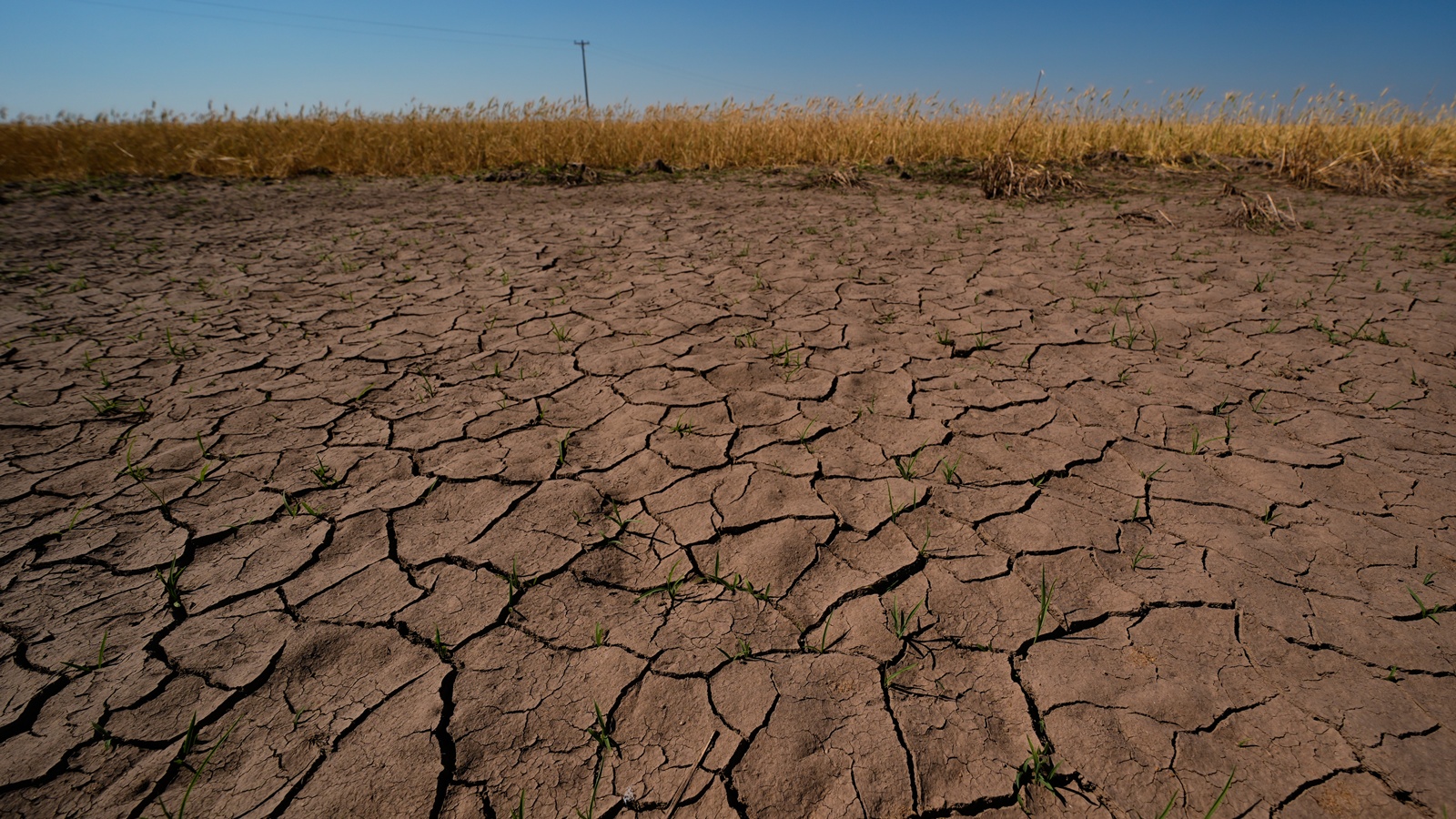
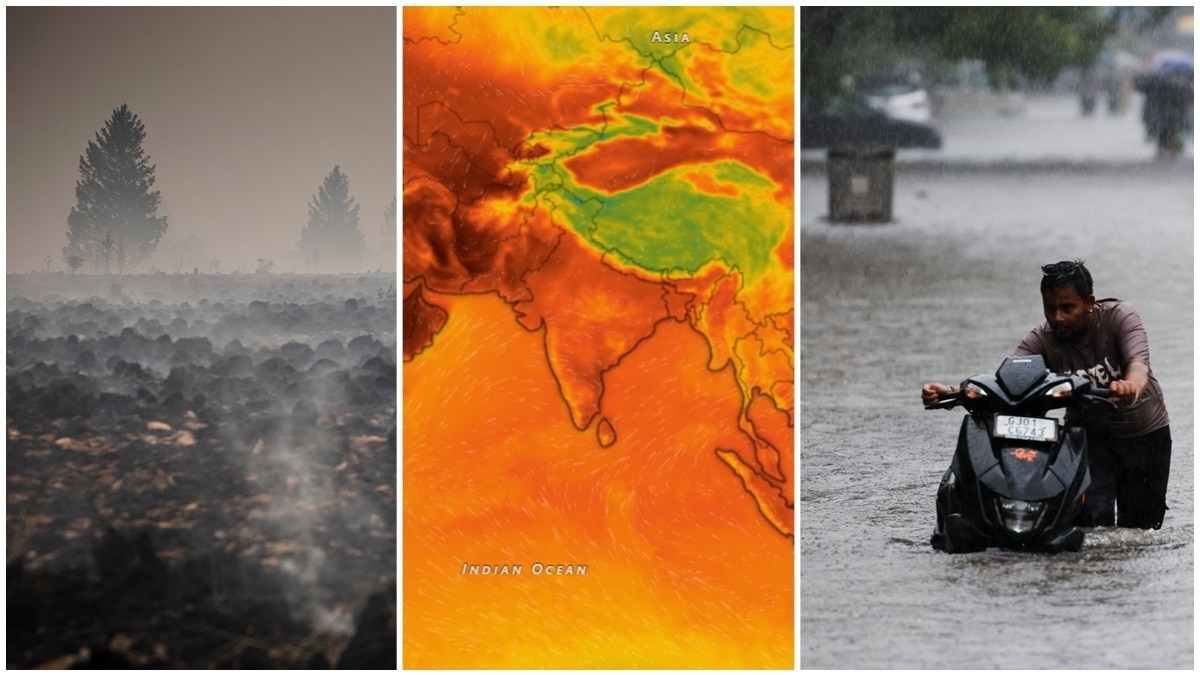
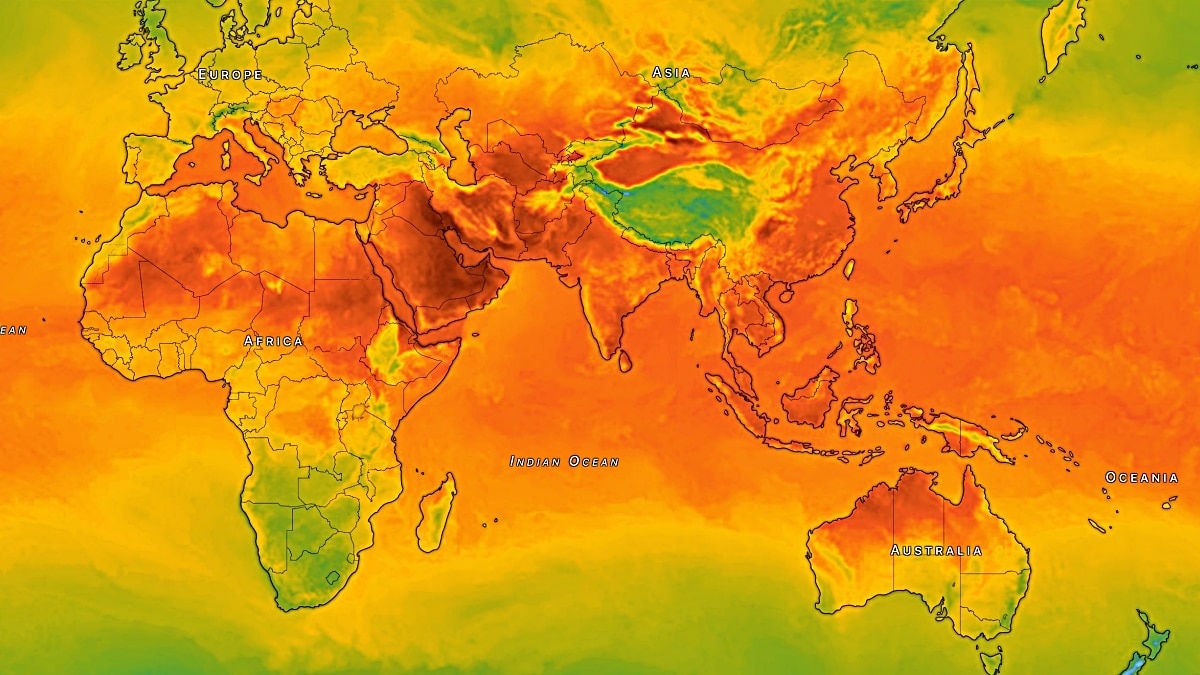
Some places may experience more drought, fires or heat, while others may get heavier rain and storms.
Britain is not guaranteed to have a particular kind of weather, but it could face a wetter and stormier autumn.
Scientists are still studying how much human-caused warming changes El Niño itself.

The UK Met Office says a developing El Niño could be the strongest in living memory.
Equatorial Pacific sea-surface temperatures could exceed 3°C above average later in 2026, with some researchers forecasting up to 4°C.
The Met Office says 2027 is very likely to surpass 2024 as the warmest year on record.
The event could alter rainfall, drought, wildfire, agriculture and food supplies worldwide, while Britain may face a wetter, stormier autumn.
Scientists agree global warming can amplify some El Niño impacts, but they remain divided over whether climate change makes El Niño itself stronger.
- Who
- The UK Met Office and climate scientists, including Adam Scaife, issued or contributed to the warning.
- What
- A developing El Niño could become the strongest in living memory and make 2027 the warmest year on record.
- Where
- The event is developing in the equatorial Pacific Ocean, with possible effects across Britain and other regions worldwide.
- When
- The event is expected to intensify and approach its peak later in 2026, with its potential global temperature effect highlighted for 2027.
- Why
- Weakened Pacific trade winds allow warm water to move eastward, releasing heat and changing global weather patterns.
Evidence for stronger El Niño impacts
Scientific cautions and uncertainty
Strength of the developing event
Evidence for stronger El Niño impacts
The Met Office says the event could be the strongest since at least the 19th century, while NOAA assigns a 69% probability that it will be the strongest in its dataset since 1950.
Scientific cautions and uncertainty
There is no single universally accepted measure of El Niño intensity, and some forecasts differ on how strong the event will ultimately become.
Climate change and El Niño strength
Evidence for stronger El Niño impacts
Some climate records, coral evidence, historical measurements and modelling suggest El Niño events may have strengthened by about 10% over the past century; a warmer atmosphere can also intensify rainfall and drought effects.
Scientific cautions and uncertainty
The World Meteorological Organization says there is currently no evidence that global warming is increasing the frequency or strength of El Niño, and researchers say the relationship remains under study.
Effects on Britain
Evidence for stronger El Niño impacts
Long-range forecasts indicate Britain could face a wetter and stormier autumn, while global disruptions could affect food supplies and prices.
Scientific cautions and uncertainty
El Niño does not guarantee a particular British weather outcome; its effects vary by region, and scientists stress that individual impacts are not certain.
Key facts
- Current temperature record
- 2024 is identified as the warmest year currently on record.
- Forecast warmest year
- The Met Office says 2027 is very likely to surpass 2024.
- Pacific temperature forecast
- Equatorial Pacific sea-surface temperatures could rise more than 3°C above average later in 2026.
- Typical El Niño warming
- A typical El Niño raises sea-surface temperatures by about 1°C to 2°C; 2°C is considered a major event.
- NOAA probability
- NOAA estimates a 69% chance that the event will be the strongest in its dataset, which begins in 1950.
- Potential global effects
- El Niño can alter rainfall, drought, wildfires, agriculture, food production and temperatures.
- Possible UK effect
- Long-range forecasts point to a greater risk of a wet and stormy autumn in Britain, although specific impacts are not guaranteed.
Quotes
Prof Adam Scaife
Head of long-range forecasting at the UK Met Office
“We should be clear that this is an unprecedented event, I have never seen an El Nino signal this intense in our forecasts.”
 wionews.com
“will far exceed our recent experience of El Niño and its worldwide climate influences”
 easterneye.biz
Michelle L'Hureux
Climate scientist at the US National Oceanic and Atmospheric Administration
“we can expect to see more of these expected El Niño impacts”
easterneye.biz
Sources

Related news

Record-Strength El Niño Could Bring Extreme Global Weather
Powerful El Niño Could Make 2027 Hottest Year
Potential 2026 Super El Niño Could Rewrite Global Weather Records

Strong El Niño Threatens India’s Monsoon, Raises 2027 Heat Risk
Possible Super El Niño Could Reshape 2026–27 Weather Patterns
UNEP Report Says 1.5°C Breach Is Now Inevitable

Melting Himalayan Glaciers Raise Risk of Downstream Floods

Record Ocean Warmth Signals Climate Change Entering Unfamiliar Territory
Climate Risks Rise as Extreme Weather Threats Intensify Worldwide
