1 week ago
Why Himalayan Roads Keep Washing Away After Heavy Rain

Mountain roads are built by cutting into steep slopes, so they depend on the hillside staying stable.
Very heavy rain fills the spaces in the soil and makes the slope heavier.
Water pressure can then help the soil and rocks slide downhill, taking the road with them.
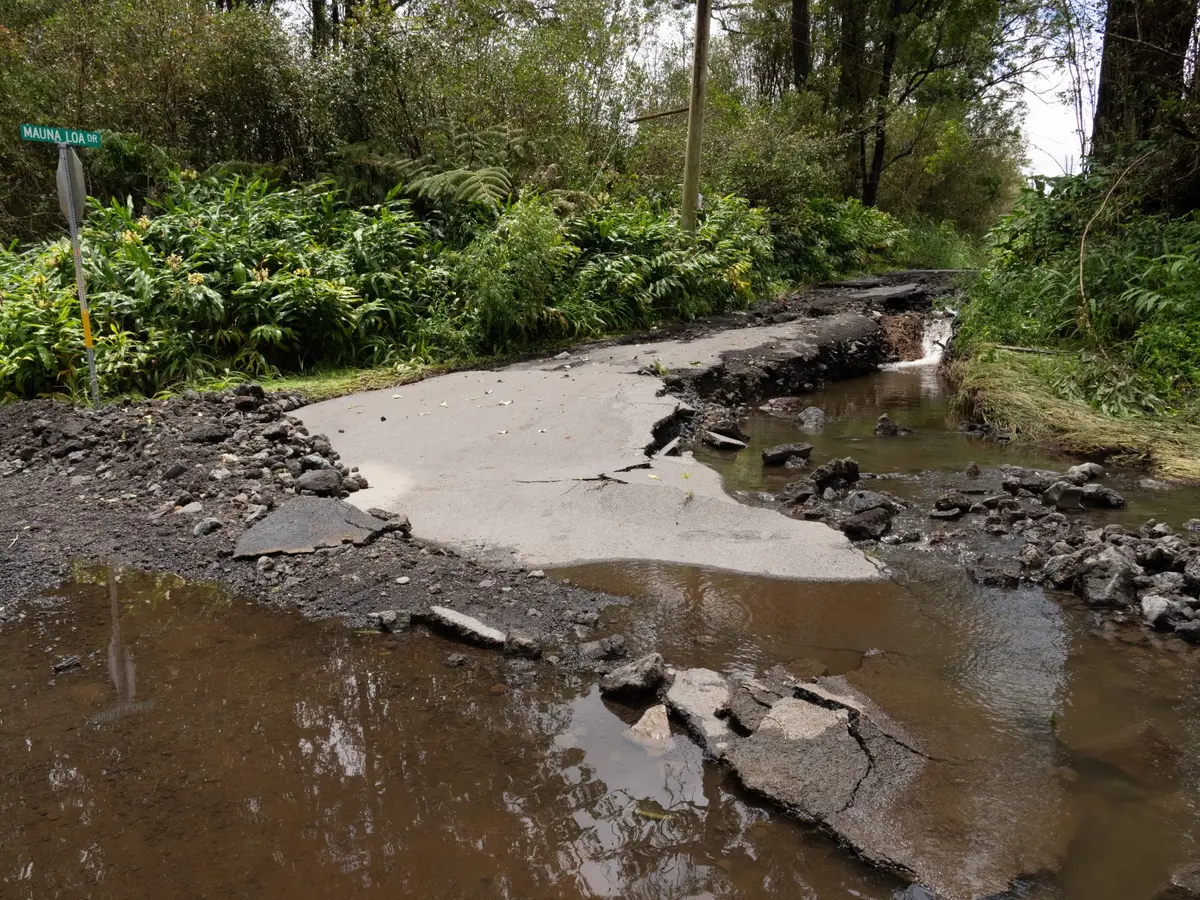
This is what happened near Syanachatti in Uttarakhand.
Landslides have always occurred in the Himalayas, so climate change did not create them.
But warmer air can hold more water, which can make intense rain stronger.
Roads that are widened or built without managing natural drainage can also weaken slopes.
Scientists found more landslides along widened sections of one Himalayan highway.
Better monitoring, warning systems and careful road construction may help reduce the danger.

A landslide at Syanachatti in Uttarakhand washed away nearly 100 metres of the Yamunotri National Highway in July 2026.
About 100 pilgrims were stranded for two days before rescuers guided them across an alternative route using a rope.
Heavy rain that weekend blocked around 120 roads in Uttarakhand, including three national highways.
A study of the Rishikesh–Joshimath highway found 309 landslides after the 2022 monsoon, with roughly twice the landslide density on widened sections.
Climate change can intensify extreme rainfall, while road construction, altered drainage and removed vegetation can make slopes more vulnerable.
- Who
- Around 100 pilgrims, rescuers, road users and communities in Uttarakhand were affected; researchers and the IPCC provide analysis of the causes.
- What
- A landslide washed away nearly 100 metres of the Yamunotri National Highway and formed part of a wider pattern of rain-related road blockages.
- Where
- At Syanachatti in Uttarkashi district, Uttarakhand, on the Yamunotri National Highway.
- When
- The washout occurred in July 2026 after days of incessant rain; the comparison study examined damage after the 2022 monsoon.
- Why
- Intense rainfall saturated and destabilized the slope, while road widening, altered drainage, slope cutting and vegetation removal can increase vulnerability; climate change may make extreme rainfall heavier.
Rainfall and Climate Drivers
Construction and Slope Management
Main trigger
Rainfall and Climate Drivers
Heavy rain, including cloudbursts, saturates soil, increases water pressure and can trigger landslides.
Construction and Slope Management
Rain alone does not explain all failures; the effects depend on slope conditions, rock type and how the road has changed the hillside.
Why risk may be increasing
Rainfall and Climate Drivers
A warmer atmosphere can hold more moisture, and intense rainfall extremes are becoming more frequent as the planet warms.
Construction and Slope Management
Cutting into slopes, widening roads, removing vegetation and changing drainage can make already fragile mountain slopes less stable.
How to respond
Rainfall and Climate Drivers
Reducing climate-driven rainfall risks requires recognizing that heavier downpours can overwhelm vulnerable slopes.
Construction and Slope Management
Monitoring slopes, improving warnings, managing water and designing roads around mountain behaviour can reduce damage rather than repeatedly rebuilding roads.
Key facts
- Road damage
- Nearly 100 metres of the Yamunotri National Highway was washed away.
- People stranded
- Around 100 pilgrims were left stranded and guided across an alternative route by rope.
- Wider disruption
- Around 120 roads, including three national highways, were blocked during the same weekend.
- Study area
- Researchers examined a 247-kilometre stretch of the Rishikesh–Joshimath highway.
- Landslides recorded
- The study identified 309 landslides after the 2022 monsoon.
- Road widening finding
- Landslide density was about twice as high along widened sections after accounting for other factors.
- Rainfall and warming
- The IPCC states that air can hold around 7% more water vapour for every 1°C of warming.
Quotes
Parent
A parent explaining landslides and saturated mountain soil to a child.
“The air is getting warmer, and warmer air holds more water. So when a big rain comes, it can come down harder than it used to. That's the part climate change is changing — not the mountain, but how heavy the rain that hits it can be.”
 thebetterindia.com
“Imagine a sponge. It soaks up some water, but if you keep pouring, it gets full and heavy. Mountain soil does the same — and then part of the slope can slide down, taking the road with it.”
thebetterindia.com
Sources
Related news

Extreme Himalayan rainfall driven by climate change, human factors: Govt
Bus narrowly escapes landslide as 114 Himachal roads close
Climate Change, Landslides and Glacial Debris Behind Himalayan Floods
UNEP Report Says 1.5°C Breach Is Now Inevitable

Melting Himalayan Glaciers Raise Risk of Downstream Floods

Record Ocean Warmth Signals Climate Change Entering Unfamiliar Territory
Climate Risks Rise as Extreme Weather Threats Intensify Worldwide