

1 week ago
Record-Strength El Niño Could Bring Extreme Global Weather

El Niño is a natural warming pattern in the tropical Pacific Ocean.
It happens when normal winds weaken and warm water moves eastward.
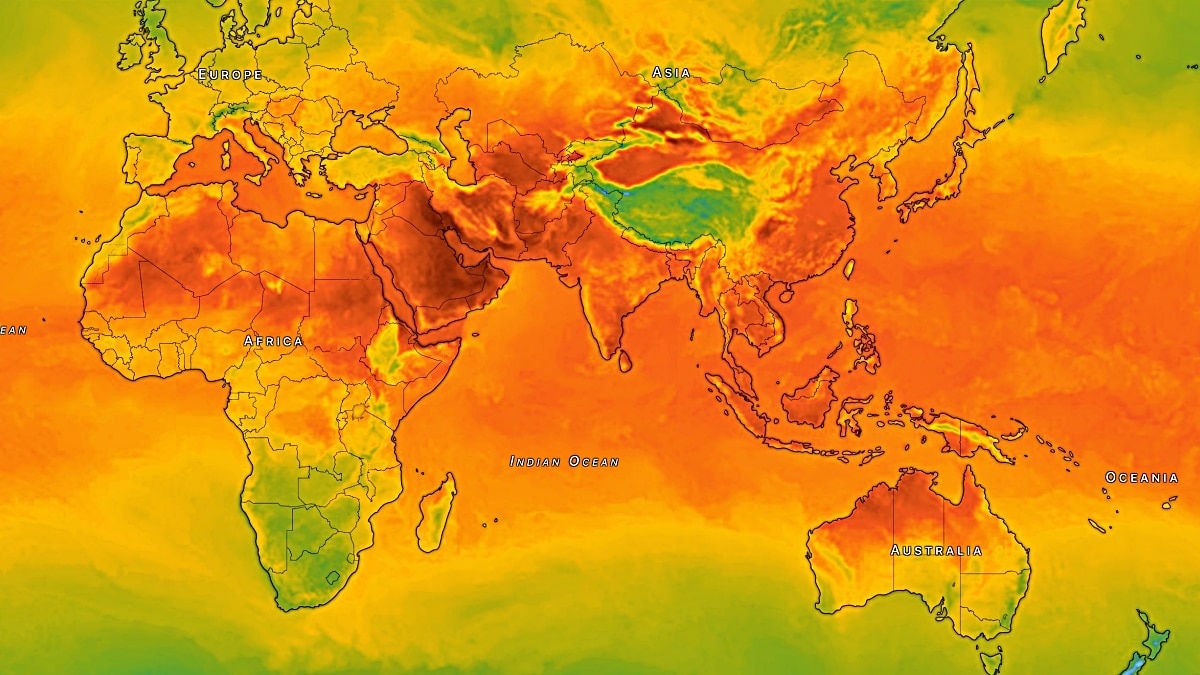
This can change weather around the world.
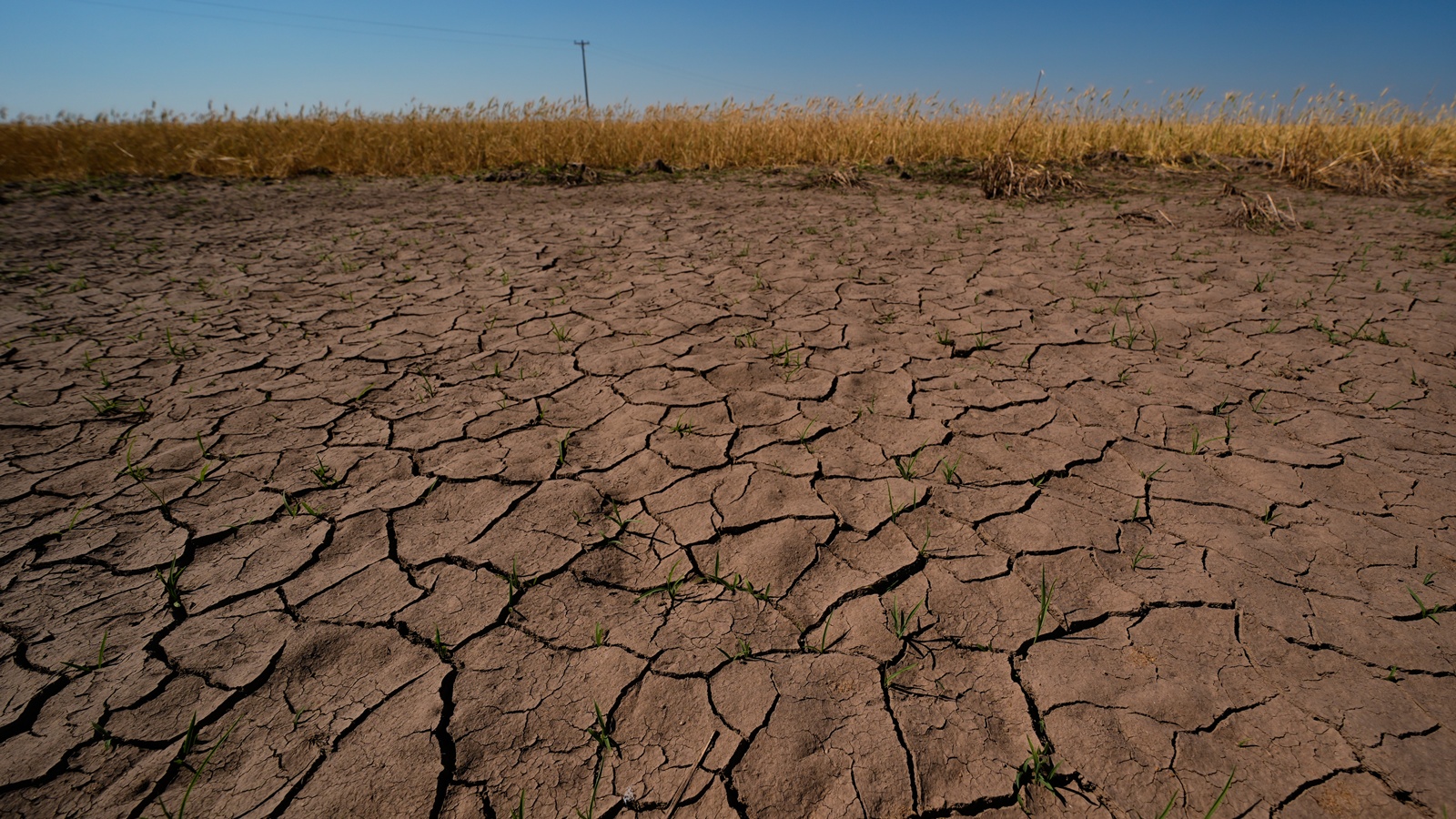
Some places may become hotter and drier, while others may become cooler and wetter.
Scientists say this year's El Niño could be unusually strong.
It may help make 2027 the hottest year ever measured.
Human-caused climate change can make El Niño's rains, heat and droughts more extreme.
Scientists are still studying whether climate change also makes El Niño itself stronger.
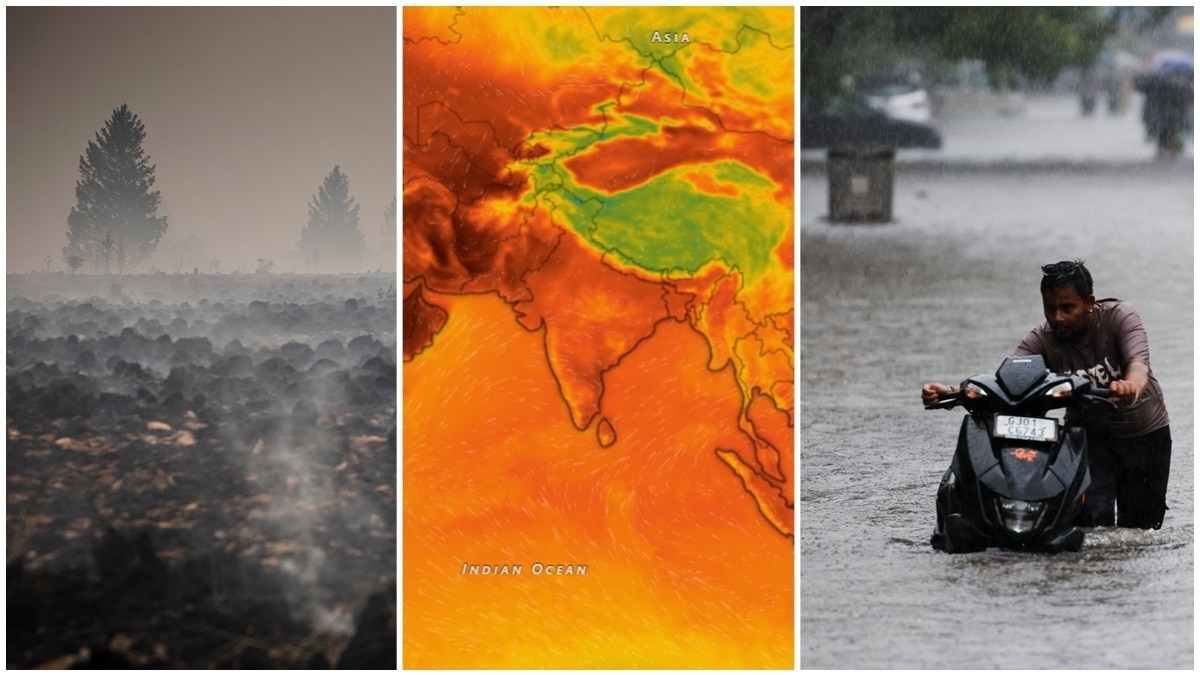
The event is already linked to a long, intense dry season and wildfires in Indonesia.

This year's El Niño could be the most intense in more than a century, according to the UK's Met Office.
Sea temperatures in the Pacific's Niño 3.4 region are about 2.6°C above the rolling 30-year average.
Forecasts suggest the event could peak at a 3.9°C anomaly in November, exceeding the 3°C anomaly recorded in 2015.
El Niño could help make 2027 the hottest year on record, with an estimated temperature 1.76°C above preindustrial levels.
Climate change is expected to intensify El Niño-related heat, rainfall and drought, although its effect on El Niño's strength remains uncertain.
- Who
- The UK's Met Office, the National Oceanic and Atmospheric Administration, and climate scientists are assessing the El Niño event.
- What
- A potentially record-strength El Niño is developing in the tropical Pacific and may cause extreme weather worldwide.
- Where
- It is centered in the tropical Pacific, with possible effects across the globe; Indonesia is already experiencing related dry conditions.
- When
- The event is expected to peak in November, with much of its global temperature effect potentially appearing in 2027.
- Why
- Weakened trade winds allow warm Pacific water to move eastward, while climate change can amplify the resulting heat, rainfall and drought.
Evidence of Stronger Climate Effects
Scientific Caution
Climate change and El Niño intensity
Evidence of Stronger Climate Effects
Evidence from coral records, historical instruments and climate models suggests El Niño amplitude may have increased by about 10% over the past century.
Scientific Caution
Scientists agree climate change intensifies El Niño's impacts, but there is less agreement about whether climate change directly causes stronger El Niño events.
Confidence in the forecast
Evidence of Stronger Climate Effects
Current forecasts indicate this could be the strongest El Niño in the available records and could make 2027 exceptionally hot.
Scientific Caution
Researchers caution that El Niño impacts are not guaranteed, different measurement methods produce different values, and the projections depend on model forecasts.
Key facts
- Current Niño 3.4 anomaly
- About 2.6°C above the rolling 30-year average.
- Forecast peak
- Aggregated forecasts suggest a 3.9°C anomaly in November.
- Previous comparison
- The 2015 El Niño reached a reported 3°C anomaly.
- Strongest-event probability
- The National Oceanic and Atmospheric Administration estimates a 69% chance that this will be the strongest event in its dataset dating to 1950.
- Projected 2027 warming
- Calculations cited in the article estimate 1.76°C above preindustrial levels.
- Estimated temporary contribution
- El Niño could add about 0.3°C to the long-term global warming trend.
- Current impact
- Indonesia's prolonged dry season has contributed to wildfires burning hundreds of thousands of hectares.
Quotes
Michelle L'Heureux
ENSO team lead at NOAA's Climate Prediction Center
“It's not inconceivable that 2027 may top out at 1.7 degrees Celsius above preindustrial levels”
 NDTV
NDTV
“Stronger events mean that we can expect to see more of these expected El Nino impacts”
NDTV
Sources
Related news

Powerful El Niño Could Make 2027 Hottest Year
Powerful El Niño Could Make 2027 Hottest Year

Strong El Niño Threatens India’s Monsoon, Raises 2027 Heat Risk
Possible Super El Niño Could Reshape 2026–27 Weather Patterns
Potential 2026 Super El Niño Could Rewrite Global Weather Records

UK Records Hottest Summer for Second Consecutive Year

UK Records Hottest Summer Since 1884 Amid Heat and Drought

Why India Has Been Cooler as Global Heat Intensifies
