1 week ago
Strong El Niño Threatens India’s Monsoon, Raises 2027 Heat Risk

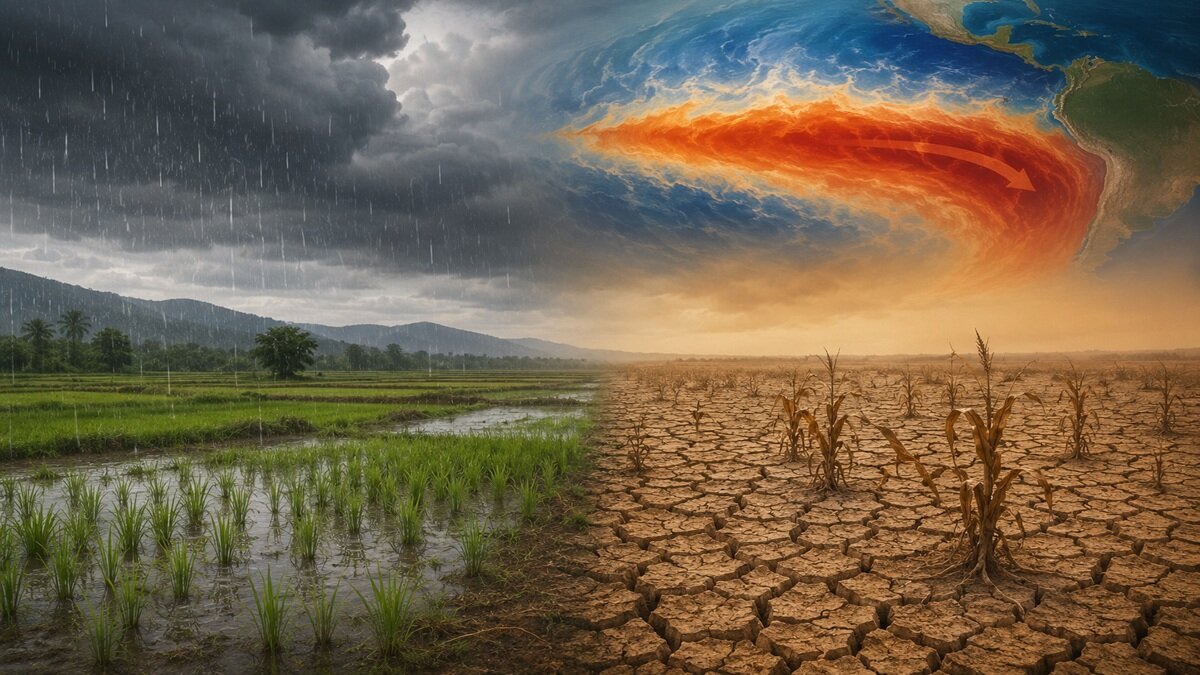
El Niño is a natural change in Pacific Ocean temperatures that can affect weather around the world.
Scientists say the developing El Niño could become unusually strong.
It is expected to reach its strongest phase between late 2026 and early 2027.
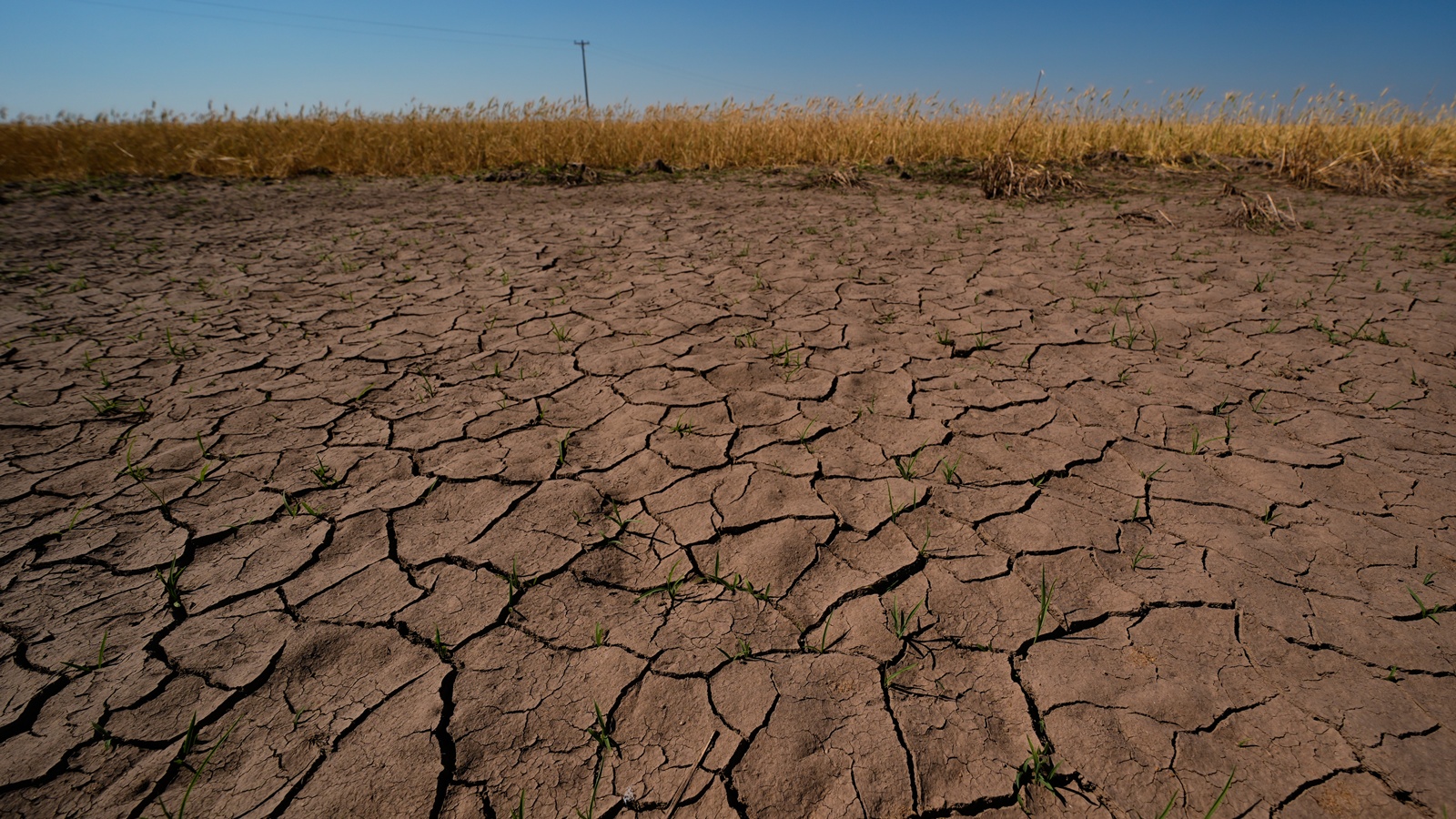
India’s monsoon is already bringing less rain than usual.
Less rain can affect farms, reservoirs, hydropower and the wider economy.
However, El Niño does not always cause a weak monsoon, and irrigation can help farmers in some areas.
Scientists say the event will eventually weaken and may be followed by La Niña, a cooler Pacific pattern.
Heat caused by El Niño can remain for months after the event starts weakening.
This could raise the risk of very hot weather in parts of India and contribute to an exceptionally warm 2027 globally.

The developing El Niño could become the strongest since the 19th century, according to the UK Met Office.
Some forecasts project Pacific sea-surface temperatures more than 3°C above normal by late 2026 or early 2027.
India’s monsoon is currently 13% below normal, with 40% of the country receiving at least 20% less rainfall than average.
Scientists warn that nearly all exceptionally strong El Niño events have been linked to major monsoon deficits or drought.
Lingering heat after El Niño weakens could increase extreme-heat risks in parts of India and make 2027 exceptionally warm globally.
- Who
- Scientists, Indian farmers and communities that depend on the monsoon are affected by the developing El Niño.
- What
- A potentially exceptionally strong El Niño is coinciding with a rainfall deficit in India and could increase heat risks in 2027.
- Where
- Pacific Ocean warming is influencing weather concerns in India and could affect temperatures globally.
- When
- The El Niño is expected to peak between late 2026 and early 2027, with some effects lasting for months afterward.
- Why
- El Niño changes ocean and atmospheric conditions, which can reduce rainfall during some strong events and temporarily raise global temperatures.
Warnings about severe impacts
Scientific qualifications and mitigating factors
Monsoon risk
Warnings about severe impacts
The UK Met Office and Indian scientists warn that the developing El Niño could be exceptionally strong, and that almost all exceptionally strong events have been associated with major monsoon deficits or drought.
Scientific qualifications and mitigating factors
Historical analysis found deficient rainfall in only 43% of El Niño years, meaning rainfall was normal or above normal in the remaining years.
Effects on agriculture
Warnings about severe impacts
The current rainfall deficit could threaten crop yields, reservoirs, hydropower generation and the wider economy.
Scientific qualifications and mitigating factors
The location and timing of a rainfall shortfall, as well as access to irrigation, may matter more to farmers than the national rainfall total. Groundwater and increased sunlight can sometimes benefit crops in irrigated regions.
Heat in 2027
Warnings about severe impacts
Lingering heat after El Niño weakens could raise the risk of extreme heat in parts of India and contribute to an exceptionally warm global year in 2027.
Scientific qualifications and mitigating factors
Scientists caution that not all of India will experience record temperatures. Regional atmospheric circulation and Indian Ocean conditions will help determine where heat is concentrated.
Key facts
- Current monsoon deficit
- India’s monsoon is 13% below normal.
- Rainfall coverage
- About 40% of India has received at least 20% less rainfall than average.
- Forecast Pacific warming
- Some forecasts project sea-surface temperatures more than 3°C above normal by late 2026 or early 2027.
- Expected El Niño peak
- The event is forecast to reach its strongest phase between late 2026 and early 2027.
- Monsoon importance
- India’s June-to-September monsoon supplies nearly three-fourths of the country’s annual rainfall.
- Global temperature effect
- El Niño temporarily adds about 0.2°C to 0.3°C to the planet’s average surface temperature during its peak and decline.
- Historical rainfall finding
- A 125-year analysis found below-normal rainfall in 43% of El Niño years; rainfall was normal or above normal in the others.
Quotes
Madhavan Rajeevan
Atmospheric physicist, monsoon expert and former secretary of India’s earth sciences department
“The one thing we know with absolute certainty is that the El Niño will reverse, El Niño is part of an oscillatory, pendulum-like system that involves the ocean and the atmosphere — like a pendulum, it will swing back.”
 telegraphindia.com
 livemint.com
“I have never seen an El Niño signal this intense in our forecasts”
telegraphindia.com
livemint.com
Jerome Vialard
Climate scientist at the Research Institute for Development in France
“Changes in winds during El Niño send a slow-moving signal through the ocean that eventually brings cooler water towards the equatorial Pacific, helping push the system towards La Niña. El Niño events tend to be followed by La Niña, and vice versa”
telegraphindia.com
livemint.com
Sources

Related news
Powerful El Niño Could Make 2027 Hottest Year
Historic El Niño to develop by year-end, US agency says
India’s Monsoon Faces 15% Deficit as El Niño Strengthens

Powerful El Niño Could Make 2027 Hottest Year
WMO Forecasts Strong El Niño to Intensify Heat, Disrupt India Monsoon
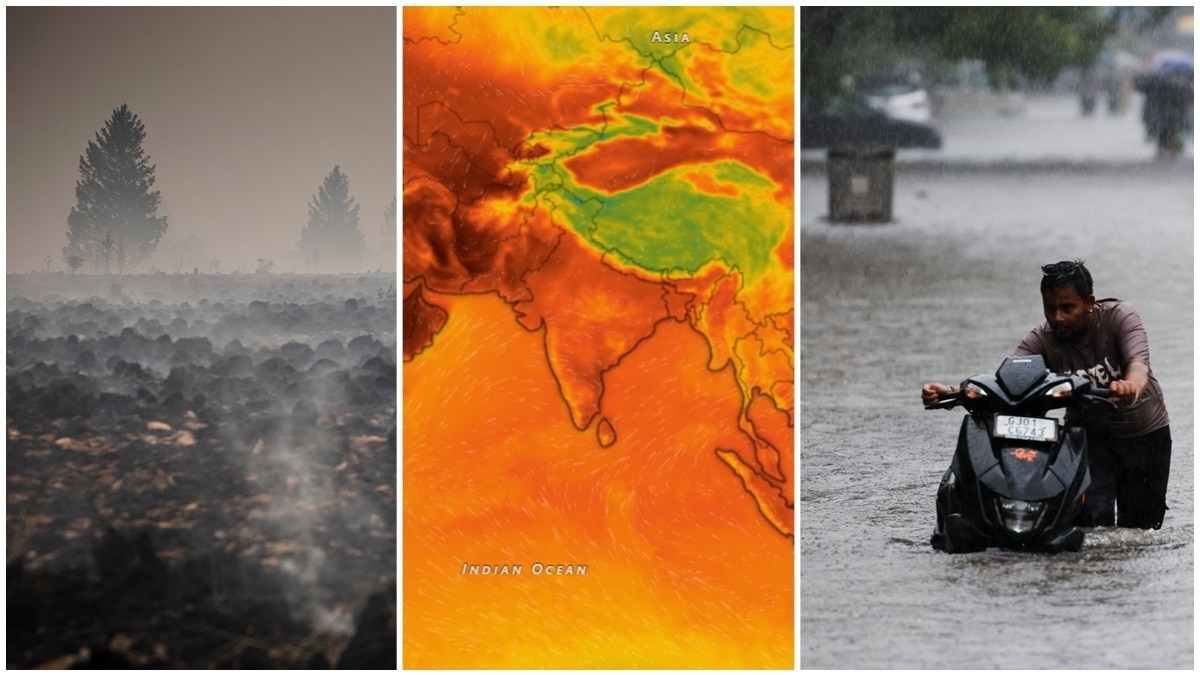
Potential 2026 Super El Niño Could Rewrite Global Weather Records

UP Minister Visits Ankit Baliyan Family, Promises Strict Action

Congress Questions Haryana’s Falling Sex Ratio Despite Beti Bachao

Haryana Says Ayushman Bharat Health Services Continue Despite IMA Call

Private Hospitals Flag Ayushman Bharat Payment Delays and Claim Deductions

Haryana Records Highest SGST Growth Among States in 2026-27