6 hrs ago
UNEP Report Says 1.5°C Breach Is Now Inevitable
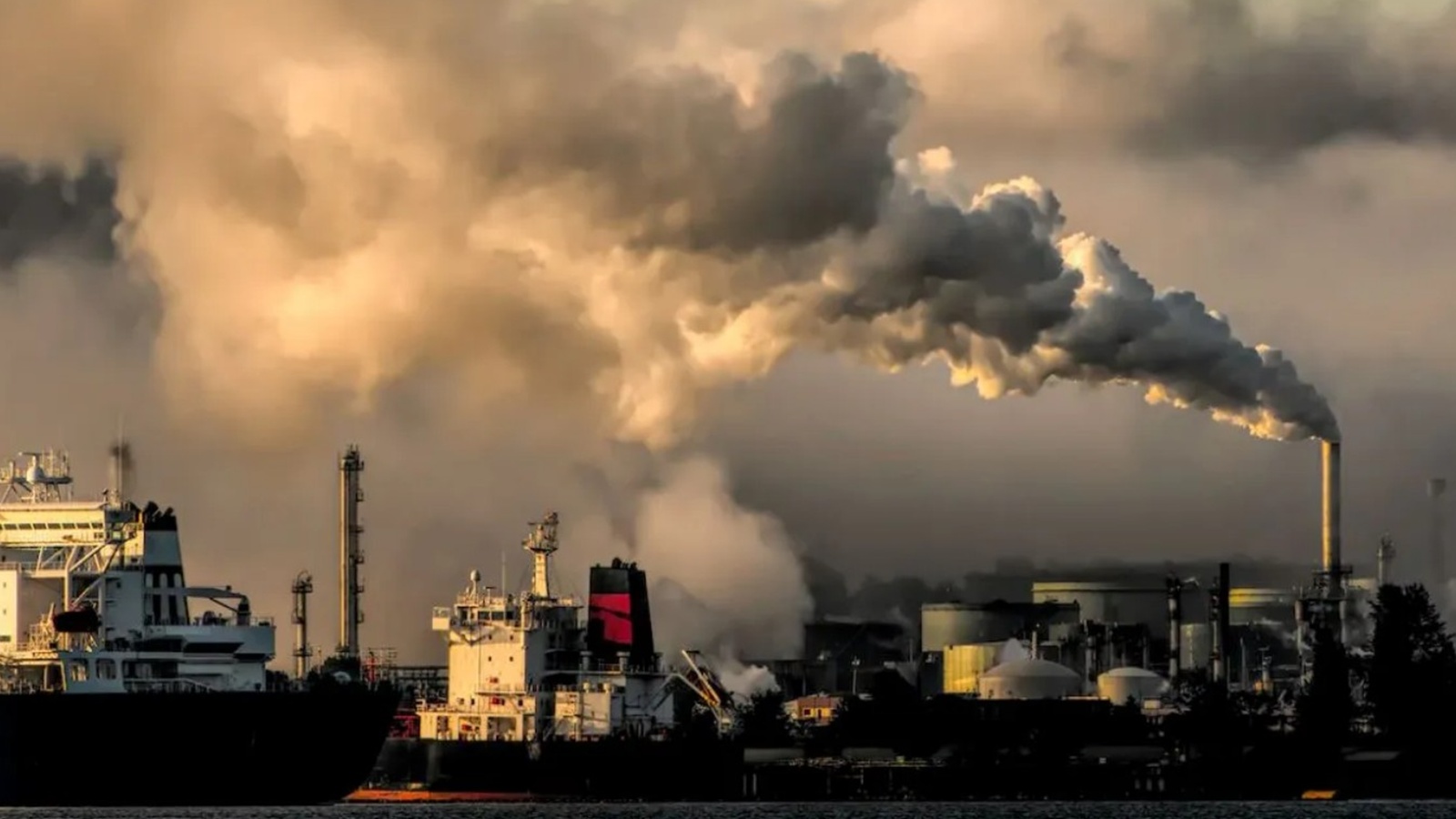
Scientists say the world can no longer reliably stop global warming from passing 1.5°C over pre-industrial temperatures.
This does not mean that a completely new danger appears on the exact day the number is crossed.
Instead, many existing problems, such as heatwaves, floods, droughts and extreme weather, are expected to become worse as temperatures rise.
The best scenarios in the report still show warming reaching at least 1.8°C before it might decline.
Other scenarios show temperatures rising above 2°C.
The year 2024 was 1.55°C warmer than pre-industrial times, but one unusually warm year is different from a long-term trend.
The report says annual temperatures are now likely to remain above 1.5°C more consistently.
Returning below the threshold would depend partly on removing carbon dioxide from the atmosphere, but those technologies have so far had limited effects.
Cutting greenhouse-gas emissions quickly is still necessary to reduce the amount of warming and its consequences.

A new UNEP report says no plausible scientific pathway remains to keep long-term warming below 1.5°C.
Even the best-case scenarios could see temperatures reach at least 1.8°C before potentially declining.
Most other pathways project peak warming above 2°C relative to pre-industrial levels.
The 1.5°C threshold was exceeded in the annual average for 2024, although 2025 fell to 1.45°C.
The report says returning below 1.5°C would require major emissions cuts and successful carbon dioxide removal technologies.
- Who
- The United Nations Environment Programme, climate scientists and climate expert Ajay Mathur.
- What
- A UNEP report says breaching the long-term 1.5°C warming threshold is now inevitable and warns that further warming could exceed 2°C.
- Where
- Globally, relative to pre-industrial average temperatures; the report also references climate risks illustrated by a disaster in Nepal.
- When
- The report was issued after 2024 became the warmest year recorded; it says the world may be entering a period of consistently above-1.5°C annual temperatures.
- Why
- Current emissions and climate action are insufficient to prevent an overshoot, while returning below 1.5°C would require steep emissions reductions and effective carbon dioxide removal.
Key facts
- Report
- United Nations Environment Programme report on global temperature projections
- 1.5°C outlook
- The report says no plausible scientific pathway remains to keep long-term warming below 1.5°C.
- Best-case projection
- Temperatures are expected to reach at least 1.8°C before potentially declining.
- Higher-warming pathways
- Most other pathways project peak warming above 2°C relative to pre-industrial levels.
- 2024 temperature
- The annual average was 1.55°C above pre-industrial levels, making 2024 the warmest year recorded.
- 2025 temperature
- Warming fell to 1.45°C, illustrating the difference between a single year and a long-term trend.
- Carbon dioxide removal
- The report says even optimistic scaling is unlikely to lower temperatures by more than a few tenths of a degree this century.
Quotes
UN Environment Programme report
The United Nations Environment Programme report cited in the article
“CDR will be needed in addition to, not instead of, sustained reductions in greenhouse gas emissions. Even optimistic CDR scaling is unlikely to lower temperatures more than a few tenths of a degree this century.”
 indianexpress.com
“The disaster in Nepal reminds us with horrific clarity that an ‘overshoot in temperature’ carries a human cost measured in lives lost and communities shattered.”
indianexpress.com
Sources
Related news
UN Report Says World May Breach 1.5°C, Return Possible
UN Says World Will Exceed Paris Warming Limit
UN Warns of Rising Sea Levels Threatening India

Musk Warns Climate Action Alone May Not Save Humanity

Nepal Flood Disaster Highlights Hindu Kush Himalayas Fragility

Nepal Families Perform Last Rites as Flood Bodies Remain Unidentified
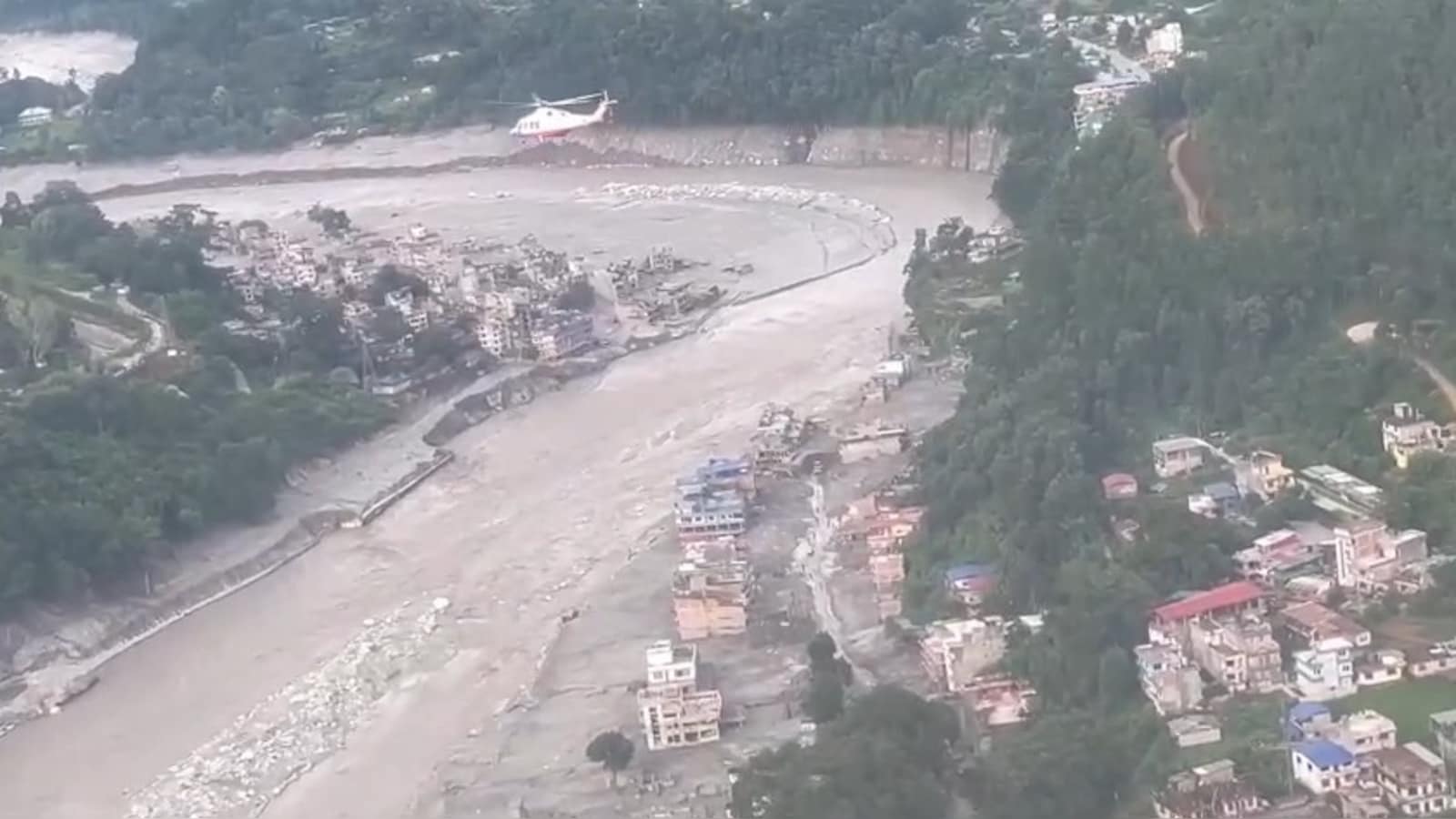
Helicopter Journey Reveals Nepal's Valley of Flood Devastation
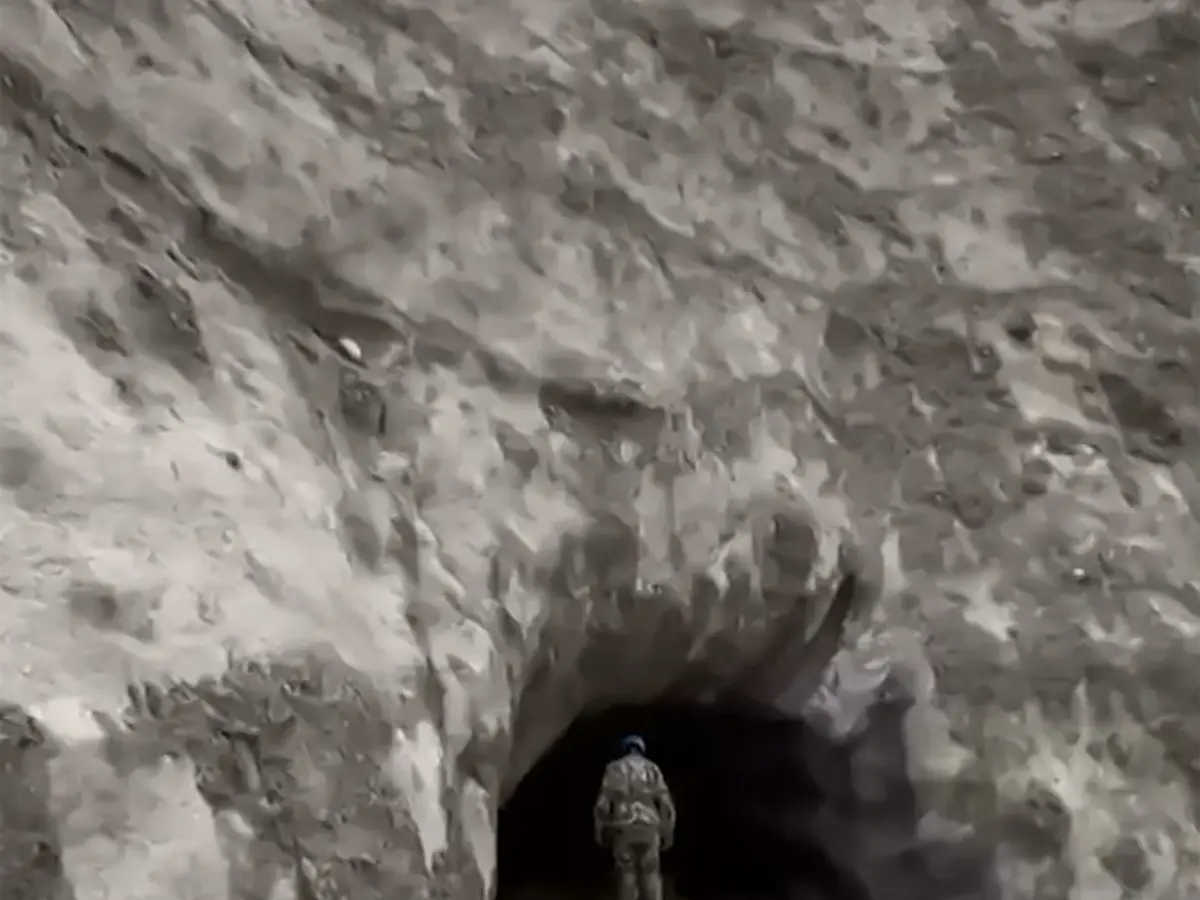
Nepal Tunnel Survivor Alleges Chinese Supervisor Abandoned Workers During Flood
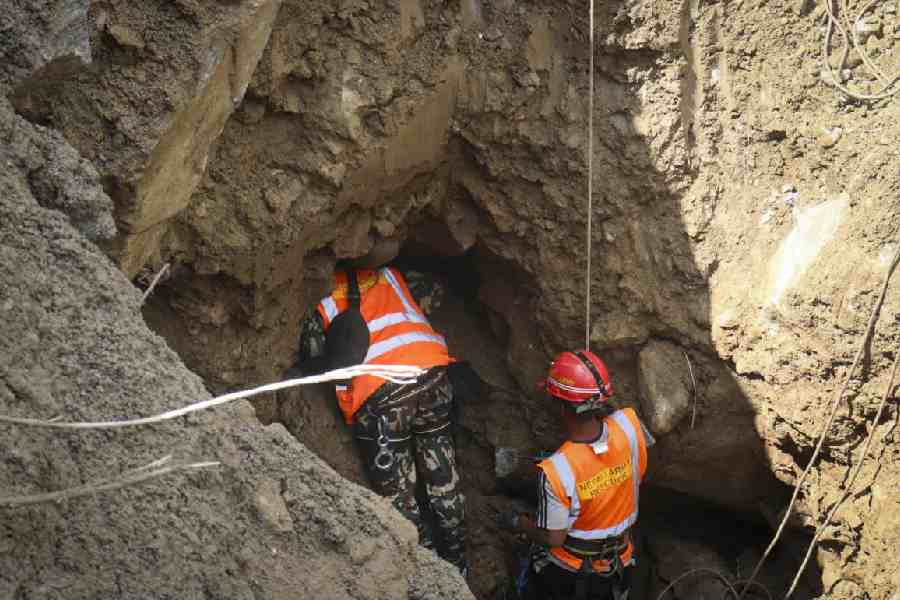
Hope Rises for Workers Trapped in Nepal Hydropower Tunnel

Bhotekoshi Flood Crisis: Nepal PM Shah Calls for Courage