1 week ago
Unitree’s Humanoid Robot Boom Faces Long Road to Usefulness

Unitree makes robots that look and move somewhat like people.
Its founder says the robots work well in controlled demonstrations but are not yet truly useful everywhere.
The robots need better artificial intelligence to understand the physical world.
Investors became very excited, and Unitree’s shares jumped sharply when they began trading in Shanghai.
China may have an advantage because it makes many of the parts robots need and can produce them more cheaply.
However, many Unitree robots are still bought by researchers instead of regular businesses.
Some people expect humanoids to reach the mass market within 10 years, but the author thinks that may be too optimistic.
The robots will need to do difficult jobs safely, reliably and affordably before they become widely useful.

Unitree founder Wang Xingxing said humanoids still lack sufficiently capable world models for real-world use.
Unitree shares surged as much as 629% during their Shanghai debut, attracting heavy retail and institutional interest.
China has cost and supply-chain advantages, producing about 70% of the world’s actuators used in robots.
Most Unitree robots are still purchased by researchers, while practical commercial applications remain uncertain.
The author argues humanoids must perform dirty, dangerous and dull jobs safely, repeatedly and cheaply before the hype is justified.
- Who
- Unitree Robotics, founded by Wang Xingxing, along with investors, researchers and competing humanoid-robot companies.
- What
- Unitree’s humanoid robots gained investor attention despite continuing doubts about their intelligence, cost and commercial usefulness.
- Where
- The conference was in Beijing, and Unitree’s shares debuted in Shanghai; the discussion concerns China’s global robotics industry.
- When
- Wang spoke on a Thursday at the World Robot Conference; Unitree began trading in Shanghai on Wednesday. Shipment figures cited cover the first half of 2026.
- Why
- Humanoids are attracting attention because of viral demonstrations and expectations of mass-market use, but they still face technical, economic and geopolitical obstacles.
Optimistic Case
Skeptical Case
Path to mass adoption
Optimistic Case
Wang expects humanoid robots to reach the mass market within a decade, and rising industrial and commercial shipments suggest the transition may be starting.
Skeptical Case
The author says that timeline is highly optimistic because robots remain far from general-purpose real-world use.
China’s competitive advantage
Optimistic Case
China benefits from lower costs, extensive electric-vehicle supply chains and dominant actuator production, potentially helping its companies scale.
Skeptical Case
Humanoids remain too expensive for mass adoption, and competition among more than 150 Chinese companies makes it difficult to identify eventual winners.
Evidence of useful demand
Optimistic Case
Unitree’s researchers and hobbyists could provide an initial market, as DJI’s early consumer and tinkerer base helped it develop into a major hardware company.
Skeptical Case
Researchers, government agencies and display-oriented buyers may not represent sustainable commercial demand; shipment totals alone do not show whether robots are truly useful.
Key facts
- Founder
- Wang Xingxing
- Stock debut
- Unitree shares rose as much as 629% on their Shanghai debut before giving back some gains.
- Retail demand
- Retail investors subscribed for 5,500 times the shares available.
- Actuator production
- China produces roughly 70% of the world’s actuators, which can account for up to half of humanoid-robot costs.
- Industry competition
- China had more than 150 humanoid-robot companies last year, according to the article.
- Commercial shipments
- Industrial and commercial humanoids represented more than 70% of global shipments in the first half of 2026, up from about 50% the previous year.
- Cost challenge
- The Mercator Institute for China Studies estimates costs would need to fall by at least half for commercial viability.
- U.S. restrictions
- Washington barred imports of foreign-made advanced robotic devices, including humanoids and quadrupeds, according to the article.
Quotes
Wang Xingxing
Founder of Unitree Robotics
“Mass‑market reach was within a decade.”
 livemint.com
Sources
Related news
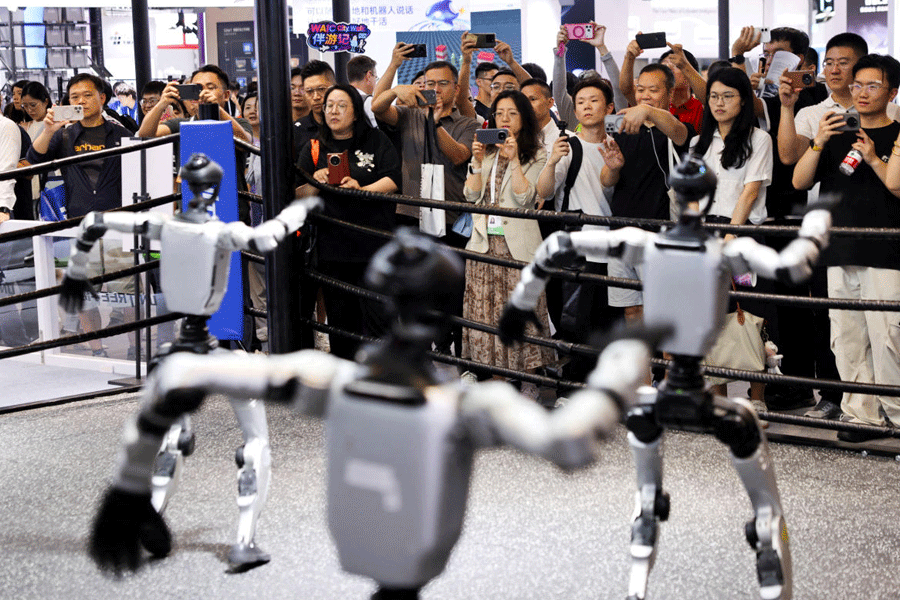
Unitree set to become first mainland-listed humanoid robot maker
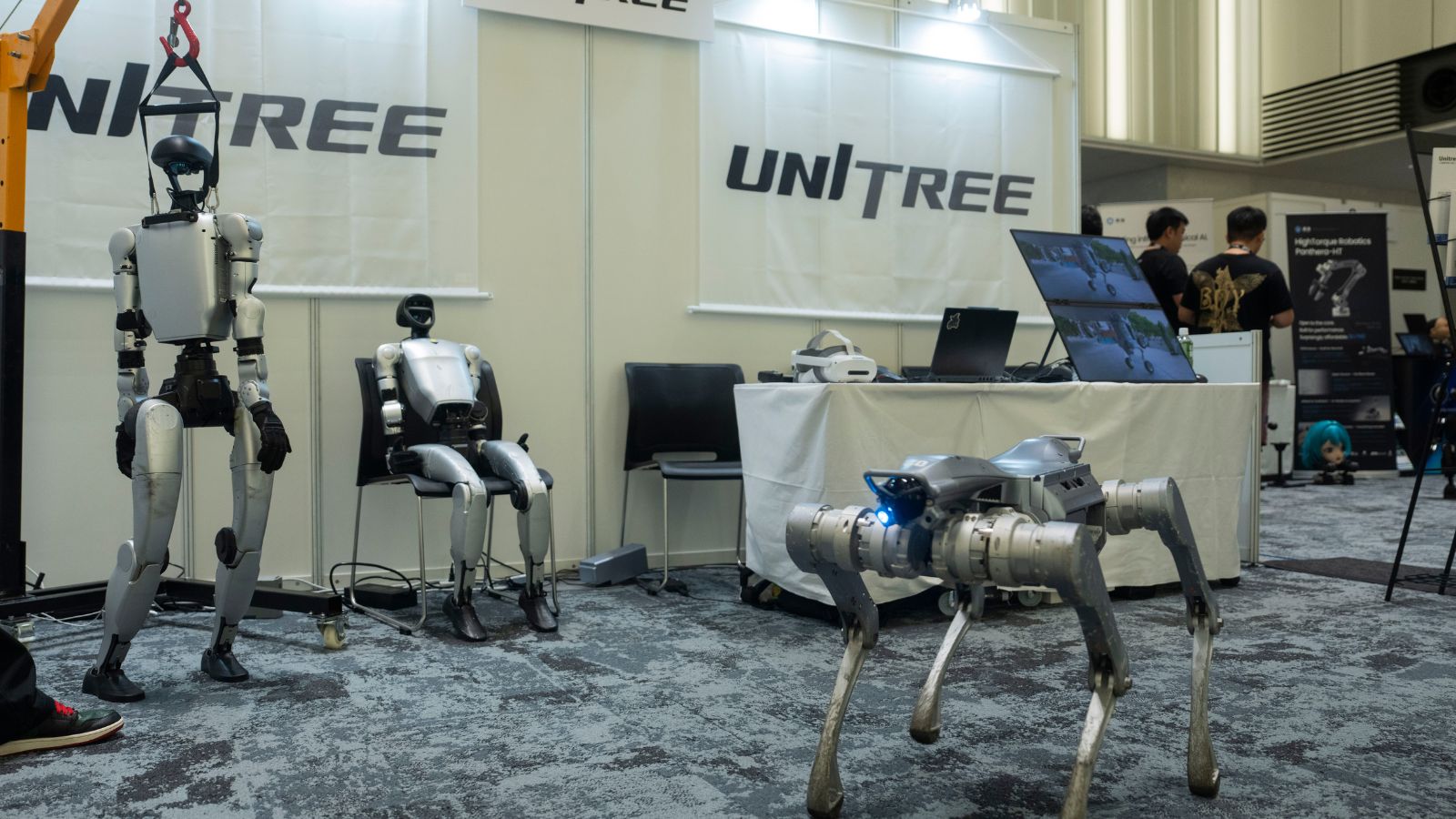
Unitree Robotics raises about $900 million in Shanghai IPO

Unitree Robotics IPO Surge Highlights Humanoid Robot Frenzy

China’s Humanoid Robot Industry Chases a ChatGPT Moment
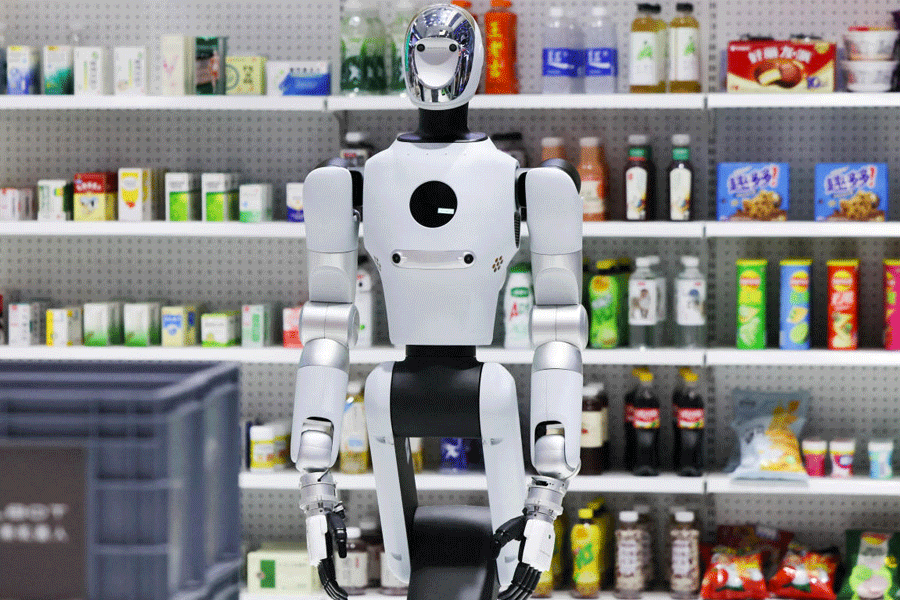
China’s Humanoid Robot Boom Races Ahead of Real-World Readiness
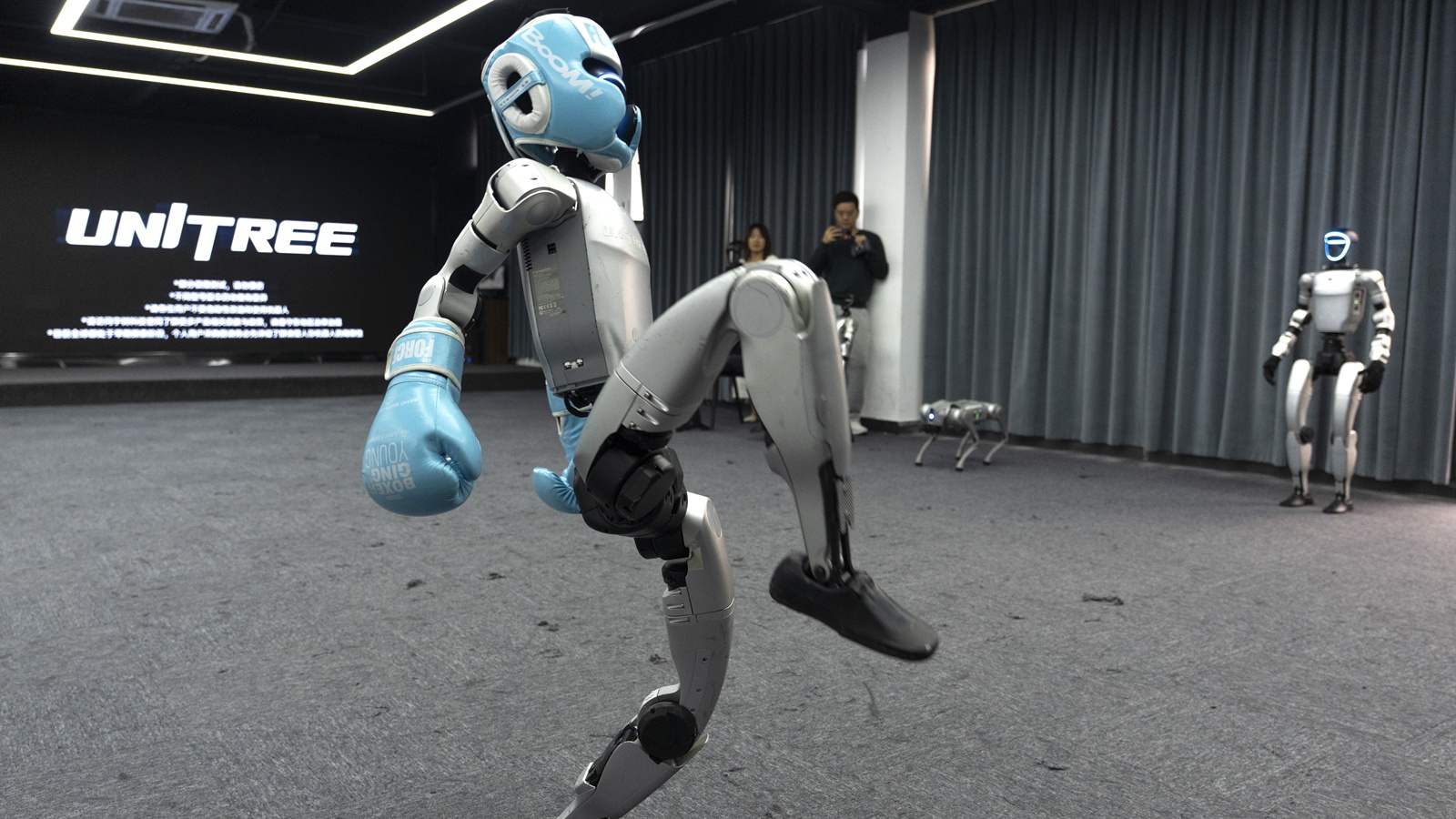
China’s Humanoid Robot Makers Pursue Practical Commercial Uses

Putin Faces Western Isolation While Russia Builds Non-Western Ties

India’s Global Power Ambitions Face Economic and Democratic Setbacks
India’s 7.8% Growth Broad-Based, but Jobs Remain Challenge

India Pursues Global Mineral Pacts to Secure Supply Chains

Nepal Plans New Landslide Warning System Along China Border