

1 week ago
China’s Humanoid Robot Industry Chases a ChatGPT Moment

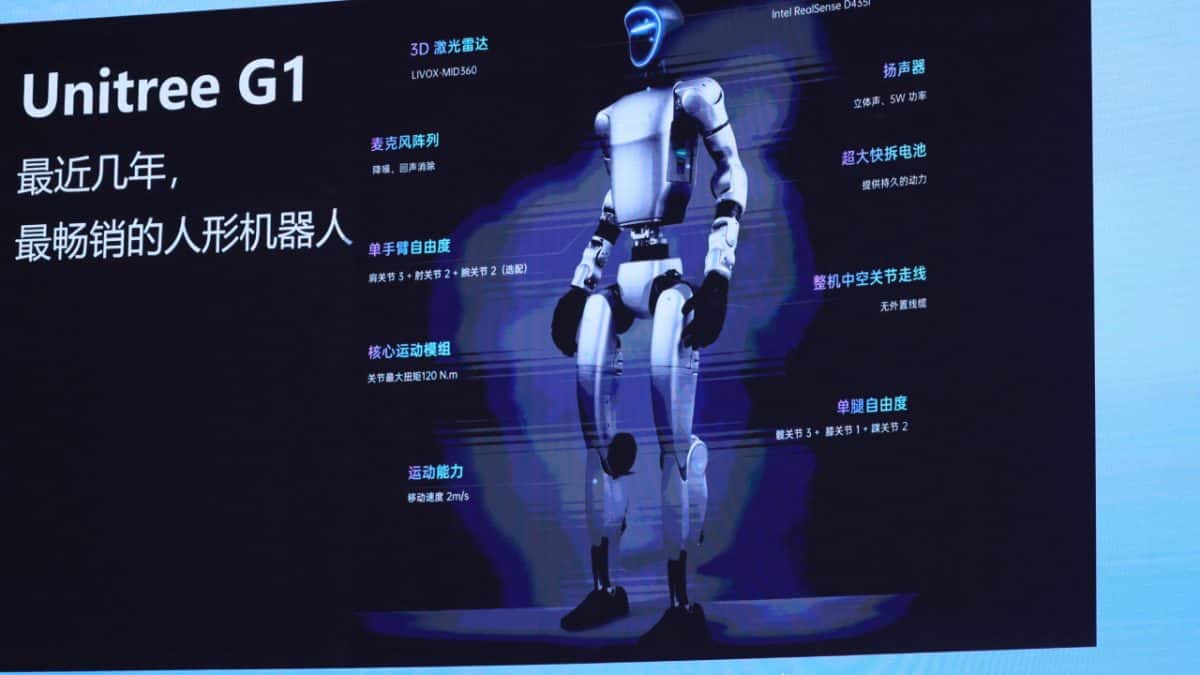
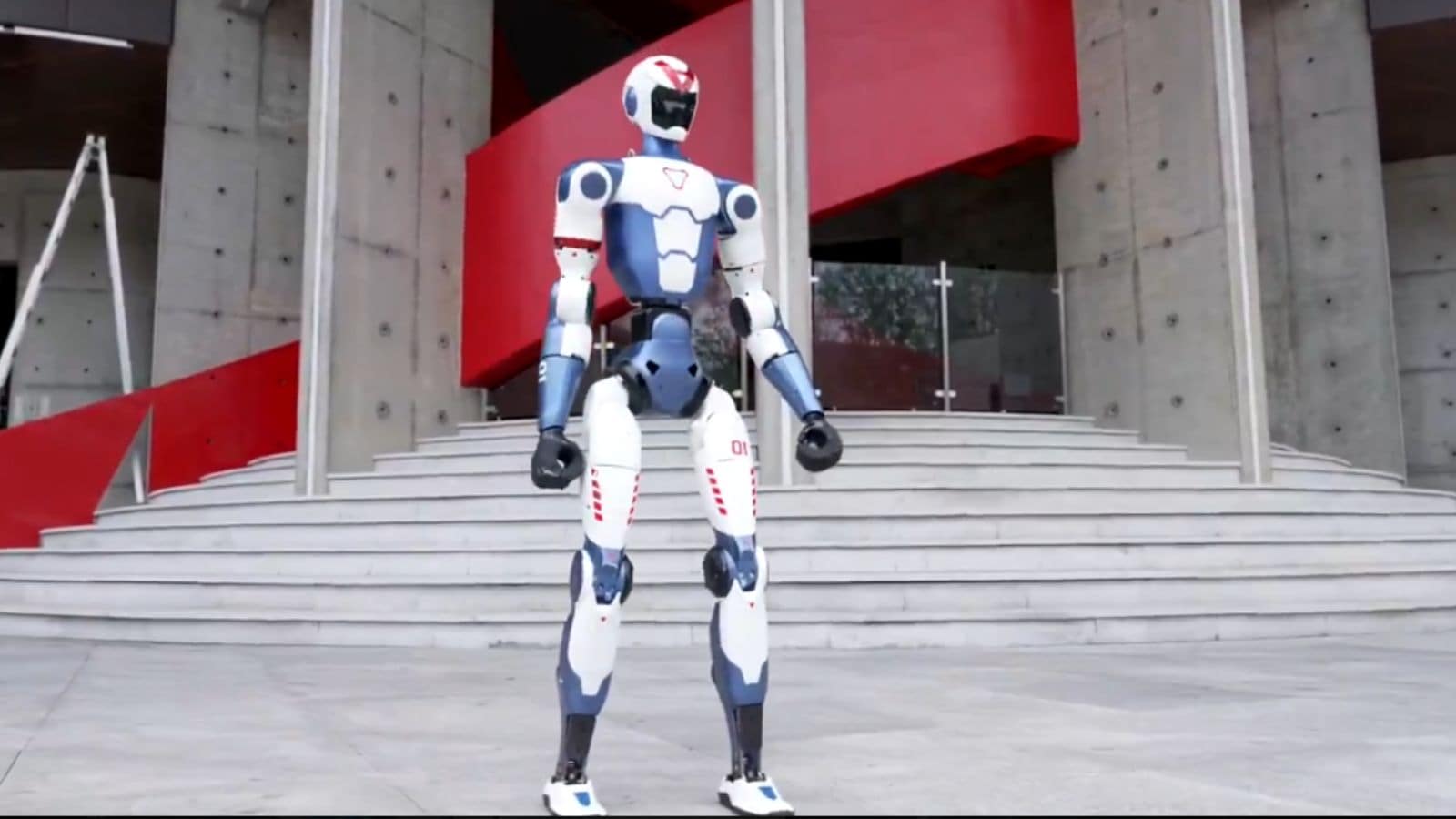
Humanoid robots are machines designed to move and work somewhat like people.
Unitree CEO Wang Xingxing says their computer systems may soon improve in a major way.
He compares this possible change to the moment ChatGPT became widely useful.
In the future, he hopes a robot could enter a new home and complete most tasks after simple voice or text instructions.
Wang thinks this breakthrough could happen in two to three years in the best case, or within five to 10 years.
Galbot founder Wang He predicts it could happen by 2028.
Robots are still not good enough for widespread use because they struggle to understand situations and make decisions in the real world.
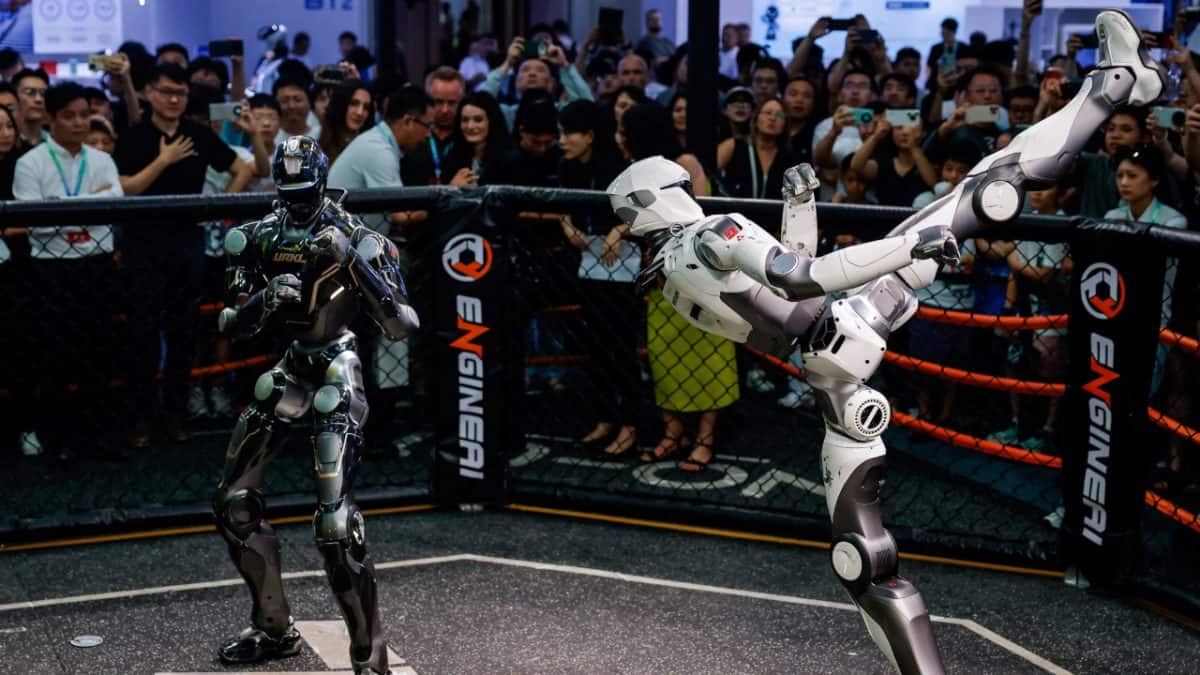
China is producing most of the world’s humanoid robots and hopes they can perform repetitive or dangerous work.
The United States has restricted future imports of some foreign-made robots because of national security concerns.

Unitree CEO Wang Xingxing said humanoid robots are approaching a potential “ChatGPT moment” in embodied intelligence.
Wang said future robots could complete about 80% of tasks in unfamiliar homes using voice or text instructions.
He estimated a major software breakthrough could arrive in two to three years optimistically, or within five to 10 years.
Galbot founder Wang He predicted the milestone could arrive by 2028, with robots handling 70% to 80% of daily tasks without specialized training.
China reportedly accounted for 97% of global humanoid robot shipments, while the U.S. restricted future imports of foreign-made humanoid and quadruped robots.
- Who
- Unitree CEO Wang Xingxing, Galbot founder Wang He, Chinese humanoid-robot companies, and U.S. regulators.
- What
- Industry leaders predicted a future breakthrough in embodied AI that could allow humanoid robots to perform most everyday tasks autonomously.
- Where
- At a major robotics conference in Beijing; Unitree is based in Hangzhou, China.
- When
- The comments were made on Thursday; forecasts ranged from two to 10 years, with Wang He predicting 2028.
- Why
- Companies are developing robots for homes, factories, warehouses, and other settings as China seeks leadership in humanoid robotics and faces a shrinking workforce.
Optimistic Forecasts
Cautious Assessment
Timing of the breakthrough
Optimistic Forecasts
Wang He expects embodied intelligence to reach its “ChatGPT moment” by 2028, while Wang Xingxing sees a major leap potentially arriving within two to three years.
Cautious Assessment
Wang Xingxing said the breakthrough could instead take five to 10 years, and current robots remain unsuitable for mass deployment.
What robots may accomplish
Optimistic Forecasts
Industry leaders envision robots performing roughly 70% to 80% of everyday tasks without specialized training or after simple voice and text instructions.
Cautious Assessment
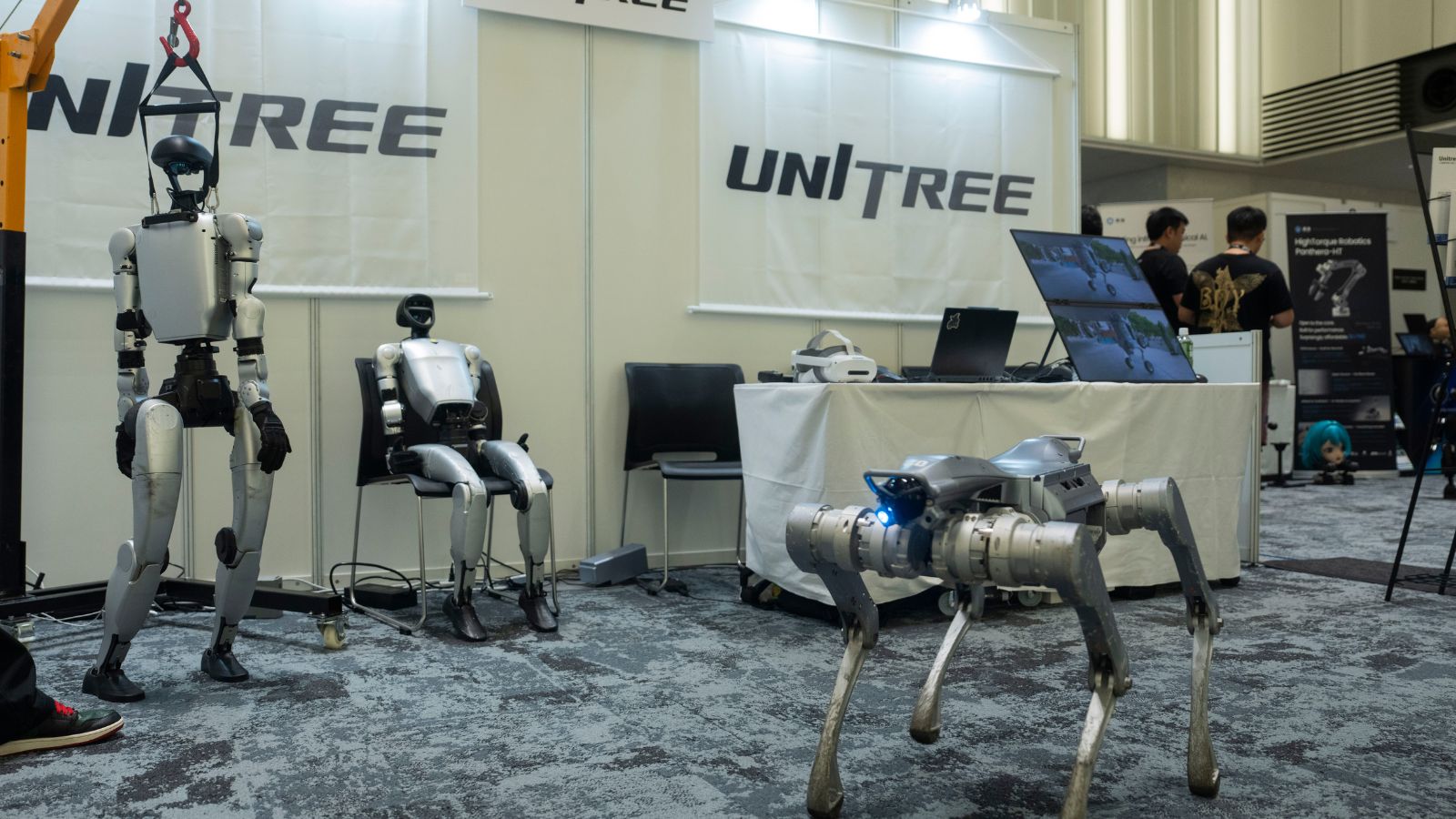
Robots still struggle with decision-making, real-world interaction, and physical AI models, while universities and research institutions make up most of Unitree’s customers.
China’s global position
Optimistic Forecasts
China reportedly accounts for 97% of global humanoid shipments, and companies are seeking to expand into factories, warehouses, and overseas markets.
Cautious Assessment
Humanoids remain less efficient than human workers in most applications, and U.S. import restrictions cite national security concerns about foreign-made robots.
Key facts
- Unitree share movement
- Shares fell 11% after rising nearly sixfold during their market debut.
- Potential capability
- Wang Xingxing described robots completing approximately 80% of tasks in unfamiliar homes through voice or text commands.
- Wang Xingxing’s forecast
- A major software breakthrough could arrive in two to three years in an optimistic scenario, or within five to 10 years.
- Wang He’s forecast
- Galbot founder Wang He expects the sector’s “ChatGPT moment” by 2028.
- China’s reported market share
- A Chinese humanoid industry body said China accounted for 97% of global humanoid robot shipments.
- Reported shipments
- China delivered more than 40,000 humanoid robots in the first half of the year, according to the industry body.
- Current limitation
- Humanoids remain less efficient than human workers in most applications and are not ready for mass deployment.
- U.S. restriction
- The Federal Communications Commission banned future imports of foreign-made humanoid and quadruped robots, citing national security concerns.
Quotes
Wang Xingxing
Founder and CEO of Unitree, a leading Chinese robot manufacturer
“We hope that in the future, we can see a robot be introduced into an unfamiliar household and it can achieve approximately 80% of tasks successfully through voice or text commands.”
 firstpost.com
“With continued accumulation of data and further technological breakthroughs, we expect to reach the 'ChatGPT moment' for embodied intelligence by 2028.”
 livemint.com
Sources
Related news
Unitree CEO Predicts ChatGPT Moment for Humanoid Robots
Unitree Robotics raises about $900 million in Shanghai IPO
China’s Humanoid Robot Boom Shows Progress, But Reliability Remains Uncertain

Unitree’s Humanoid Robot Boom Faces Long Road to Usefulness
China’s Humanoid Robot Boom Races Ahead of Real-World Readiness

Unitree CEO Predicts Humanoid Robots’ Coming ChatGPT Moment

Global roundup spans Iran attacks, SCO summit and ferry disaster

Trump Calls for FCC Action After Attacking NBC Host

Why Trump’s FCC Threat Against NBC Journalist Fails

Trump Threatens NBC Journalist Over His Candidate Endorsements

China Seeks Longer Trade Truce as Xi’s US Visit Nears
