

56 mins ago
Putin Faces Western Isolation While Russia Builds Non-Western Ties
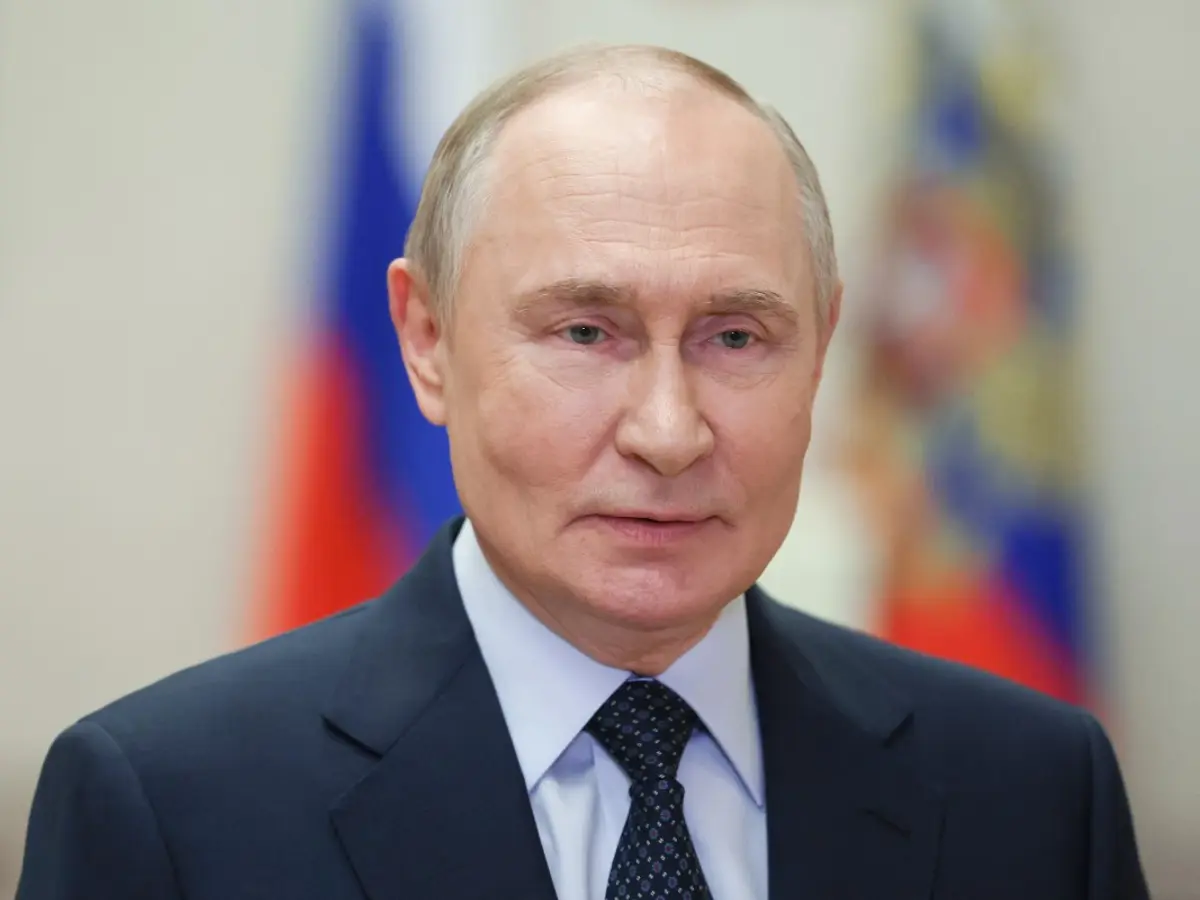
Western countries have tried to pressure Russia by using sanctions and limiting contact with its government.
Russia is still separated from much of Europe and the Western political establishment.
However, it continues to work closely with China, India and other non-Western countries.
This means Russia is not completely alone in the world.
India wants to keep ties with Russia while also working more closely with the United States.
China is important to Russia, but Russia may become increasingly dependent on China if the war continues.
Europe is preparing more sanctions and helping Ukraine strengthen its long-range attacks.
Russia has warned that British military targets could face retaliation.
The main idea is that Putin is isolated in the West but has learned to work around that isolation.

Russia remains diplomatically engaged with China, India and much of the non-Western world.
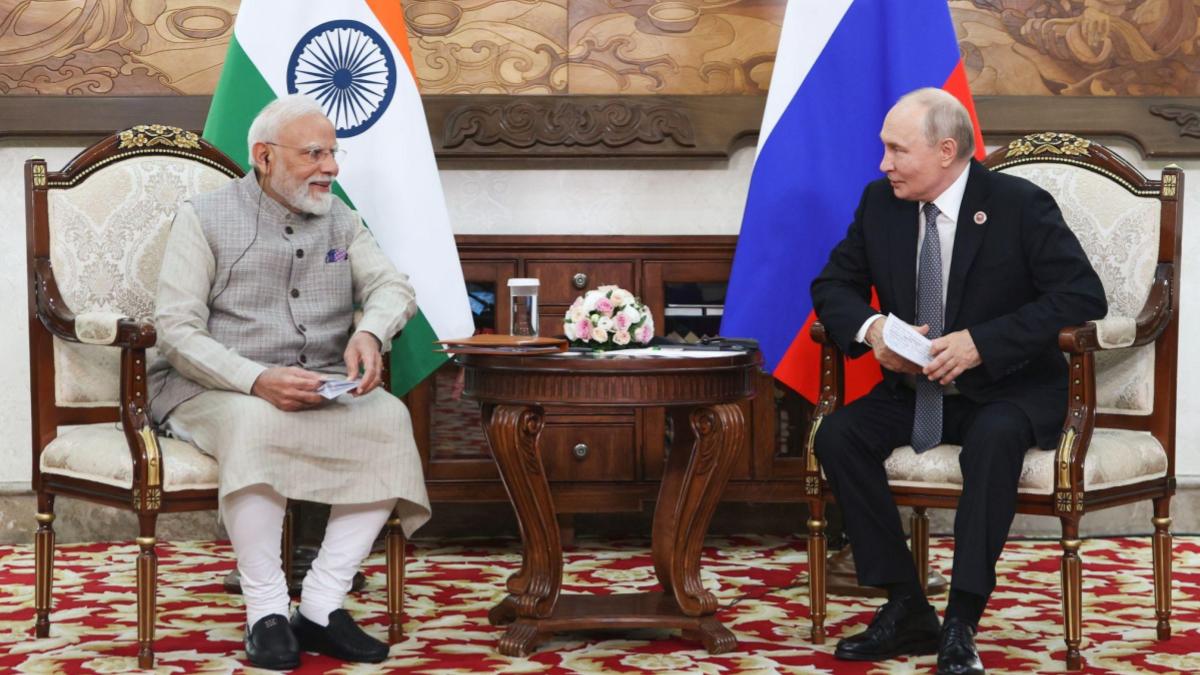
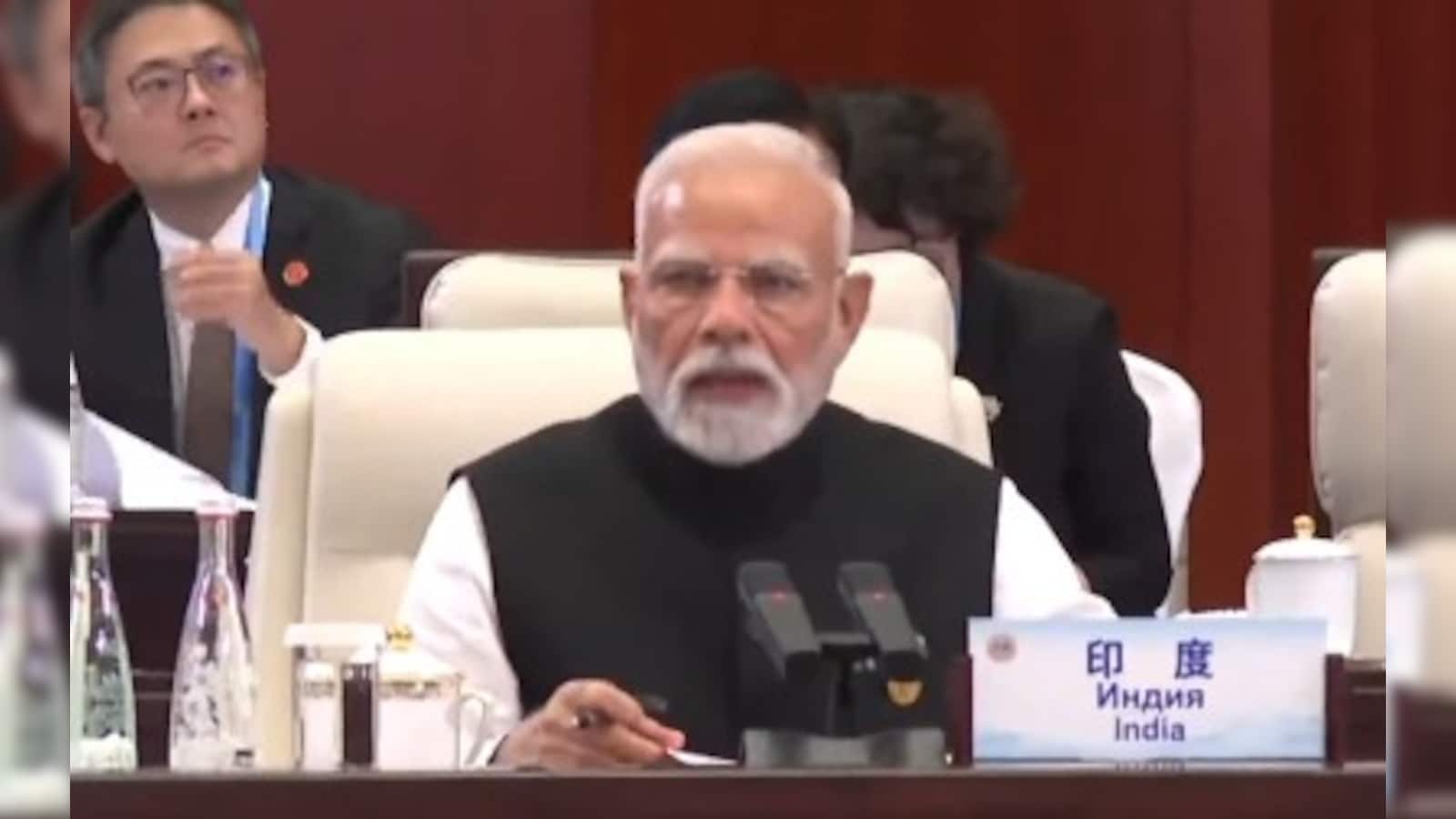
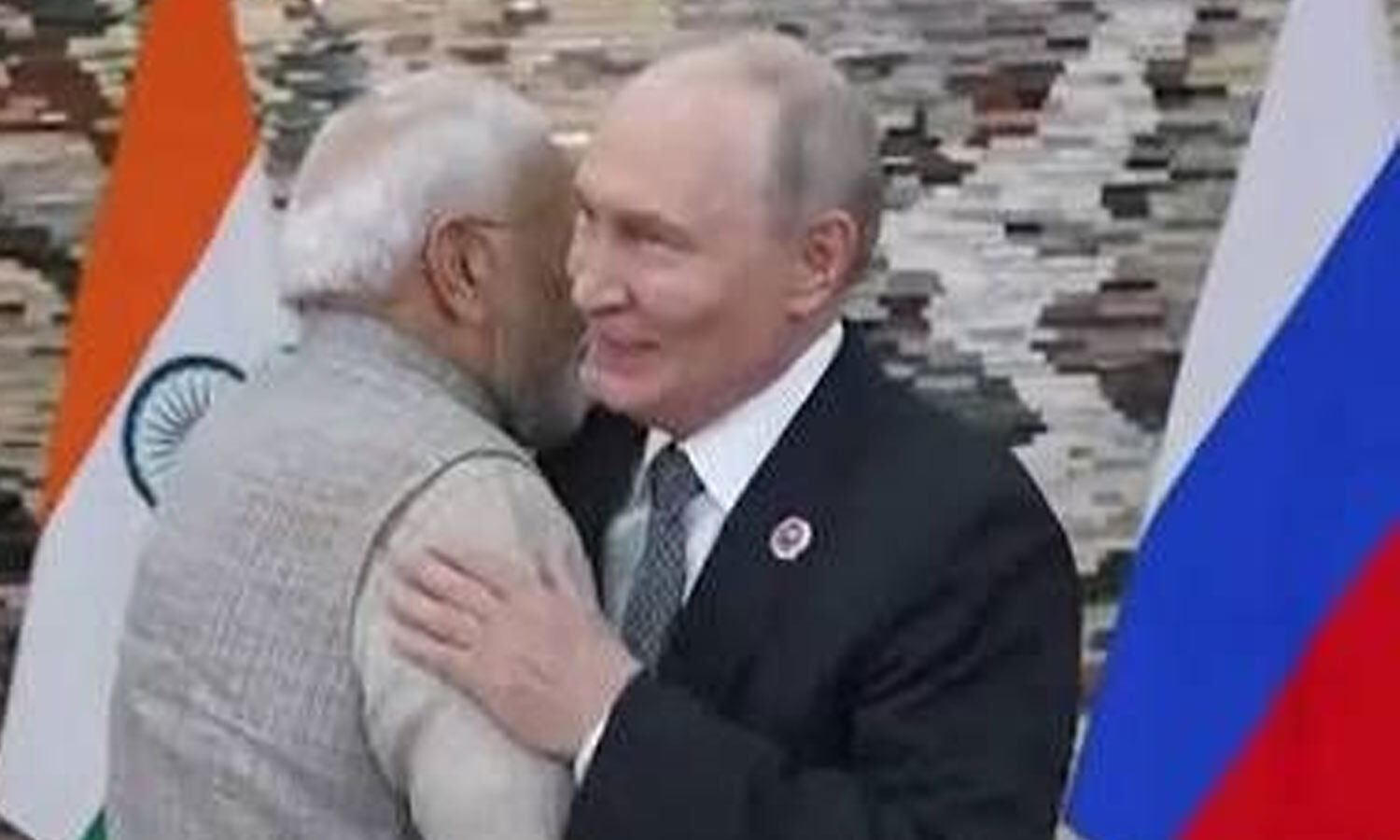
The Shanghai Cooperation Organisation summit challenged the idea that Russia is completely isolated.
Indian Prime Minister Narendra Modi urged countries to move from endless wars toward an end to war.
The European Union is maintaining sanctions and preparing measures targeting Russian individuals and its military-industrial complex.
Putin has not escaped Western isolation but is using competing global interests to create diplomatic space.
- Who
- Vladimir Putin, Russia, Western governments, China, India, the European Union, Britain, NATO and Ukraine.
- What
- Russia remains isolated from much of the West but continues diplomatic and strategic engagement with major non-Western powers.
- Where
- At the Shanghai Cooperation Organisation summit and across diplomatic relations involving Europe, Russia, China, India and the United States.
- When
- The issue was discussed in connection with the Shanghai Cooperation Organisation summit; no specific date is provided.
- Why
- Western governments are using sanctions and military support for Ukraine to pressure Russia, while Russia is seeking diplomatic space through ties with non-Western countries.
Western Isolation View
Non-Western Engagement View
Is Russia isolated?
Western Isolation View
Russia is economically constrained, militarily challenged and politically estranged from much of Europe because of sanctions and Western opposition.
Non-Western Engagement View
Russia is not diplomatically alone because it can still engage with China, India and other non-Western countries.
Effect of ties with China
Western Isolation View
Russia's growing reliance on China may leave Moscow in a weaker position as the war continues.
Non-Western Engagement View
China provides Russia with important economic and strategic engagement, helping Moscow operate around Western restrictions.
Path toward ending the war
Western Isolation View
European governments are emphasizing security, sanctions and support for Ukraine, including expanded long-range strike capabilities.
Non-Western Engagement View
India's Narendra Modi is calling for a shift away from endless wars toward an end to war while pursuing strategic autonomy.
Key facts
- Western policy
- The West has sought to punish Russia economically, isolate Moscow diplomatically and impose costs for the war in Ukraine.
- Russia's relationships
- Russia remains engaged with China, India and much of the non-Western world.
- India's position
- India is maintaining its strategic relationship with Russia while deepening ties with the United States.
- China's role
- China has become economically and strategically important to Moscow, potentially increasing Russia's dependence on Beijing as the war continues.
- European Union measures
- The European Union continues sanctions and is preparing measures targeting individuals, Russia's military-industrial complex and its ability to sustain the war.
- British support
- Britain is helping Ukraine expand its long-range strike capability.
- NATO concerns
- NATO is focusing on postwar conditions while European governments raise concerns about alleged Russian hybrid attacks, airspace incidents and wider confrontation.
Sources
Related news

Modi Urges Putin to End Russia-Ukraine War at SCO Summit
Modi Urges Putin to End Ukraine War at SCO Summit
India Balances China, Russia and Pakistan at SCO Summit
Modi Urges Putin to End Ukraine War for Humanity
Modi Urges Putin to Move From Endless War to Peace
India’s Global Power Ambitions Face Economic and Democratic Setbacks
Modi’s Frugality Appeal Contrasts With Extensive Foreign Travel
Modi Sets Roadmap for Collaborative, Water-Secure India’s Future
Sonia Gandhi Memoir Sparks Debate Over Politics, Publishing And Speech
