1 week ago
India’s UPI Revolution Pushes Digital Payments Toward Cashlessness
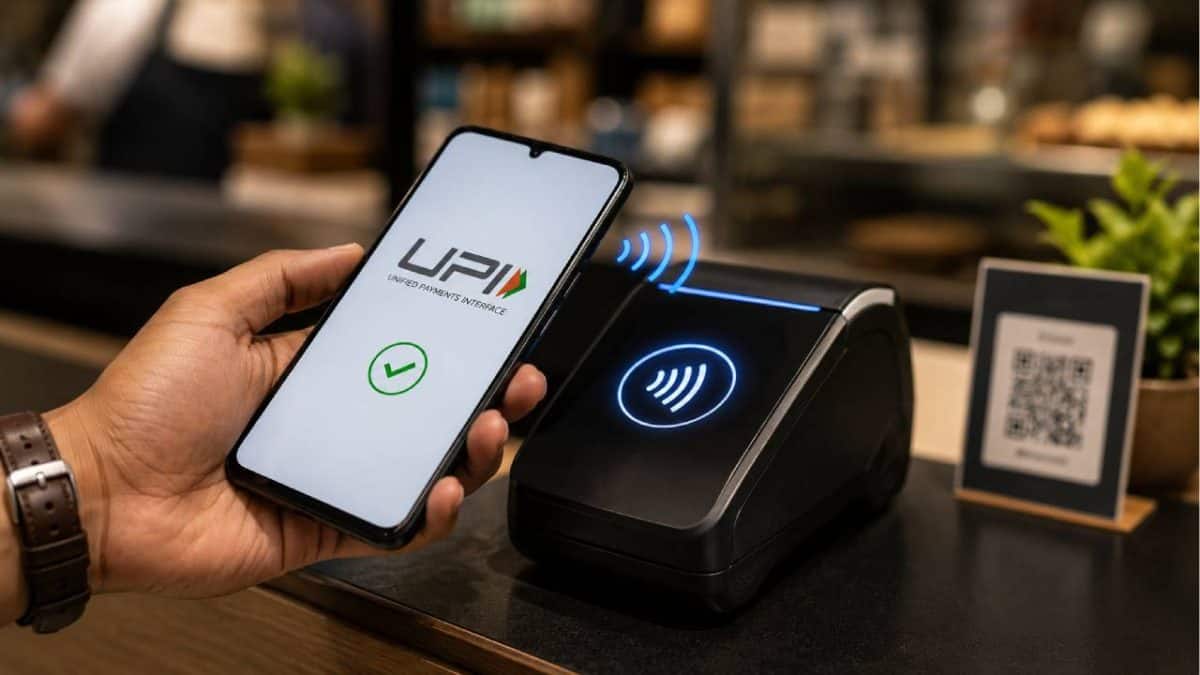
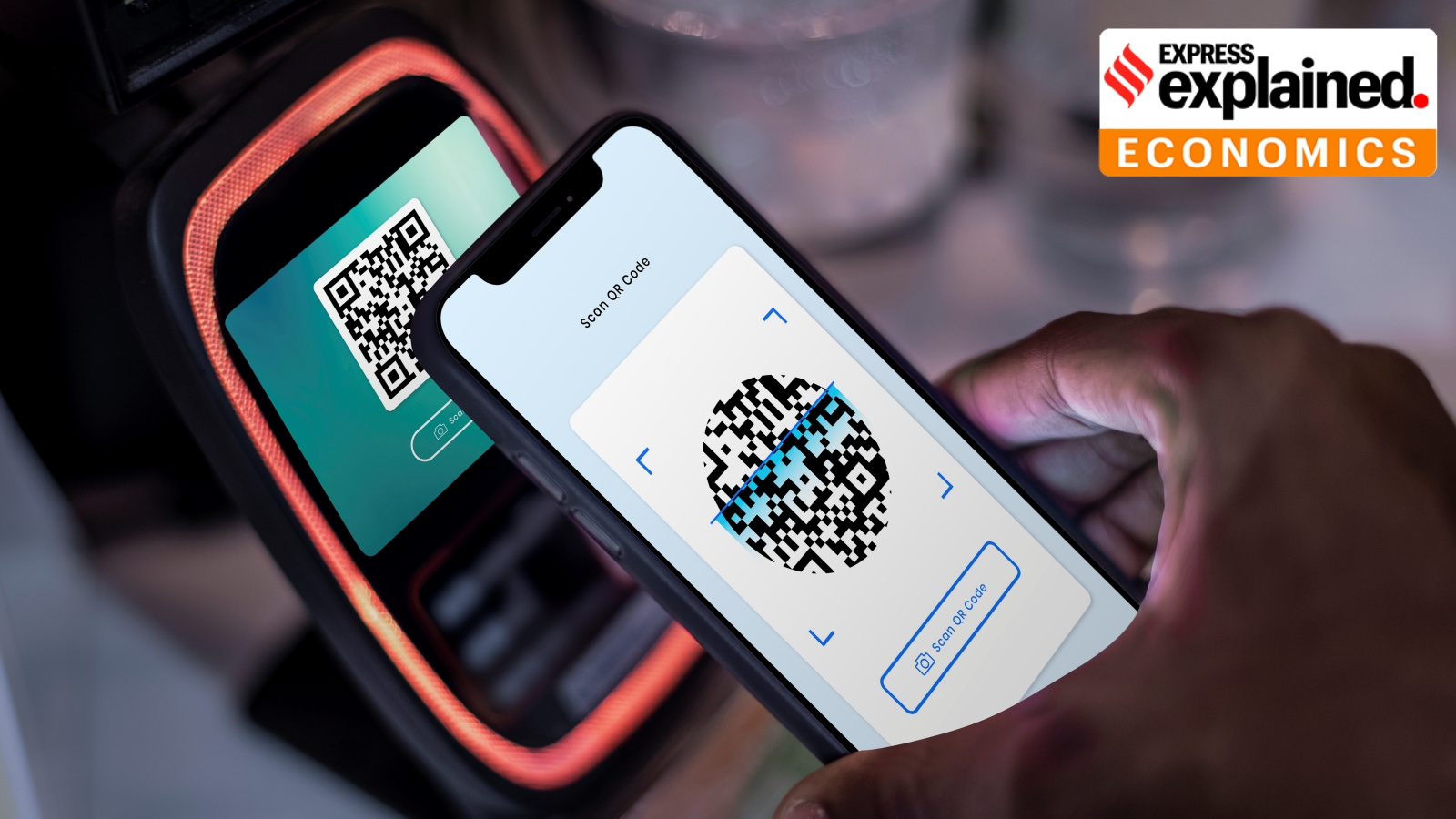
UPI is a system that lets people send money instantly using a phone and a QR code.
It works across many different banks and payment apps.
A small shop can accept payments with a simple printed QR code instead of a card machine.
More than 55 crore Indians and millions of merchants reportedly use it.
Smartphones, bank accounts, government payments, demonetisation and the COVID-19 pandemic helped people start using digital payments.
UPI payments have generally been free for customers and small merchants.
Some policymakers are discussing whether larger businesses might pay fees to help support the system.
Critics worry businesses could pass those costs to customers.
UPI has also expanded to countries including France, Singapore and the United Arab Emirates.
However, the system depends on internet access, so outages can stop digital payments.

UPI, launched on August 26, 2016, has become the backbone of India’s digital payments system.
More than 55 crore Indians and about 6.5 crore merchants reportedly use UPI, with transactions reaching nearly ₹1 lakh crore on busy days.
Smartphones, the JAM framework, demonetisation, direct benefit transfers and COVID-19 accelerated UPI adoption.
UPI’s interoperable QR codes allow payments across different apps and banks without requiring users to join the same platform.
Debate continues over whether selected UPI transactions should eventually carry merchant fees while keeping payments free for ordinary users and small businesses.
- Who
- Indian consumers, merchants, banks, fintech companies, the National Payments Corporation of India and government policymakers are involved.
- What
- India’s Unified Payments Interface has transformed everyday payments through interoperable smartphone and QR-code transactions, while prompting debate over future merchant fees.
- Where
- UPI is used across India and is operational in 11 countries, including France, Singapore and the United Arab Emirates.
- When
- UPI began on August 26, 2016; the current debate concerns its future funding model, with 2025-26 transaction figures cited in the article.
- Why
- Its public, interoperable and low-cost design was intended to expand digital payments and financial inclusion, while future funding discussions focus on cybersecurity, innovation and network expansion.
Preserve Free UPI Access
Create Sustainable Funding
Merchant Discount Rate
Preserve Free UPI Access
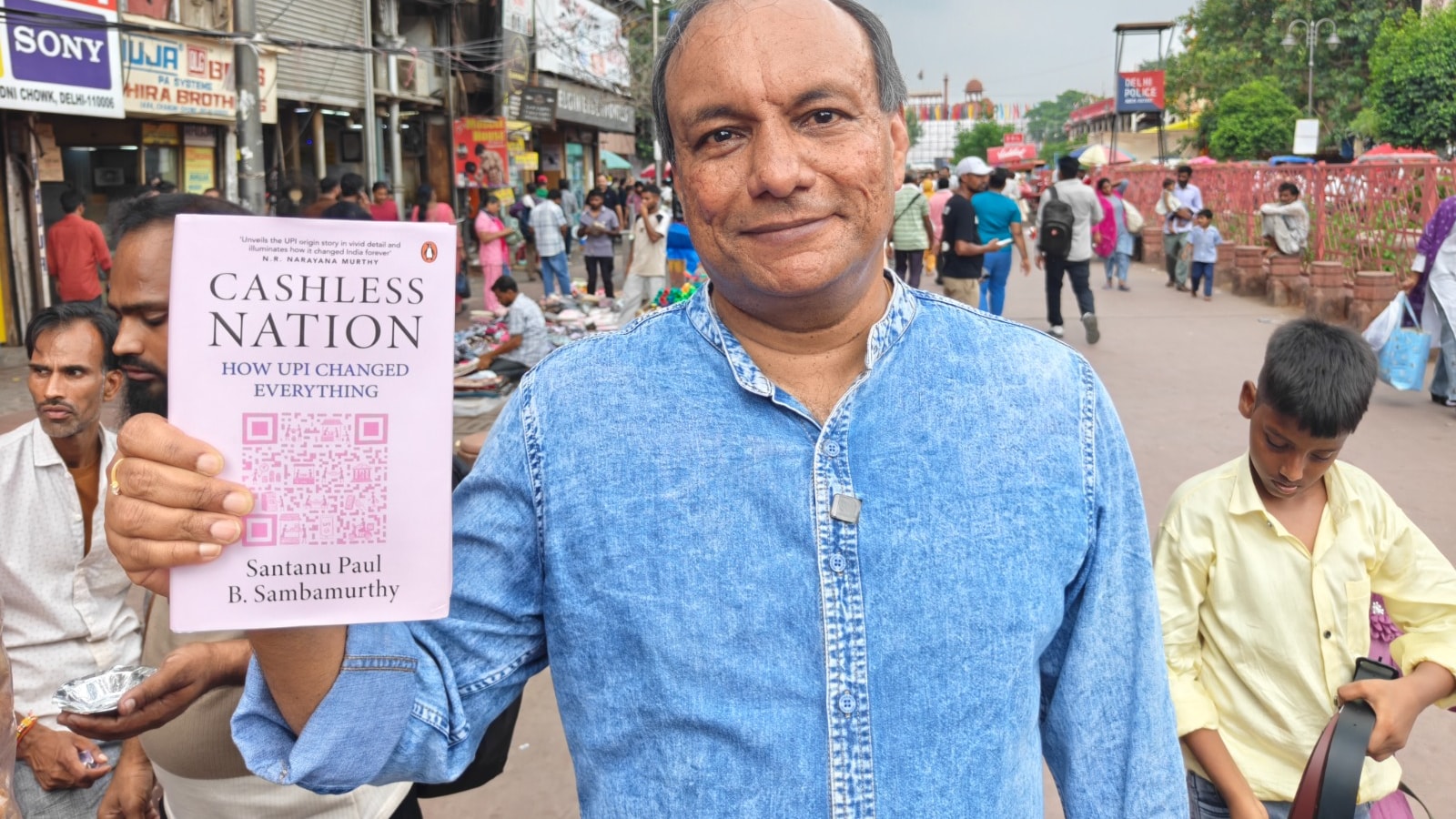
Dr Santanu Paul and critics of new fees argue that UPI’s free-to-use structure encouraged millions of small merchants to adopt digital payments and should be protected.
Create Sustainable Funding
Policymakers have discussed allowing MDR on selected transactions, particularly those involving larger merchants, to fund cybersecurity, innovation and network expansion.
Impact on consumers
Preserve Free UPI Access
The Indian government, including Finance Minister Nirmala Sitharaman, says ordinary users and small merchants will not pay UPI transaction charges.
Create Sustainable Funding
Critics warn that businesses could pass even limited merchant costs to consumers through higher prices, convenience fees or other charges.
International competition
Preserve Free UPI Access
Indian policymakers describe UPI and RuPay as domestic public infrastructure designed around India’s financial-inclusion goals.
Create Sustainable Funding
The United States Trade Representative has reportedly raised concerns that zero MDR creates an uneven competitive environment for foreign payment networks such as Visa and Mastercard.
Key facts
- Launch date
- UPI began on August 26, 2016.
- Reported users
- More than 55 crore Indians use UPI, according to Dr Santanu Paul.
- Reported merchants
- About 6.5 crore merchants accept UPI payments.
- Reported 2025-26 value
- India made payments worth ₹314 lakh crore through UPI in 2025-26.
- International reach
- UPI is operational in 11 countries, including France, Singapore and the United Arab Emirates.
- Merchant fee policy
- UPI transactions have operated under a zero Merchant Discount Rate, or MDR, for years; no final framework for future charges has been announced.
- Internet dependence
- UPI requires internet connectivity, so outages or shutdowns can halt transactions.
Quotes
Prime Minister Narendra Modi
India's prime minister and advocate of fintech adoption
“Will consumers pay any UPI charge? No. UPI has remained free for consumers since its launch, and every Indian will continue to make this instant digital payment without paying any transaction charge.”
 NDTV
NDTV
“What makes UPI so revolutionary and acceptable is because it is frictionless, and very rarely do transactions fail.”
NDTV
Sources
Related news

UPI at Ten: India’s Payment Rail Enters Next Decade
UPI Turns India’s Payment Experiment Into Global Infrastructure

Modi Marks UPI’s Decade as India’s Digital Payments Turning Point
UPI at 10: India's biggest payments system faces fee challenge

UPI’s Decade Transforms India’s Digital Economy Toward 2047

Naidu Hails UPI’s Transformative Impact on India’s Payments
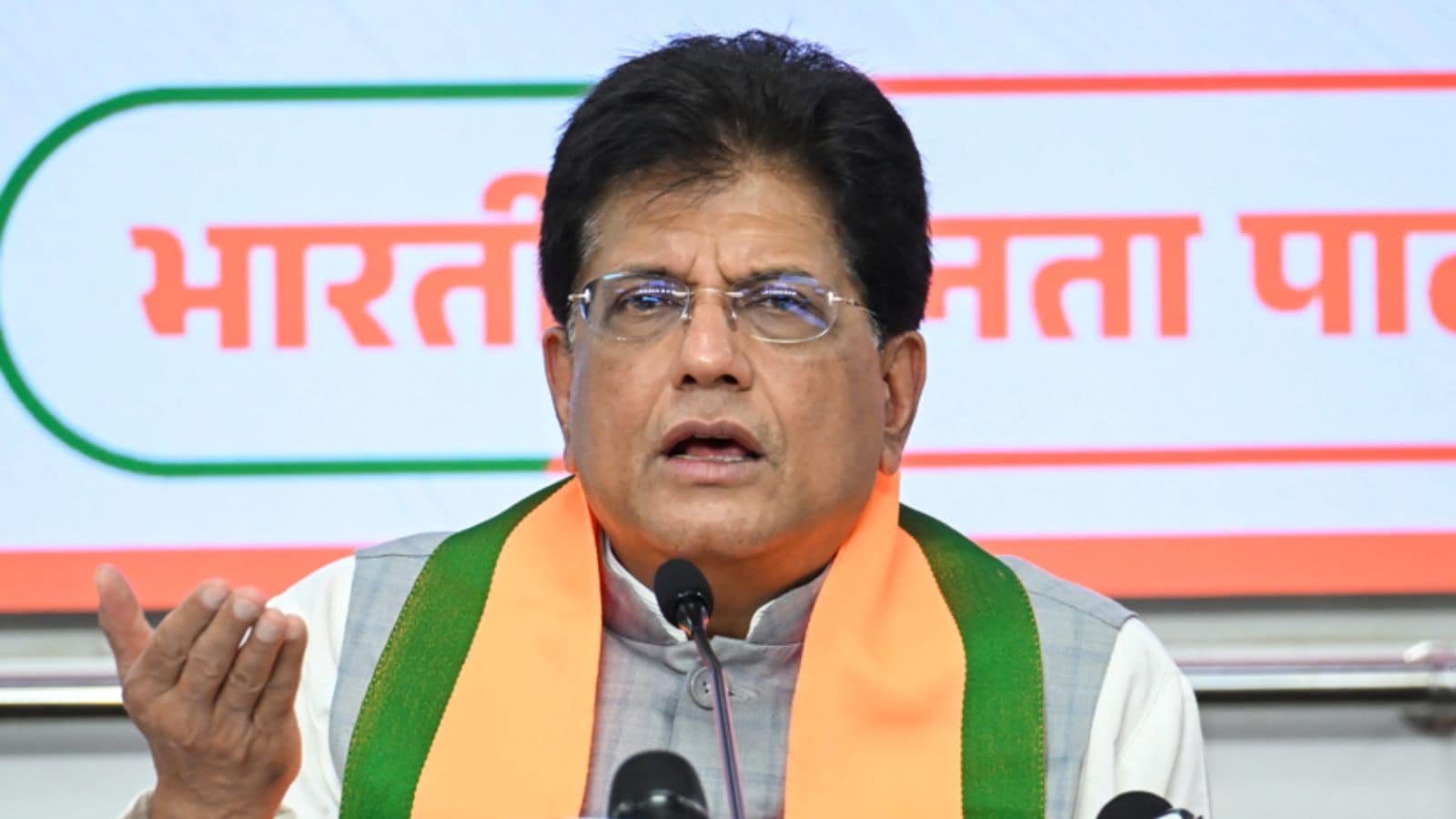
Goyal Defends India’s 7.8% GDP Growth Amid Data Debate
Manipur Census Deferment Welcomed as Step Toward Public Aspirations
UPSC Key Covers SCO, Electoral Rolls, Economy, Defence and Climate
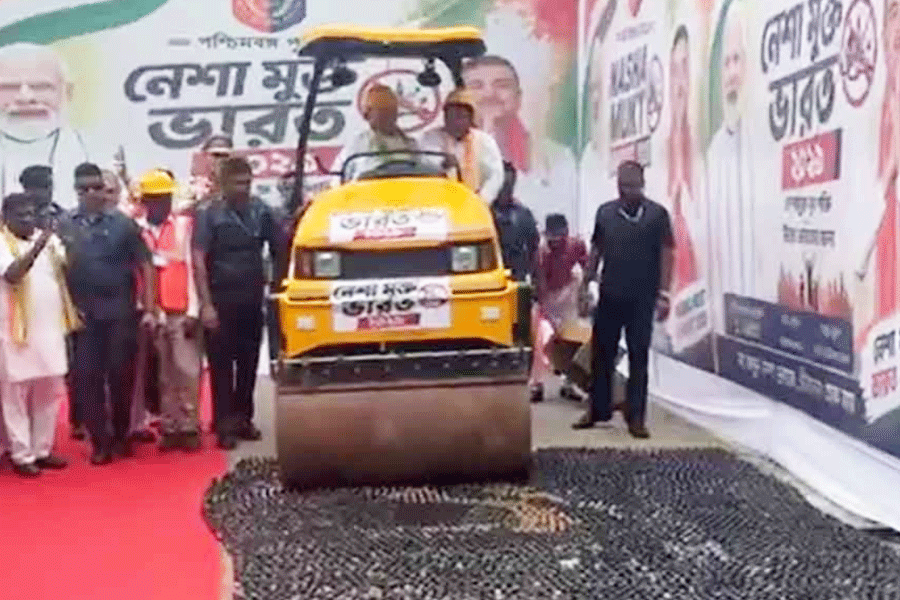
West Bengal CM Crushes Nearly 2 Lakh Seized Syrup Bottles

Modi Highlights India’s Growing Avocado Market and Farmer Gains