1 week ago
UPI Turns India’s Payment Experiment Into Global Infrastructure
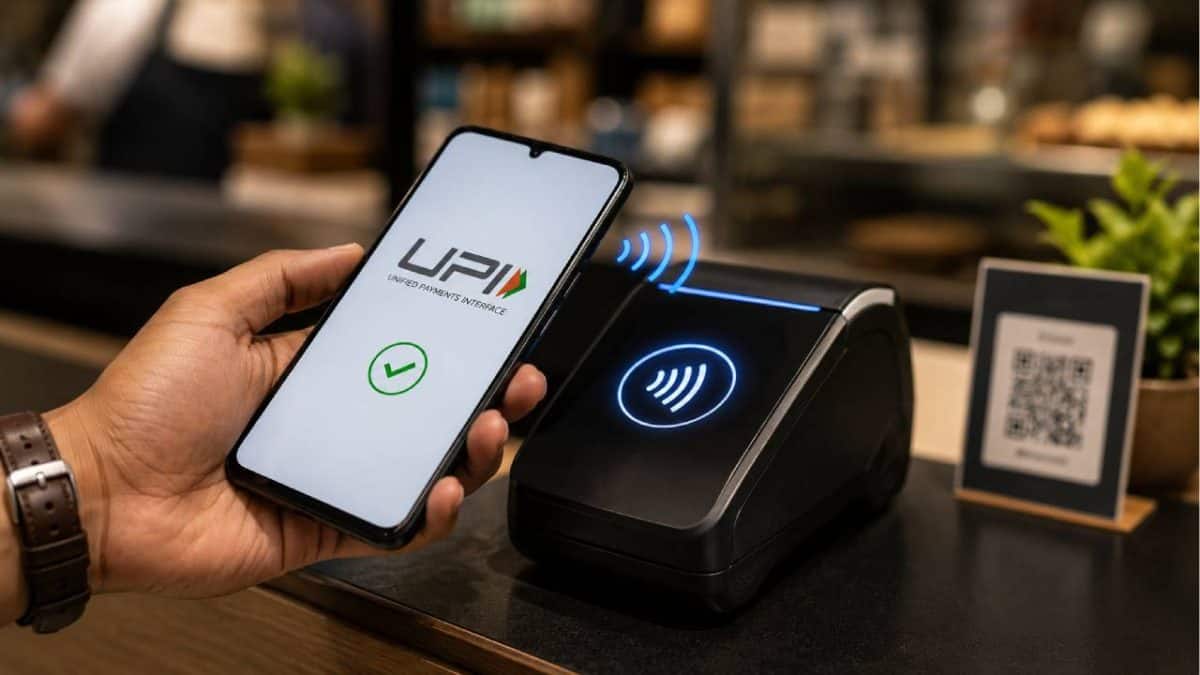
UPI is a system that lets people send money instantly between bank accounts.
It began in India with 21 banks in 2016.
After 10 years, hundreds of banks and millions of people use it every day.
People can use UPI to pay shops, bills, businesses and each other.
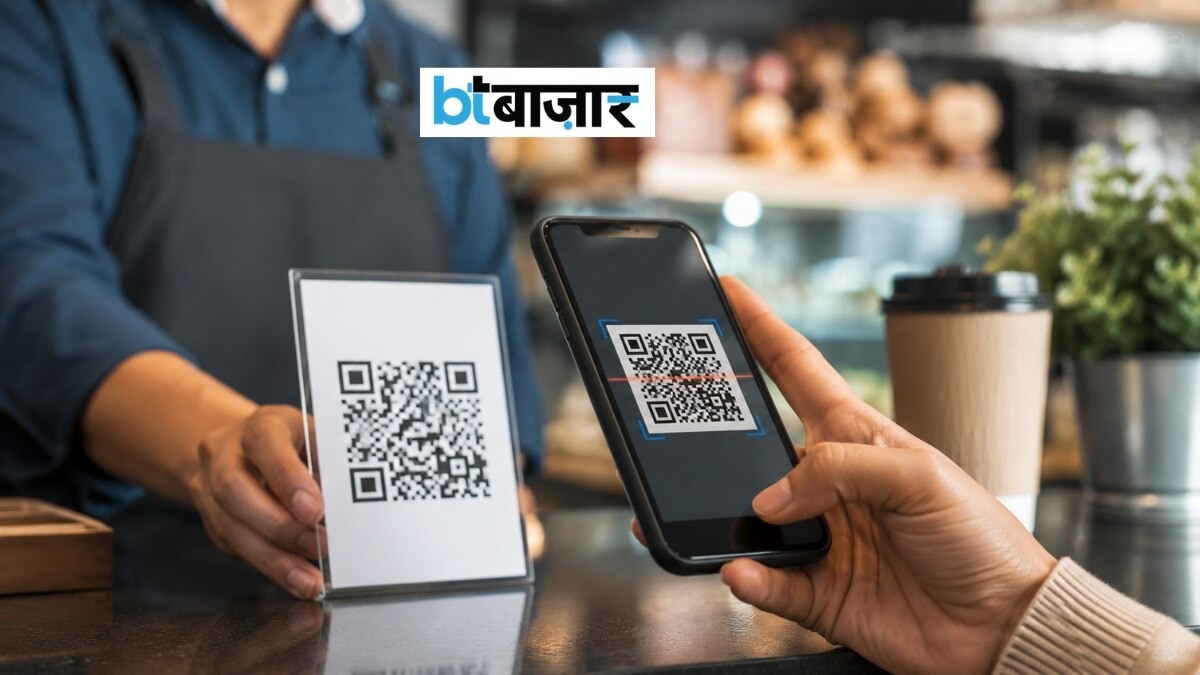
QR codes made it easier for small shops to accept digital payments without card machines.
UPI became especially useful during the COVID-19 pandemic when people had fewer chances to handle cash.
It now also supports some recurring payments, smaller transactions and access to credit.
UPI is used in 11 countries and is being watched as an example of digital infrastructure.
Its future challenges include fraud, cybersecurity, consumer protection and managing international connections.

UPI transaction volume grew from 1.78 crore in FY2016-17 to over 24,162 crore in FY2025-26.
Annual transaction value rose from ₹0.07 lakh crore to approximately ₹314 lakh crore over the same period.
UPI accounted for 84% of India’s digital payments in FY2025-26 and processed about 66 crore daily transactions in 2026.
The platform expanded from 21 member banks at launch to 741 banks by July 2026.
UPI is operational in 11 countries and accounted for about 49% of global real-time payment volume in 2024, according to cited government data.
- Who
- The National Payments Corporation of India developed UPI, which is used by Indian consumers, businesses, banks and fintech companies.
- What
- UPI has grown from an interoperable bank-to-bank payment system into a major digital payments and financial-services platform.
- Where
- UPI operates across India and in 11 countries, including Singapore, the UAE, France, Nepal, Bhutan, Sri Lanka and Greece.
- When
- UPI was piloted in April 2016 and opened to the public on August 25, 2016; the reported growth comparison runs through FY2025-26 and July 2026.
- Why
- Interoperability, QR-based payments, broad bank participation and everyday usefulness helped UPI achieve mass adoption and expand internationally.
Expansion and Opportunity
Risks and Constraints
Future of UPI
Expansion and Opportunity
Supporters and industry executives say UPI’s simplicity, international expansion and credit features could broaden access to financial products and help businesses grow.
Risks and Constraints
The article warns that expansion into credit, cross-border payments and more advanced systems could increase fraud, cybersecurity, consumer-protection and system-resilience risks.
Economic impact
Expansion and Opportunity
The platform has reduced reliance on cash on delivery, helped small merchants accept payments and made digital transactions routine.
Risks and Constraints
Maintaining UPI’s simplicity while adding more sophisticated financial capabilities and connecting different regulatory and payment systems will be difficult.
Key facts
- Launch
- UPI was piloted in April 2016 with 21 member banks and opened to the public on August 25, 2016.
- Transaction volume
- Annual volume increased from 1.78 crore in FY2016-17 to more than 24,162 crore in FY2025-26.
- Transaction value
- Annual value rose from ₹0.07 lakh crore to approximately ₹314 lakh crore over the same period.
- July 2026 activity
- UPI processed 2,365.8 crore transactions worth ₹29.87 lakh crore in July 2026.
- Merchant payments
- Person-to-merchant payments represented 63% of transaction volume, and 86% of P2M transactions were below ₹500 in FY2026.
- QR infrastructure
- By FY2024-25, 56.86 crore QR codes had been deployed across approximately 6.5 crore merchants.
- Global standing
- Government data citing ACI Worldwide said UPI accounted for about 49% of global real-time payment transaction volume in 2024.
Quotes
Siddharth Mehta
Co-founder and COO of Kiwi
“The last 10 years of UPI have been remarkable. An almost 13,000-fold surge in transaction volume and a nearly 4,000-fold increase in transaction value over the decade.”
 businesstoday.in
“Digital payment is now second nature for Indian consumers, and cash-on-delivery dependence for online-first merchants has come down sharply as a result.”
businesstoday.in
Sources
Related news

UPI at Ten: India’s Payment Rail Enters Next Decade

UPI Turns Ten With 13,000-Fold Growth, Global Expansion

Modi Marks UPI’s Decade as India’s Digital Payments Turning Point
UPI Reaches 741 Banks as India’s Payments Ecosystem Expands

UPI’s Decade Transforms India’s Digital Economy Toward 2047
India’s UPI Revolution Pushes Digital Payments Toward Cashlessness

Nepal Plans New Landslide Warning System Along China Border

Nepal Thanks India as Glacial Disaster Rescue Efforts Continue

Nepal Warns of Heavy Rain After Deadly Floods
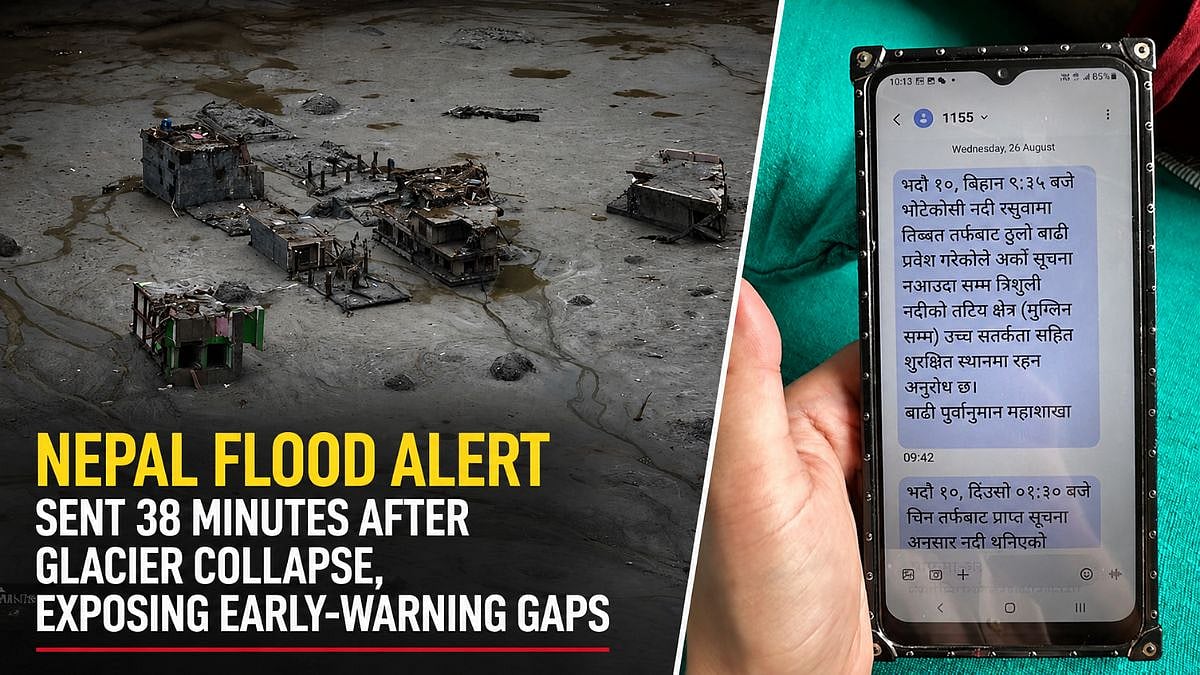
Nepal Flood Exposes Delayed Alerts and Cross-Border Warning Gaps

India to Rebuild Nepal School After Principal Saves 1,600