2 hrs ago
China's SCO Power Grab Shapes Global Alliances and Trade
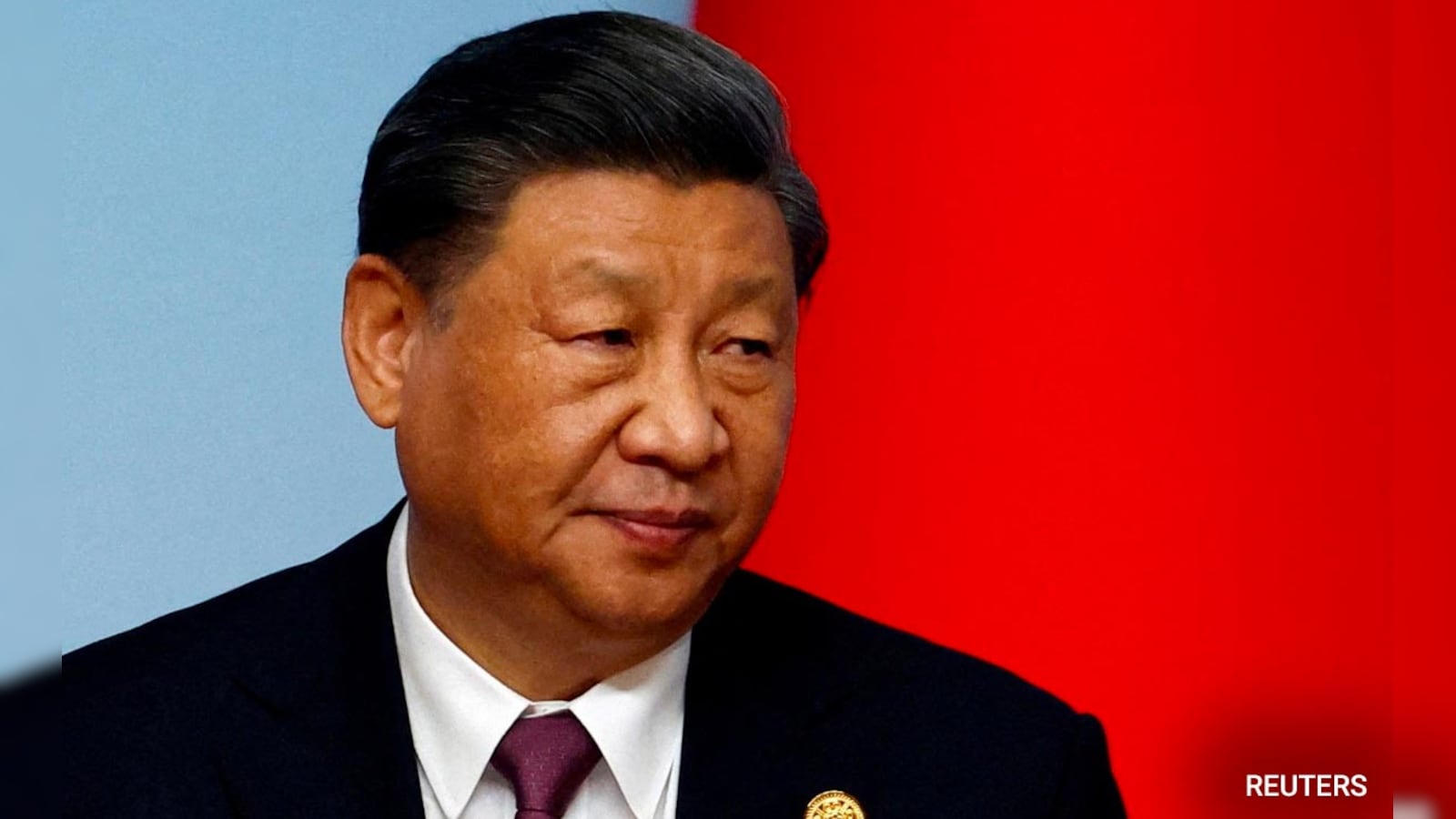
The article says China is becoming the most powerful country in the Shanghai Cooperation Organisation.
Many countries in the group trade most with China and use Chinese equipment.
New plans could help Chinese goods move through ports and transport routes.
They could also lead to new data centers and technology projects in poorer countries.
The author says these projects may benefit China more than the other members.
The group has spoken about wars, terrorism and helping Afghanistan, but the author says it has not solved those problems.
China is also described as working with different sides without formally promising to defend Iran.
The author thinks India should improve its economy and infrastructure and keep Russia involved to balance China.

The Shanghai Cooperation Organisation summit is portrayed as increasingly dominated by China’s economic, technological and military influence.
The SCO’s Bishkek Declaration and 28 additional documents emphasize connectivity, logistics, data centers, artificial intelligence and trade with China.
The article argues that the organization has issued statements on Iran, Afghanistan, terrorism and Ukraine but has done little to stop ongoing conflicts.
China is described as balancing cooperation with Iran and Russia while avoiding formal defense commitments and benefiting from geopolitical tensions.
The author urges India to strengthen its economy and logistics while encouraging Russia’s return as a counterweight to Beijing.
- Who
- China, led by President Xi Jinping, and the members and partners of the Shanghai Cooperation Organisation; India is a central subject of the analysis.
- What
- The article assesses China’s growing influence through the Shanghai Cooperation Organisation and its implications for trade, technology, security and regional diplomacy.
- Where
- The Shanghai Cooperation Organisation’s Bishkek meeting, with implications across China, India, Central Asia, Iran, Pakistan, Russia and other partner countries.
- When
- The analysis concerns the SCO summit and developments in 2026, with Xi Jinping’s planned visits to India and Washington expected in late September.
- Why
- The author argues that China is using trade, infrastructure, technology, military equipment and diplomacy to expand its influence while other countries weigh their responses.
SCO’s stated cooperation
Author’s assessment
Trade and connectivity
SCO’s stated cooperation
The SCO documents promote connectivity and invite members to participate in events focused on exporting to China’s large market.
Author’s assessment
The author argues that high tariffs, fraud risks and unequal benefits mean the arrangements are primarily designed to expand Chinese goods and influence.
Security and conflict
SCO’s stated cooperation
The Bishkek Declaration calls for stronger United Nations cooperation, support for Afghanistan, action against cross-border terrorism and drug trafficking, and condolences for Iran.
Author’s assessment
The author says the SCO has not meaningfully stopped the Iran, Ukraine or other conflicts and suggests its members’ policies may enable them.
Chinese development projects
SCO’s stated cooperation
Plans for ports, logistics centers, regional computing capacity and artificial intelligence could improve infrastructure and technological cooperation among members.
Author’s assessment
The author warns that Chinese-linked projects could place environmental and resource costs on poorer countries while serving Beijing’s commercial interests.
Key facts
- Organisation
- Shanghai Cooperation Organisation
- Core members listed
- Russia, China, Belarus, India, Iran, Pakistan, Kazakhstan, Kyrgyzstan, Tajikistan and Uzbekistan
- Additional partners
- The article says roughly 15 dialogue partners or observers were converted to “Partners” after the previous Tianjin summit, including Saudi Arabia, Turkey and the United Arab Emirates.
- Documents signed
- The Bishkek summit reportedly produced the main declaration plus 28 other documents.
- Technology comparison
- The article cites the ASPI Critical Technology Tracker as finding China ahead in 69 of 74 tracked technologies, compared with five for the United States.
- India’s growth
- The article cites India’s growth rate as 7.6%.
Sources
Related news
India Balances China, Russia and Pakistan at SCO Summit

Modi at SCO Summit for Putin Talks, Likely Xi Meeting
Why Iran Makes India’s Bishkek SCO Summit Different

Putin Turns to Xi as Russia’s Wartime Clout Crumbles
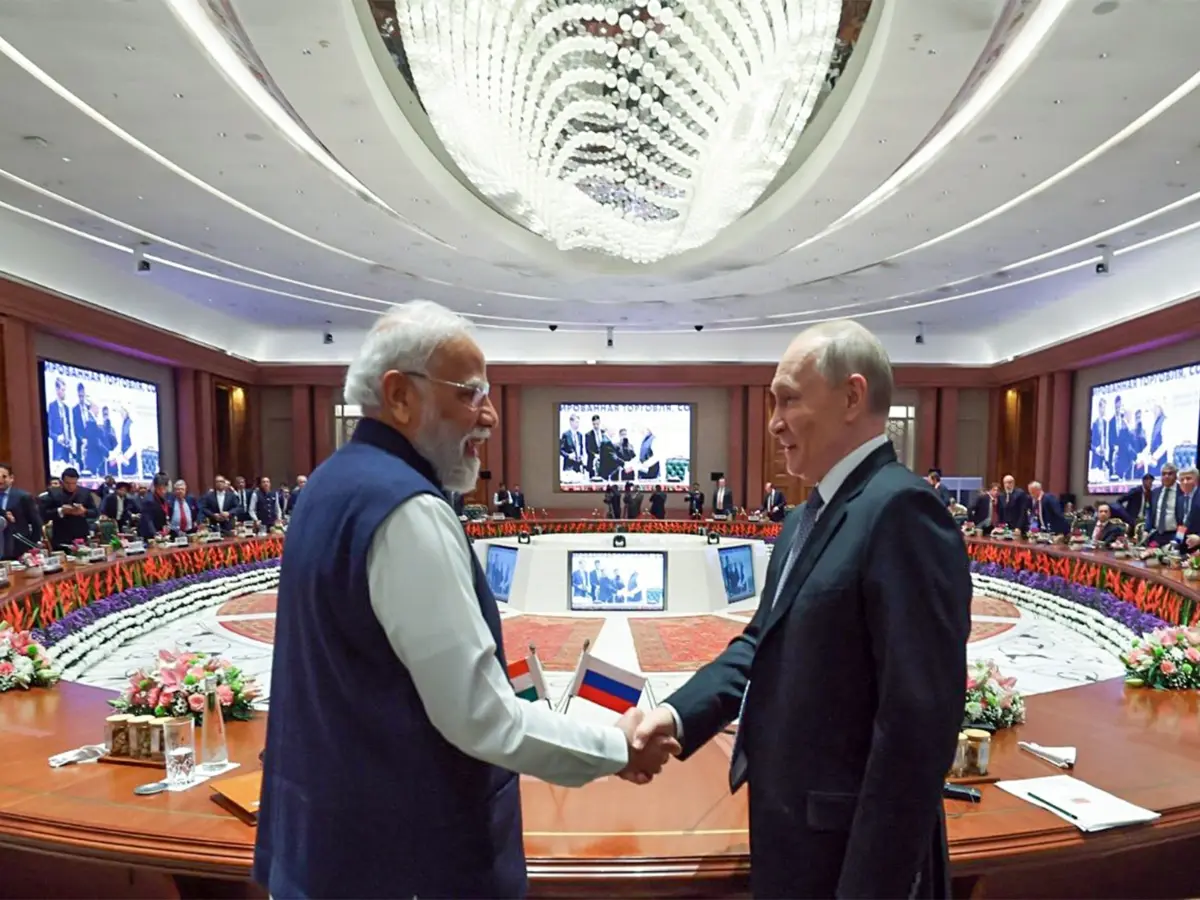
Putin, Modi, Xi and Pezeshkian Set for SCO Summit

Manipur Census Deferment Welcomed as Step Toward Public Aspirations
UPSC Key Covers SCO, Electoral Rolls, Economy, Defence and Climate

West Bengal CM Crushes Nearly 2 Lakh Seized Syrup Bottles

Modi Highlights India’s Growing Avocado Market and Farmer Gains