3 weeks ago
UPI at 10: India's biggest payments system faces fee challenge
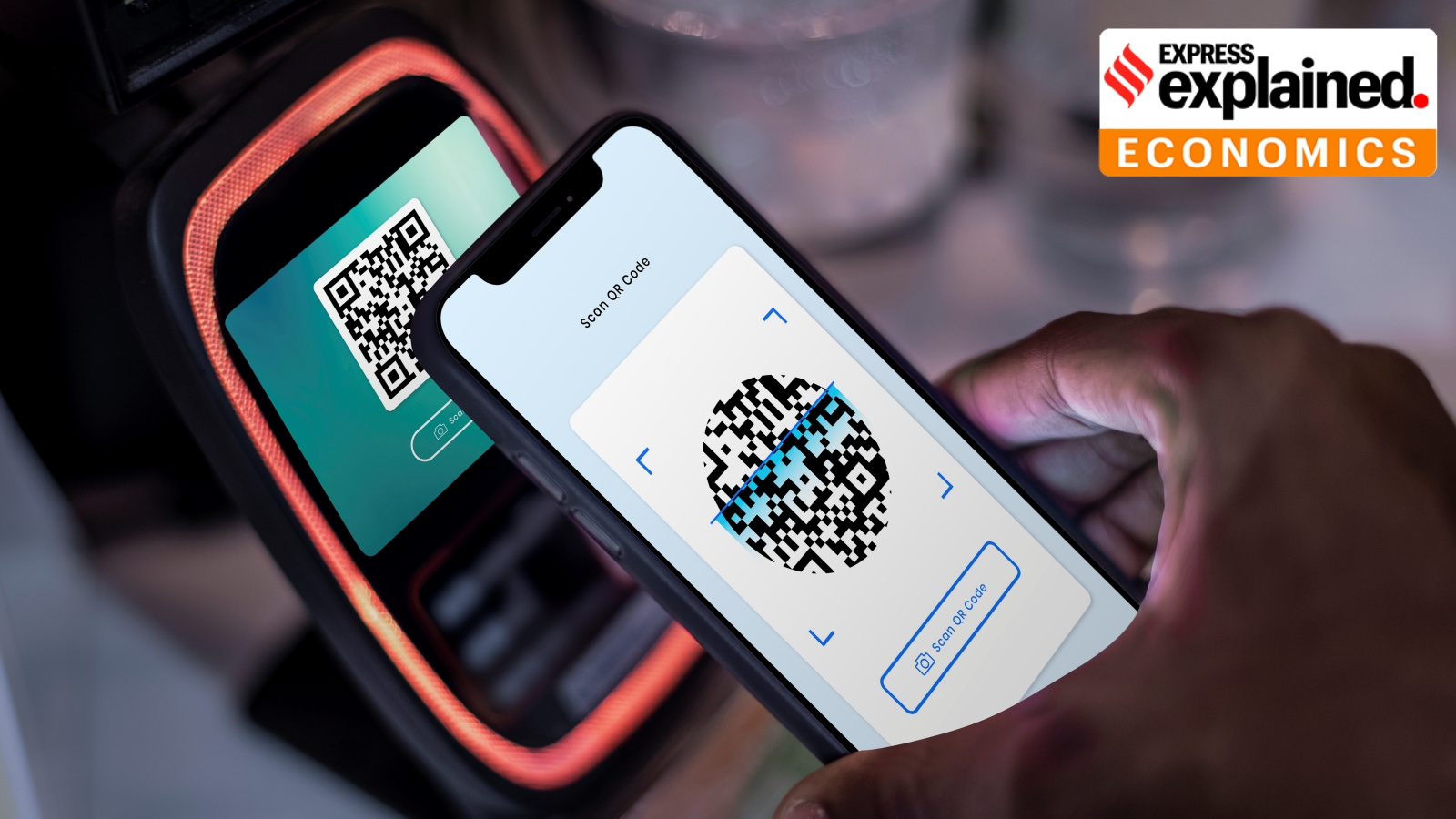
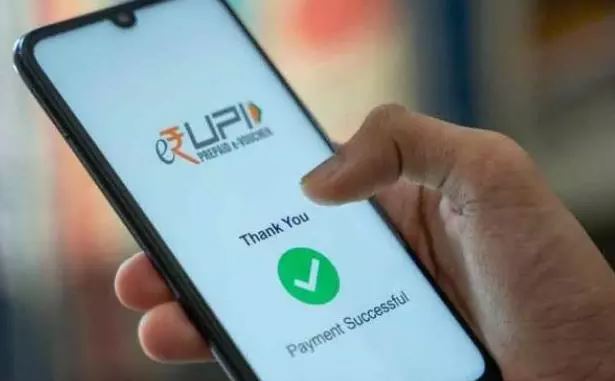
India has a system for paying with your phone called UPI.
It lets people pay shops without using cash.
Back in 2012, an average Indian made only six non-cash payments in a whole year.
Today, more than 55 crore people use UPI, and it handles most of India's digital payments.
Two apps, PhonePe and Google Pay, process most of those transactions.
So far, shops haven't had to pay a fee when customers pay with UPI.
But the companies running the system say this is costing them a lot of money.
The government used to help pay for it, but now it says subsidies alone can't work forever.
So the industry wants big merchants to pay a small fee on large payments.
A recent law change now makes such fees possible, and UPI is also expanding to other countries like Singapore and France.

UPI, piloted in April 2016, now processes 86% of India's 28,174 crore digital transactions in 2025-26, with more than 55 crore users.
An amendment to the Payments and Settlement Systems Act, 2007 has removed the legal barrier to charging merchants fees on UPI payments.
PhonePe and Google Pay handled 80% of UPI transactions by volume and 83% by value in July; a 30% per-player market share cap was postponed to December 2026.
The industry wants MDR of 0.3-0.6% on payments above Rs 2,000 to large merchants, which make up 4% of transactions but 68% of value.
UPI is operational in nine countries, including Singapore (via the PayNow link), France and Qatar, as cross-border expansion accelerates.
- Who
- The Reserve Bank of India, the National Payments Corporation of India, payments firms such as PhonePe, Google Pay, Paytm, and banks including the State Bank of India.
- What
- UPI marked 10 years as India's dominant digital payments system, while a law change opens the door to merchant fees (MDR) on UPI transactions.
- Where
- India, with UPI also operational in Bhutan, France, Mauritius, Nepal, Singapore, Sri Lanka, UAE, Qatar and Cambodia.
- When
- April 2026, a decade after UPI's pilot launch in April 2016.
- Why
- The government says relying on subsidies alone is not viable for the next wave of growth, and the industry needs funds to cover costs and expand.
Zero-MDR supporters
MDR proponents
Merchant Discount Rate (MDR)
Zero-MDR supporters
Zero MDR has been the right call — it let UPI reach smaller merchants and drive adoption at scale, with consumers and small shops paying nothing.
MDR proponents
With infrastructure costs of about Rs 20,000 crore a year, a calibrated MDR of 0.3-0.6% on large-merchant payments above Rs 2,000 can fund growth, credit access and cross-border expansion.
Market share concentration
Zero-MDR supporters
PhonePe and Google Pay's control of 80% of UPI volume is a concentration risk that the long-delayed 30% market share cap was designed to address.
MDR proponents
No player has been able to erode the top two apps' dominance, and the cap has been postponed repeatedly, with the current deadline set for December 2026.
Funding UPI's next wave
Zero-MDR supporters
Government subsidies should continue so that small merchants and consumers are shielded from fees, as the 2019 Nilekani-led committee recommended.
MDR proponents
The finance ministry says subsidies alone are not viable for the next wave of growth, and since public funds cannot be used, money must be generated through merchant fees.
Key facts
- Launched
- Pilot in April 2016; fully operational from August 2016
- Users
- More than 55 crore people
- Digital transactions (2025-26)
- 28,174 crore, 86% via UPI
- Top apps' share (July)
- PhonePe and Google Pay: 80% of volume, 83% of value
- Annual infrastructure cost
- Around Rs 20,000 crore
- Proposed MDR
- 0.3-0.6% on payments above Rs 2,000 to large merchants
- Market share cap deadline
- December 2026
- Countries with UPI live
- 9: Bhutan, France, Mauritius, Nepal, Singapore, Sri Lanka, UAE, Qatar, Cambodia
Quotes
Anirban Mukherjee
CEO, PayU
“For core UPI, zero MDR has been the right call; it is what allowed the ecosystem to reach smaller merchants and drive adoption at scale. However, the future can’t be only about processing more transactions and its next phase needs to be about creating more value per transaction for consumers, merchants and the ecosystem.”
 indianexpress.com
“The scale of digital payments today means that even a relatively small unrecovered cost per transaction can translate into a significant financial burden across banks, Payment Service Providers, and other ecosystem participants.”
indianexpress.com
Sources
Related news
UPI Growth Slows to 23.5% in FY27 Amid MDR Debate
UPI Turns India’s Payment Experiment Into Global Infrastructure

UPI at Ten: India’s Payment Rail Enters Next Decade
India’s UPI Revolution Pushes Digital Payments Toward Cashlessness
India Moves to Allow Merchant Fees on UPI Transactions
Major Banks Cut FCNR Deposit Rates After Subsidy Ends

Axis Securities Names 15 Stocks With Up To 40% Upside
Indian Market Ends Lower as Volatility Keeps Trading Non-Directional
Anand Mahindra Says Businesses Need Stability and Direction

Gold loans set for Rs 30 lakh crore by FY28