1 week ago
Modi Marks UPI’s Decade as India’s Digital Payments Turning Point

UPI is a system that lets people send money instantly using a mobile phone.
It can connect several bank accounts through one participating bank or payment app.
Prime Minister Narendra Modi said UPI’s launch was a major turning point for digital payments in India.
He asked people to share how UPI has changed their lives.
UPI was launched publicly on August 25, 2016, after a pilot involving 21 banks.
The number and value of UPI payments have grown enormously since then.
UPI is now accepted in 11 countries, including Greece and the Maldives.
New features allow some users to pay with a fingerprint or face unlock.
Aadhaar-based face authentication can also help people set up a UPI PIN.

Prime Minister Narendra Modi called UPI’s scale and reach a source of pride while asking users to share how it affected their lives.
UPI was publicly launched on August 25, 2016, by the National Payments Corporation of India under Reserve Bank of India oversight, following an April pilot with 21 banks.
Annual UPI transaction volume grew from 1.78 crore or 2 crore in FY 2016-17 to more than 24,162 crore in FY 2025-26; sources describe this as roughly 12,000- to 13,000-fold growth.
Annual transaction value increased from Rs 0.07 lakh crore to about Rs 314 lakh crore over the same period.
UPI is accepted in 11 countries, accounted for nearly 49 per cent of global real-time payment volume in 2024, and added fingerprint, face-unlock and Aadhaar-based authentication features.
- Who
- Prime Minister Narendra Modi, Defence Minister Rajnath Singh, the National Payments Corporation of India, the Reserve Bank of India, participating banks, payment providers and UPI users.
- What
- India marked 10 years of the Unified Payments Interface, a real-time digital payment system, with officials highlighting its growth and reach.
- Where
- New Delhi and India, with UPI also accepted in 11 countries: Bhutan, Nepal, Singapore, the United Arab Emirates, France, Sri Lanka, Mauritius, Qatar, Greece and the Maldives.
- When
- Tuesday, August 25, 2026; UPI was publicly launched on August 25, 2016.
- Why
- To mark UPI’s decade-long expansion and highlight its role in India’s digital payments journey.
Key facts
- Public launch
- August 25, 2016, following an April 2016 pilot involving 21 member banks.
- Developer and oversight
- Developed by the National Payments Corporation of India under the regulatory oversight of the Reserve Bank of India.
- Transaction volume
- Annual volume reached more than 24,162 crore transactions in FY 2025-26, compared with 1.78 crore or 2 crore in FY 2016-17, depending on the source cited.
- Transaction value
- Annual value rose from Rs 0.07 lakh crore to about Rs 314 lakh crore between FY 2016-17 and FY 2025-26.
- July 2026 activity
- The network had 741 live banks, processed 2,365.8 crore transactions and recorded Rs 29.87 lakh crore in transaction value.
- International reach
- UPI is accepted in 11 countries, with Greece and the Maldives identified as the latest adopters.
- Authentication
- On-device fingerprint or face-unlock payments were introduced in 2025, while Aadhaar-based face authentication was added for UPI PIN onboarding.
Quotes

Narendra Modi
Prime Minister of India
“A decade ago, UPI was launched, marking a major turning point in India's digital payments journey. The massive scale and reach of UPI are a source of pride for every Indian. Tell me about your experience with UPI and how it has impacted your life...”
 thehansindia.com
thehansindia.com
thehansindia.com
 republicworld.com
 deccanchronicle.com
“A decade ago, UPI was rolled out, marking a amajor turning point in India's digital payments journey. The sheer scale and reach of UPI are something every Indian must be proud of.”
thehansindia.com
Sources

Every Indian must be proud: PM Modi on 10 years of UPI

10 Years of UPI: PM Modi Celebrates India’s Digital Payment Boom
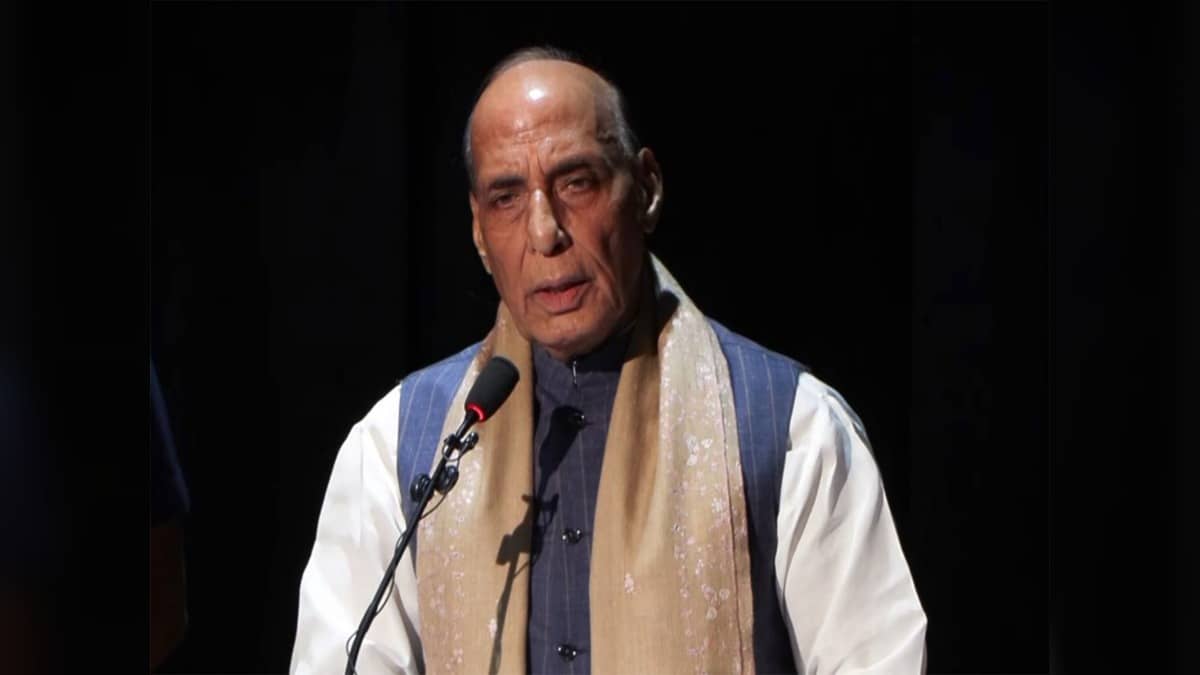
'UPI Made Transactions Fast, Simple, Secure': Defence Minister Rajnath Singh Marks 10 Years of Digital Payments
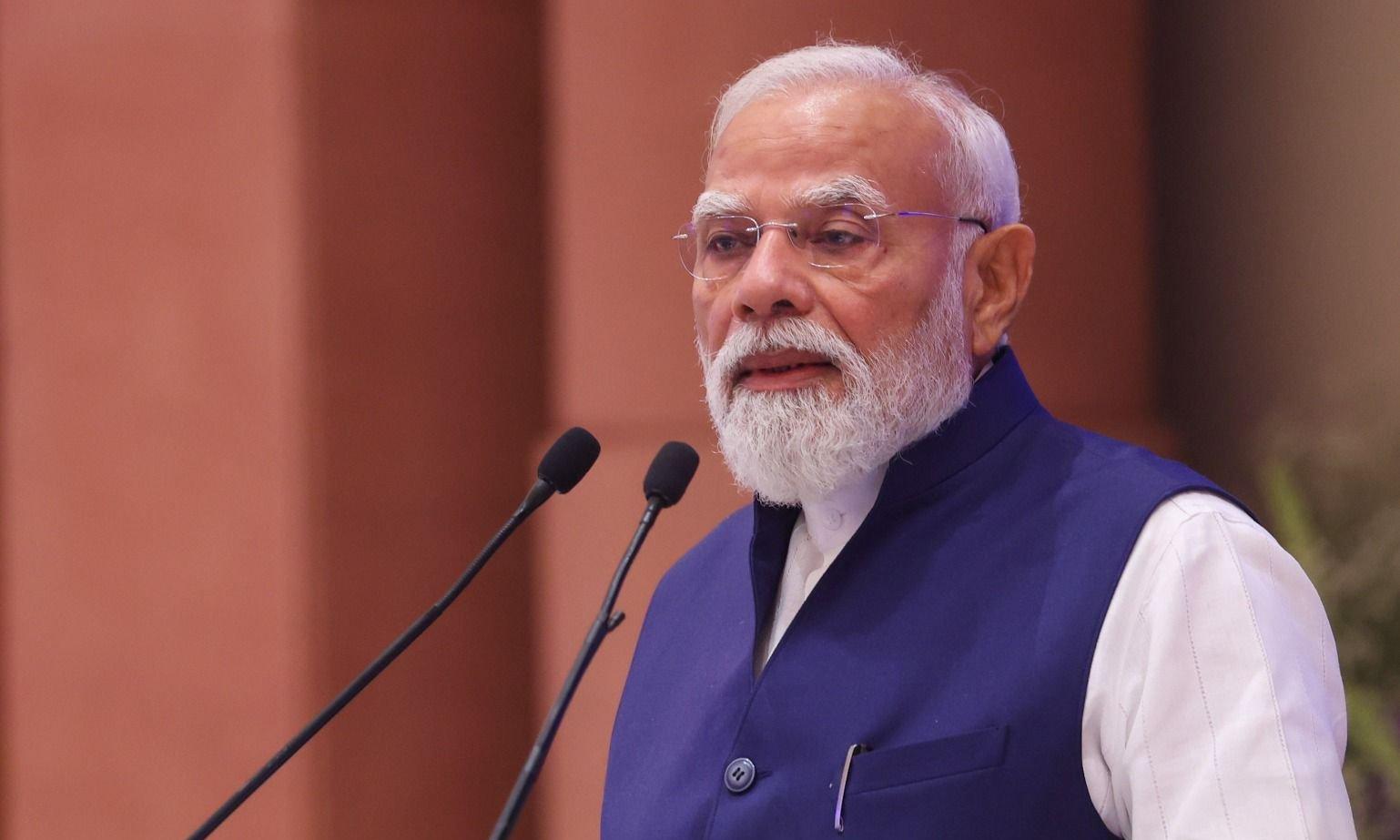
PM Modi Hails 10 Years of UPI as Turning Point in Digital Payments
Every Indian must be proud of 10 years of UPI: PM Modi
Related news

UPI Turns Ten With 13,000-Fold Growth, Global Expansion

Naidu Hails UPI’s Transformative Impact on India’s Payments
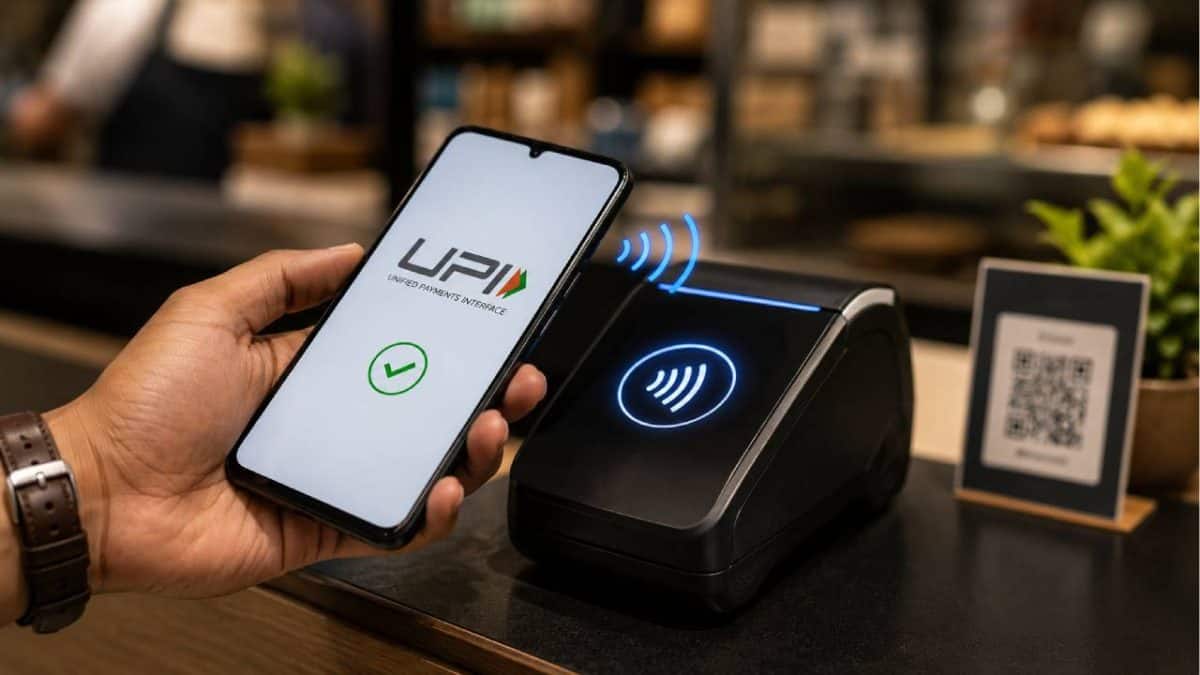
UPI Turns India’s Payment Experiment Into Global Infrastructure

UPI at Ten: India’s Payment Rail Enters Next Decade

UPI Turns Ten as Modi Hails Major Turning Point

UPI Reaches Decade Milestone as India’s Digital Payments Backbone
Goyal Defends India’s 7.8% GDP Growth Amid Data Debate
Manipur Census Deferment Welcomed as Step Toward Public Aspirations
UPSC Key Covers SCO, Electoral Rolls, Economy, Defence and Climate

West Bengal CM Crushes Nearly 2 Lakh Seized Syrup Bottles

Modi Highlights India’s Growing Avocado Market and Farmer Gains