

1 week ago
UPI’s Decade Transforms India’s Digital Economy Toward 2047

UPI is a system that lets people send money instantly between different banks.
It began ten years ago with very few transactions but now handles enormous amounts of money.
More than 500 million Indians use it through over 700 banks.
Shopkeepers in cities, towns, and villages can accept payments with QR codes.
The pandemic helped make contactless payments a normal habit.
UPI also creates transaction records that may help lenders offer loans to people without traditional credit histories.
Along with Aadhaar and bank-account programs, it forms part of India’s digital public infrastructure.
UPI is also connected with some countries outside India.
Its future challenges include reaching people with poor internet access and preventing fraud.

UPI has grown from 373 first-month transactions across 21 banks to 24,162 crore transactions worth ₹314 lakh crore.
The system now connects more than 700 banks and reaches over 500 million Indians.
UPI accounts for roughly 85% of India’s digital payment volume and nearly half of global real-time payments.
Its shared infrastructure has expanded digital payments from urban users to rural communities and small merchants.
The next priorities include offline access, stronger fraud protection, and deeper links with credit, insurance, and digital commerce.
- Who
- The Unified Payments Interface, more than 700 banks, and over 500 million Indian users, including small merchants.
- What
- UPI has become a major shared payments network and a foundation for India’s wider digital economy.
- Where
- Across India, including rural areas and small towns, with international linkages to Singapore, the United Arab Emirates, and France.
- When
- UPI launched ten years ago; the article describes its current scale and priorities for the next decade toward 2047.
- Why
- Its shared, low-cost infrastructure makes instant digital payments broadly accessible and creates transaction data that can support formal credit and economic activity.
Expansion and Economic Benefits
Inclusion and Security Concerns
Role of UPI
Expansion and Economic Benefits
UPI is presented as foundational infrastructure that lowers transaction costs, expands the formal economy, and supports new credit markets.
Inclusion and Security Concerns
The article cautions that UPI should not be treated as a finished product and must be linked carefully with credit, insurance, and digital commerce.
Access
Expansion and Economic Benefits
QR payments and shared bank connectivity have made digital payments available to small merchants and rural users.
Inclusion and Security Concerns
Offline and low-connectivity options still need expansion so households with limited internet access are not excluded.
Trust and safety
Expansion and Economic Benefits
Transaction records can help lenders assess borrowers who lack conventional credit histories and documentation.
Inclusion and Security Concerns
Fraud defences must become stronger as scams targeting ordinary users grow more sophisticated.
Key facts
- Current transaction volume
- 24,162 crore transactions
- Current transaction value
- ₹314 lakh crore
- Bank participation
- More than 700 banks
- Users reached
- More than 500 million Indians
- Share of India’s digital payments
- Roughly 85% of total digital payment volume
- Global real-time payments share
- Nearly half of real-time payments worldwide
- International linkages
- Singapore, the United Arab Emirates, France, and several other countries
Sources
Related news

UPI at Ten: India’s Payment Rail Enters Next Decade

UPI Turns India’s Payment Experiment Into Global Infrastructure

Modi Marks UPI’s Decade as India’s Digital Payments Turning Point
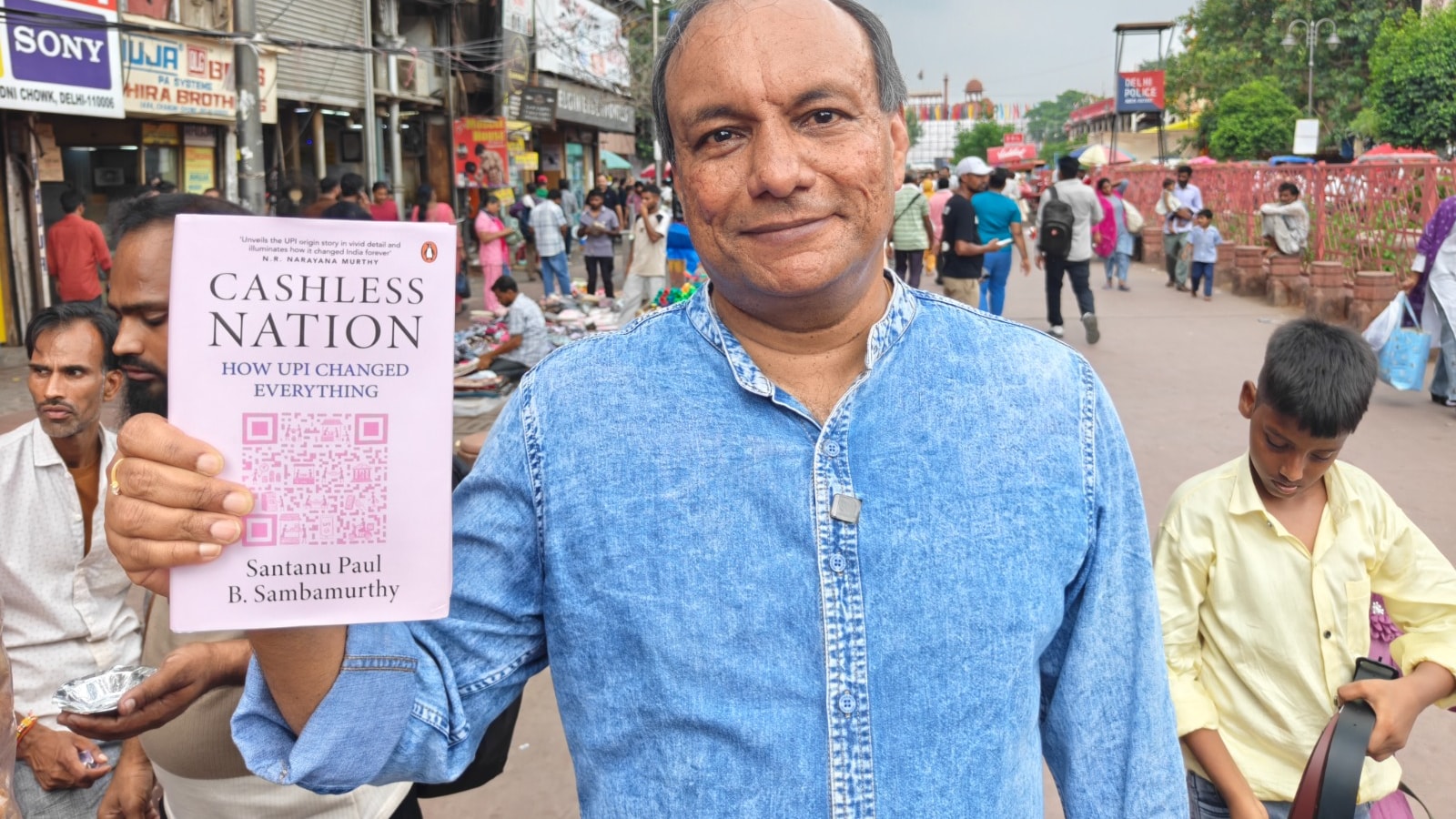
India’s UPI Revolution Pushes Digital Payments Toward Cashlessness

UPI Turns Ten With 13,000-Fold Growth, Global Expansion

Naidu Hails UPI’s Transformative Impact on India’s Payments

Modi Hails Jan Dhan Scheme’s Impact on India’s Banking Access

Minister Highlights Jan-Dhan Yojana’s 12-Year Financial Inclusion Journey

Modi Highlights Jan Dhan Yojana’s Transformative Financial Inclusion Impact

Jan Dhan Account Balances Rise 55% Over Five Years

Jan Dhan Yojana Expands India’s Financial Inclusion After Twelve Years
