5 days ago
Nepal Glacier Collapse Exposes Rising Himalayan Flash-Flood Risks

A large piece of ice and rock broke away from a glacier near Nepal and Tibet.
The falling material pushed a lot of water into nearby rivers.
That water became a fast and dangerous flood in Nepal.
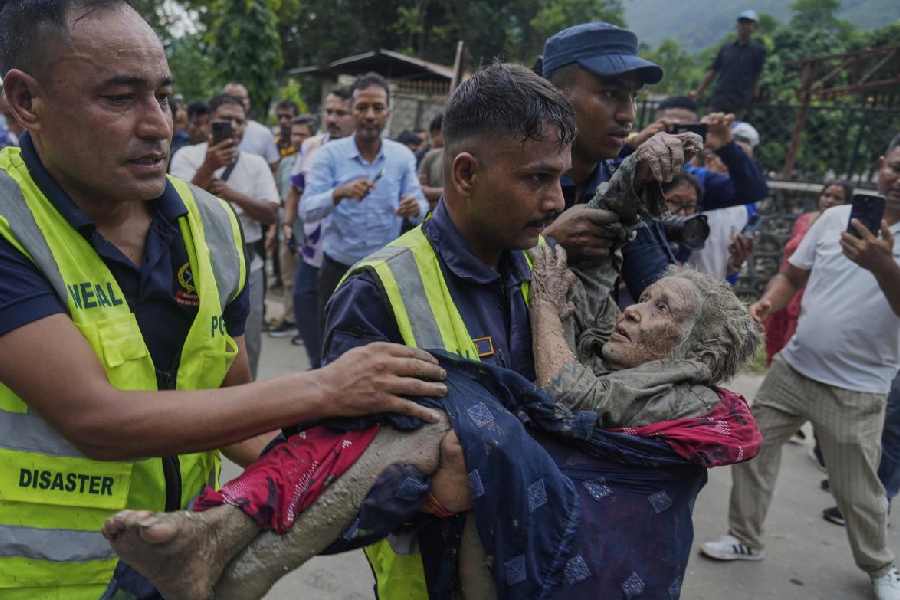
More than 350 people died, and many others were still missing.
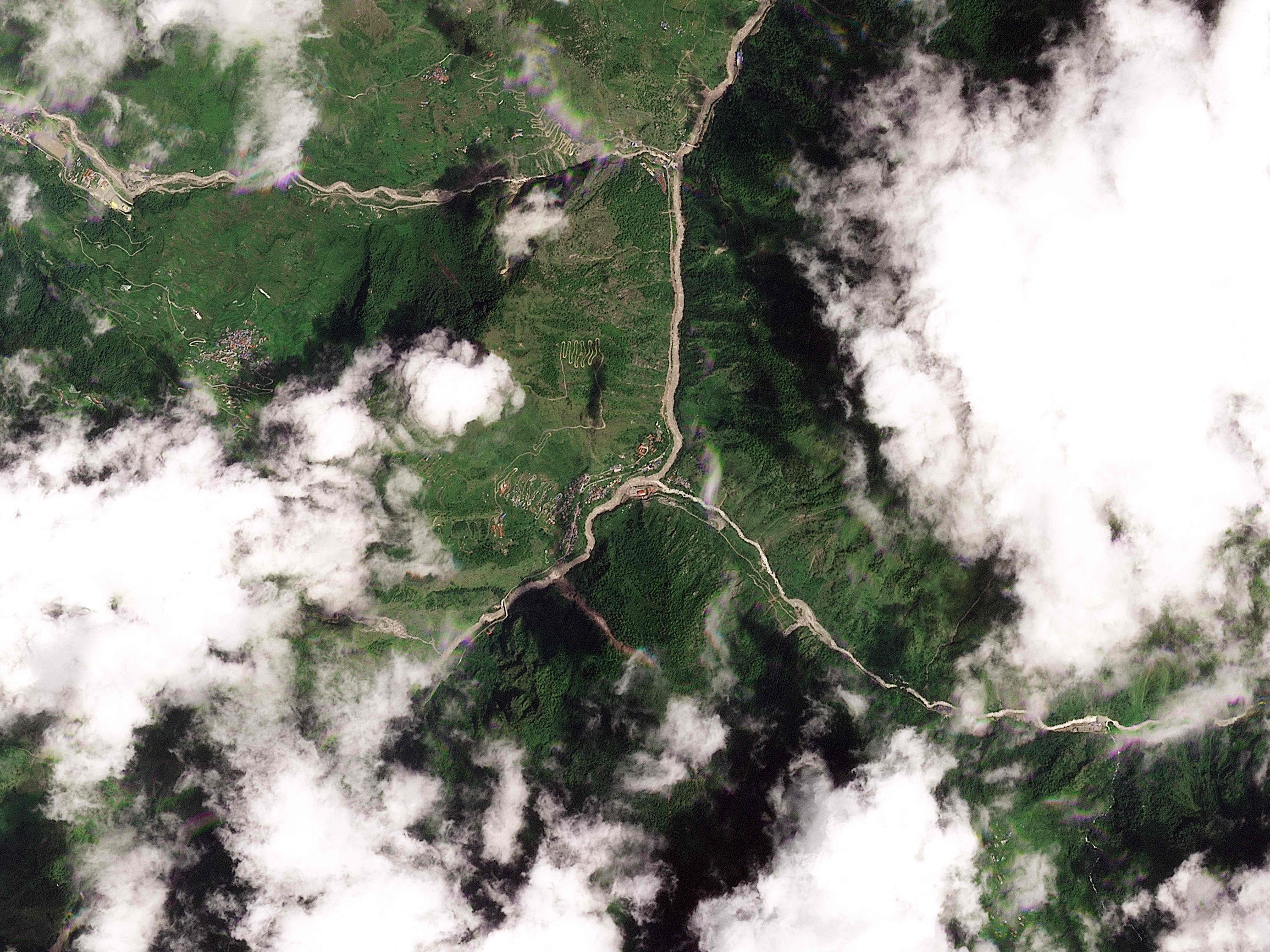
Scientists used earthquake sensors, satellite images, and videos to study what happened.
Some researchers say the glacier collapse began when the ground underneath it failed.
Another researcher thinks an avalanche may have blocked a river before the blockage broke open.
Scientists are worried because warmer temperatures are making Himalayan glaciers melt faster.
This could make similar floods and other disasters more likely.

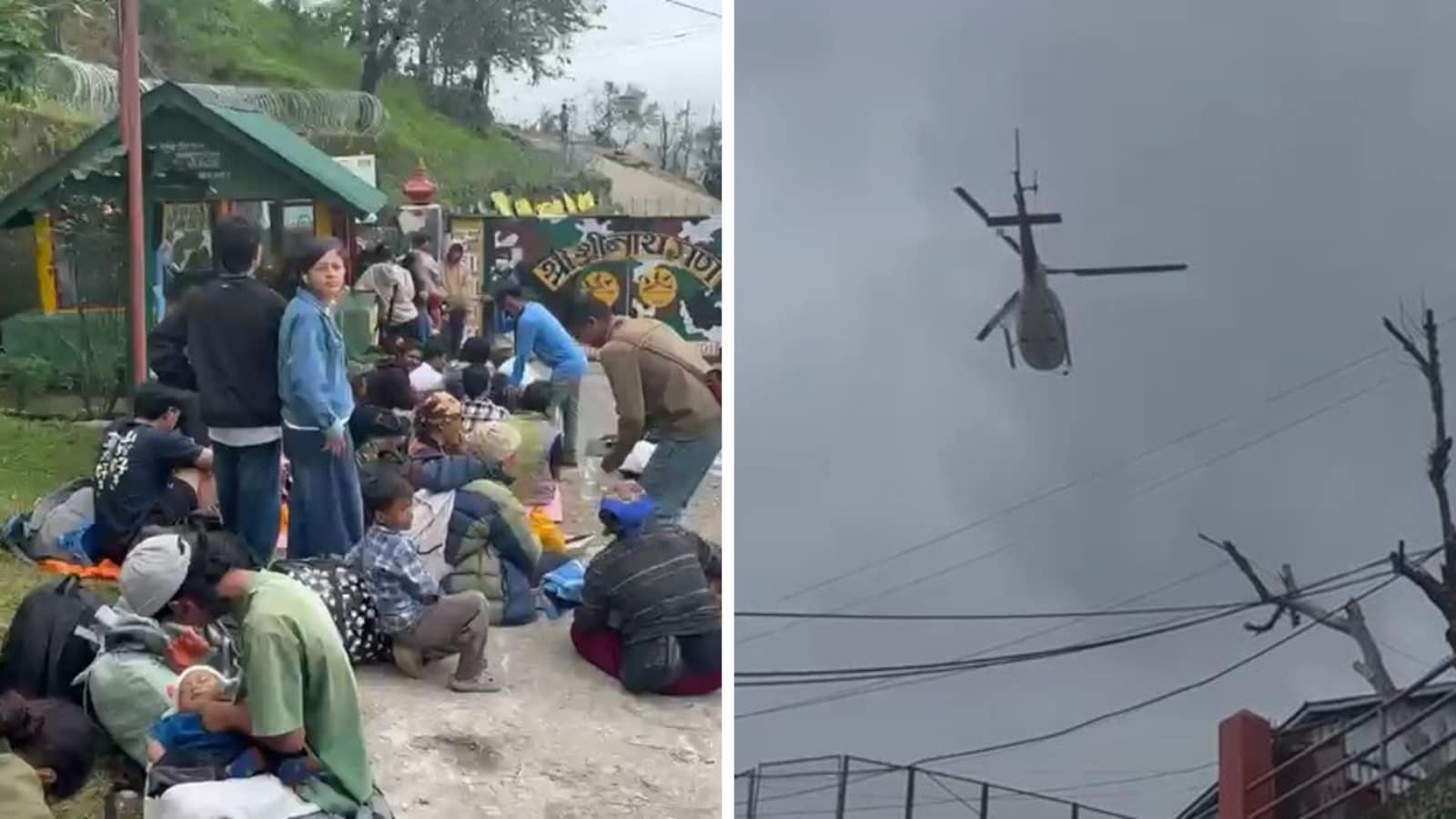
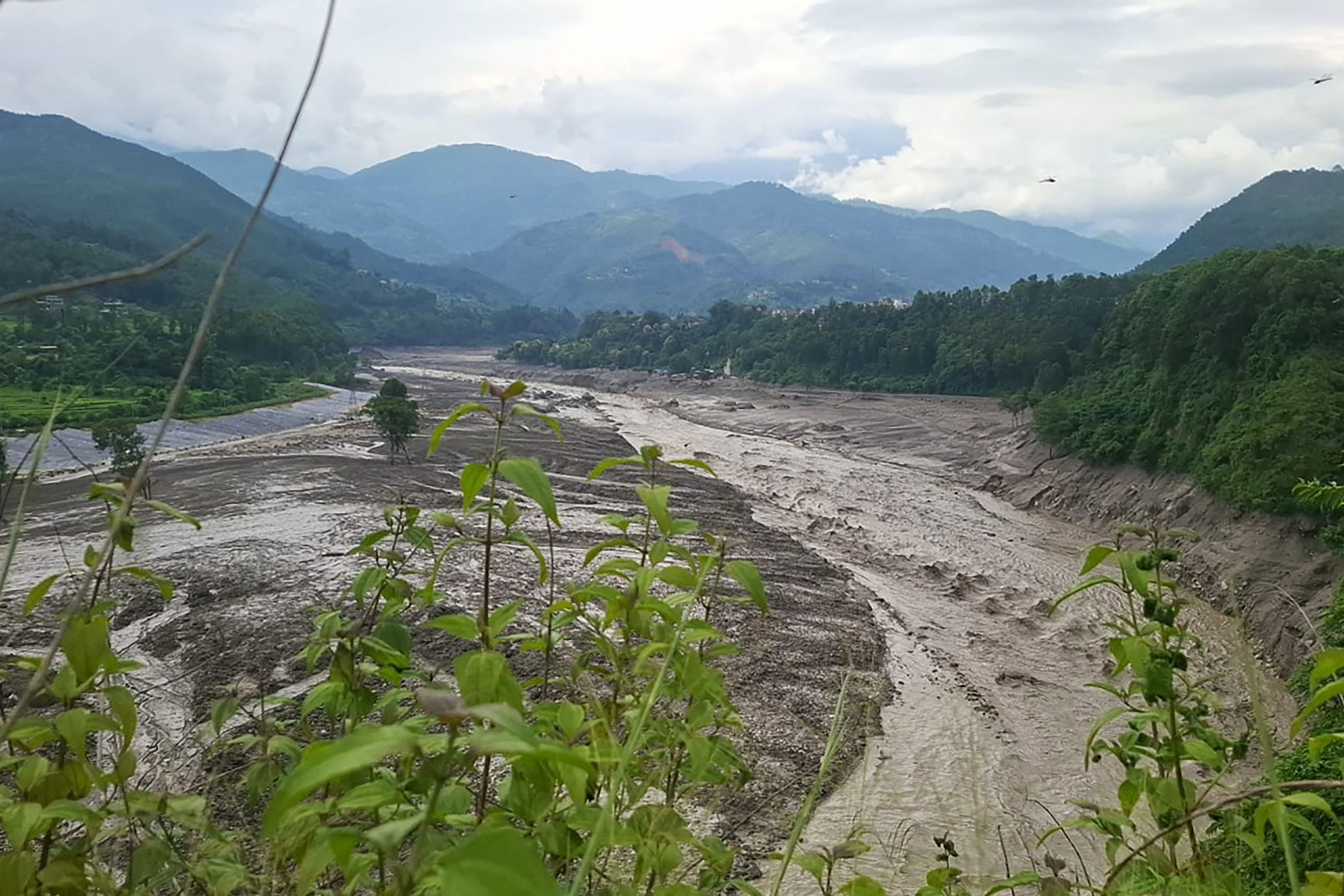
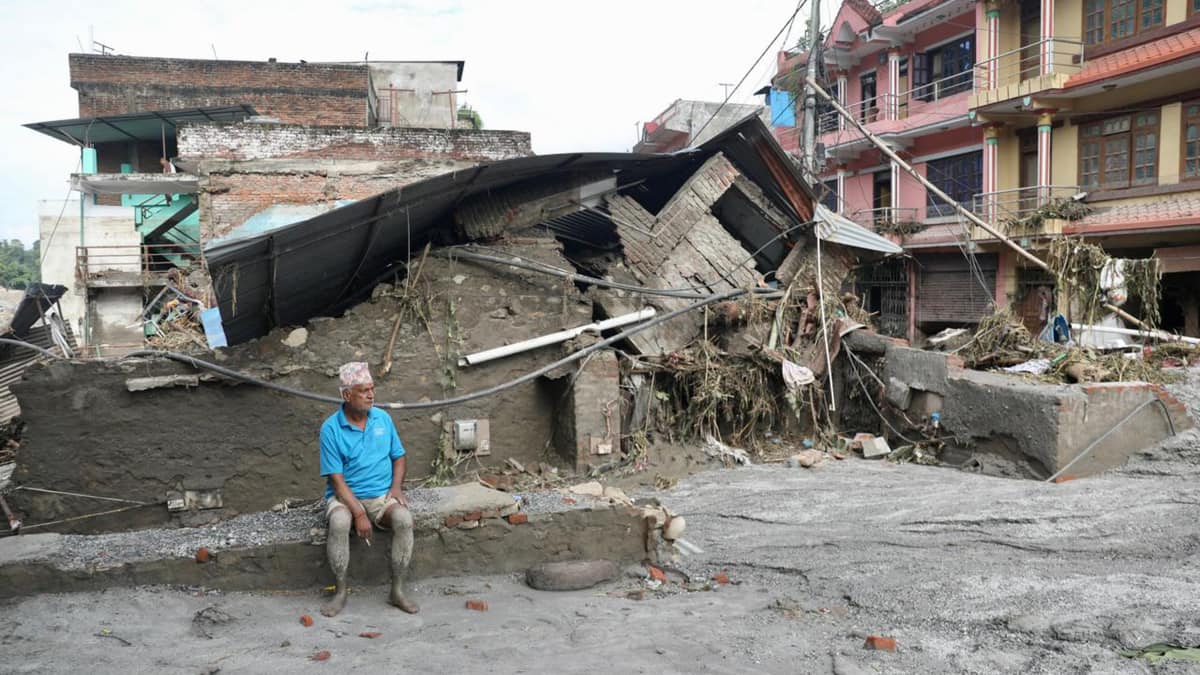
More than 350 people were killed and hundreds remained missing after flash floods hit Nepal’s Nuwakot and Rasuwa districts on Wednesday.
Scientists largely attributed the Trishuli River flooding to a glacier collapse in Tibet after bedrock beneath the glacier failed.
The collapse may have sent a mixture of ice and rock into the Lhende Khola, triggering a destructive flood.
Researchers said an avalanche may instead have blocked the Lhende River on the Nepal side before the blockage broke, while an earthquake occurred around the same time.
Accelerating glacier melt linked to climate change is increasing hazards across the Himalayas, and China warned that a significant barrier lake had formed nearby.
- Who
- Residents of Nepal’s Nuwakot and Rasuwa districts were affected; scientists and researchers investigated the event.
- What
- A glacier collapse or related avalanche triggered a deadly flash flood in the Trishuli River system.
- Where
- The flooding struck Nepal’s Nuwakot and Rasuwa districts, while the suspected glacier collapse occurred across the border in Tibet.
- When
- The flash floods occurred on Wednesday; China issued a warning on Thursday.
- Why
- Scientists linked the disaster to collapsing ice and rock, possible river blockage, and increasingly unstable glaciers associated with climate change.
Glacier-collapse explanation
Avalanche-and-blockage explanation
What initiated the flood?
Glacier-collapse explanation
Simon Allen of the University of Zurich said a large ice avalanche, probably containing ice and rock, detached and transformed into the devastating flood. Scientists cited seismic data, satellite data, and videos as evidence of a glacier collapse in Tibet.
Avalanche-and-blockage explanation
Rijan Bhakta Kayastha of Kathmandu University said an avalanche may have blocked the Lhende River on the Nepal side before the blockage gave way.
Role of the earthquake
Glacier-collapse explanation
The reported seismic impact was interpreted as a consequence of the collapse, producing waves equivalent to a magnitude 5.2 earthquake.
Avalanche-and-blockage explanation
Kayastha said an earthquake occurred around the same time but that researchers did not yet know whether it helped trigger the avalanche.
Future risk
Glacier-collapse explanation
Scientists warn that warming temperatures and accelerating glacier melt are making glacier instability and related disasters more likely across the Himalayas.
Avalanche-and-blockage explanation
The exact mechanism remains uncertain, so researchers have not definitively established whether the event was caused solely by glacier failure, an avalanche, river blockage, or a combination of factors.
Key facts
- Deaths
- More than 350 people were reported killed.
- Missing
- Hundreds remained missing during rescue operations.
- Suspected trigger
- Bedrock beneath a large glacier section may have failed, causing an ice-and-rock avalanche.
- Seismic impact
- The United States Geological Survey said the impact generated seismic waves equivalent to a magnitude 5.2 earthquake.
- Affected districts
- Nuwakot and Rasuwa in Nepal.
- Regional warning
- China’s Ministry of Water Resources warned that a significant barrier lake had formed near the confluence of the Chhochen Khola and Purepu Tsangpo rivers.
- Climate trend
- The International Centre for Integrated Mountain Development said ice-loss rates in Hindu Kush Himalayan glaciers have doubled since 2000.
Quotes
Simon Allen
Research associate at the University of Zurich who studies glacial hazards in the Himalayas
“What we’ve certainly confirmed — there was a large ice avalanche, probably a mixture of ice and rock, which detached and then became fluid and then transformed into this devastating flood”
 livemint.com
Rijan Bhakta Kayastha
Climate researcher and professor at Kathmandu University
“We suspect an avalanche on the Nepal side blocked the Lhende river. An earthquake occurred at around the same time, but we do not yet know whether it helped trigger the avalanche.”
livemint.com
Sources
Related news

USGS Confirms Glacial Collapse Caused Deadly Nepal Flash Floods
Nepal Flood Highlights Rising Glacier Risks in Warming Himalayas
Glacier Collapse May Have Triggered Deadly Nepal Flood

Nepal Flash Floods Expose Glacier Risks Amid Climate Concerns
Nepal Avalanche Floods Echo Chamoli With Greater Downstream Impact
Nepal Flood Exposes Himalayan Cascading Hazard Risks

Nepal Thanks India as Glacial Disaster Rescue Efforts Continue
Nepal Warns of Heavy Rain After Deadly Floods
Nepal Flood Exposes Delayed Alerts and Cross-Border Warning Gaps

Bhotekoshi Flood Crisis: Nepal PM Shah Calls for Courage

Nepal PM Thanks India, China Amid Climate Compensation Demand