6 days ago
Glacier Collapse May Have Triggered Deadly Nepal Flood
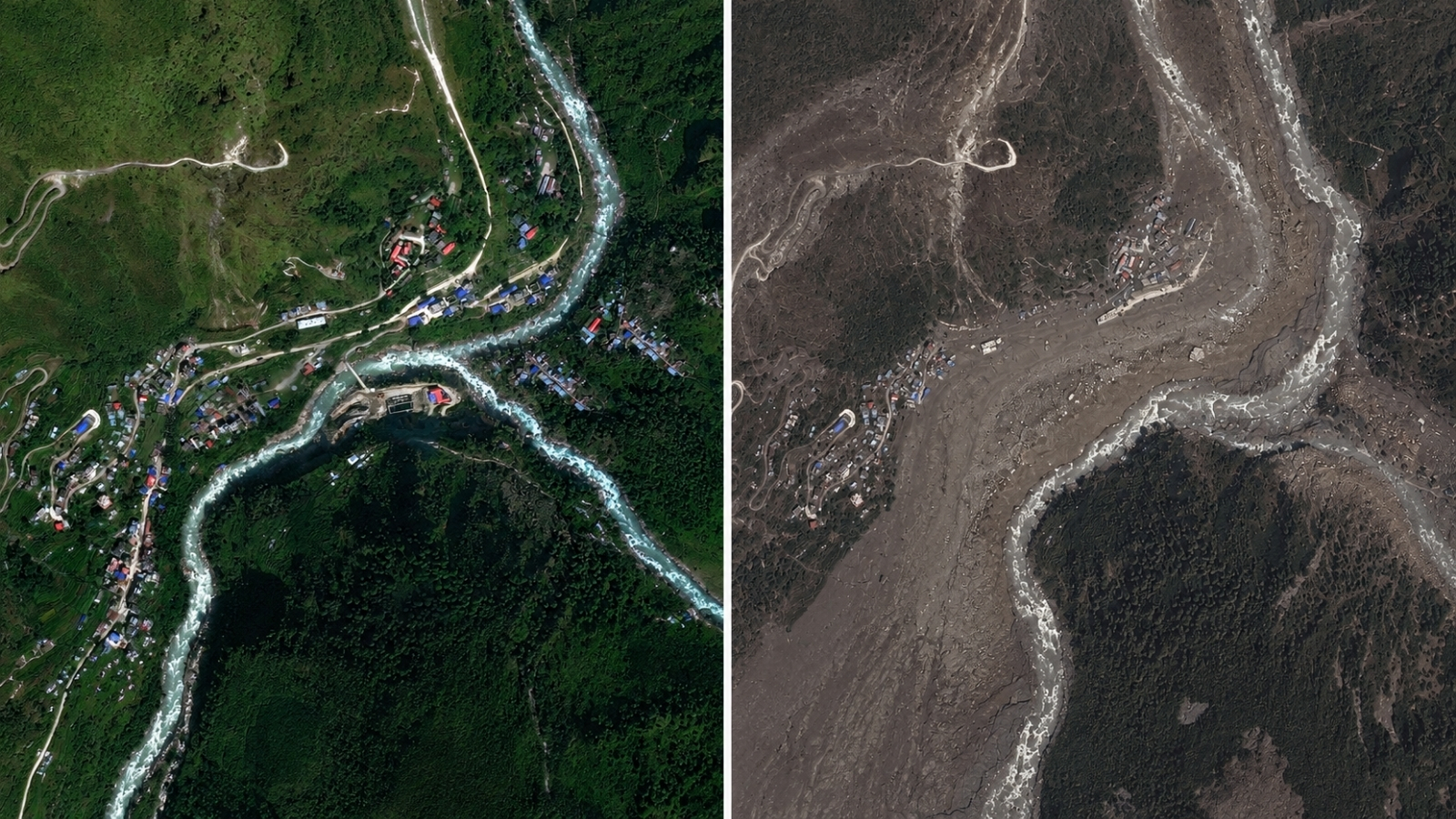
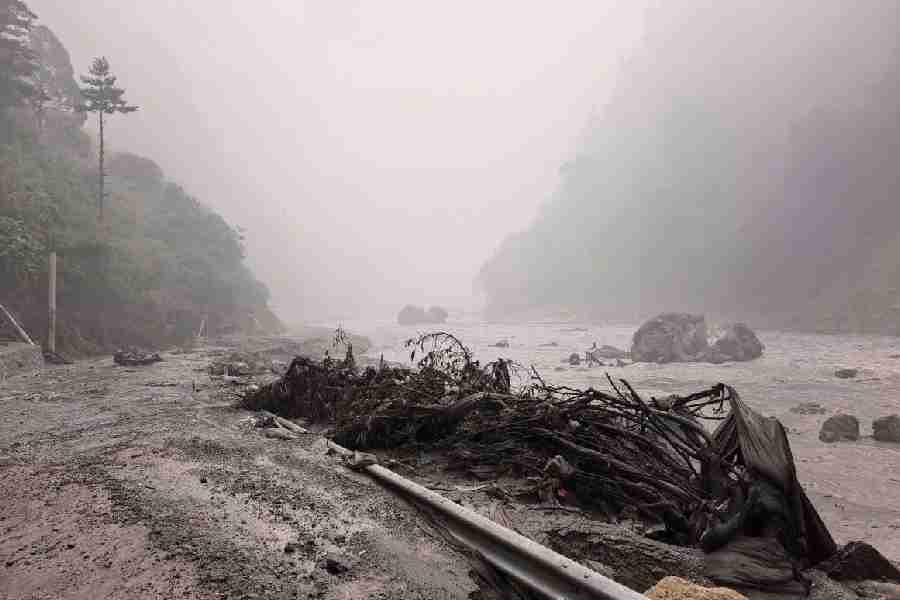
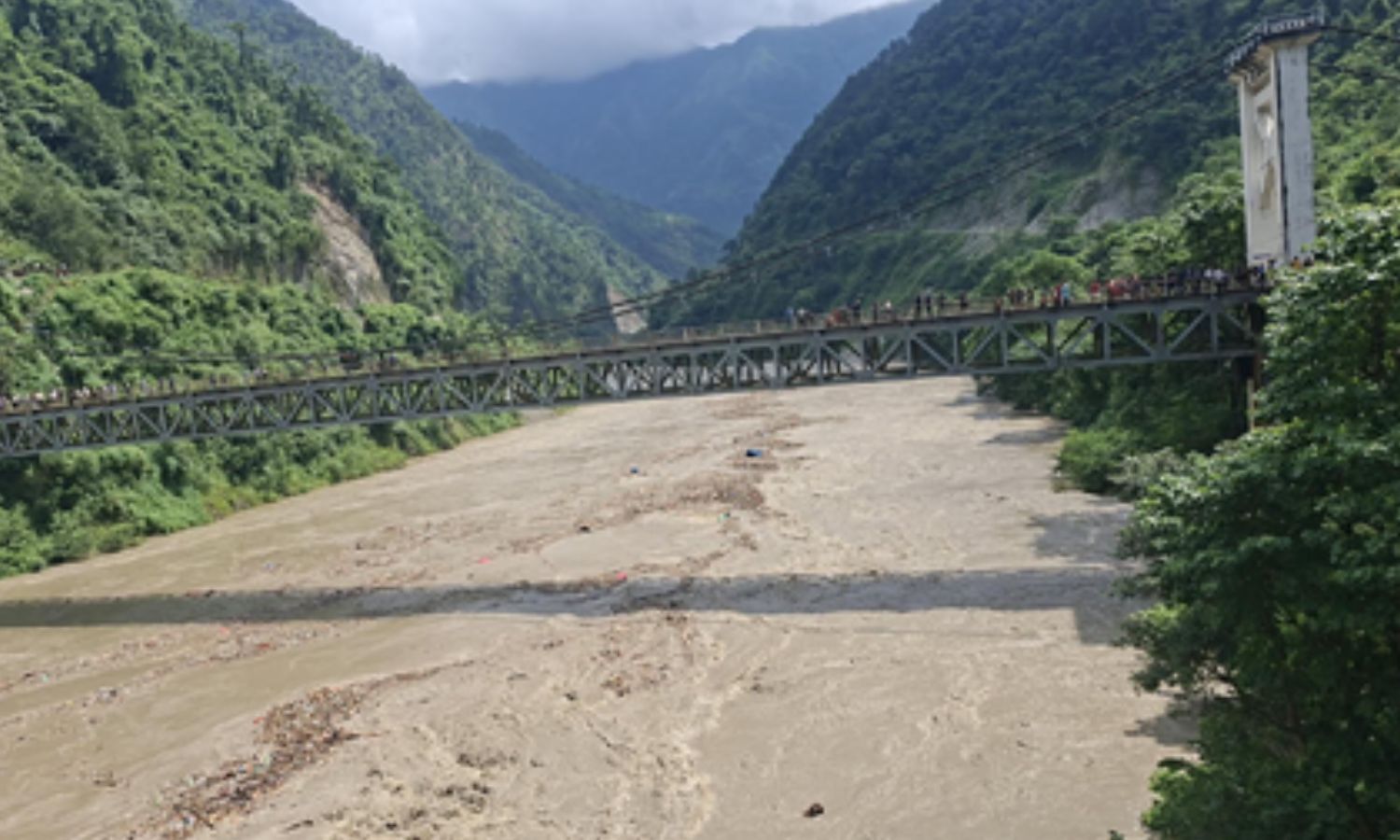
A powerful flood struck near Nepal’s border with Tibet on Wednesday.
Experts think part of a glacier broke away and fell down the mountain.
The falling ice may have carried rocks and dirt into the Lhende River.
This created an ice-rock avalanche and a very strong flash flood.
Nearly 100 bodies have been recovered, but more than 300 travellers are still missing, according to Nepal’s government.
Officials are investigating whether an earthquake helped start the collapse.
Scientists are also examining unusually warm conditions, global warming and construction.
The flood moved through the Bhote Koshi and Trishuli river systems.
Several hydropower projects are in the worst-affected areas.

Nearly 100 bodies have been recovered, while more than 300 travellers remain missing, Nepal’s government said.
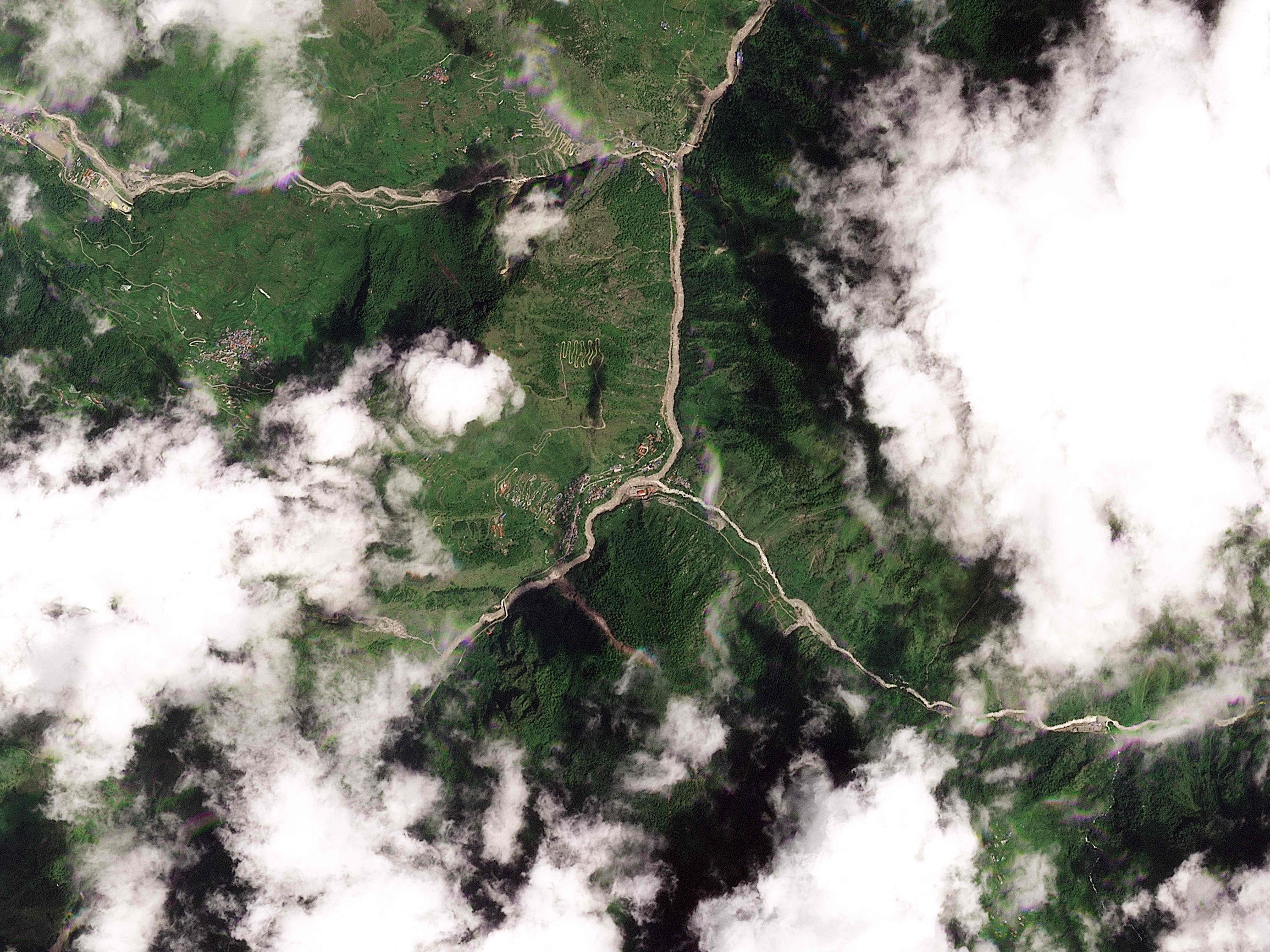
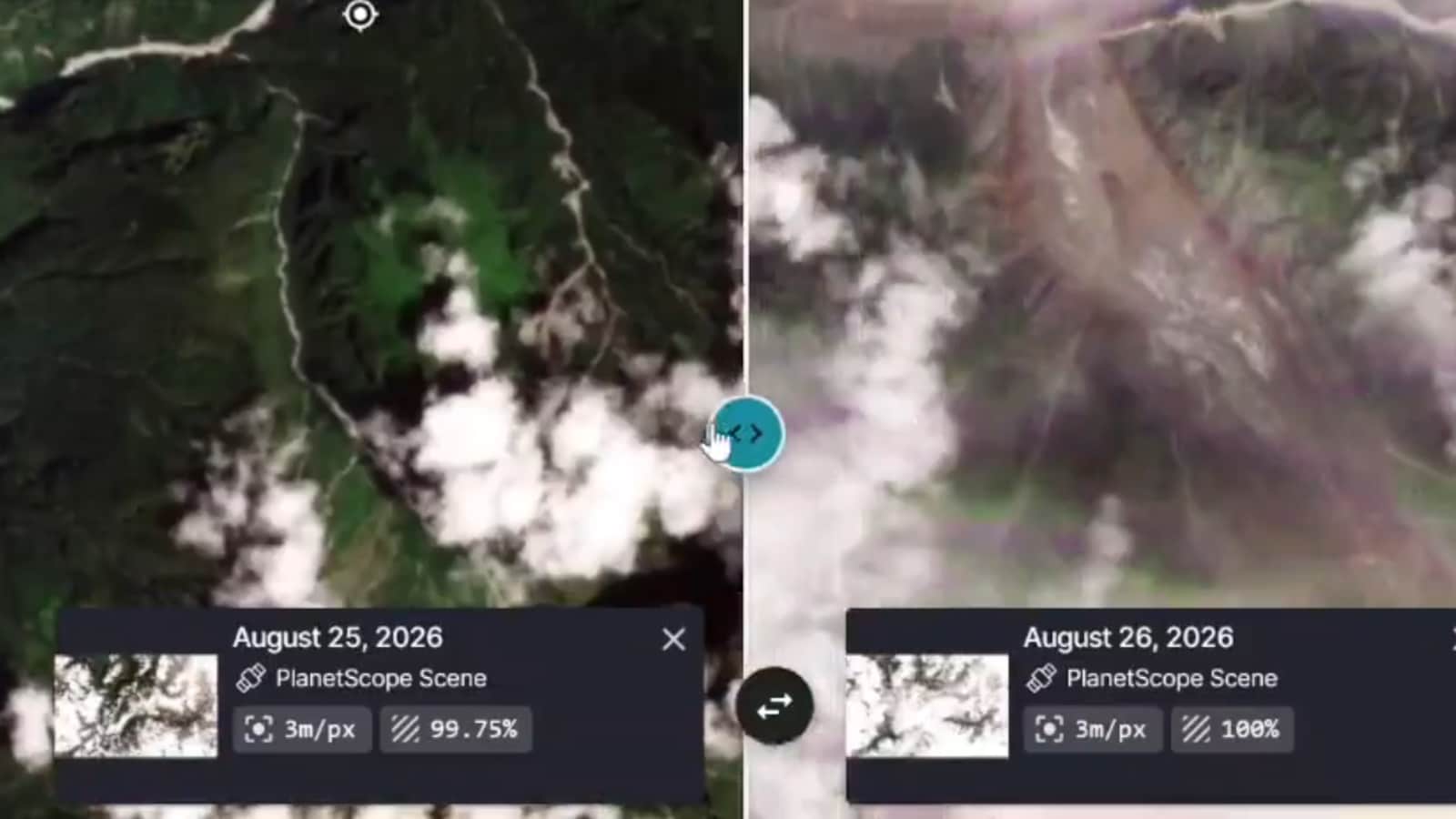
Satellite imagery indicates that part of a glacier collapsed from about 5,200 metres onto a valley floor roughly 1,200 metres below.
Experts said the collapse likely carried rock and sediment into the Lhende River, creating an ice-rock avalanche and flash flood.
Nepali officials said an earthquake minutes earlier may have triggered the collapse, but its role remains unconfirmed.
Scientists are examining warm conditions, global warming and construction as possible contributing factors, while floodwaters surged through the Bhote Koshi and Trishuli systems.
- Who
- People in Nepal’s Rasuwa district, travellers, rescue authorities and scientists were affected or involved in assessing the disaster.
- What
- A deadly flash flood was caused by an ice-rock avalanche after part of a glacier collapsed, although the precise trigger remains uncertain.
- Where
- The flood occurred in Nepal’s Rasuwa district near the Nepal-China border, about 20 kilometres northeast of a border crossing, and affected the Lhende, Bhote Koshi and Trishuli river systems.
- When
- The disaster occurred on Wednesday; satellite imagery was reviewed afterward.
- Why
- Experts believe the glacier collapse initiated the flood; an earlier earthquake, warm conditions, global warming and construction are being examined as possible contributing factors.
Glacier, Warmth and Human Factors
Earthquake Trigger Remains Unconfirmed
Immediate cause
Glacier, Warmth and Human Factors
Satellite imagery and expert assessments indicate that a substantial portion of the glacier snout collapsed, carrying rock and sediment into the valley and initiating an ice-rock avalanche.
Earthquake Trigger Remains Unconfirmed
Nepali officials have suggested that an earthquake minutes earlier may have triggered the avalanche, but geologist Prakash Pokharel said this has not been established.
Broader contributors
Glacier, Warmth and Human Factors
Earth scientist Dan Shugar said the imagery suggested substantial snow melt and likely warm conditions; he also said construction and climate change should be investigated.
Earthquake Trigger Remains Unconfirmed
The available imagery does not establish whether warm conditions, global warming or construction contributed to the collapse, and experts said further investigation is needed.
Key facts
- Recovered bodies
- Nearly 100, according to the article’s main casualty figures
- Missing travellers
- More than 300, according to Nepal’s government
- Reported glacier collapse elevation
- About 5,200 metres
- Estimated fall to valley floor
- About 1,200 metres
- River-level rise
- Up to 9 metres in 30 minutes at Galchhi, according to the International Centre for Integrated Mountain Development
- Affected district
- Rasuwa, with a population of about 50,000
- Infrastructure in affected area
- Several hydropower projects
- Casualty discrepancy
- A satellite-photo caption in one article separately mentioned at least 165 deaths and more than 1,000 missing, conflicting with the article’s main figures of nearly 100 recovered bodies and more than 300 missing travellers.
Quotes
Prakash Pokharel
Geologist at Nepal’s National Disaster Risk Reduction and Management Authority
“What I can see in this morning's satellite imagery from Planet Labs, the lower part of a glacier broke off at about 5,200 metres and crashed onto the valley floor about 1,200 metres below”
 telegraphindia.com
 deccanchronicle.com
“It’s confirmed that a substantial portion of that glacier snout collapsed to initiate the event - probably including or entraining a fair amount of rock and sediment.”
telegraphindia.com
deccanchronicle.com
Sources
Related news

Nepal Glacier Collapse Exposes Rising Himalayan Flash-Flood Risks
Nepal Border Flood Mystery Shifts From Earthquake To Glacier Collapse
Satellite Images Reveal Possible Cause of Devastating Nepal Floods

Satellite Images Reveal Glacier-Linked Collapse Behind Nepal-China Floods

USGS Confirms Glacial Collapse Caused Deadly Nepal Flash Floods

Nepal Flash Floods Expose Glacier Risks Amid Climate Concerns