6 days ago
USGS Confirms Glacial Collapse Caused Deadly Nepal Flash Floods

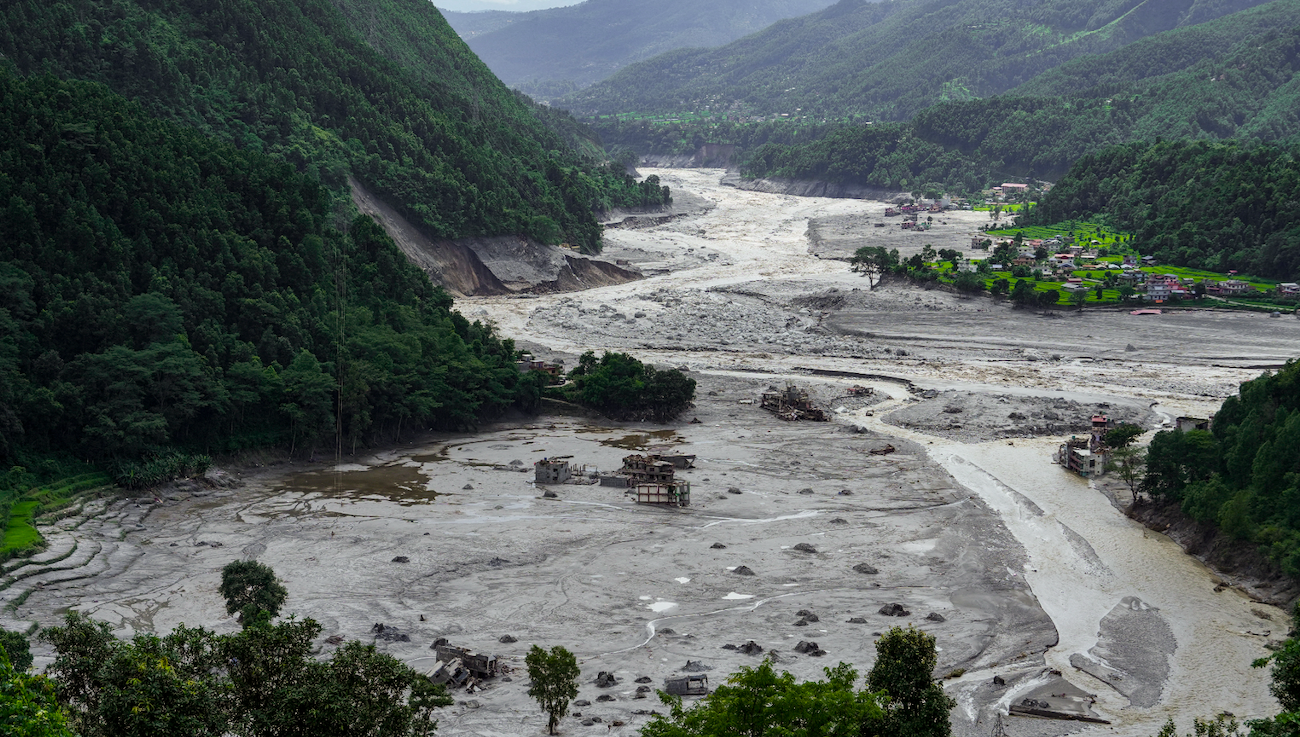
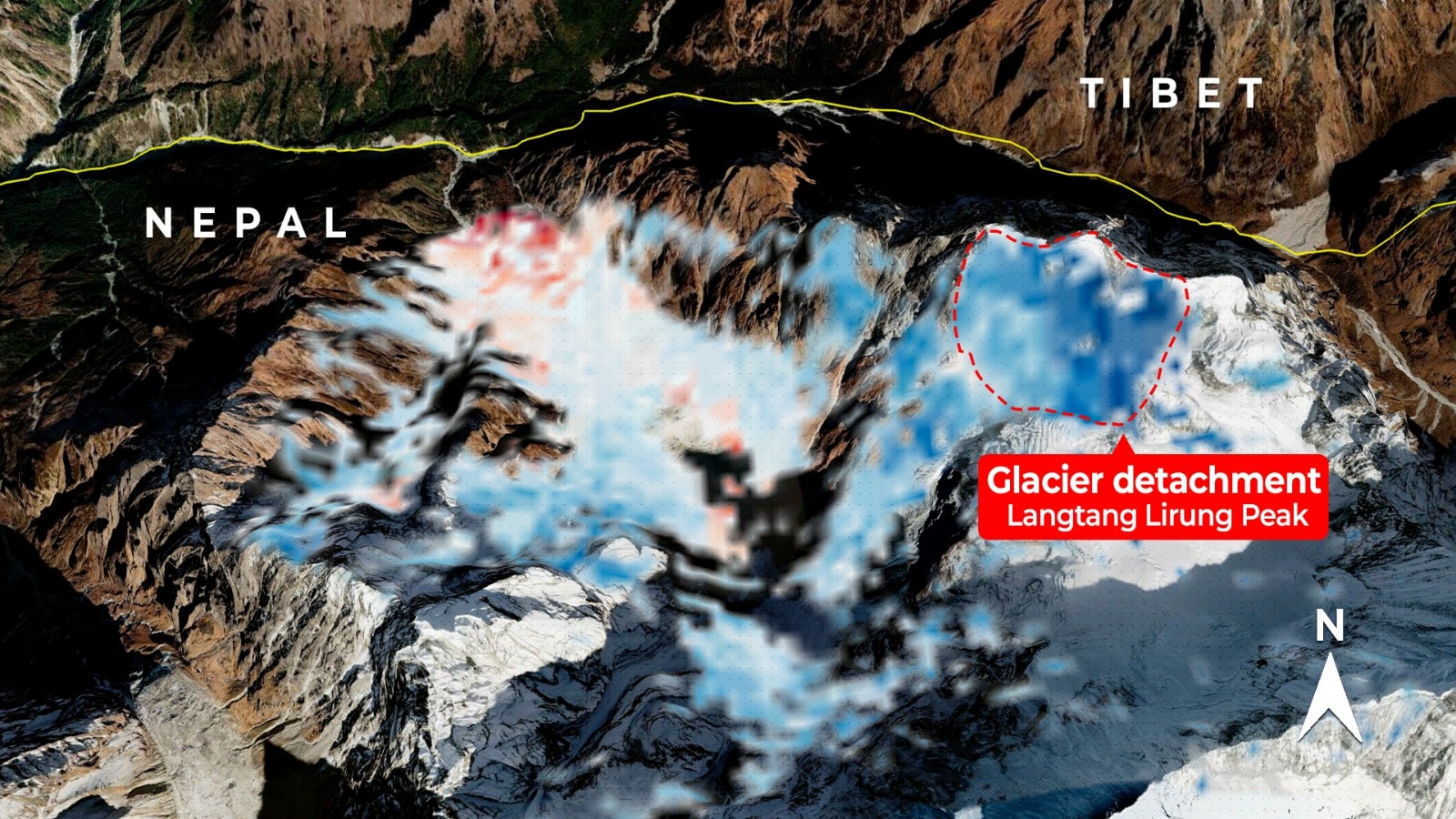
A large mass of ice, snow, and rock collapsed in the mountains near Nepal and Tibet.
The collapse caused shaking that was first mistaken for an earthquake.
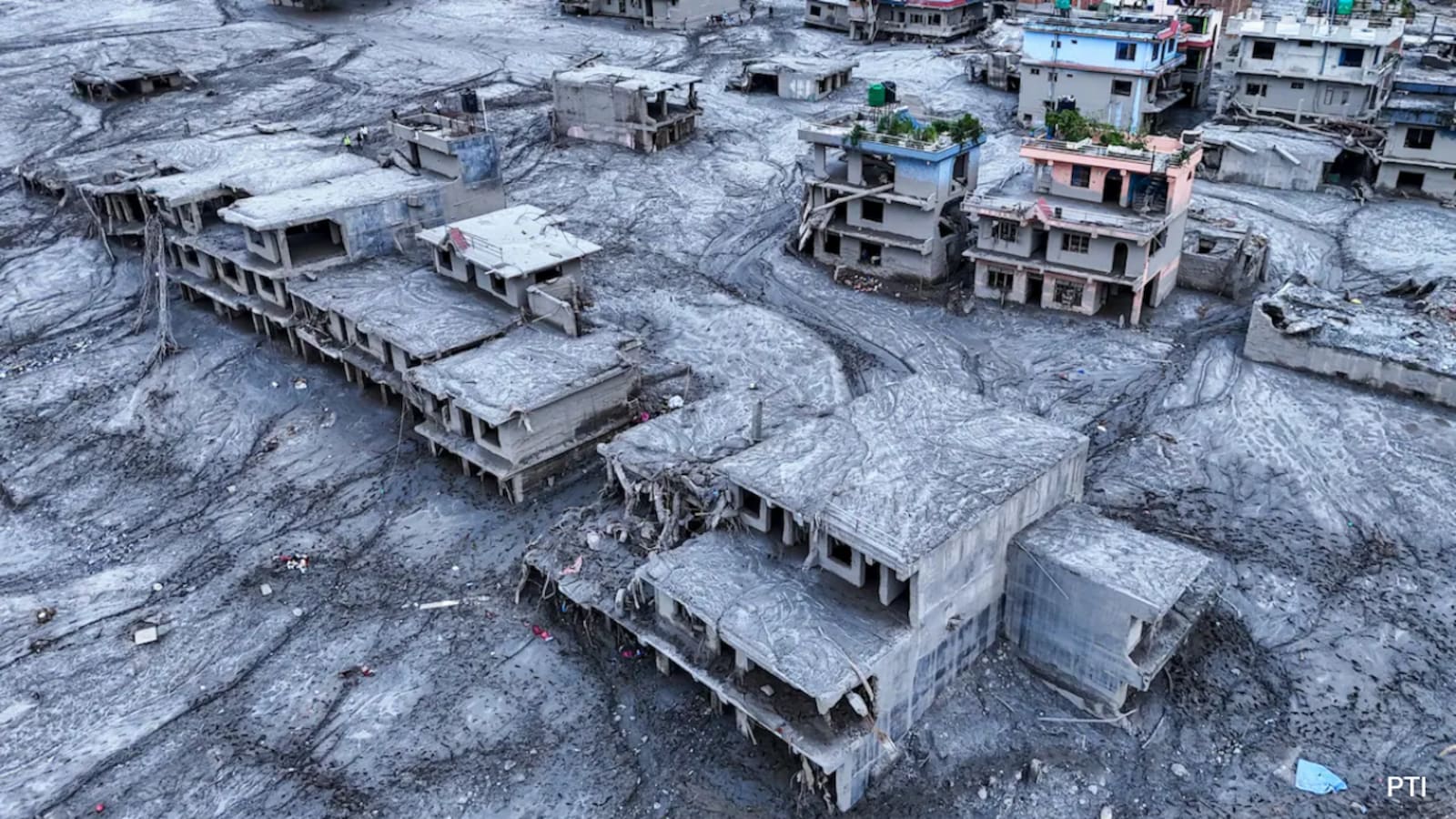
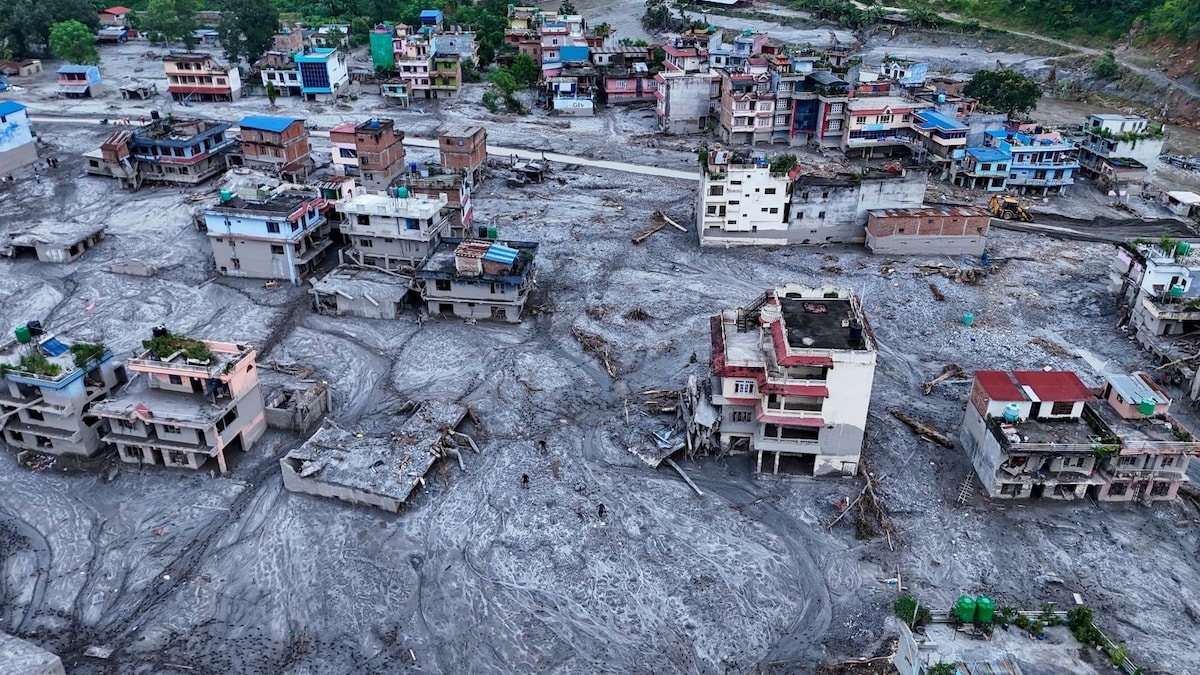
It also sent water, mud, and debris rushing downstream.
The USGS said there was no earthquake.
It identified the event as a glacial collapse and debris flow.
Scientists studied recordings from seismic stations and satellite pictures to reach that conclusion.
Reports said at least 160 people died, although the exact toll differed between reports.
Hundreds of people were also missing, and authorities warned residents to stay away from affected rivers.

The US Geological Survey said a glacial collapse and debris flow, not an earthquake, caused the disaster.
The seismic event was initially reported as a magnitude 4.4 earthquake before being assessed at magnitude 5.2.
Floodwaters and debris killed between 160 and 165 people, according to differing reports.
Reports said hundreds were missing, with estimates ranging from 558 to 750, including 133 Indian nationals in one account.
Scientists used seismic data and satellite imagery, while ICIMOD proposed that a rock-ice avalanche blocked the Lhende River.
- Who
- People in Nepal and Tibet were affected; the US Geological Survey identified the cause, while ICIMOD researchers proposed a specific river-blockage mechanism.
- What
- A glacial collapse and debris flow caused catastrophic flash flooding and mudslides, initially attributed to an earthquake.
- Where
- The flooding affected Rasuwa and other downstream districts in Nepal, as well as areas on the Tibet side of the Nepal-China border.
- When
- The disaster occurred early Wednesday; USGS recorded the seismic event on August 26 at 8:37 a.m. local time and reported its finding on Thursday.
- Why
- The USGS said the glacial collapse and debris flow caused the downstream flooding; ICIMOD said a rock-ice avalanche may have blocked the Lhende River.
Initial Earthquake and Avalanche Theories
USGS Glacial-Collapse Finding
Primary cause
Initial Earthquake and Avalanche Theories
Preliminary reports, including comments attributed to Nepal's Foreign Minister Shishir Khanal, suggested an earthquake may have triggered a landslide that blocked a river.
USGS Glacial-Collapse Finding
The US Geological Survey said no earthquake had occurred and that the seismic activity came from a glacial collapse and debris flow.
Specific mechanism
Initial Earthquake and Avalanche Theories
Other proposed explanations included a glacial lake flood, an ice avalanche, or a rock-ice avalanche blocking the Lhende River; ICIMOD supported the latter possibility.
USGS Glacial-Collapse Finding
USGS used nearby seismic-station data, long-period seismic waves, and satellite imagery to classify the event as a glacial collapse and debris flow.
Possible trigger
Initial Earthquake and Avalanche Theories
The articles report several competing explanations and do not establish one universally accepted detailed trigger beyond the collapse event.
USGS Glacial-Collapse Finding
Geomorphologist Daniel Shugar suggested snow and glacier-ice melt may have added water and lubricated the glacier, contributing to its collapse.
Key facts
- Reported deaths
- Reports placed the death toll between 160 and 165 or more; another account reported 162 deaths.
- Reported missing
- Estimates ranged from hundreds to 558 and 750 missing; one report included 133 Indian nationals among the missing.
- USGS conclusion
- The seismic event was a glacial collapse and debris flow, not an earthquake.
- Initial classification
- The event was initially reported as a magnitude 4.4 earthquake.
- Later seismic assessment
- USGS identified a magnitude 5.2 seismic event near the Nepal-China border.
- Recorded time
- August 26 at 8:37 a.m. local time.
- Proposed river mechanism
- ICIMOD said a rock-ice avalanche may have blocked the Lhende River and triggered cascading floods.
- Humanitarian response
- The Embassy of India in Nepal provided more than 10 tons of humanitarian aid.
Quotes

U.S. Geological Survey
The US government agency that analyzed the seismic event and disaster.
“This event was initially reported as a magnitude 4.4 earthquake. Additional analysis of nearby seismic stations, long period seismic waves, and satellite imagery led to the determination that the seismic event was instead a glacial collapse and debris flow, and that no earthquake had occurred.”
 livemint.com
 deccanchronicle.com
 rediff.com
“My guess is that snow melt, and glacier ice melt as well, injected a lot of liquid water into the glacier, which percolated down to the bed and lubricated it. That was enough for it to collapse.”
rediff.com
Sarthak Shrestha
Remote sensing and geo-information analyst at ICIMOD.
“We believe a rock-ice avalanche occurred in Nepal, blocking the Lhende river and causing the cascading flood event”
livemint.com
“That defeats essentially every operational flood warning system in the world”
livemint.com
Sources

Related news
Nepal Border Flood Mystery Shifts From Earthquake To Glacier Collapse
Glacial Collapse, Not Earthquake, Blamed for Nepal-Tibet Floods
Glacial Fall and Flood Surge Devastate Nepal, Reach India

Nepal Glacier Collapse Exposes Rising Himalayan Flash-Flood Risks
China, Nepal Link Glacier Collapse to Deadly Border Floods

China Links Nepal-Tibet Flood Disaster to Glacier Collapse
Kailash Flood Tragedy Puts Sadhguru’s Safety Claims Under Fire

Nepal Flood Death Toll Tops 1,200 as Searches Continue
Satellite Radar May Strengthen Nepal's Flood Warning Systems
Nepal Plans New Landslide Warning System Along China Border

Nepal Thanks India as Glacial Disaster Rescue Efforts Continue