

6 days ago
Nepal Flood Highlights Rising Glacier Risks in Warming Himalayas
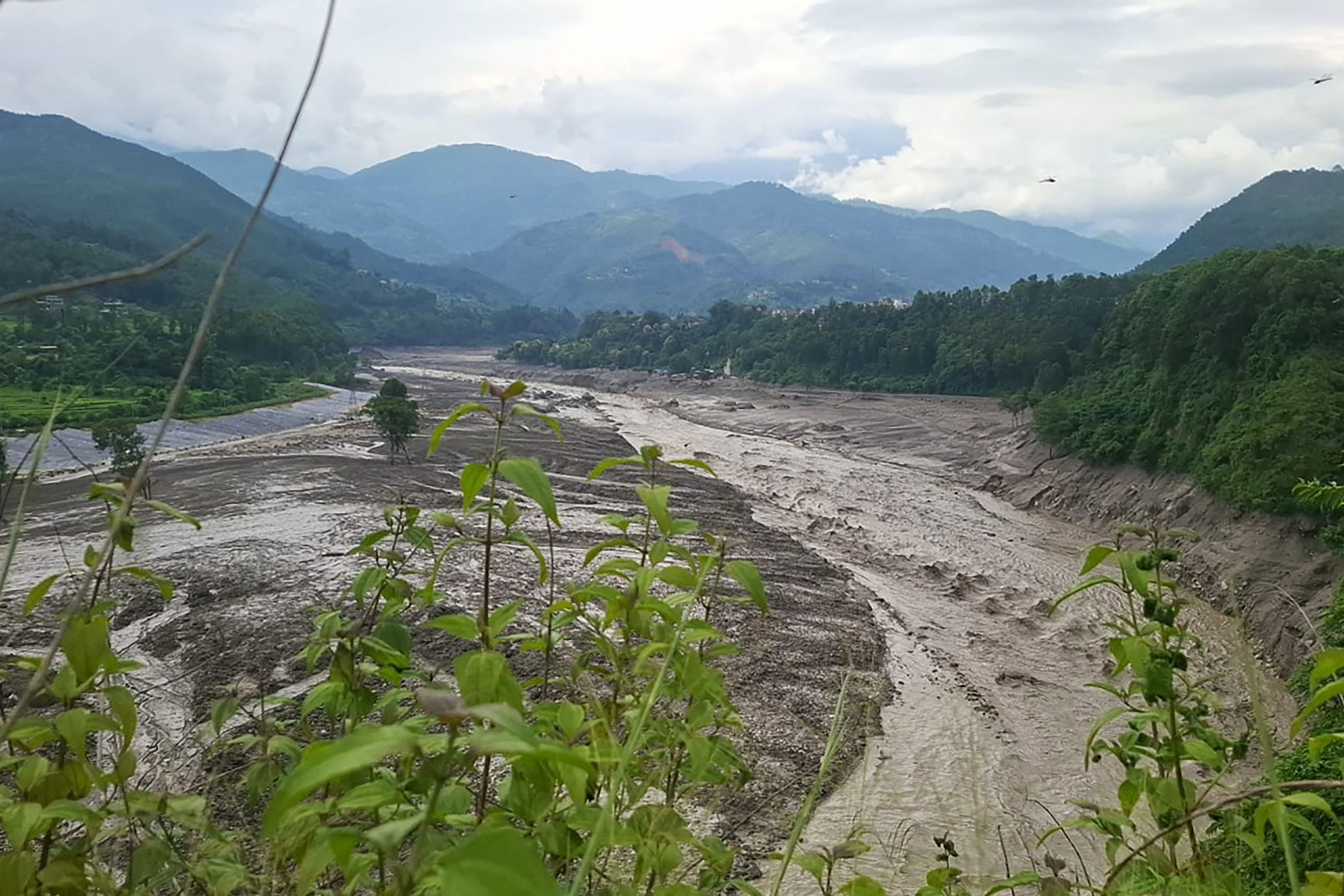
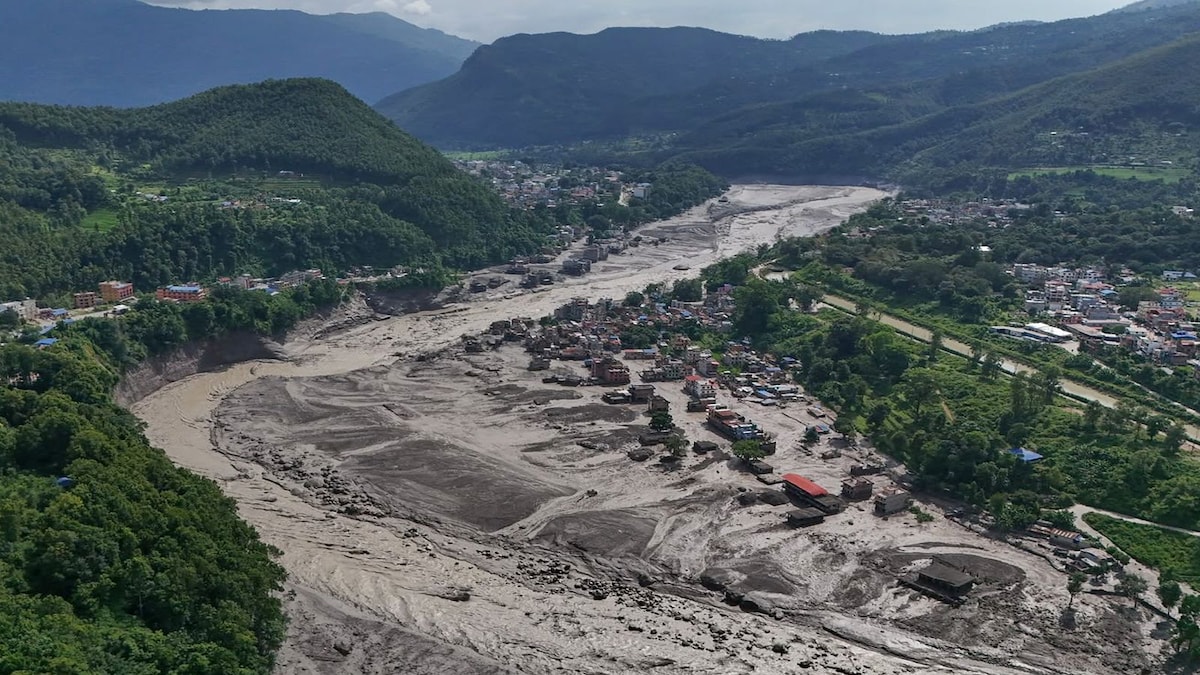
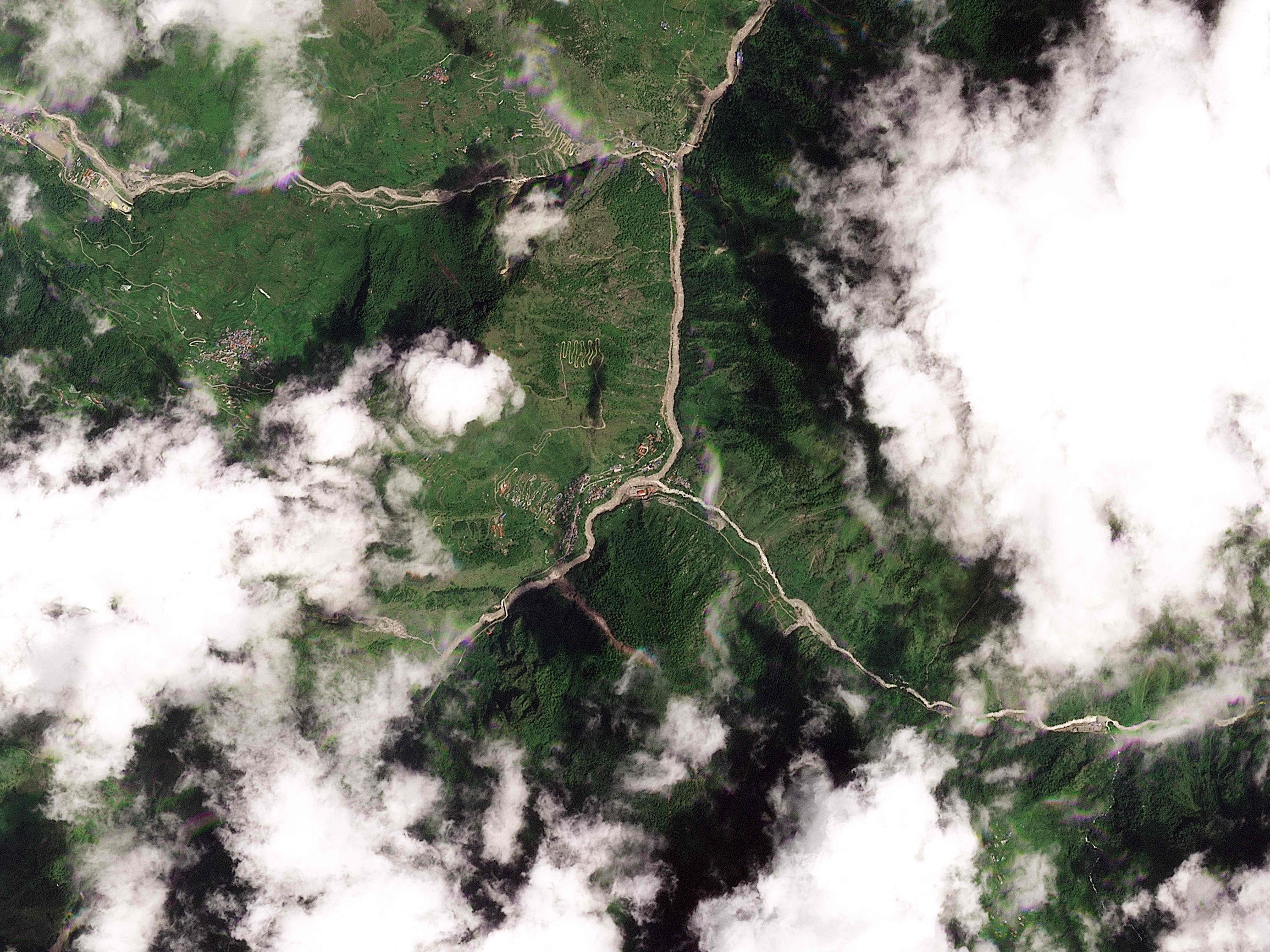
A large piece of glacier ice and rock appears to have fallen into a river in Nepal.
The falling material may have blocked the river for a short time.
When the water broke through, it rushed downhill with great force.
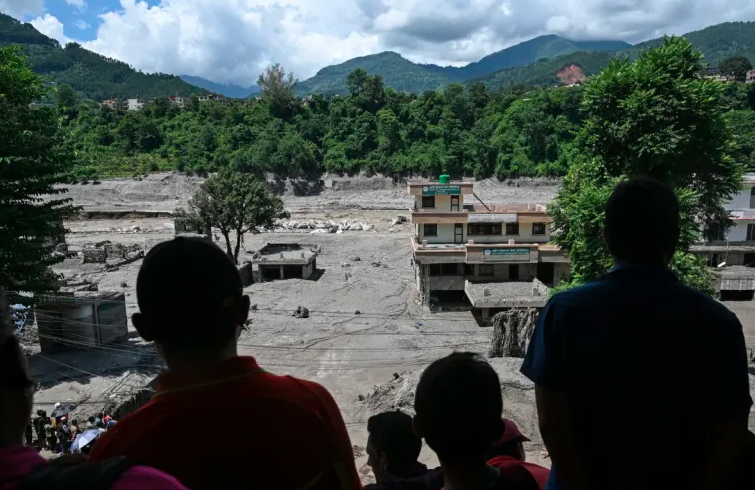
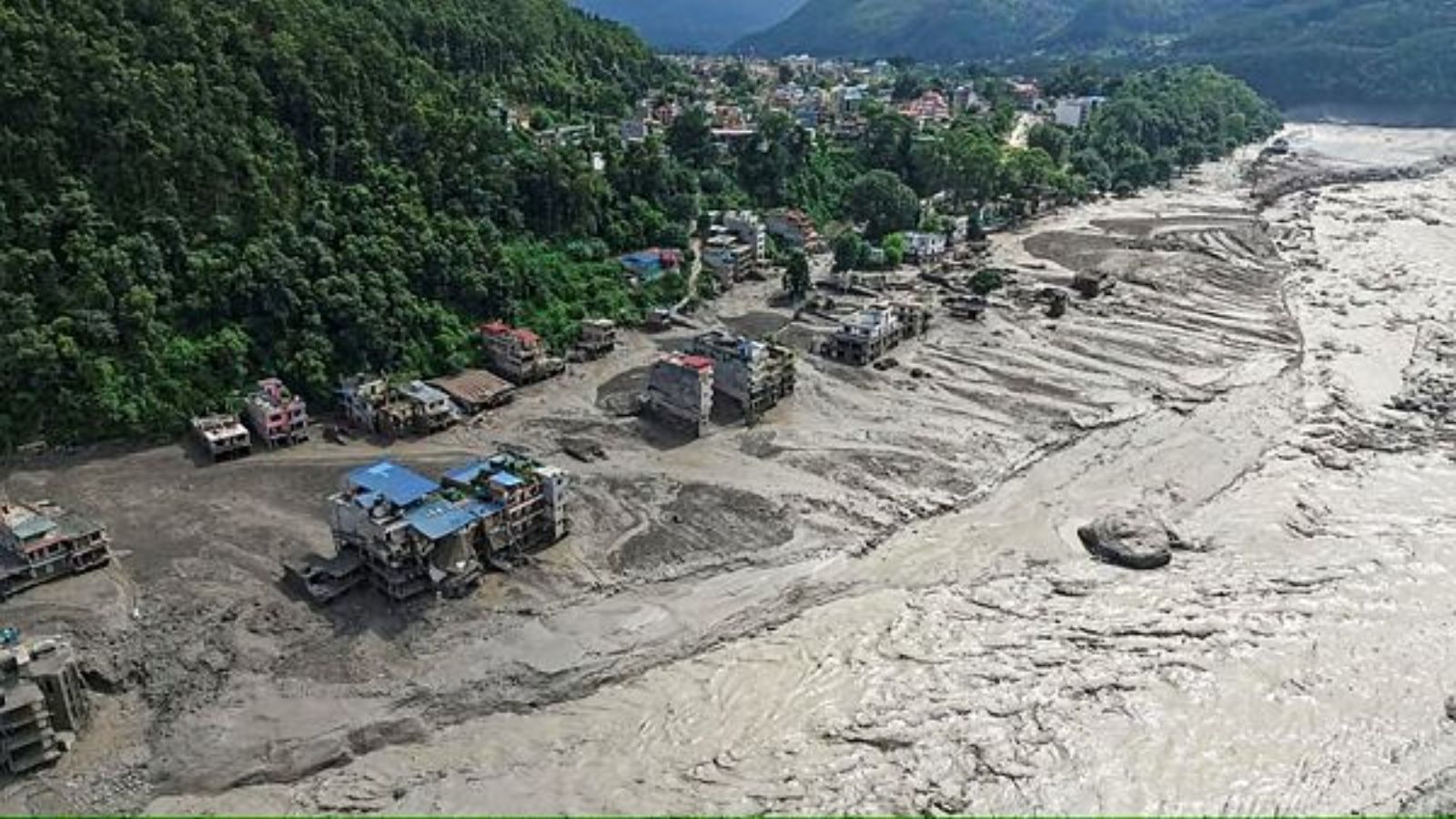
The flood killed at least 353 people and many others are still missing.
Water levels rose by as much as 9 meters in only 30 minutes.
Scientists do not yet know exactly what caused every part of the disaster.
They say warmer temperatures are melting glaciers and making some mountain areas less stable.
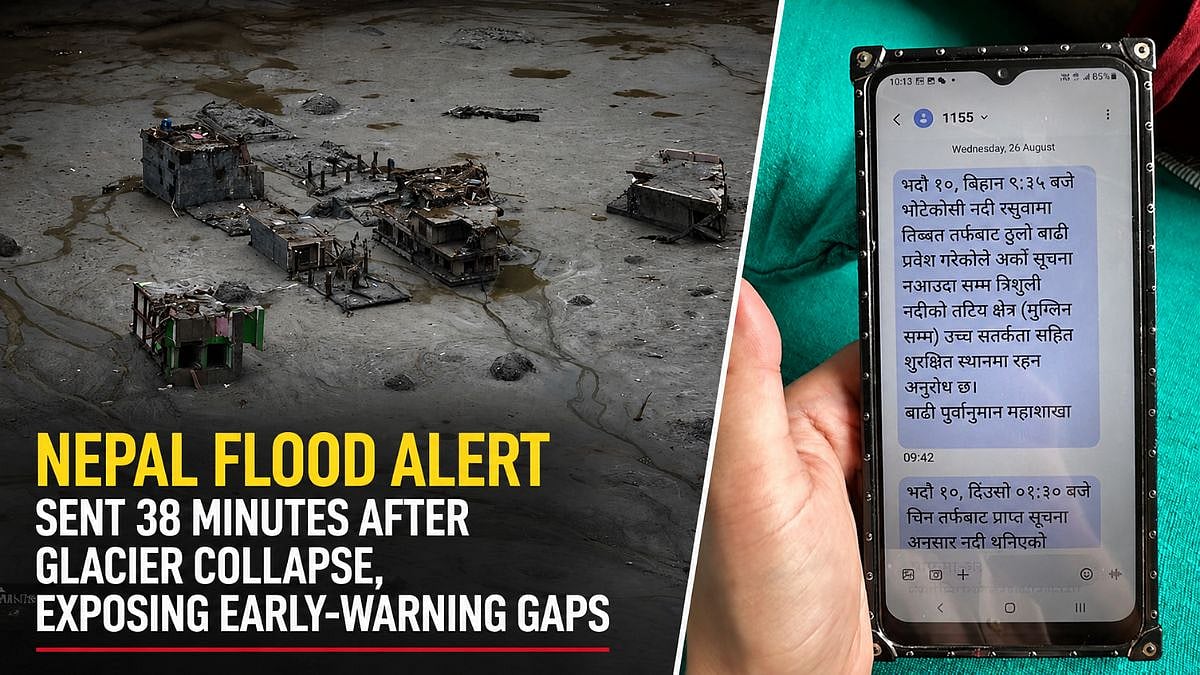
Better warnings and monitoring could give people a few extra minutes to escape.

Scientists say a glacier collapse likely triggered Nepal’s deadly flash flood by displacing water and possibly temporarily damming a river.
The disaster killed at least 353 people and left more than 1,300 missing, including foreigners and pilgrims.
River levels rose by as much as 9 meters in 30 minutes, leaving people little time to escape.
Scientists say warming is changing Himalayan glaciers, permafrost and slopes, but caution that a direct climate link to this flood has not been established.
Researchers are calling for stronger warning systems, glacier monitoring and faster cross-border information sharing.
- Who
- At least 353 people were killed, more than 1,300 were missing, and scientists and researchers are investigating the disaster.
- What
- A deadly flash flood was likely caused by a glacier collapse, possibly followed by a temporary river blockage and sudden water surge.
- Where
- The disaster affected a Himalayan valley in Nepal, involving the Lhende Khola, a tributary of the Bhote Koshi River.
- When
- The flood occurred on Wednesday; scientists’ findings remain preliminary.
- Why
- A large volume of ice and rock may have displaced water and temporarily dammed the river; scientists also say Himalayan warming is increasing the risk of related hazards, although a direct link to this event has not been confirmed.
Cautious Attribution
Growing Climate Risk
Link to the Nepal flood
Cautious Attribution
Scientists say it is too early to draw a direct connection between global warming and Wednesday’s catastrophe because the event is still under investigation.
Growing Climate Risk
Researchers say warming glaciers, thawing permafrost and destabilized mountain slopes increase the likelihood of cascading hazards such as glacier collapses, debris flows and flash floods.
Meaning of the disaster
Cautious Attribution
The immediate cause may have been a glacier detachment, river blockage and sudden release of water, rather than a proven climate-change effect.
Growing Climate Risk
Some scientists describe the event as part of a broader pattern of growing instability in the rapidly warming Hindu Kush Himalaya region.
Reducing future harm
Cautious Attribution
Monitoring thousands of glaciers, steep slopes and river valleys is difficult, and cascading disasters may allow only minutes for warnings.
Growing Climate Risk
Scientists argue that stronger early-warning systems, better monitoring and faster cross-border information sharing are increasingly necessary.
Key facts
- Deaths
- At least 353 people were killed.
- Missing
- More than 1,300 people were reported missing, including foreigners and pilgrims.
- Suspected trigger
- A large lower section of glacier may have collapsed into the Lhende Khola.
- Water-level rise
- River levels rose by as much as 9 meters, or 29.5 feet, in 30 minutes.
- Seismic estimate
- The U.S. Geological Survey reported a magnitude 5.2 glacier collapse.
- Regional exposure
- Around 78% of glacier area between 4,500 and 6,000 meters above sea level is highly exposed to warming.
- Projected glacier loss
- Reports project that up to 50% of glaciers outside Greenland and Antarctica could disappear by 2100, even if warming is limited to 1.5 degrees Celsius.
Quotes
Jakob Steiner
Geoscientist at the University of Graz in Austria
“A lower part of a glacier has really come off. If you look at the imagery it’s like someone cut with a huge knife through the whole lower part and it fell off.”
 deccanchronicle.com
“What happened yesterday is unfortunately the new normal. It’s going to get worse from here onwards.”
deccanchronicle.com
Saswat Sanyal
Disaster risk reduction specialist at the International Centre for Integrated Mountain Development
“We have to be cautious and not draw a connection yet. However, rising temperatures are changing the Hindu Kush Himalaya region and melting glaciers.”
deccanchronicle.com
deccanchronicle.com
“We don’t have hours. We have sometimes a few minutes to actually prepare.”
deccanchronicle.com
deccanchronicle.com
Sources
Related news

Nepal Flash Floods Expose Glacier Risks Amid Climate Concerns

Nepal Glacier Collapse Exposes Rising Himalayan Flash-Flood Risks
Bhote Koshi Flood Exposes Growing Himalayan Climate Risks
Melting Glaciers Push Nepal Toward Its Adaptation Threshold
Scientists Examine Glacier Collapse Behind Nepal Flood Hazards
Glacier Collapse May Have Triggered Deadly Nepal Flood

Nepal Thanks India as Glacial Disaster Rescue Efforts Continue
Nepal Warns of Heavy Rain After Deadly Floods
Nepal Flood Exposes Delayed Alerts and Cross-Border Warning Gaps
India to Rebuild Nepal School After Principal Saves 1,600
Maharashtra Mountaineers Join Search for Missing Nepal Trekkers
