1 hr ago
Nepal Flood Exposes Delayed Alerts and Cross-Border Warning Gaps
A large mass of ice and rocks collapsed near the Nepal-Tibet border.
It pushed a sudden flood into Nepal's Bhotekoshi river system on August 26.
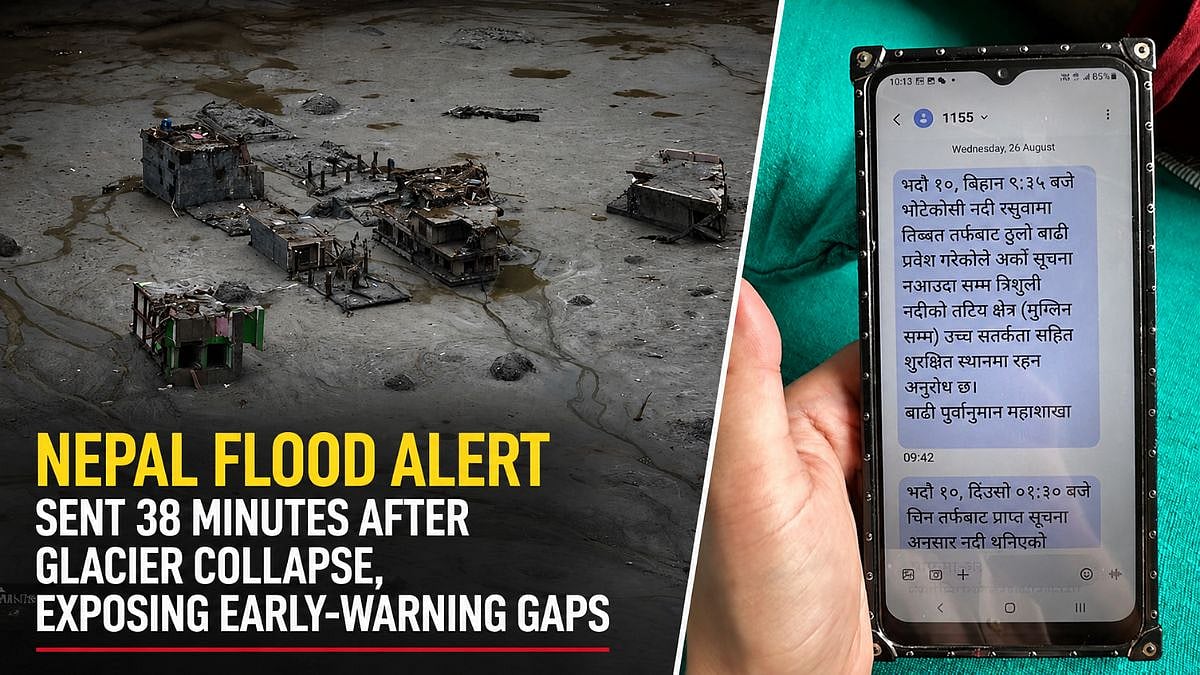
The first warning messages were sent about 38 minutes after the collapse.
That delay gave people near the flood very little time to escape.
More than 600,000 text messages were later sent to people in downstream districts.
A monitoring station also stopped sending information after the flooding began.
At least 1,127 people died, and 4,858 were still missing by September 2.
Rescue teams continued searching, including at flooded hydropower tunnels.
Experts say Nepal, China and India need faster ways to share warnings about hazards across the Himalayas.

An ice-and-rock collapse near the Nepal-Tibet border triggered a sudden Bhotekoshi river flood on August 26, 2026.
Nepal sent its first disaster alerts about 38 minutes after the collapse.
Authorities sent more than 600,000 SMS alerts to downstream districts at about 9:15 a.m.
At least 1,127 people were killed and 4,858 remained missing as of September 2.
The disaster exposed monitoring disruptions and gaps in cross-border information sharing.
- Who
- Downstream communities, Nepalese authorities, rescue teams, and experts concerned with Himalayan disaster preparedness.
- What
- A deadly flash flood followed an ice-and-rock collapse, while delayed alerts and monitoring failures exposed weaknesses in Nepal's warning system.
- Where
- The collapse occurred near the Nepal-Tibet border, and flooding spread through the Bhotekoshi river system in northern Nepal.
- When
- The collapse and flood occurred on August 26, 2026; casualty figures cited were current as of September 2, 2026.
- Why
- The collapse happened on the Tibetan side, Nepal did not receive an immediate automated cross-border warning, and a hydrological station stopped transmitting after the flood began.
Key facts
- Initial collapse
- An ice-and-rock avalanche near the Nepal-Tibet border triggered the flood on August 26, 2026.
- Alert delay
- Nepal sent its first disaster alert about 38 minutes after the collapse.
- SMS alerts
- More than 600,000 messages were sent to people in several downstream districts.
- Deaths
- At least 1,127 people had been killed as of September 2.
- Missing
- Nepal Police reported 4,858 people missing as of September 2.
- Monitoring disruption
- The Syabrubesi hydrological station stopped transmitting shortly after flooding began.
- Regional concern
- Experts called for stronger real-time hazard information sharing among Nepal, China and India.
Sources
Related news
Nepal-Tibet Glacial Collapse Spurs Calls for Early Warnings
Nepal Flash Flood Exposes South Asia’s Cross-Border Risks
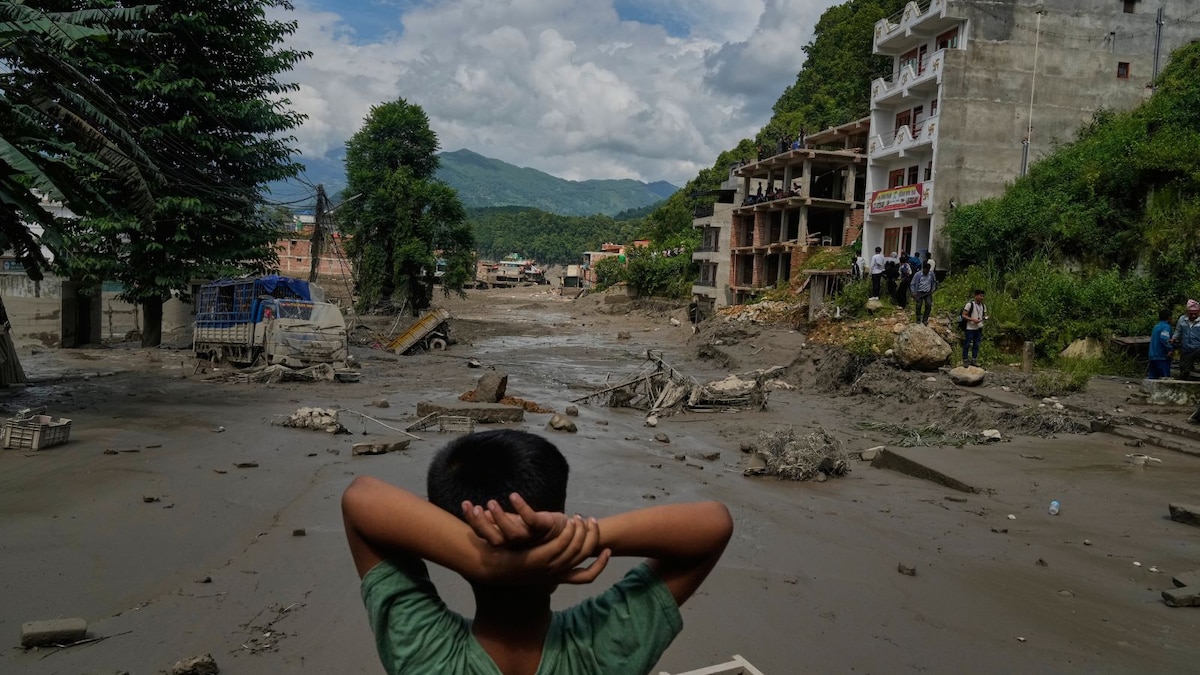
Nepal Flash Floods Kill At Least 160, Hundreds Missing

Nepal Flash Flood Triggers Warning Questions After Tibetan Deluge

China Rejects Flood Trigger Claim After Himalayan Disaster
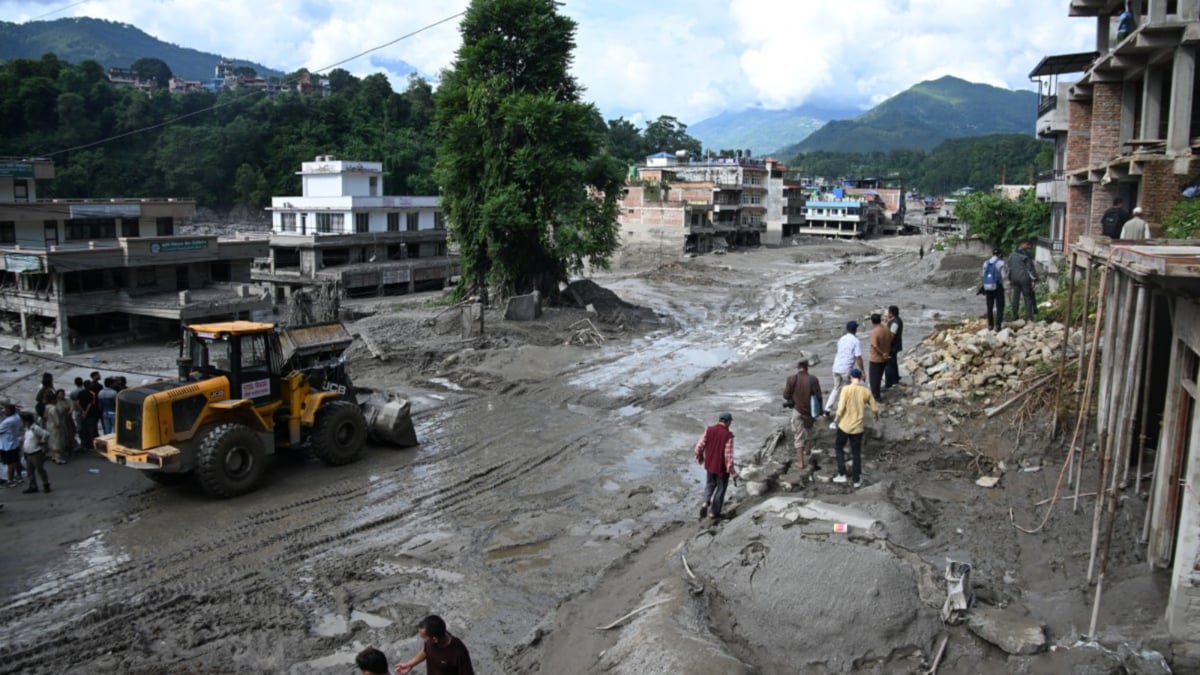
Nepal Issues Fresh Bhote Koshi Flood Alert Amid Deluge

Nepal Thanks India as Glacial Disaster Rescue Efforts Continue
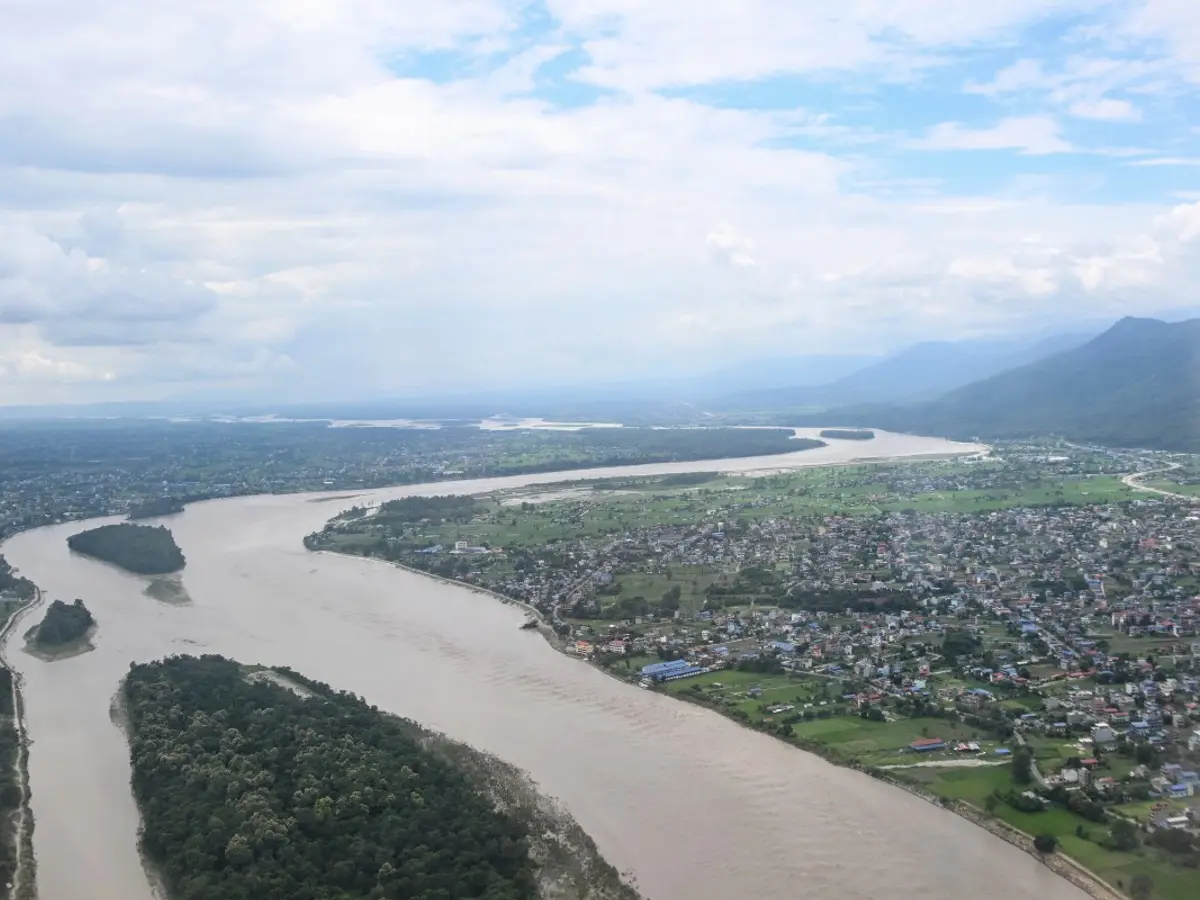
Nepal Warns of Heavy Rain After Deadly Floods

Bhotekoshi Flood Crisis: Nepal PM Shah Calls for Courage

Nepal PM Thanks India, China Amid Climate Compensation Demand