1 hr ago
Nepal Thanks India, China for Flood Aid Amid Compensation Demand

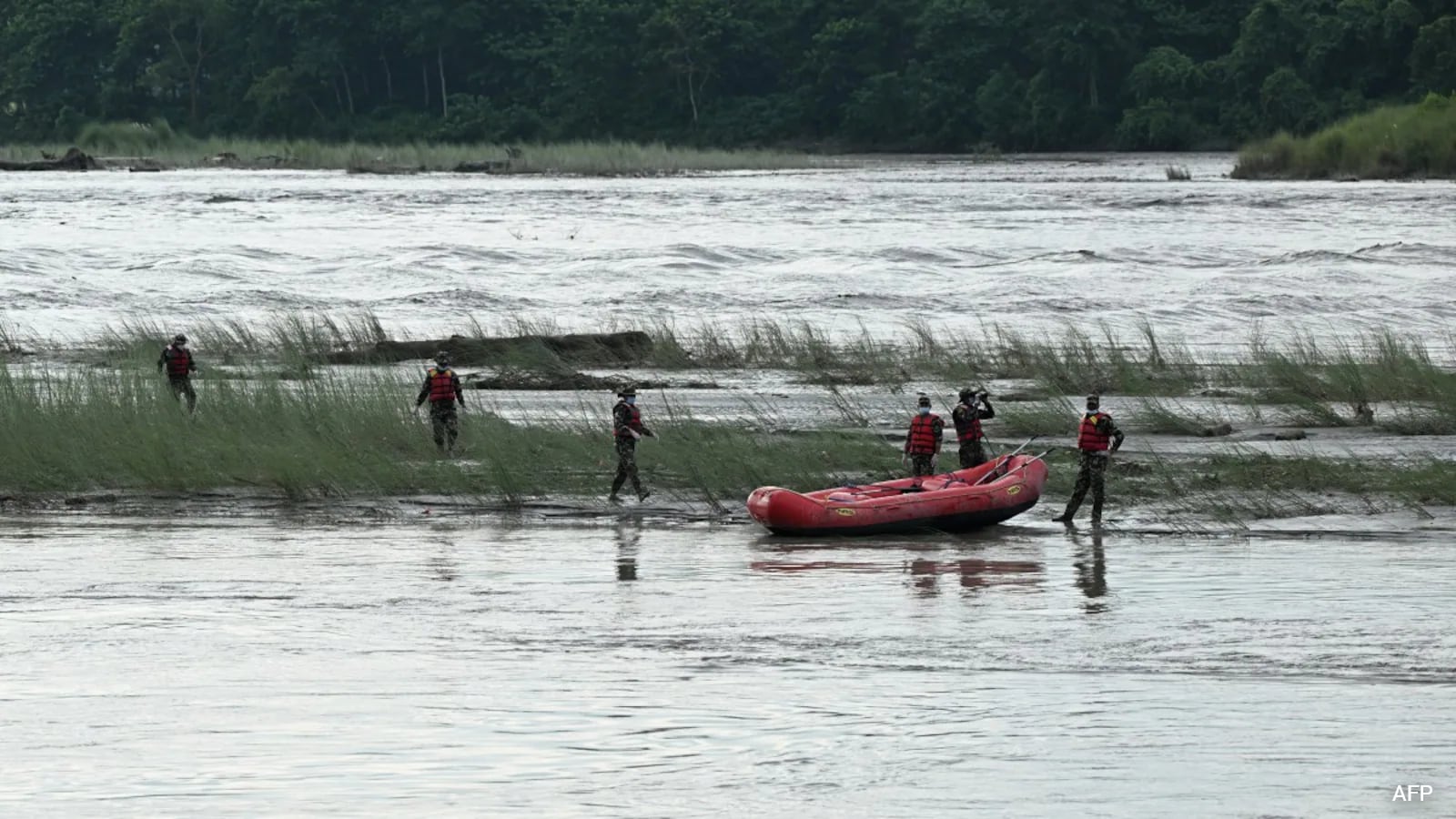
Nepal has suffered severe floods that killed more than 1,000 people.
Prime Minister Balen Shah thanked India and China for helping with the emergency response.
Technicians from both countries studied the damage, including from the air.
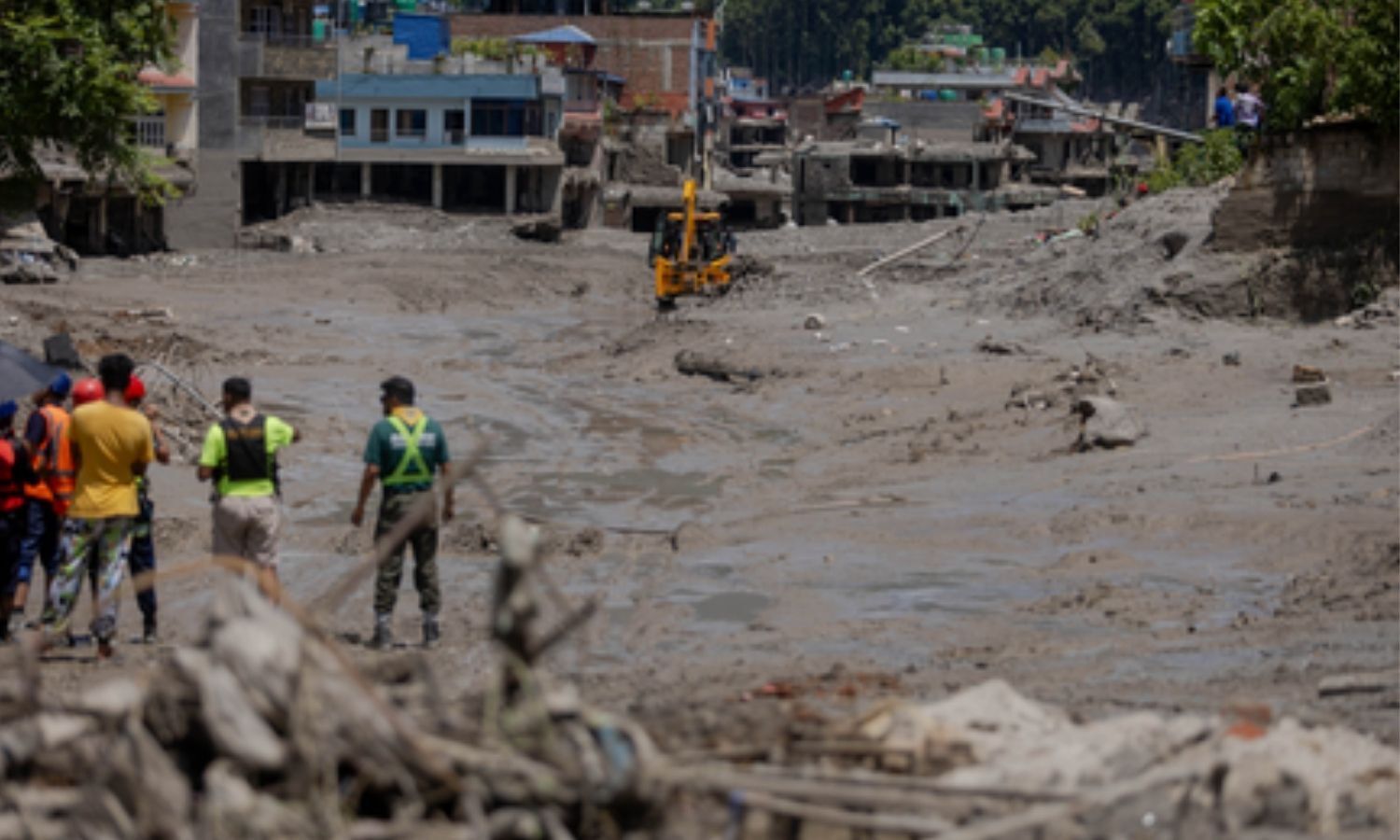
The mud was so deep that rescue workers and heavy machines struggled to stand or operate.
India sent emergency supplies and offered search-and-rescue help.
Nepal’s Foreign Affairs Minister Shisir Khanal said the country needs more than ordinary aid.
He wants major countries that emit large amounts of greenhouse gases to discuss climate compensation.
Shah’s thanks and Khanal’s demand show that Nepal is accepting immediate help while also seeking responsibility for climate-related disasters.

Nepal Prime Minister Balen Shah thanked India and China for supporting flood-relief efforts.
The floods have killed more than 1,000 people, according to the report.
Indian and Chinese technicians conducted ground and aerial reconnaissance to assess damage and access affected areas.
India has delivered a fifth tranche of relief supplies and offered specialised search-and-rescue assistance.
Foreign Affairs Minister Shisir Khanal called for climate compensation from major emitters rather than conventional humanitarian aid.
- Who
- Nepal Prime Minister Balen Shah, Foreign Affairs Minister Shisir Khanal, and assistance teams from India and China.
- What
- Nepal thanked India and China for flood-relief support while calling for climate compensation from major emitters.
- Where
- Nepal, with Shah speaking in the Nepal Parliament and Khanal speaking to Kantipur TV.
- When
- Balen Shah made the acknowledgement on Wednesday; Khanal’s demand was reported in an interview.
- Why
- India and China supported relief and damage assessment, while Nepal says climate compensation should address the responsibility of major emitters.
Climate Compensation
Humanitarian Aid
How Nepal should respond to the disaster
Climate Compensation
Shisir Khanal said Nepal should shift from conventional aid to climate compensation, describing the issue as one of legal and moral liability rather than charity.
Humanitarian Aid
India and China provided immediate technical and relief support, including reconnaissance, supplies, and rescue assistance.
Meaning of international assistance
Climate Compensation
Nepal intends to raise compensation at international forums with firmness and clarity, linking the demand to major emitters.
Humanitarian Aid
Balen Shah publicly recognised the practical value of timely assistance from friendly nations during the emergency.
Key facts
- Reported deaths
- More than 1,000 people have been killed in the floods.
- Countries thanked
- India and China.
- Nepal’s prime minister
- Balen Shah.
- Nepal’s foreign affairs minister
- Shisir Khanal.
- India’s assistance
- A fifth tranche of relief material, multiple Indian Air Force sorties, and an offer of specialised search-and-rescue assistance.
- Requested policy shift
- From conventional humanitarian aid toward climate compensation.
- Countries cited as major emitters
- India, China, and the United States.
Quotes
Shisir Khanal
Nepal’s foreign affairs minister
“Our friendly nations, China and India, had sent technicians. From the very first day, they had conducted reconnaissance, including aerial reconnaissance, to assess the extent of the damage in the area and determine whether it was possible to reach the location.”
 freepressjournal.in
“This was an exceptional situation. The mud and sludge at the location were so severe that not only excavators, but even personnel from the Army and Armed Police Force had no place to stand.”
freepressjournal.in
Sources
Related news

Nepal Seeks Climate Compensation After Deadly Floods

Nepal Thanks India as Flood Relief Reaches Amid Rising Toll
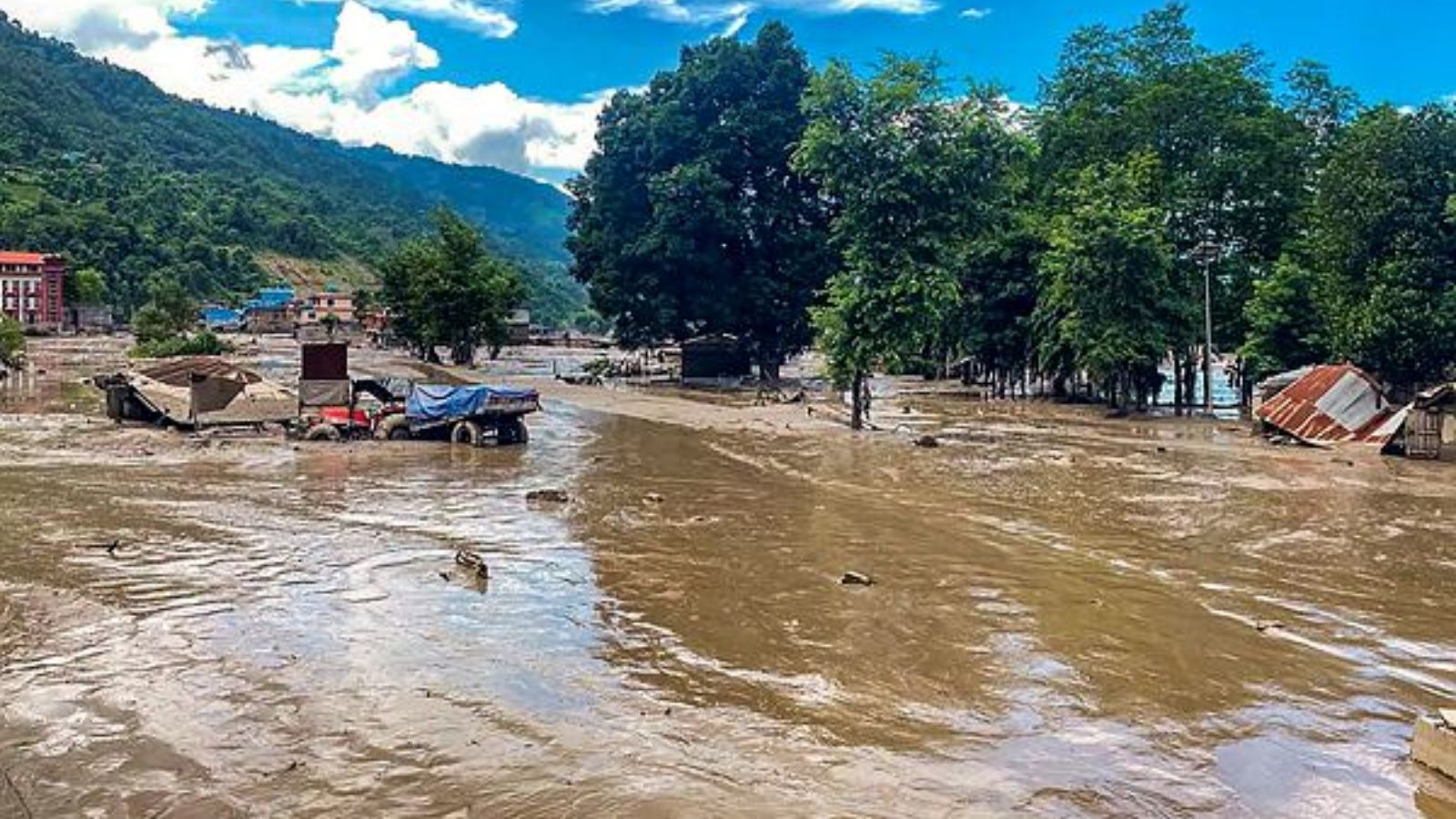
Nepal Flash Floods Leave Hundreds Missing as India Sends Aid

Nepal Thanks World for Flood Support, Rejects Assistance Claims

Nepal Flash Floods Prompt Indian Aid, Rescue Preparedness

Nepal President Thanks India After Flood Kills 626
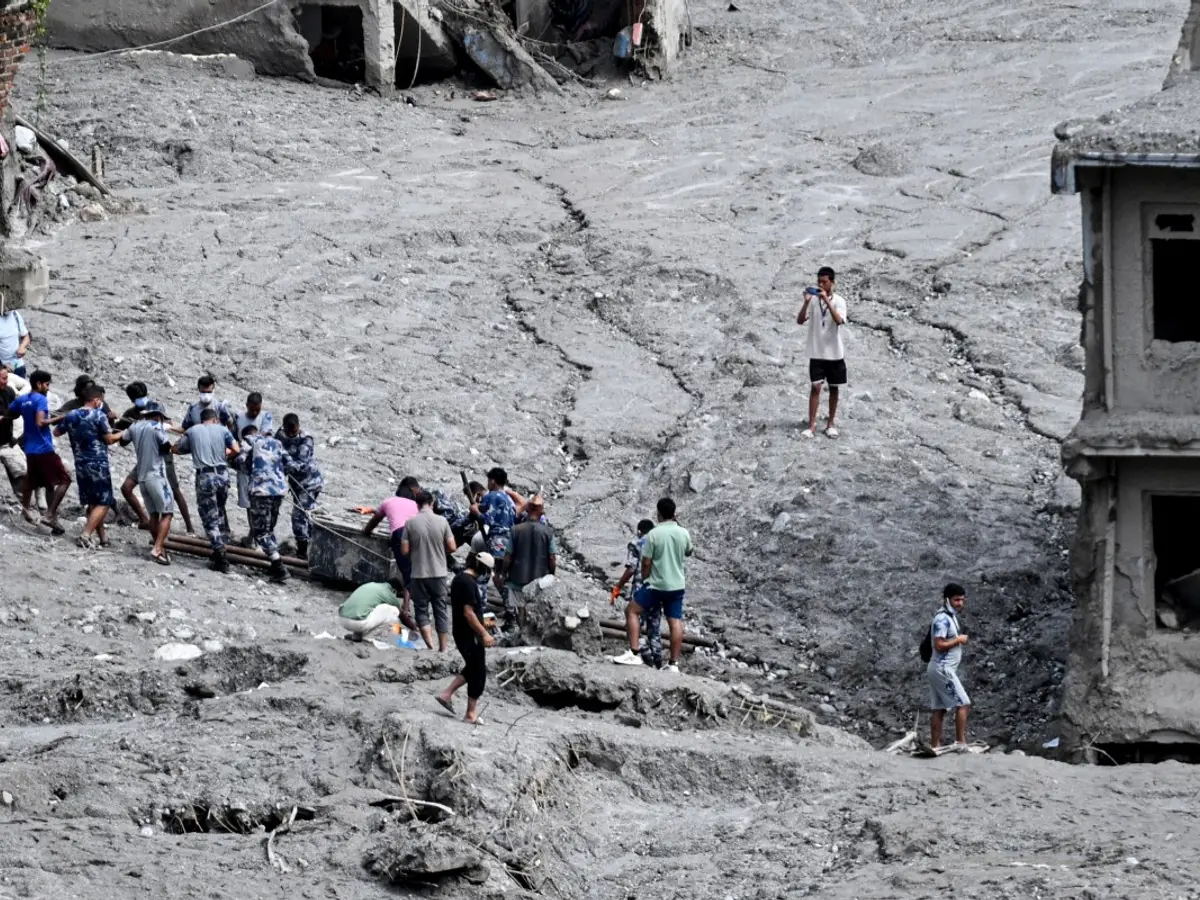
Nepal Floods Kill 1,010 as 4,000 Remain Missing
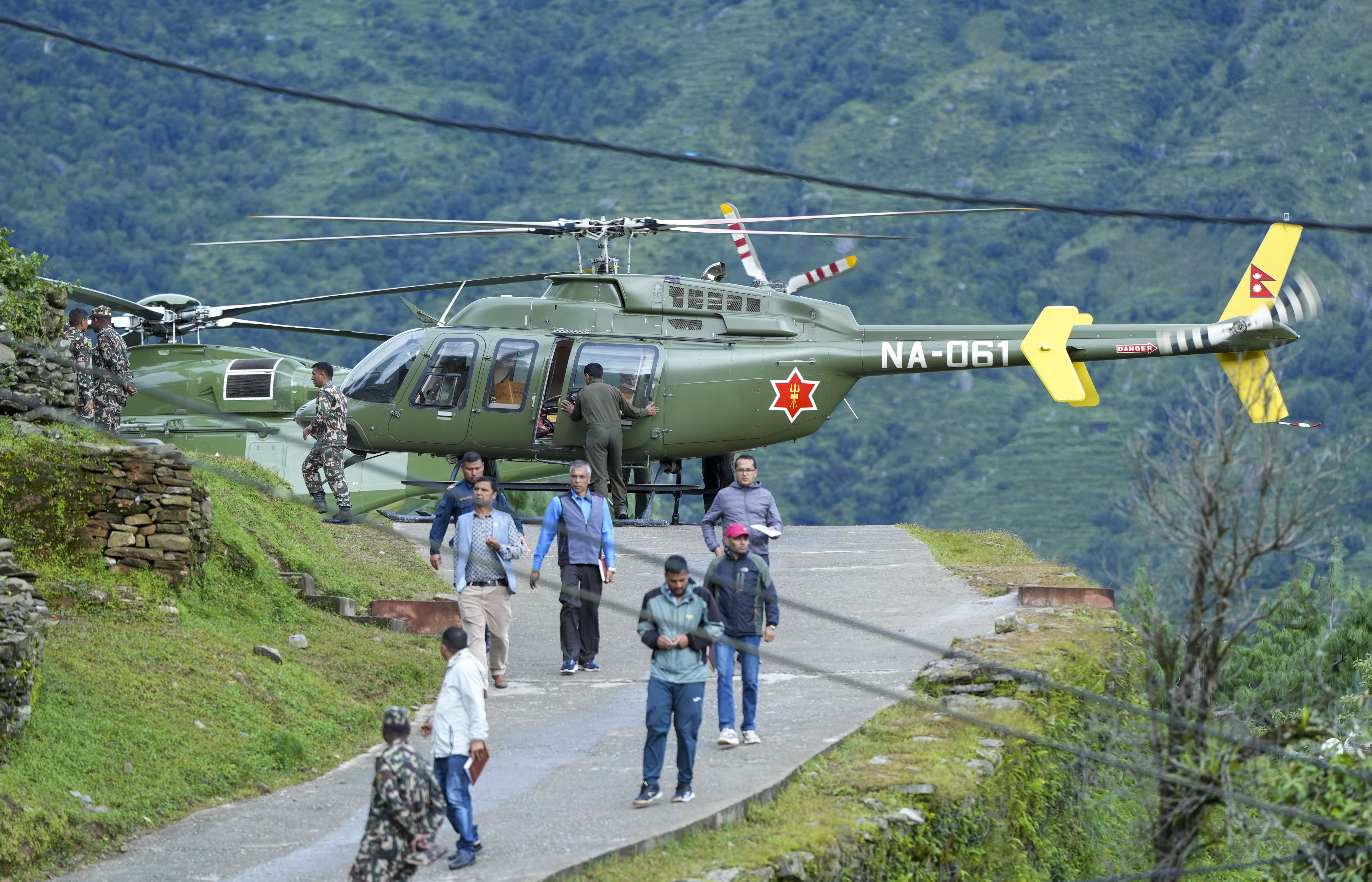
Nepal-Tibet Glacial Floods Kill 939 as Rescues Enter Day Six
Nepal Buries Flood Victims as Rescuers Seek Thousands Missing