1 week ago
Nepal Flash Floods Expose Glacier Risks Amid Climate Concerns

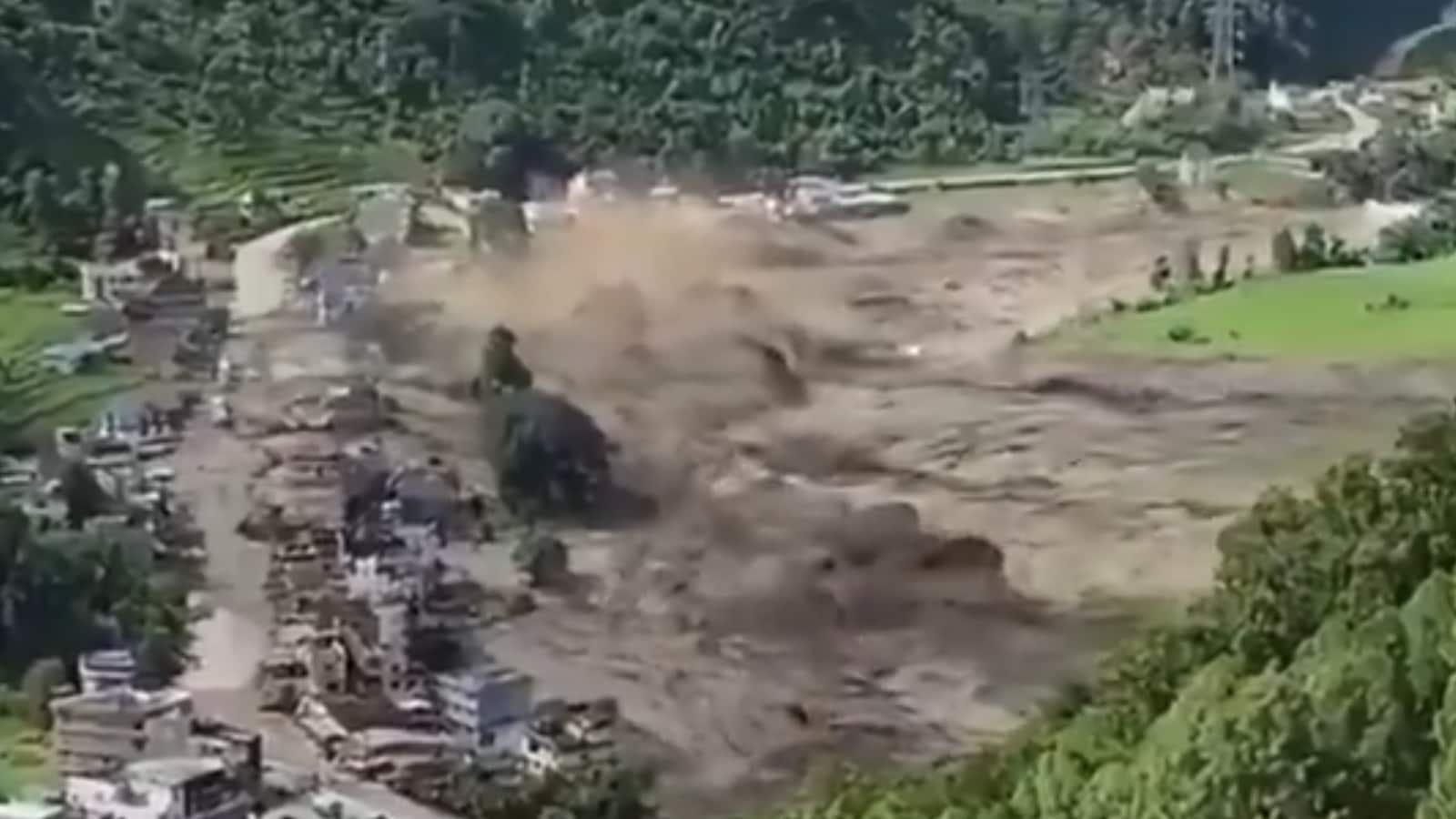
A very large flood rushed through mountain areas of Nepal on Wednesday.
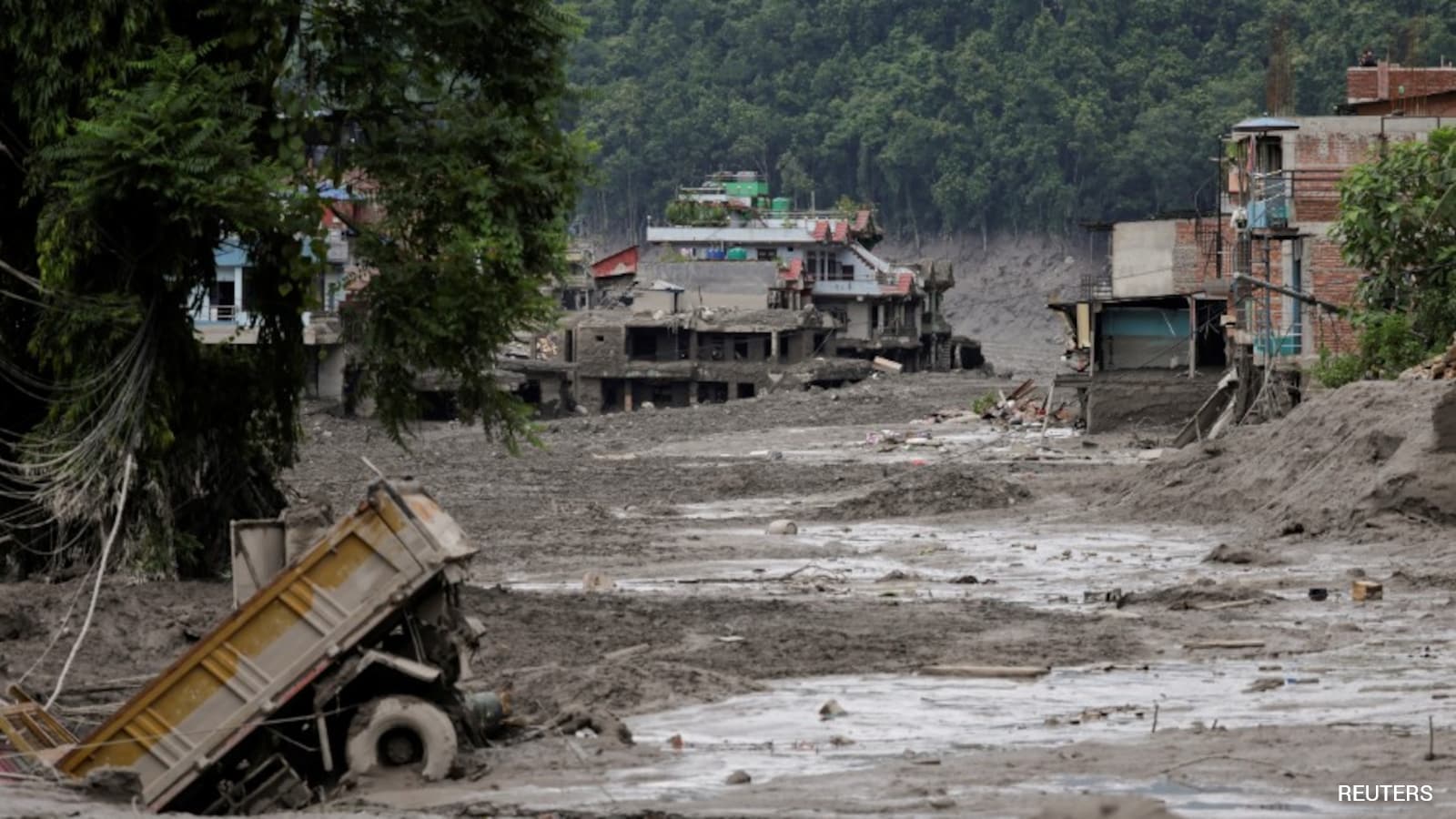
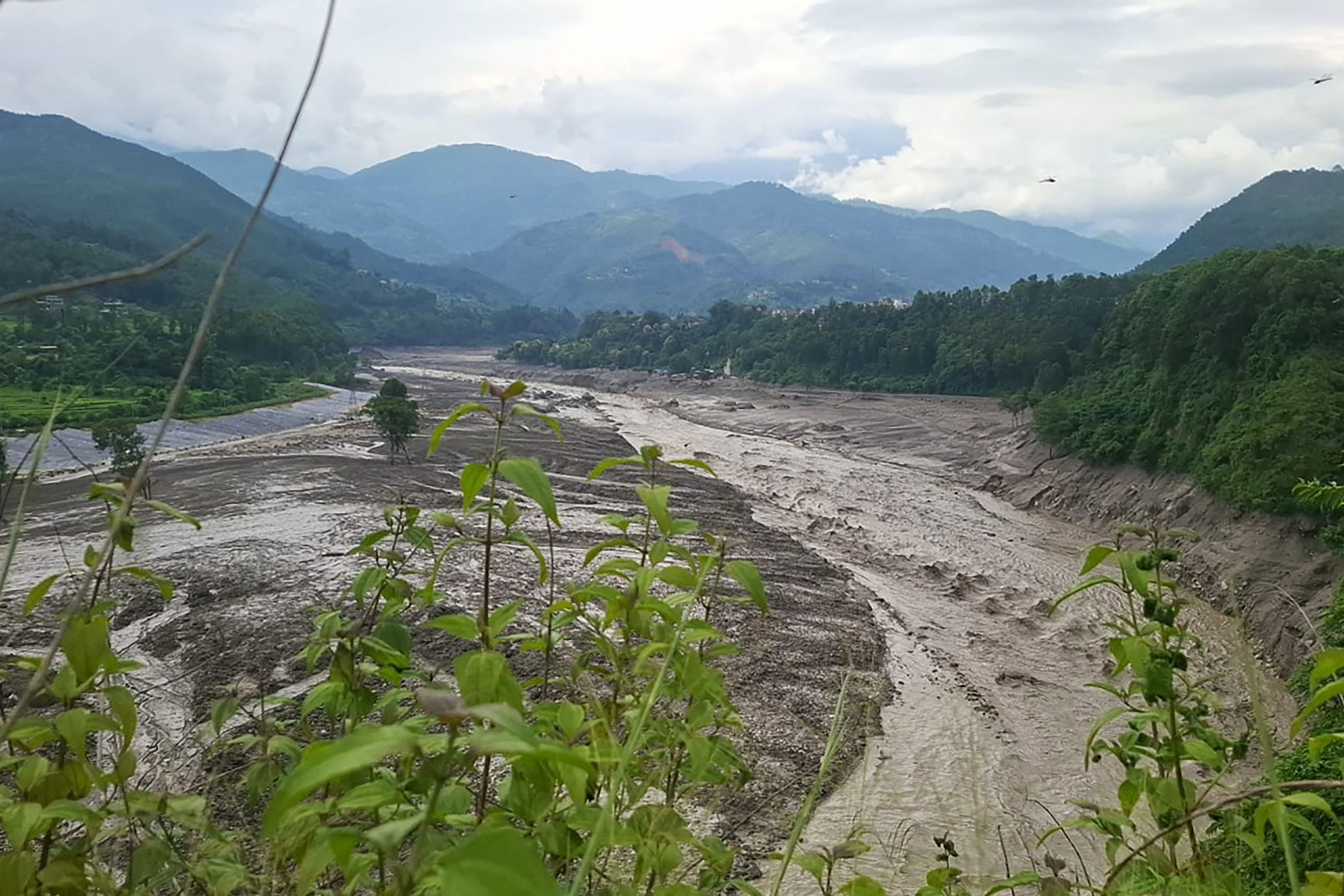
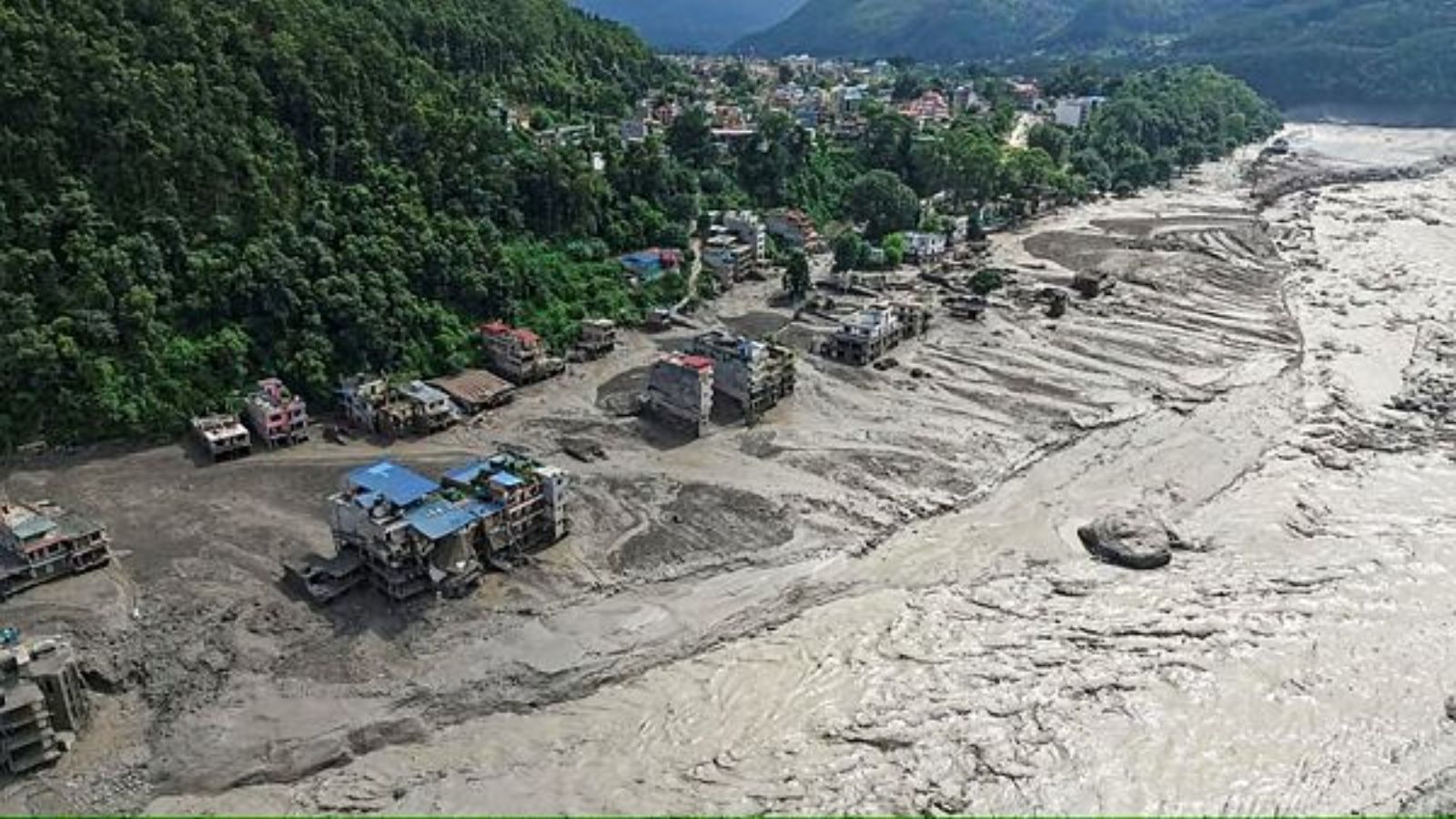
The water carried mud and rocks and damaged homes, roads, bridges, and power facilities.
Experts think falling ice and rocks from a glacier may have blocked a river and then released a sudden wave of water.
The exact chain of events is still being investigated.
Reports gave different numbers for the deaths, ranging from at least 22 to more than 157.
Officials also said 384 tourists were missing.
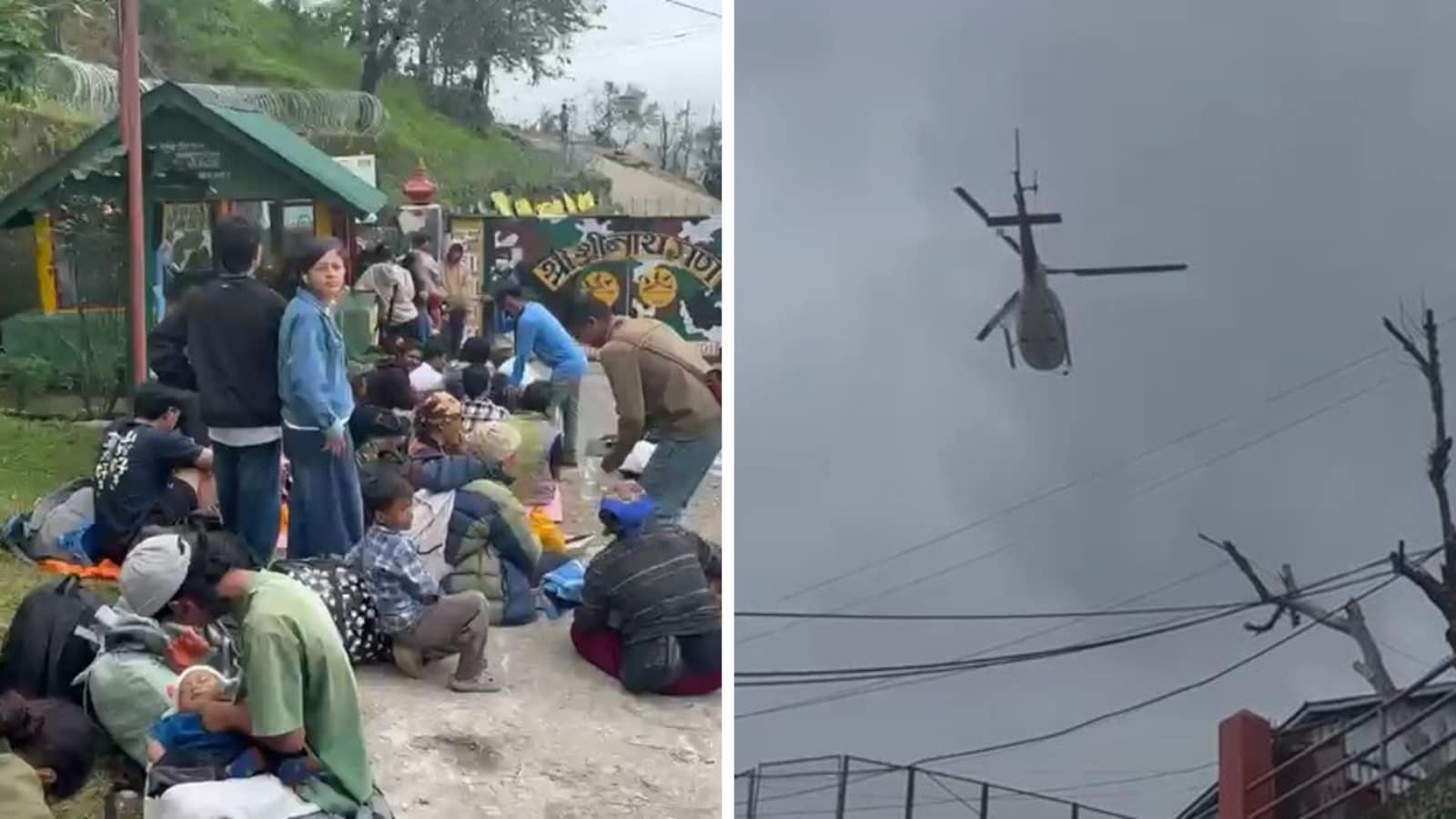
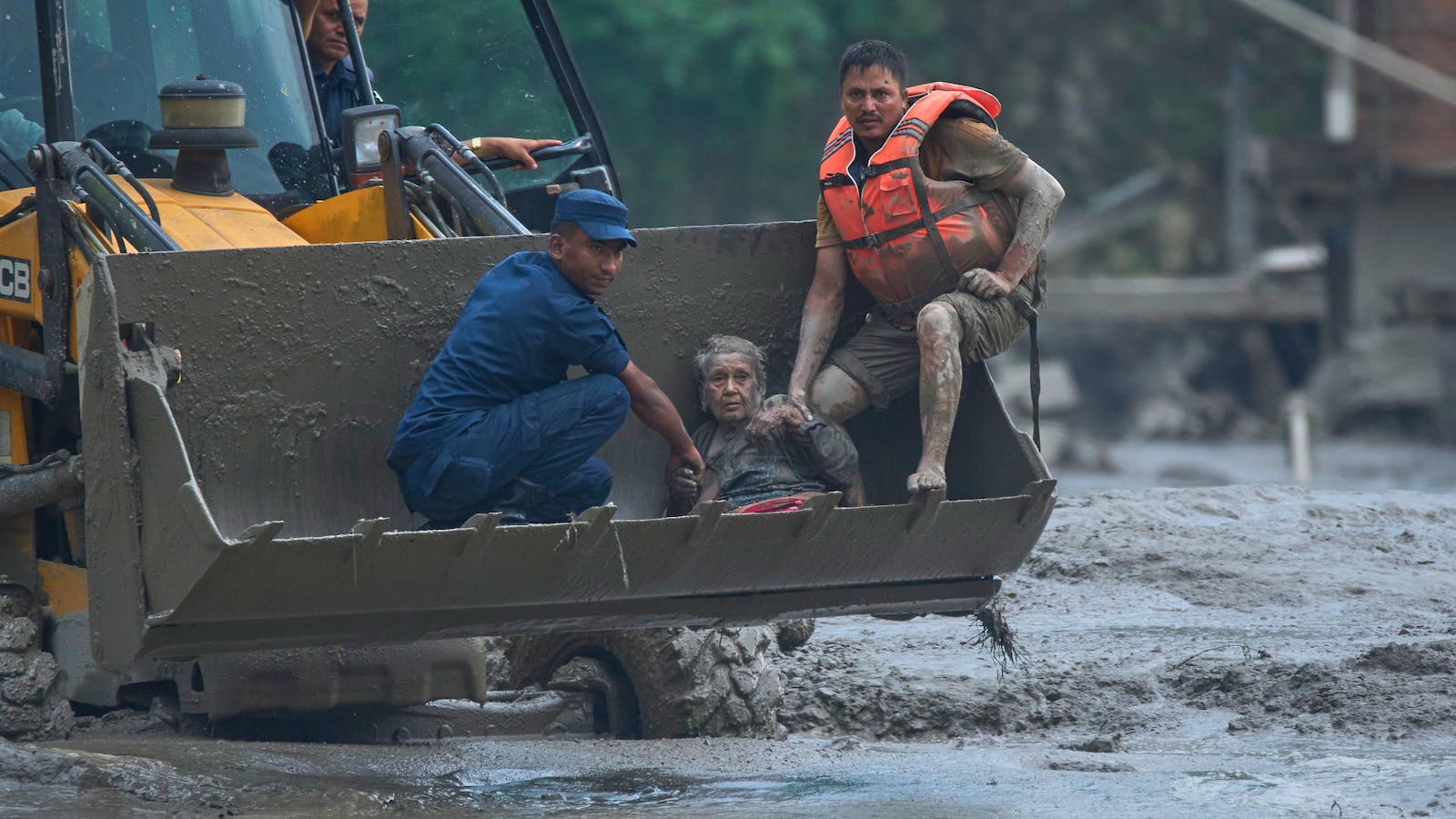
Rescue workers and helicopters were sent to help people.
Scientists say warmer temperatures are melting glaciers and may make these dangerous floods more likely.
Nepal’s rainy monsoon season can add even more water and trigger landslides and floods.

A flash flood struck Nepal’s Bhote Koshi River region in Rasuwa district around 9 a.m. Wednesday.
Reports differed on the death toll, citing at least 22 deaths in one account and more than 157 in another.
Experts said an ice-and-rock avalanche may have blocked the Lhende Khola River before releasing a sudden surge downstream.
Floodwaters damaged villages, bridges, highways, monitoring stations, hydropower facilities, and other infrastructure.
Officials reported 384 tourists missing, while scientists linked the wider risk to Himalayan warming, glacier melt, and monsoon extremes.
- Who
- People in Nepal’s Rasuwa district and downstream communities were affected; officials reported 384 tourists missing. Nepalese authorities, the Nepal Army, climate experts, and rescue personnel responded.
- What
- A flash flood carrying water and debris damaged communities, transport links, monitoring stations, and energy infrastructure.
- Where
- The worst damage was reported in Timure and Syafrubesi in Rasuwa district near the Nepal-Tibet border, with effects extending into the Trishuli River and neighbouring areas.
- When
- The flood occurred on Wednesday, with the Bhote Koshi River flooding at about 9 a.m.; a similar disaster occurred in August last year.
- Why
- Preliminary assessments suggest an ice-and-rock avalanche may have entered and blocked the Lhende Khola before releasing a surge; scientists also cited warming, glacier melt, glacial lakes, and monsoon conditions as contributing risks.
Climate Change Is Increasing Glacier-Flood Risks
The Immediate Cause Remains Under Investigation
Cause of the flood
Climate Change Is Increasing Glacier-Flood Risks
Climate experts said warming Himalaya conditions are destabilizing glaciers, expanding glacial lakes, and increasing the risk of sudden outburst floods.
The Immediate Cause Remains Under Investigation
Researchers said they were still investigating the precise sequence; preliminary evidence only indicated that ice and rock debris may have entered the Lhende Khola, while heavy rainfall can also trigger floods.
Meaning of repeated disasters
Climate Change Is Increasing Glacier-Flood Risks
The Lhende Khola flooded twice in fourteen months, and scientists said accelerated glacier melt and more frequent extreme weather reflect a growing climate-related danger.
The Immediate Cause Remains Under Investigation
The articles did not establish that climate change directly caused this specific flood; they described it as a broader risk factor alongside monsoon rains, landslides, and Nepal’s mountainous terrain.
Key facts
- Reported deaths
- Accounts differed, reporting at least 22 deaths in one account and more than 157 in another.
- Missing tourists
- Officials reported 384 tourists missing, including 291 from countries such as India, the United States, the United Kingdom, and Malaysia.
- Flood timing
- The Bhote Koshi River flooded at approximately 9 a.m. on Wednesday.
- Worst-affected area
- Rasuwa district, including Timure and Syafrubesi.
- Possible trigger
- Experts said an ice-and-rock avalanche may have blocked the Lhende Khola River and released a sudden downstream surge.
- Energy damage
- The Nepal Electricity Authority said about 430 megawatts of production capacity, including hydropower and solar facilities, was damaged.
- Previous disaster
- A similar flood in August last year killed nine people and damaged a bridge connecting Nepal and Tibet.
Quotes
Saswata Sanyal
Disaster risk reduction specialist at the International Centre for Integrated Mountain Development
“The Lhende Khola has flooded twice in fourteen months, this time triggered by an ice rock avalanche from a glacier on the Nepal side that blocked the river and released a sudden surge downstream.”
 NDTV
NDTV
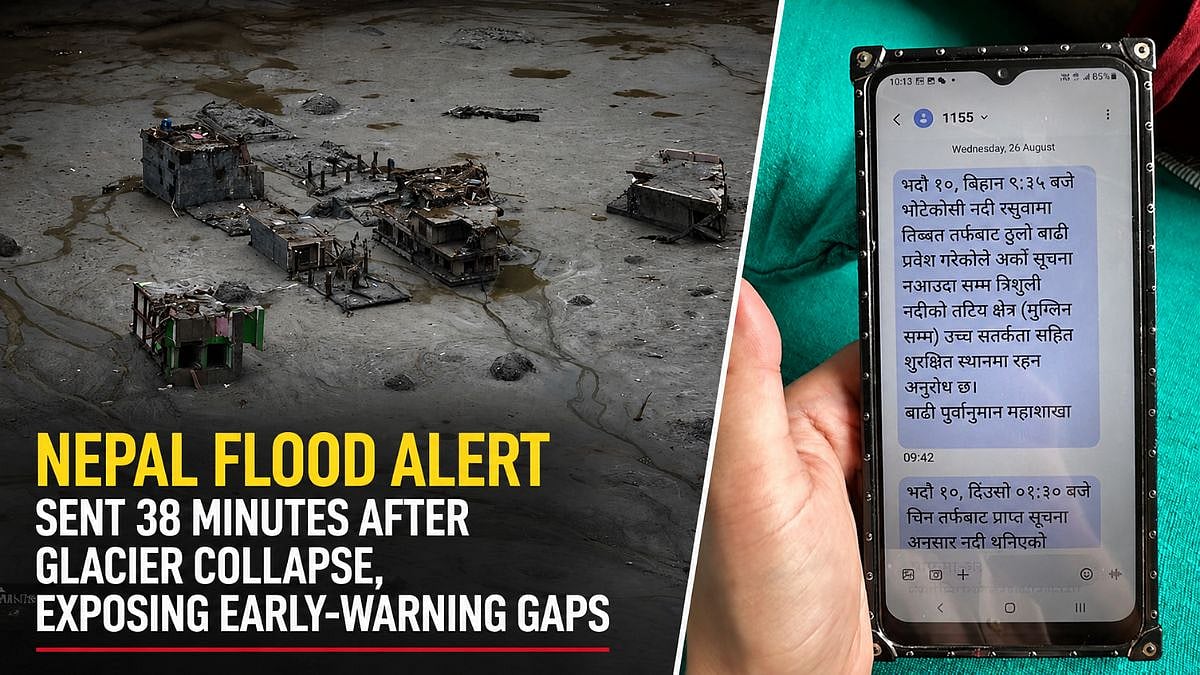
“In a warming Himalaya, early warning is the first line of adaptation.”
NDTV
Sources
Related news
Nepal Flood Highlights Rising Glacier Risks in Warming Himalayas
Nepal Flash Flood Sweeps Away Riverside Settlement, Hundreds Dead
Bhote Koshi Flood Exposes Growing Himalayan Climate Risks

Nepal Glacier Collapse Exposes Rising Himalayan Flash-Flood Risks
Why Nepal Remains Vulnerable to Glacial Floods and Earthquakes

Nepal Thanks India as Glacial Disaster Rescue Efforts Continue
Nepal Warns of Heavy Rain After Deadly Floods
Nepal Flood Exposes Delayed Alerts and Cross-Border Warning Gaps

Bhotekoshi Flood Crisis: Nepal PM Shah Calls for Courage

Nepal PM Thanks India, China Amid Climate Compensation Demand