

1 hr ago
How Geography and Infrastructure Shape Himalayan River Power
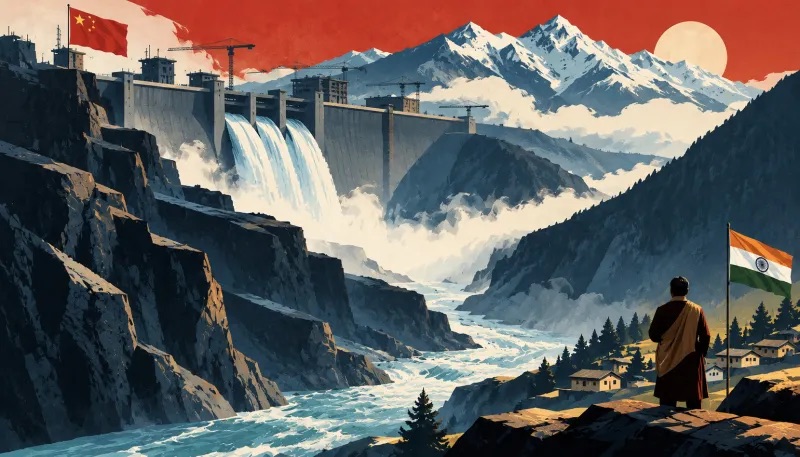
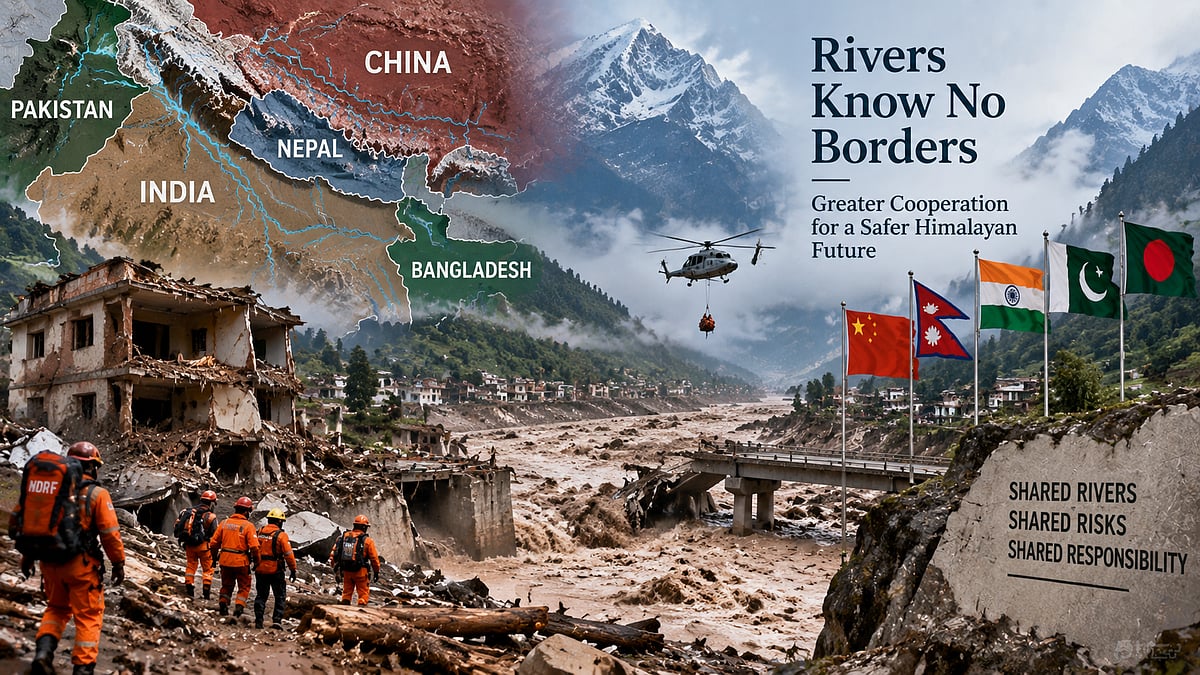
Some rivers flow through more than one country.
The country where a river begins can often build dams before the water reaches its neighbors.
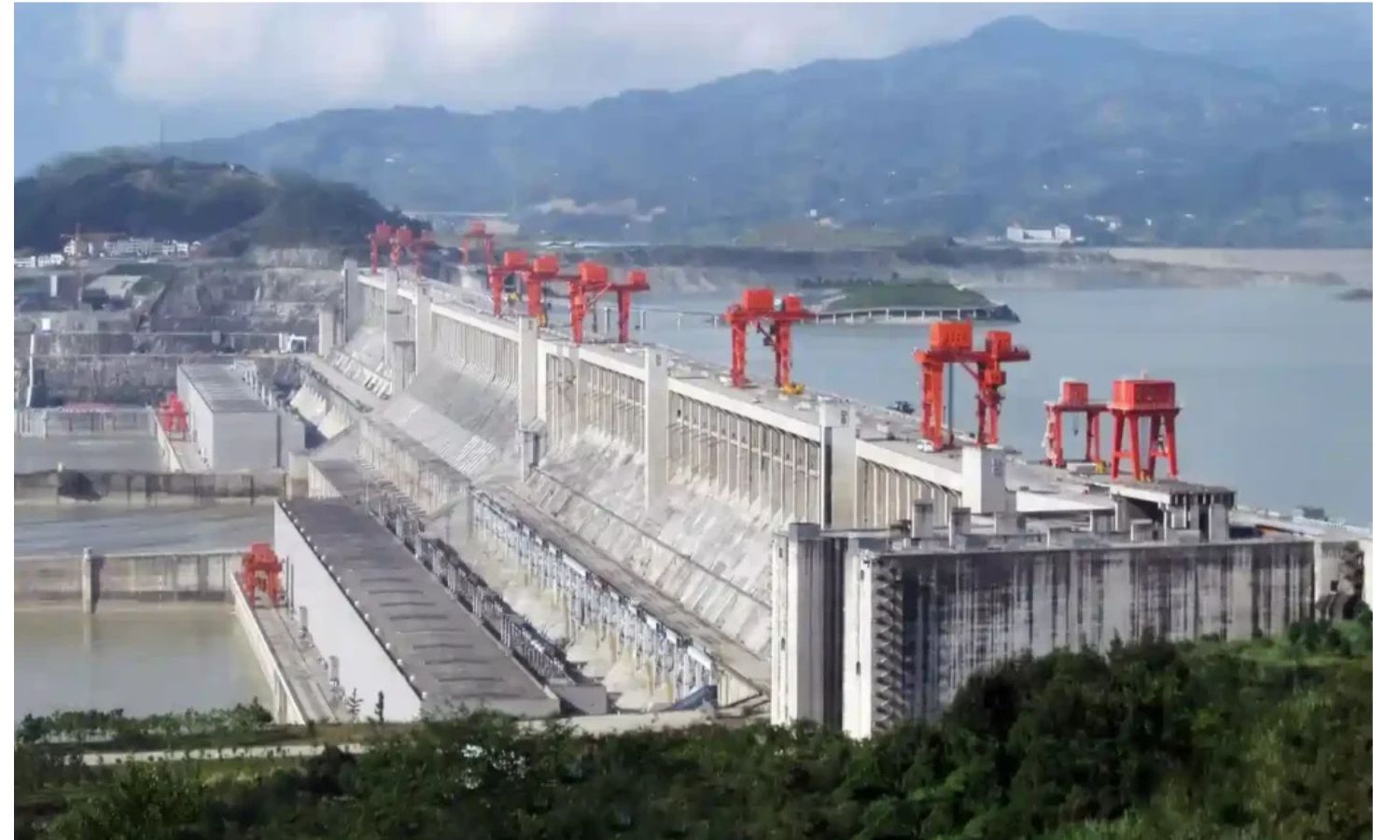
China is upstream of India on the Brahmaputra, so its projects could change how the river flows into India.
India is upstream of Pakistan on the Indus, but it has a detailed treaty with Pakistan.
After the 2025 Pahalgam attack, India paused treaty cooperation, including meetings and data sharing.
India did not have enough storage or infrastructure to completely cut Pakistan’s water.
A Hague tribunal said India could not suspend the treaty by itself, but India rejected that decision and questioned the arbitration process.
The article says international law matters, but geography and construction can give countries greater practical power.
It recommends better monitoring, storage, flood management and treaty rules for security crises.

Upstream countries can gain practical control over transboundary rivers by building dams and other infrastructure.
China’s Yarlung Tsangpo project could affect the Brahmaputra after the river enters India as the Siang.
India has no binding river-water treaty with China, relying instead on limited hydrological cooperation mechanisms.
India suspended cooperation under the Indus Waters Treaty after the 2025 Pahalgam attack, but did not completely stop Pakistan’s water supply.
The article argues that monitoring, storage, flood management and stronger treaties are needed alongside physical infrastructure.
- Who
- China, India and Pakistan are the principal countries discussed, with Ethiopia and Egypt cited as another example of upstream-downstream tensions.
- What
- The article examines how geography, dams and infrastructure influence control over rivers that cross national borders.
- Where
- The focus is on the Himalayas, especially the Brahmaputra and Indus river systems; the Nile is also mentioned as a global comparison.
- When
- The discussion includes developments after the 2025 Pahalgam attack and China’s ongoing hydropower plans on the Yarlung Tsangpo.
- Why
- Upstream infrastructure can alter water flows and strengthen a country’s negotiating position, while existing treaties may not address security crises or new construction.
Downstream Legal Rights
Upstream Sovereignty and Infrastructure
Treaties versus physical control
Downstream Legal Rights
Downstream countries rely on international law, treaties, data sharing and cooperation to protect predictable river flows.
Upstream Sovereignty and Infrastructure
Upstream countries can strengthen their practical control by constructing dams and managing water before it crosses the border.
Indus Waters Treaty
Downstream Legal Rights
The Hague tribunal held that India could not unilaterally place the treaty in abeyance.
Upstream Sovereignty and Infrastructure
India rejected the ruling, disputed the arbitration process and argued that the treaty was not designed to address repeated terrorism and security crises.
Infrastructure and negotiation
Downstream Legal Rights
Downstream states such as India on the Brahmaputra and Egypt on the Nile may face changes caused by upstream projects.
Upstream Sovereignty and Infrastructure
Upstream states such as China and Ethiopia can use their geographic position and infrastructure to shape river flows and increase negotiating power.
Key facts
- Brahmaputra source river
- The river is called the Yarlung Tsangpo in China and becomes the Siang after entering Arunachal Pradesh.
- India-China framework
- India and China do not have a binding river-water treaty regulating such construction; their cooperation is limited mainly to hydrological mechanisms.
- Indus relationship
- India is upstream of Pakistan on the Indus river system.
- Treaty suspension
- India placed the Indus Waters Treaty in abeyance after the 2025 Pahalgam attack.
- Practical effect
- India suspended cooperation, data sharing, commission meetings and treaty processes, but could not completely stop Pakistan’s water.
- Tribunal ruling
- A Hague tribunal held that India could not unilaterally suspend the treaty; India rejected the ruling and disputed the arbitration process.
- Recommended response
- The article calls for independent monitoring, greater storage and flood-management capacity, stronger agreements and security provisions in future treaties.
Sources
Related news
India-China River Data Dispute Makes Mistrust a Strategic Lever
India Rejects Hague Ruling, Exposing International Law's Power Gap
Tibetan Glacial Data Dispute Raises Alarms After Nepal Flood
Himalayan Floods Intensify Calls for Regional Water Cooperation
Nepal Floods Expose Himalayan Disaster Risks and Regional Divisions
Nepal Floods Expose Growing Risks to Himalayan Hydropower

Nepal Flash Floods Highlight Himalayan Climate and Dam Risks
Nepal Floods Raise Red Flags Over Himalayan Dam-Building
