2 hrs ago
India-China River Data Dispute Makes Mistrust a Strategic Lever
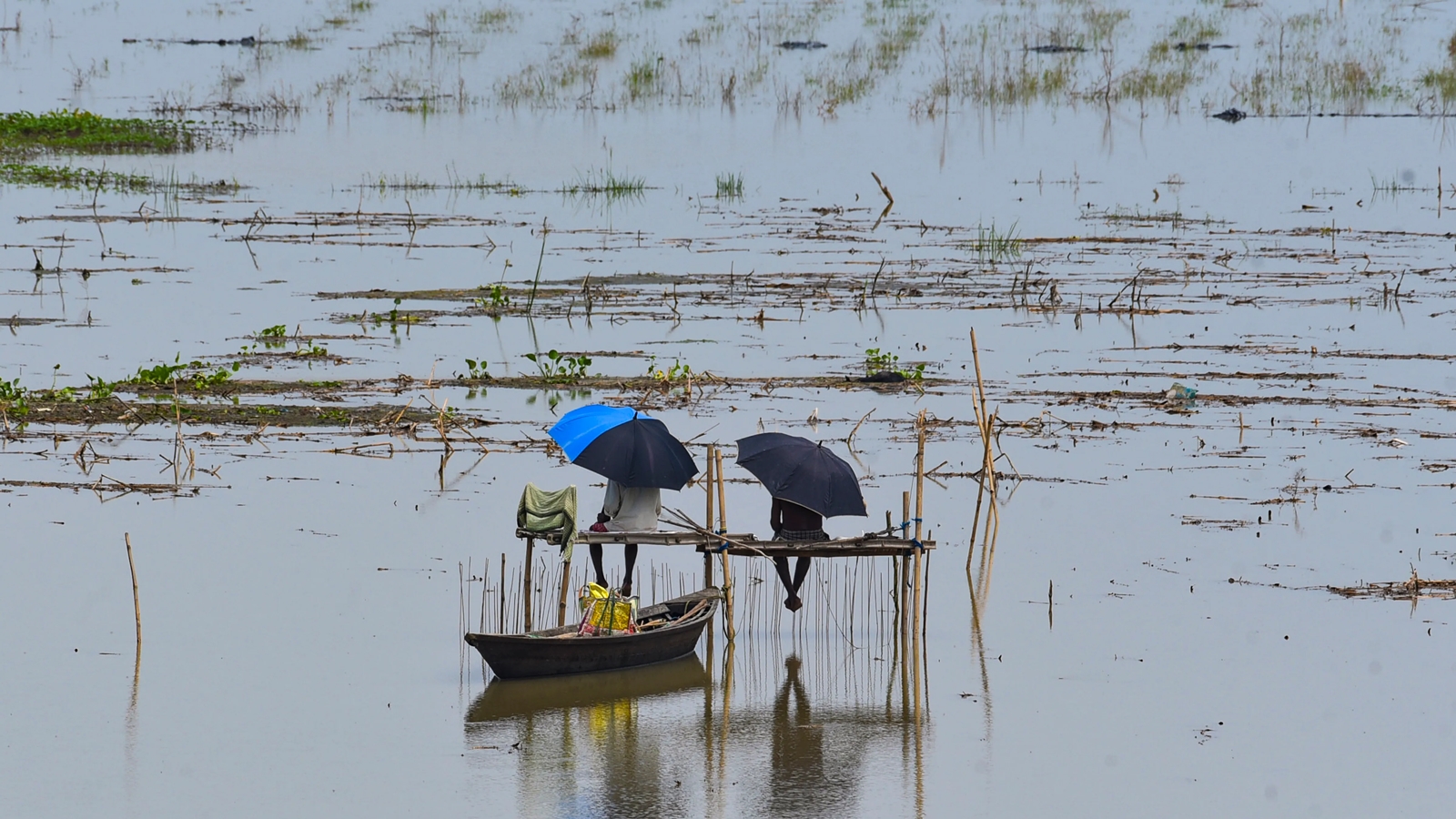
Several important Indian rivers begin in areas controlled by China.
The Brahmaputra is called the Yarlung Tsangpo in Tibet and the Siang after entering Arunachal Pradesh.
India cannot directly see what is happening at the rivers’ sources.
Instead, China decides when to share information about water levels and floods.
The two countries do not have a formal water-sharing treaty.
They use agreements that cover some seasonal data for the Brahmaputra and Sutlej.
China stopped sharing Brahmaputra information during periods of political conflict with India.
This means information that could help predict floods can become part of disagreements between the two countries.

The Brahmaputra, Sutlej and Indus originate in Tibet, where China controls access to their sources.
India and China have no water treaty, relying instead on two flood-season memorandums and a consultative mechanism.
China has shared or withheld river data according to its own terms and bilateral relations.
Brahmaputra data was suspended during the 2017 Doklam standoff and again after the 2020 Galwan clash.
The Brahmaputra memorandum lapsed in June 2025, leaving flood forecasting vulnerable to political tensions.
- Who
- India and China, with downstream communities in India affected by river-data decisions.
- What
- India relies on Chinese data about rivers originating in Tibet, but the data-sharing arrangements are limited and vulnerable to suspension.
- Where
- The rivers rise in Tibet, with the Brahmaputra flowing into Arunachal Pradesh, where it is known as the Siang.
- When
- The Brahmaputra and Sutlej memorandums were signed in 2002 and 2005; data sharing was suspended during the 2017 Doklam standoff and after the 2020 Galwan clash, while the Brahmaputra memorandum lapsed in June 2025.
- Why
- China controls access to the rivers’ sources and treats hydrological data as subject to its own sovereignty and bilateral relations.
Key facts
- Key rivers
- Brahmaputra, Sutlej and Indus
- Brahmaputra names
- Yarlung Tsangpo in Tibet; Siang in Arunachal Pradesh
- Formal treaty
- India and China have no water treaty
- Existing arrangements
- Flood-season memorandums on the Brahmaputra and Sutlej, plus a consultative mechanism
- Memorandum dates
- Brahmaputra: 2002; Sutlej: 2005
- Data interruptions
- Brahmaputra data sharing stopped during the 2017 Doklam standoff and after the 2020 Galwan clash
- Latest status
- The Brahmaputra memorandum lapsed in June 2025
Sources
Related news
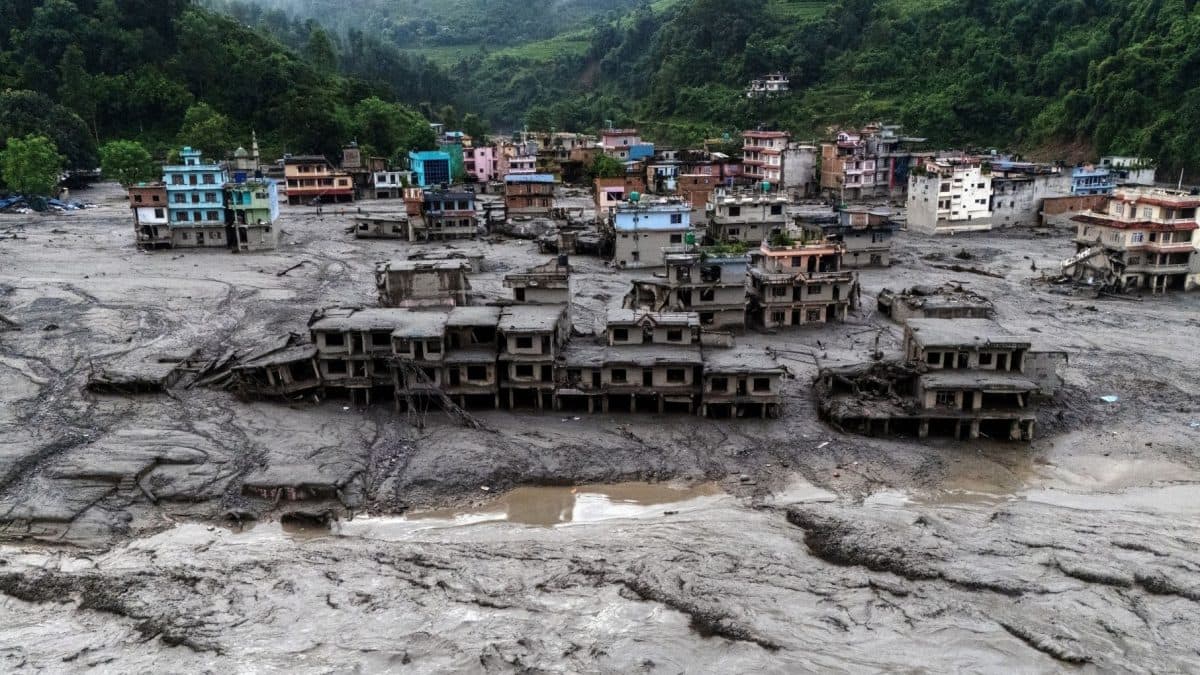
Tibetan Glacial Data Dispute Raises Alarms After Nepal Flood
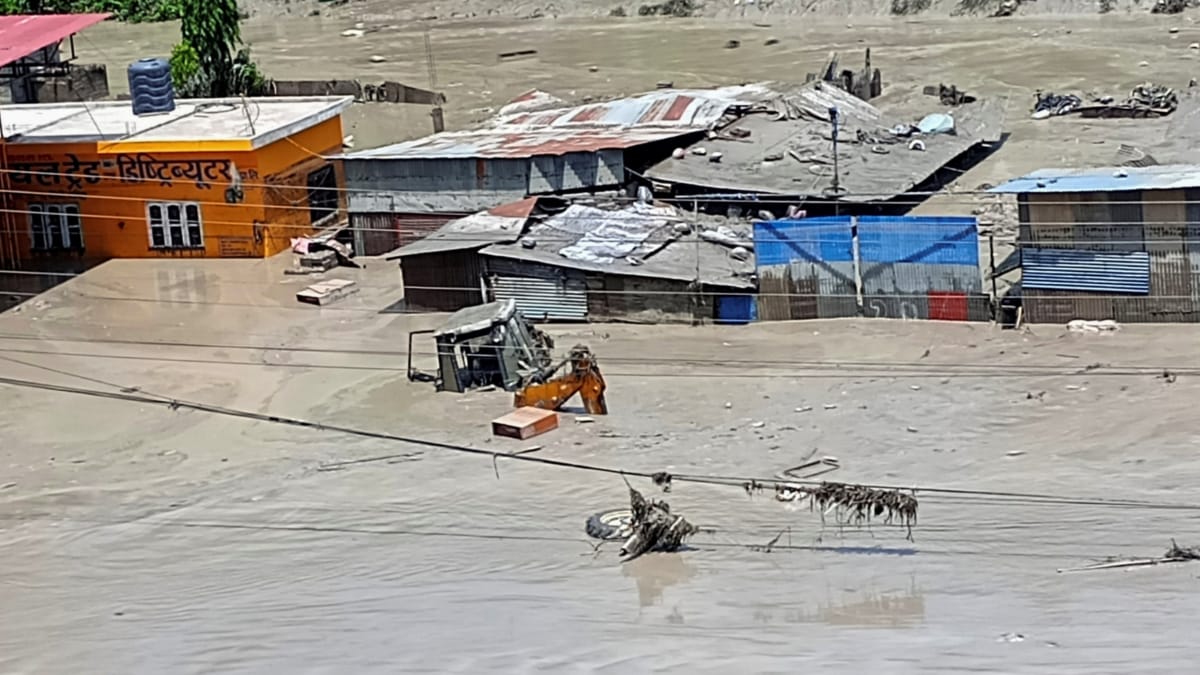
Nepal Flood Raises India’s Concerns Over Upstream Water Risks
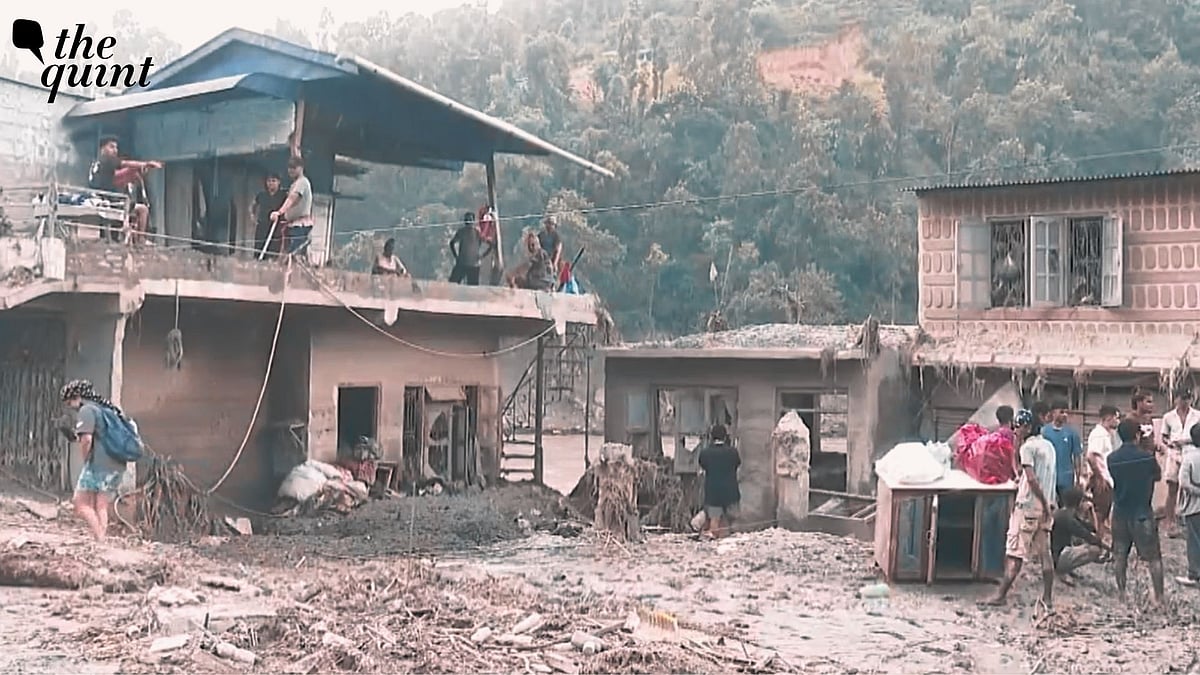
Nepal Declines Foreign Rescue Help Amid Flash Floods

China’s Himalayan Water Control Raises Flood Risks for India
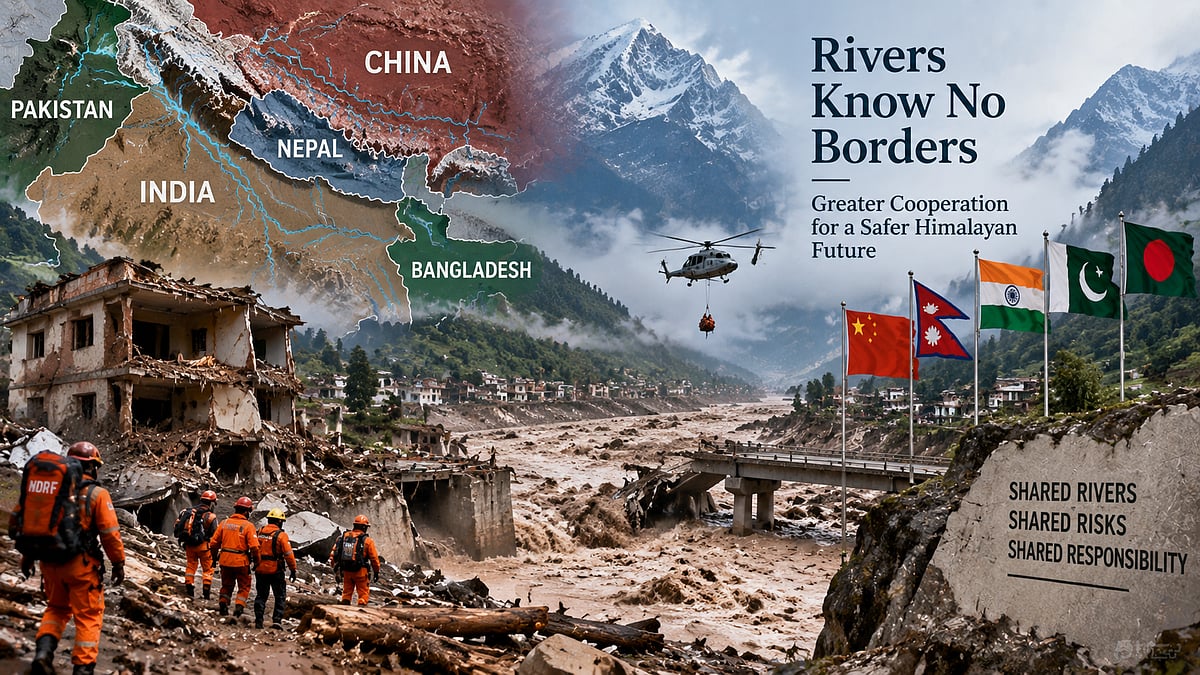
Nepal Floods Expose Himalayan Disaster Risks and Regional Divisions

Nepal Floods Expose Warning Gaps, Spur China Data Push
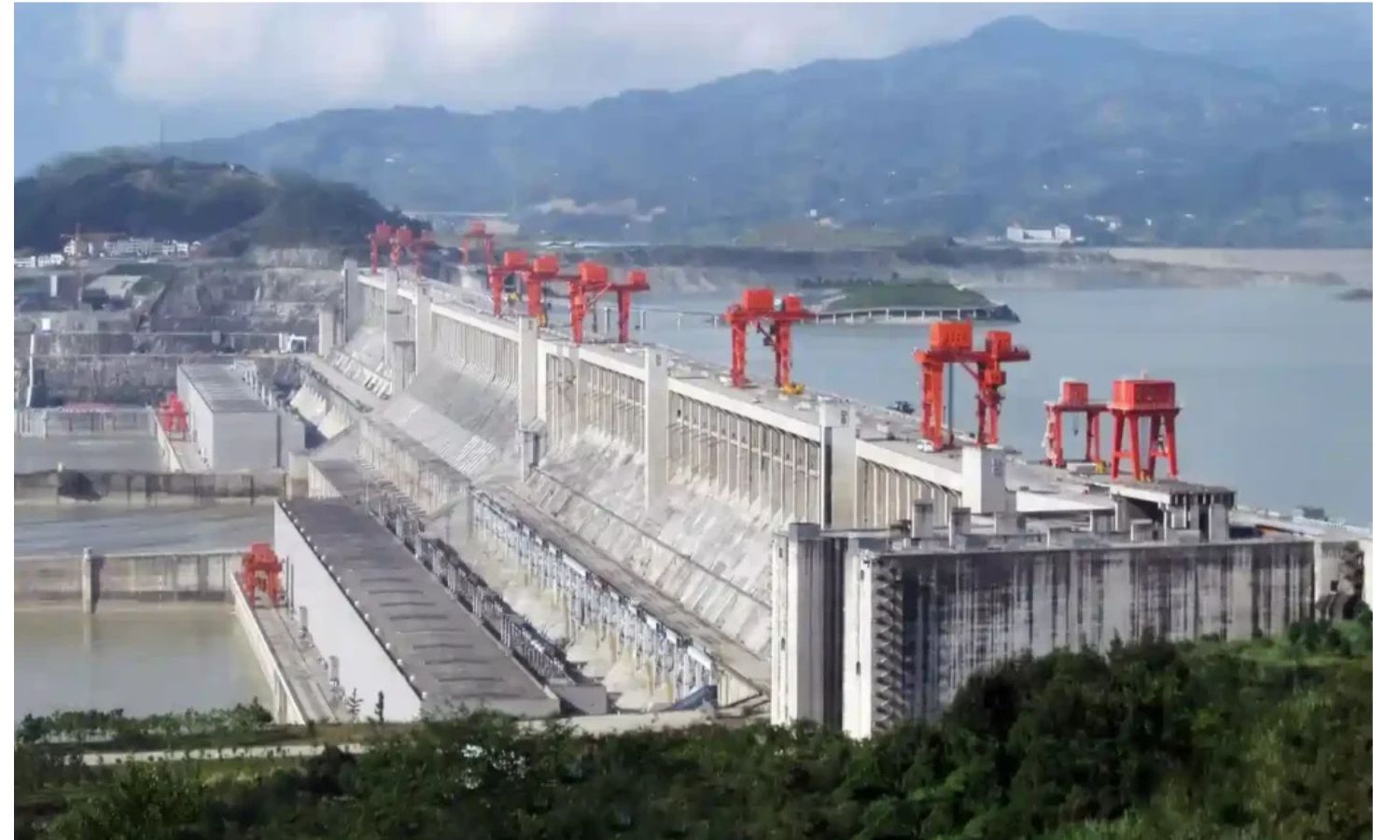
Himalayan Floods Intensify Calls for Regional Water Cooperation

Nepal Floods Leave 1,344 Dead as Search Continues for 5,000
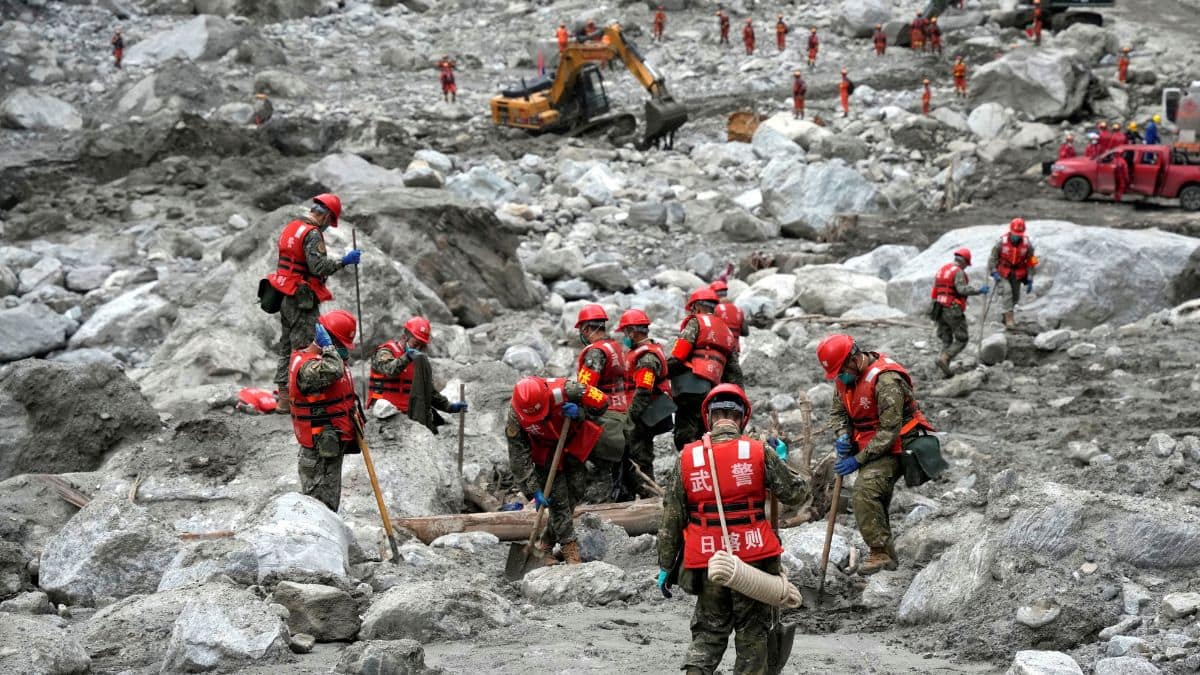
China Recovers Bodies as Mudslide Destroys Nepal Border Crossing
First Images Reveal Flash Flood Devastation Along Tibet-Nepal Border