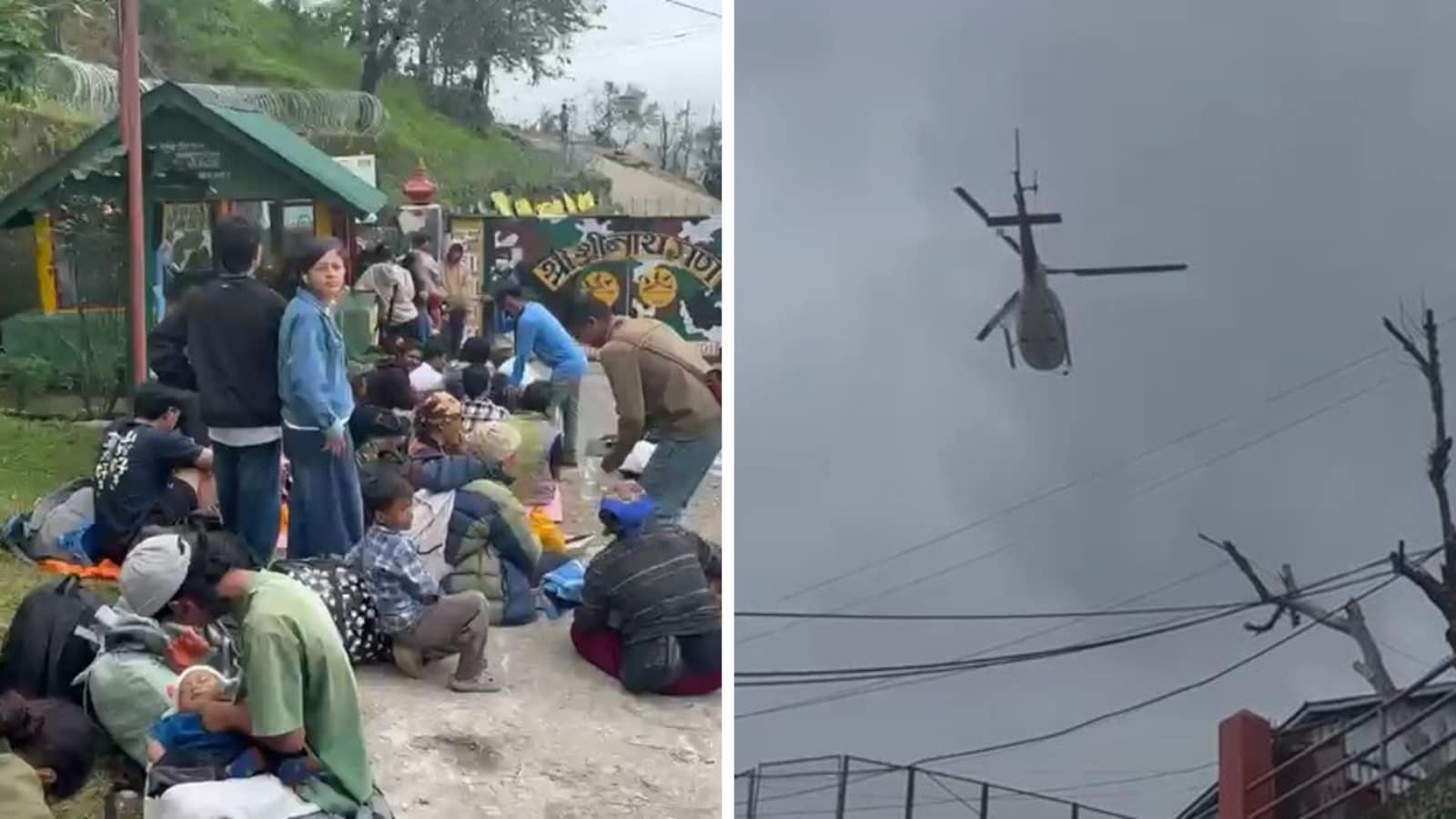
2 days ago
Nepal Floods Raise Red Flags Over Himalayan Dam-Building
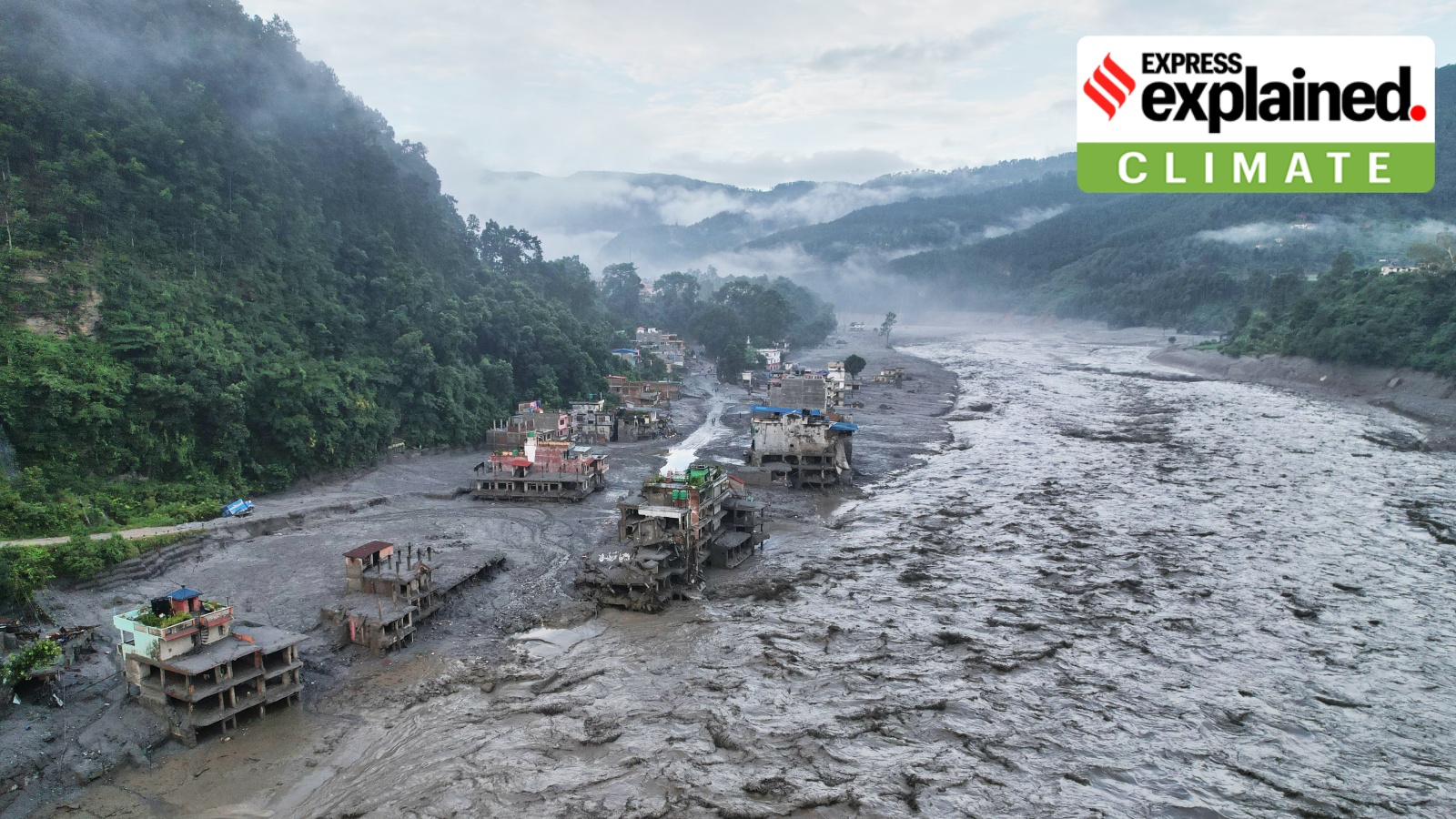
A glacier collapse near the China-Tibet border caused very large floods.
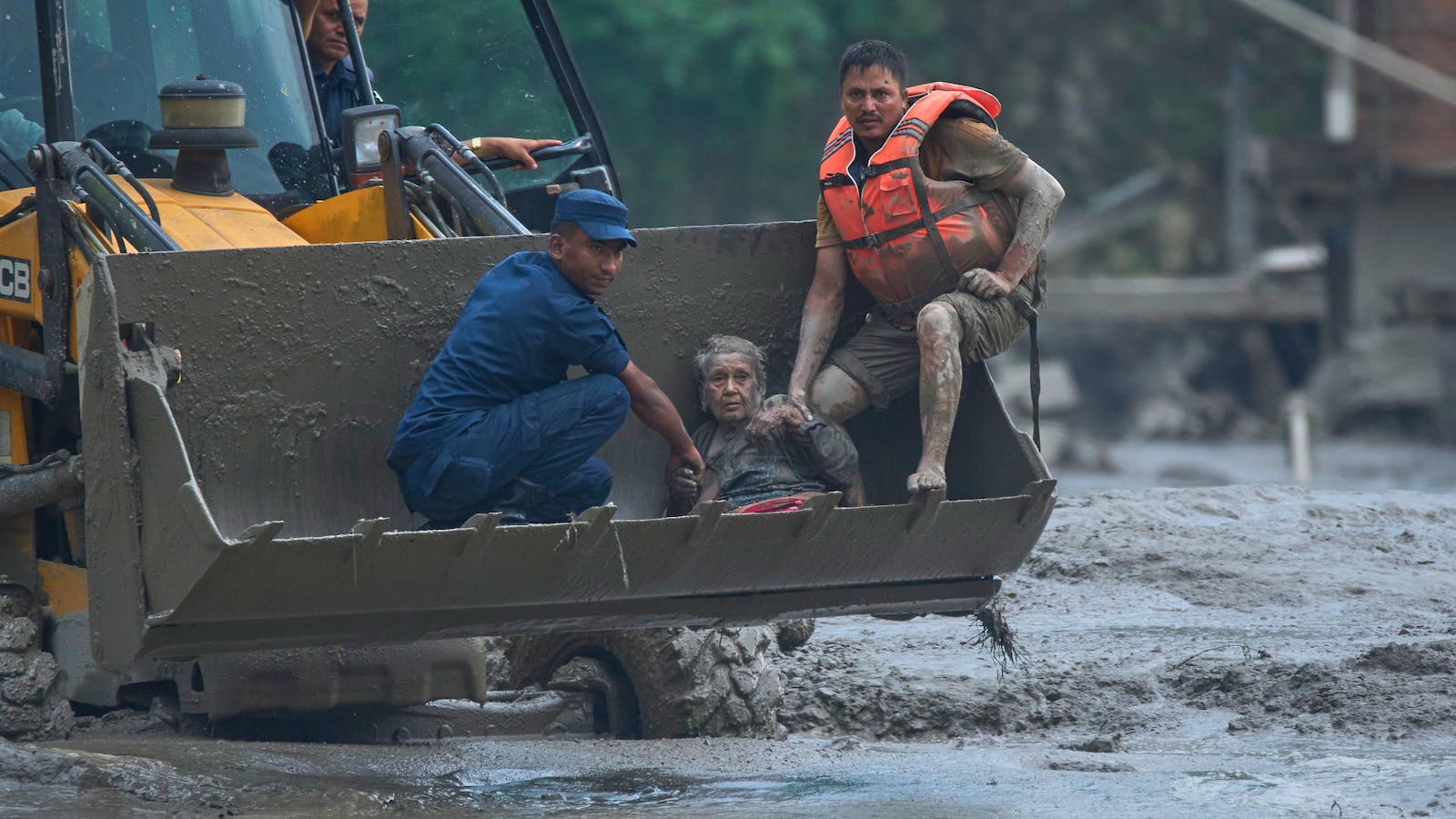
More than 734 people were reported dead, and thousands were still missing five days later.
The Himalayas are naturally dangerous because they have steep slopes, fast rivers, earthquakes and glaciers.
The region is also warming faster than the world as a whole.
Warmer conditions can make glaciers weaker and increase the chance of sudden floods.
Experts say dams, tunnels and other construction may make some places even more fragile.
They also say many countries do not share enough information about rivers, dams and glacial lakes.
Better cooperation and warning systems could help people prepare for future disasters.

A glacier collapse near the China-Tibet border triggered floods that reportedly killed more than 734 people and left over 3,000 missing.
Experts say the Himalayas are naturally vulnerable to earthquakes, landslides, avalanches, flash floods and glacial lake outbursts.
Climate change is warming High Mountain Asia at roughly twice the global average, potentially increasing glacier and flood risks.
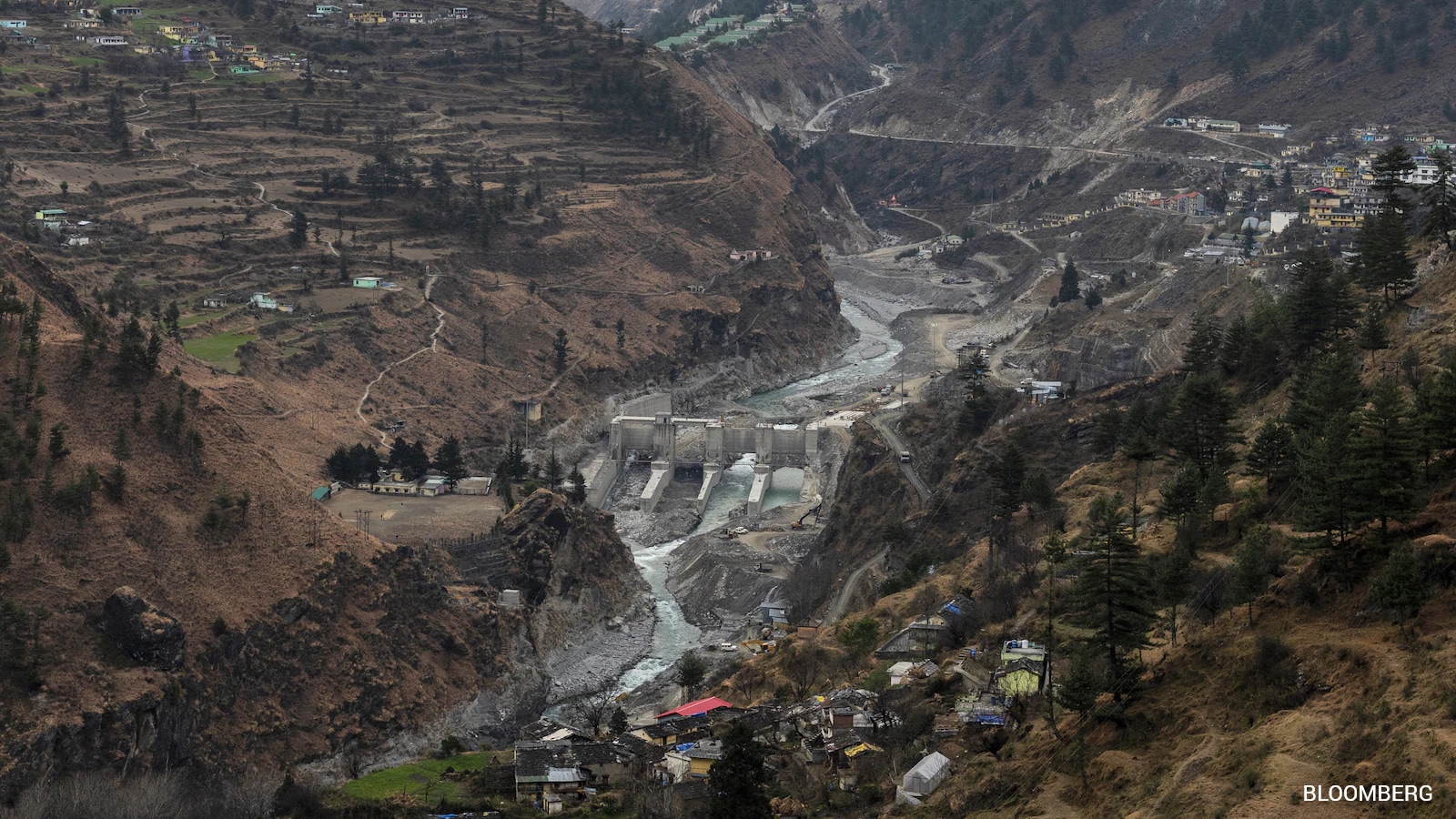
Infrastructure construction, including dams and hydropower projects, may compound hazards by disturbing geology and concentrating development in fragile areas.
Experts called for stronger cross-border data-sharing, early-warning systems and cooperation among Himalayan countries.
- Who
- People in the affected Himalayan region, along with experts Y Nithiyanandam and Mirza Zulfiqur Rahman, who assessed the risks.
- What
- A glacier collapse triggered severe flooding, prompting concerns about climate change, infrastructure construction and weak cross-border disaster cooperation.
- Where
- Near the China-Tibet border and across the wider Himalayan and High Mountain Asia region.
- When
- The assessment was published five days after the glacier collapse; the article does not provide a specific calendar date.
- Why
- The disaster’s impacts were linked by experts to natural Himalayan hazards, warming conditions, infrastructure development and insufficient information-sharing between countries.
Infrastructure and Development Arguments
Environmental and Safety Concerns
Benefits and risks of dams
Infrastructure and Development Arguments
Dams and reservoirs can regulate water flows and expand access to services for people in remote regions.
Environmental and Safety Concerns
Large projects can disturb fragile geology, increase exposure to earthquakes and other hazards, and may suffer damage during disasters.
Regional infrastructure competition
Infrastructure and Development Arguments
China, India, Nepal and Bhutan are pursuing hydropower and infrastructure projects as part of development and broader regional signaling.
Environmental and Safety Concerns
Experts warn that treating the Himalayas through separate national projects can worsen risks in an interconnected landscape.
Cross-border cooperation
Infrastructure and Development Arguments
Existing mechanisms between India and China could provide a basis for expanding cooperation on transboundary hazards such as glacial lake outburst floods.
Environmental and Safety Concerns
Experts say current cooperation, transparency and real-time data-sharing remain inadequate, complicating early warnings and disaster planning.
Key facts
- Reported deaths
- More than 734 people
- People missing
- More than 3,000, including nearly 320 Indians
- Climate trend
- High Mountain Asia is warming at about 0.32°C per decade, compared with 0.16°C globally
- Affected hydropower facilities
- Thirteen hydropower plants, including projects under construction, were affected
- Himalayan projects
- At least 193 dams have been built or planned across the wider Tibetan region since 2000
- Nepal hydropower database
- More than 570 projects are listed at different stages
- Proposed safeguards
- Experts recommended shared hydrological, weather and climate data, public warning systems, joint research and emergency exercises
Quotes
Mirza Zulfiqur Rahman
Researcher on the Brahmaputra river basin
“A nation-state-centric, container approach in the Himalayas does not make sense because all of these disasters really do not limit themselves strictly within national boundaries. It has ramifications all across the landscape, and hence the solutions also need to be applied to that end.”
 indianexpress.com
“Building a dam also shakes up the geology of the area and makes it much more prone to earthquakes. A lot of drilling and a lot of tunnelling is happening in order to build more… ultimately, the Himalayas are going to be its biggest casualty.”
indianexpress.com
Sources
Related news
Nepal Floods Expose Growing Risks to Himalayan Hydropower
Why Nepal Remains Vulnerable to Glacial Floods and Earthquakes

Nepal Flash Floods Highlight Himalayan Climate and Dam Risks
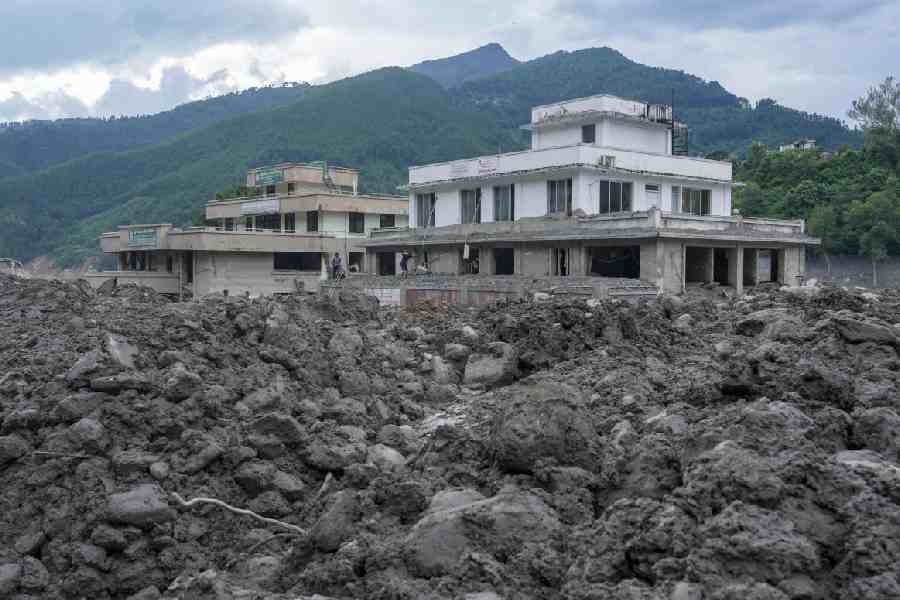
Melting Glaciers Push Nepal Toward Its Adaptation Threshold
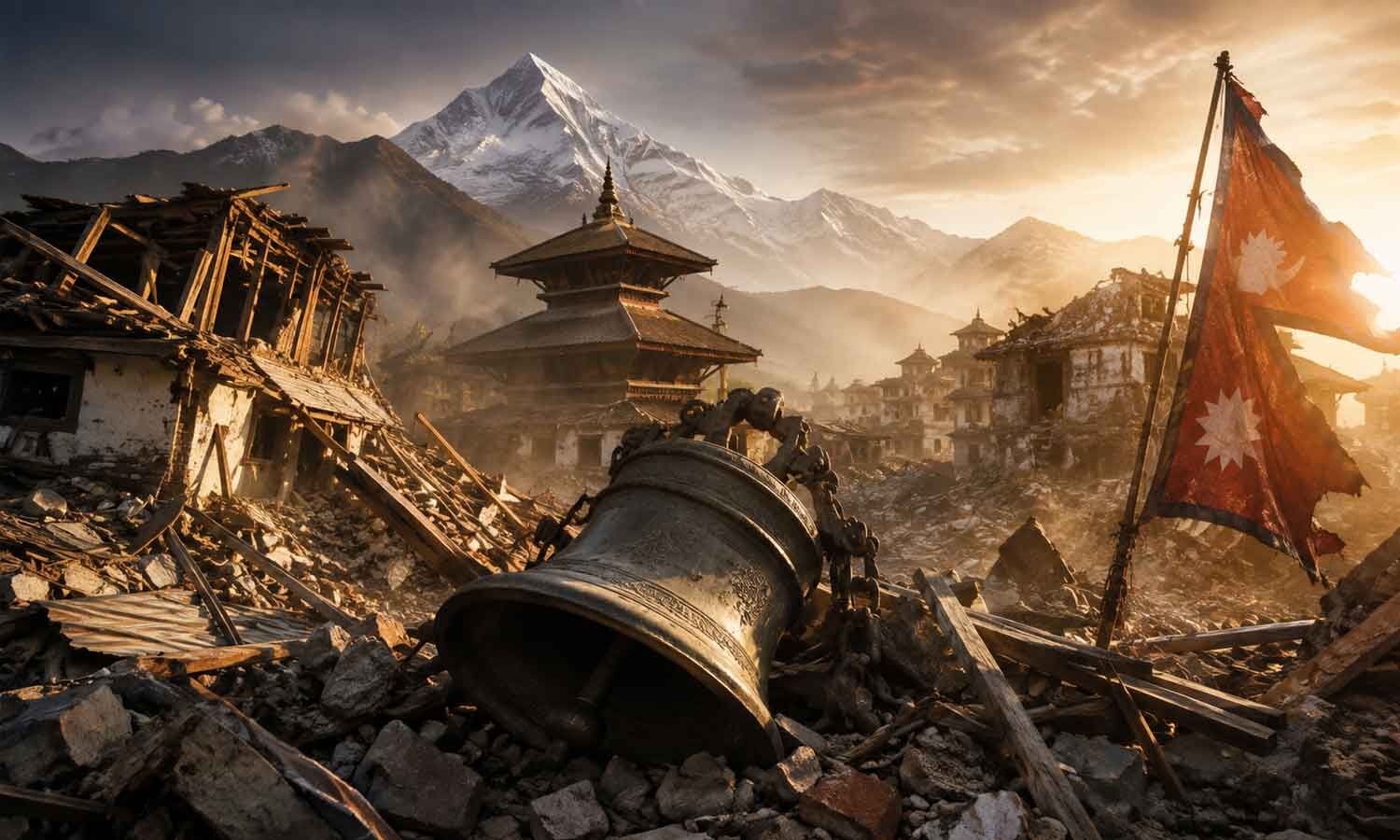
Nepal Flood Catastrophe Signals Need for Himalayan Cooperation

Nepal Thanks India as Glacial Disaster Rescue Efforts Continue
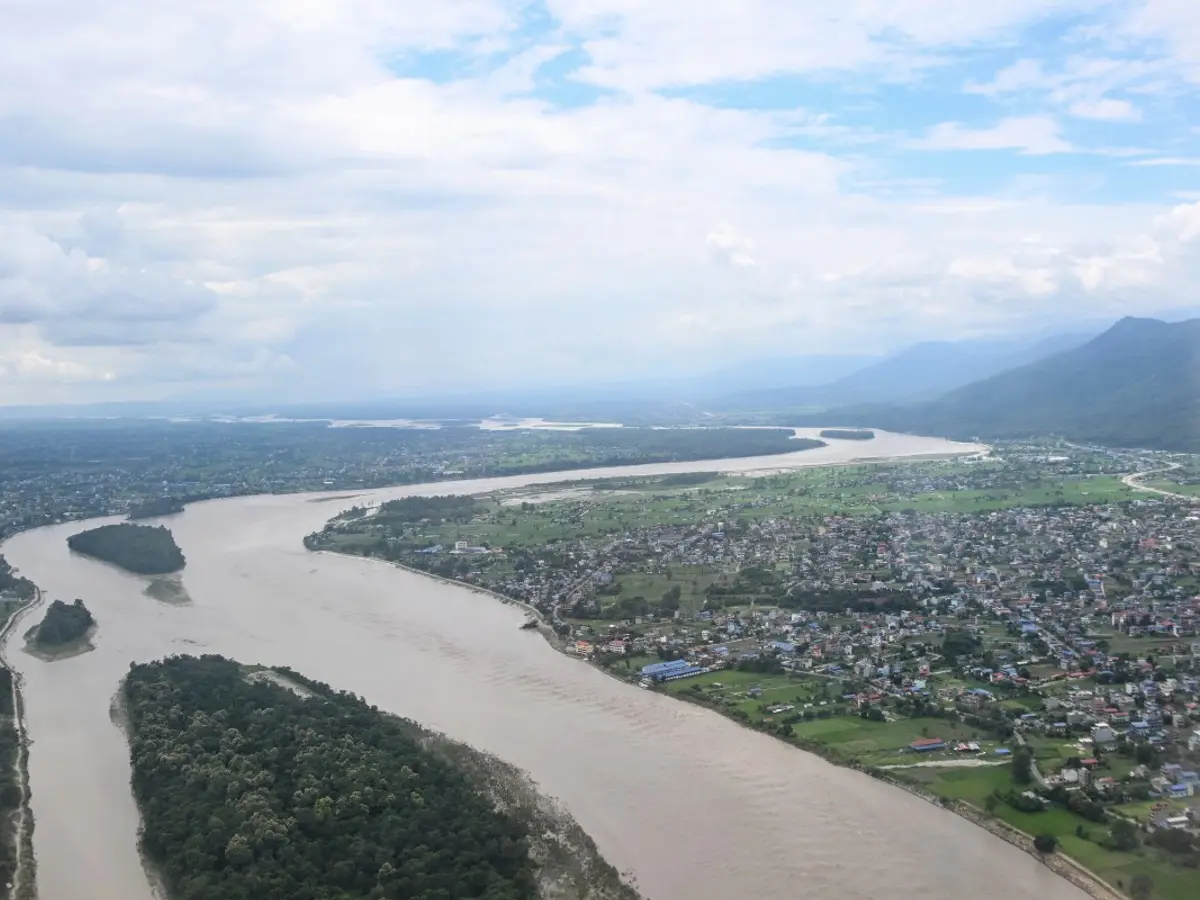
Nepal Warns of Heavy Rain After Deadly Floods
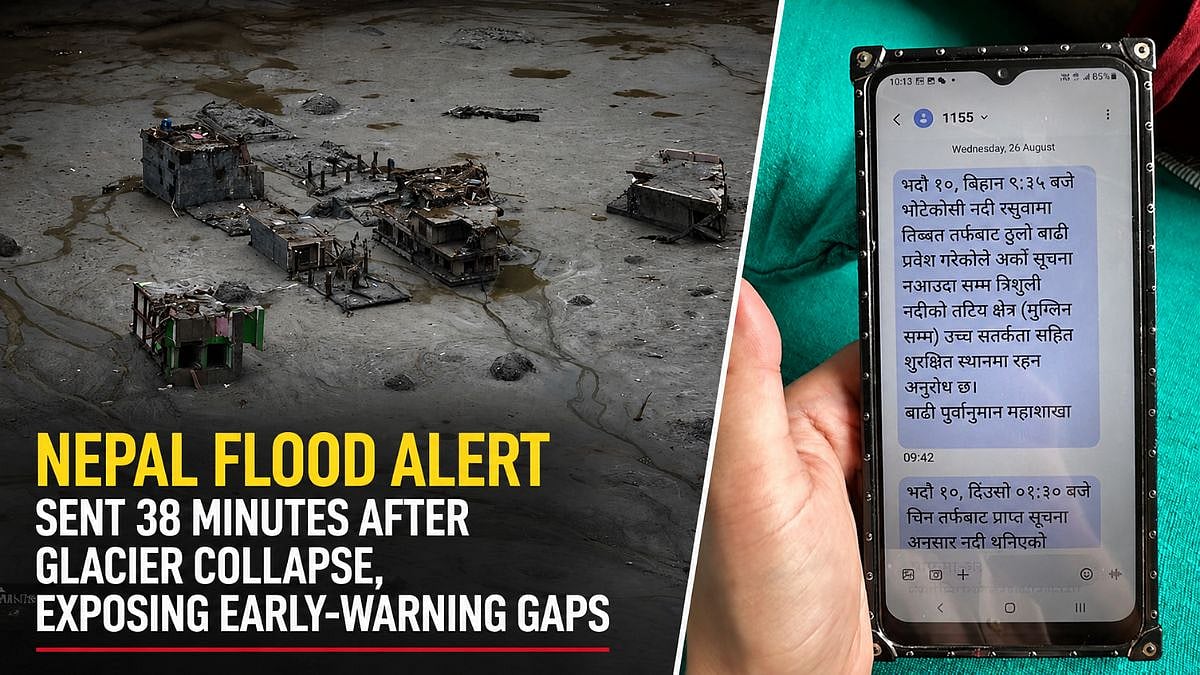
Nepal Flood Exposes Delayed Alerts and Cross-Border Warning Gaps

Bhotekoshi Flood Crisis: Nepal PM Shah Calls for Courage

Nepal PM Thanks India, China Amid Climate Compensation Demand