4 days ago
India Rejects Hague Ruling, Exposing International Law's Power Gap
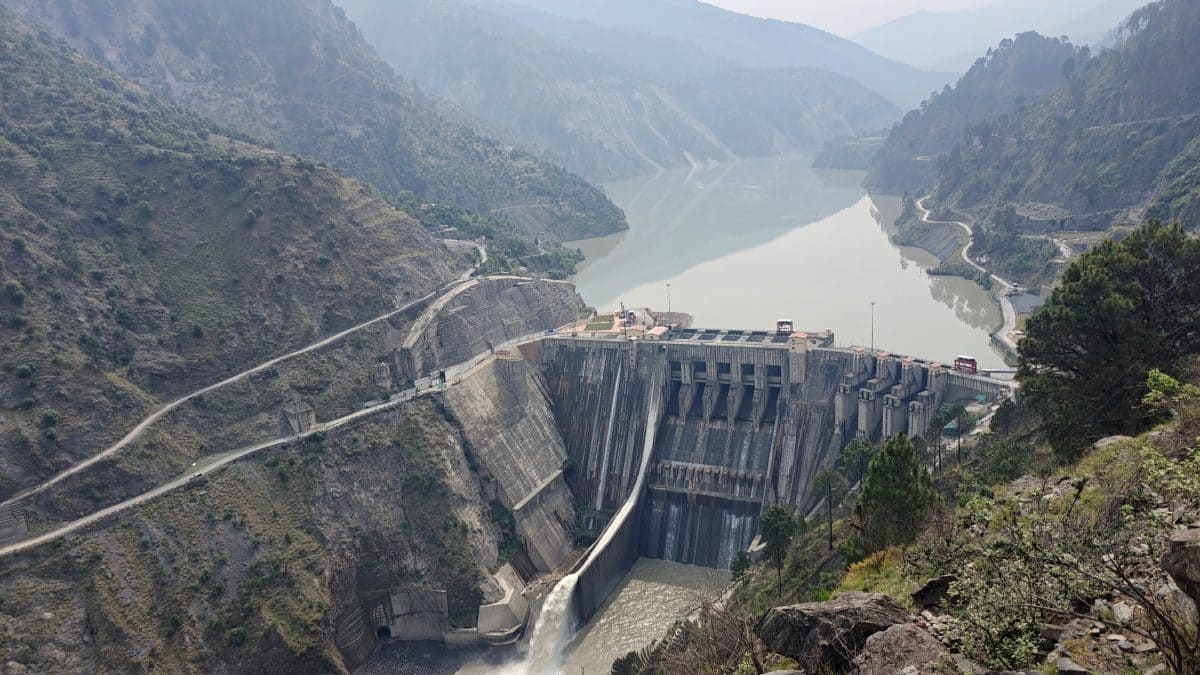
A court in The Hague made a decision about a water-sharing treaty between India and Pakistan.
The court said the treaty is still active and temporarily restricted some construction by India.
India said the court was created improperly and that its decision does not apply to India.
The court disagrees and says it has the authority to decide the case.
Pakistan supports using the treaty and international proceedings to address the dispute.
India says the treaty cannot be separated from terrorism and security tensions between the two countries.
The article also says Pakistan has domestic problems with water use, irrigation and groundwater management.
International courts can issue decisions, but enforcing them can be difficult when powerful countries reject them.
The dispute therefore raises questions about how much authority international courts really have over sovereign states.

On August 31, 2026, a Court of Arbitration ruled that the Indus Waters Treaty remains in force.
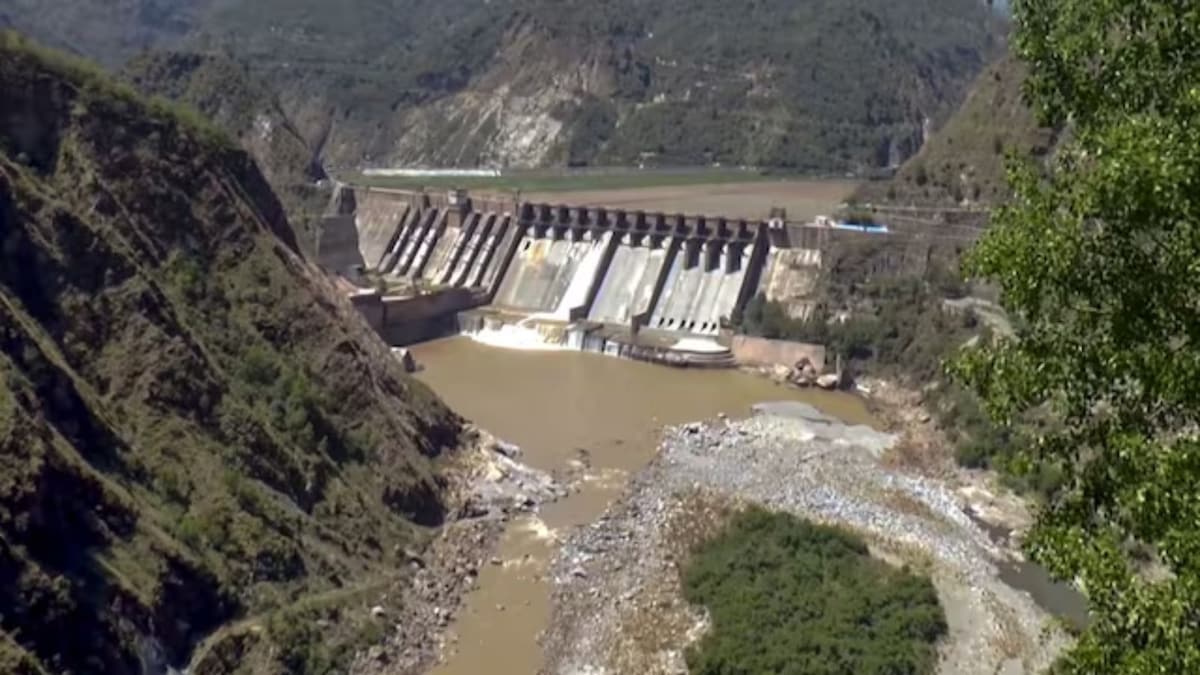
The tribunal rejected India's decision to place the treaty in abeyance and ordered temporary limits on work at the Ratle Hydroelectric Project.
India rejected the ruling, saying the tribunal was illegally constituted and had no jurisdiction over India.
India argues Pakistan pursued parallel dispute mechanisms contrary to the treaty, while the tribunal says it has competence.
The dispute highlights tensions between international legal authority, state sovereignty, enforcement limits and Pakistan's water-security concerns.
- Who
- India, Pakistan and a Court of Arbitration administered by the Permanent Court of Arbitration.
- What
- The tribunal upheld the continuing force of the Indus Waters Treaty and ordered temporary restrictions on certain Ratle Hydroelectric Project construction, while India rejected the ruling.
- Where
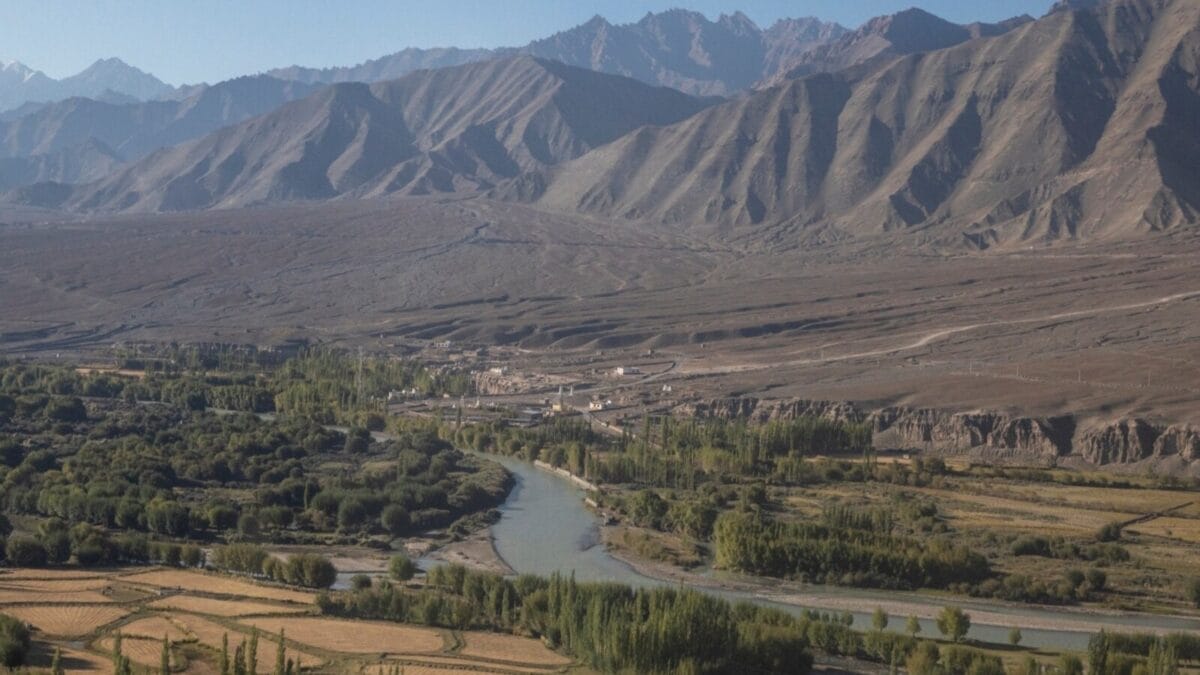
- The proceedings were administered in The Hague and concern the Indus system, including the Chenab River and the Ratle project.
- When
- The ruling was issued on August 31, 2026; India placed the treaty in abeyance after the April 2025 Pahalgam attack.
- Why
- India disputes the tribunal's constitution and jurisdiction, while the tribunal says the treaty grants it competence; India also linked the treaty's future to Pakistan ending support for cross-border terrorism.
India's jurisdiction and security objections
Tribunal and Pakistan's treaty-based position
Tribunal's authority
India's jurisdiction and security objections
India says Pakistan's use of parallel mechanisms and the constitution of this tribunal violated the treaty framework, making the tribunal illegitimate in India's view.
Tribunal and Pakistan's treaty-based position
The tribunal rejected India's objections and concluded that it possesses competence under the treaty.
Treaty status
India's jurisdiction and security objections
India placed the treaty in abeyance and argues that the current adjudication cannot impose obligations on a state that does not recognise the tribunal's jurisdiction.
Tribunal and Pakistan's treaty-based position
The tribunal ruled that the 1960 Indus Waters Treaty remains in force and that India's unilateral declaration of abeyance did not end its jurisdiction.
Source of Pakistan's water stress
India's jurisdiction and security objections
India's position, as presented in the article, is that Pakistan's water difficulties also reflect domestic problems involving inefficient irrigation, groundwater extraction, urban losses and governance.
Tribunal and Pakistan's treaty-based position
Pakistan's treaty-based position emphasizes India's obligations over shared waters, while Pakistan disputes India's allegations concerning support for cross-border terrorism and argues that the treaty does not permit unilateral suspension.
Key facts
- Treaty
- The Indus Waters Treaty was signed in 1960 and includes dispute-resolution mechanisms involving a Neutral Expert and a Court of Arbitration.
- Ruling date
- August 31, 2026.
- Tribunal's decision
- The tribunal ruled that the treaty remains in force and rejected India's decision to place it in abeyance.
- Project affected
- The Ratle Hydroelectric Project on the Chenab River.
- India's position
- India says the Court of Arbitration was illegally constituted, lacks jurisdiction and has no legal authority over India.
- India's participation
- India has not participated in the current proceedings, although it previously participated in the Kishenganga dispute under the same treaty.
- Security context
- India linked the treaty's future to Pakistan credibly and irrevocably ending support for cross-border terrorism after the April 2025 Pahalgam attack; Pakistan denied involvement in the attack.
Sources
Related news
India Rejects Hague Award, Keeps Indus Waters Treaty Suspended
India Rejects Hague Ruling Upholding Pakistan Water Treaty
Hague Court Says India Must Uphold Indus Waters Treaty
Pakistan Urges India to Comply With Indus Waters Treaty

India Rejects Hague Order to Restore Indus Waters Treaty

CJI Criticizes Six-Year Delay in Arbitration Council Formation
India Rejects PCA Orders in Indus Waters Treaty Dispute

Pakistan Urges India to Uphold Indus Waters Treaty Ruling