

2 hrs ago
Tibetan Glacial Data Dispute Raises Alarms After Nepal Flood
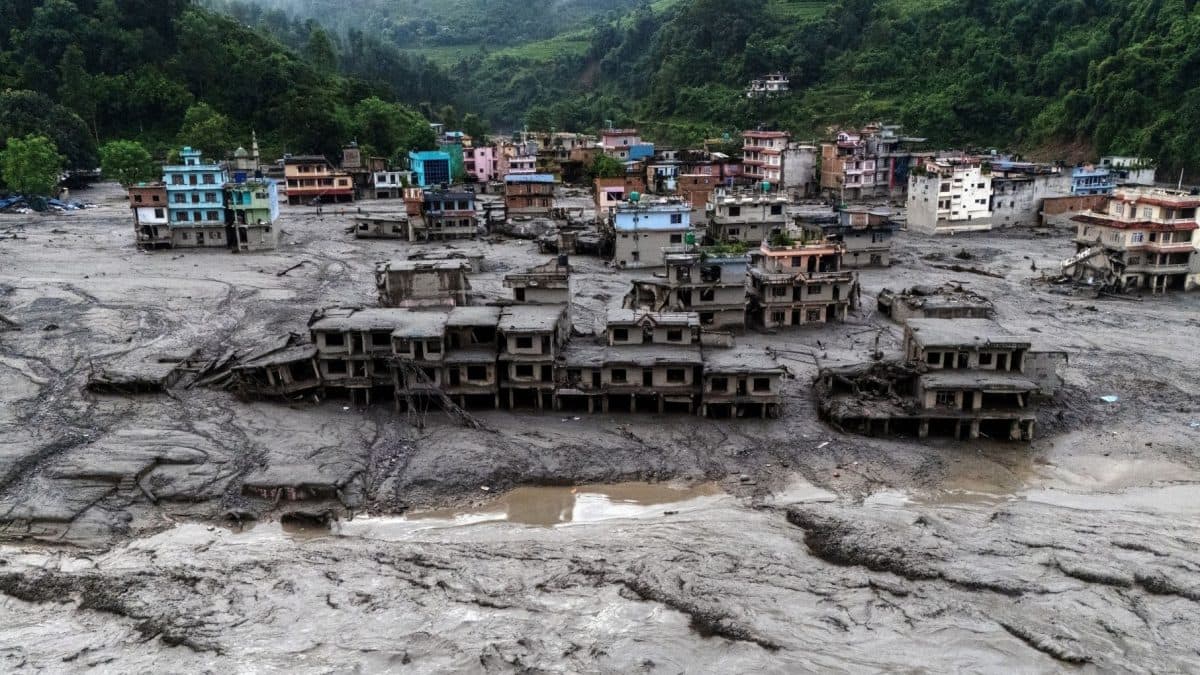
A large flood swept through Nepal after ice and water reportedly collapsed on the Tibetan side of the border.
It destroyed roads, buildings, and a border checkpoint.
Many people were killed or went missing.
Nepal says it needs more information from China about dangerous glaciers and lakes upstream.
Early warnings could give families more time to escape.
China says the area is hard to monitor and that it has shared information on time.
The article argues that river and glacier information should not be treated as a political weapon.
It suggests countries create stronger agreements for sharing water data and protecting people.

A glacial collapse on the Tibetan side allegedly triggered an August 26 flood through Nepal’s Trishuli River Valley.
The flood destroyed the Gyirong border checkpoint and killed more than 1,000 people, according to the article.
Nepalese officials have long accused China of withholding real-time glacial and hydrological data needed for flood warnings.
China says its data sharing has been timely and cites the remote, difficult terrain as a monitoring challenge.
The article calls for separating humanitarian water data from security disputes and developing stronger regional rules.
- Who
- Downstream communities in Nepal were affected, while China controls the Tibetan areas where the article says the glacial collapse began; India is also identified as affected by disputes over Chinese hydrological data.
- What
- A glacial collapse allegedly triggered a destructive flood in Nepal, renewing concerns about China’s sharing of real-time glacial and river data.
- Where
- The disaster affected Nepal’s Trishuli River Valley, including Rasuwa, Nuwakot and Chitwan, and began on the Tibetan side of the border near China.
- When
- The flood occurred on the morning of August 26; the article also refers to related Nepal-China discussions in May and earlier data-sharing suspensions.
- Why
- The article argues that inadequate or delayed sharing of upstream glacial and hydrological data limited downstream warning time and that water information has been linked to security and border politics.
Critics and Downstream States
China’s Stated Position
Real-time data sharing
Critics and Downstream States
Nepalese officials and the article’s author say China withholds or inconsistently shares real-time information about glacial lakes and glacier movement, reducing warning time for downstream communities.
China’s Stated Position
China says its data sharing has been timely and that monitoring is difficult because the relevant terrain is remote.
Water data and security
Critics and Downstream States
The article argues that hydrological and glacial data should be treated as a humanitarian public good rather than as leverage in border and security disputes.
China’s Stated Position
The article says China has connected data-sharing issues with wider bilateral tensions, while Chinese authorities have continued issuing updates about barrier lakes and the flood.
Regional water governance
Critics and Downstream States
The article calls for legally stronger cooperation, including possible use of the 1997 United Nations watercourses convention as a benchmark.
China’s Stated Position
The article notes that neither China nor India is a signatory to that convention and describes existing memoranda and data agreements as limited or inconsistently effective.
Key facts
- Reported disaster date
- Morning of August 26
- Main affected river
- Trishuli River
- Affected Nepalese districts
- Rasuwa, Nuwakot and Chitwan
- Upstream location
- The Tibetan side of the Nepal-China border
- Reported overall death toll
- More than 1,000, according to the article
- Reported deaths in the Tibet Autonomous Region
- Sixteen, with several hundred missing, according to the article
- Earlier related incidents
- A glacial lake burst into the Bhote Koshi in 2016, and another incident occurred in Rasuwa in 2025
- Proposed framework
- The article recommends stronger regional arrangements and cites the 1997 United Nations Convention on the Law of the Non-Navigational Uses of International Watercourses
Sources
Related news
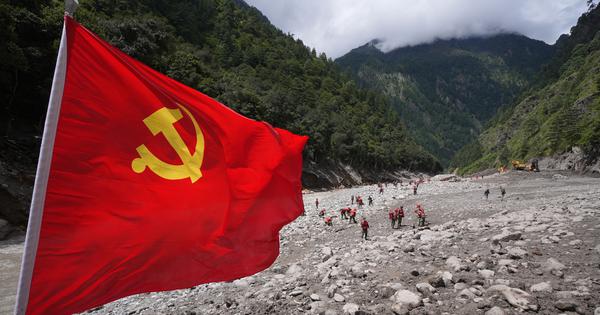
Tibetan Plateau Flood Exposes Gaps in Cross-Border Safety Cooperation

Nepal Floods Expose Warning Gaps, Spur China Data Push
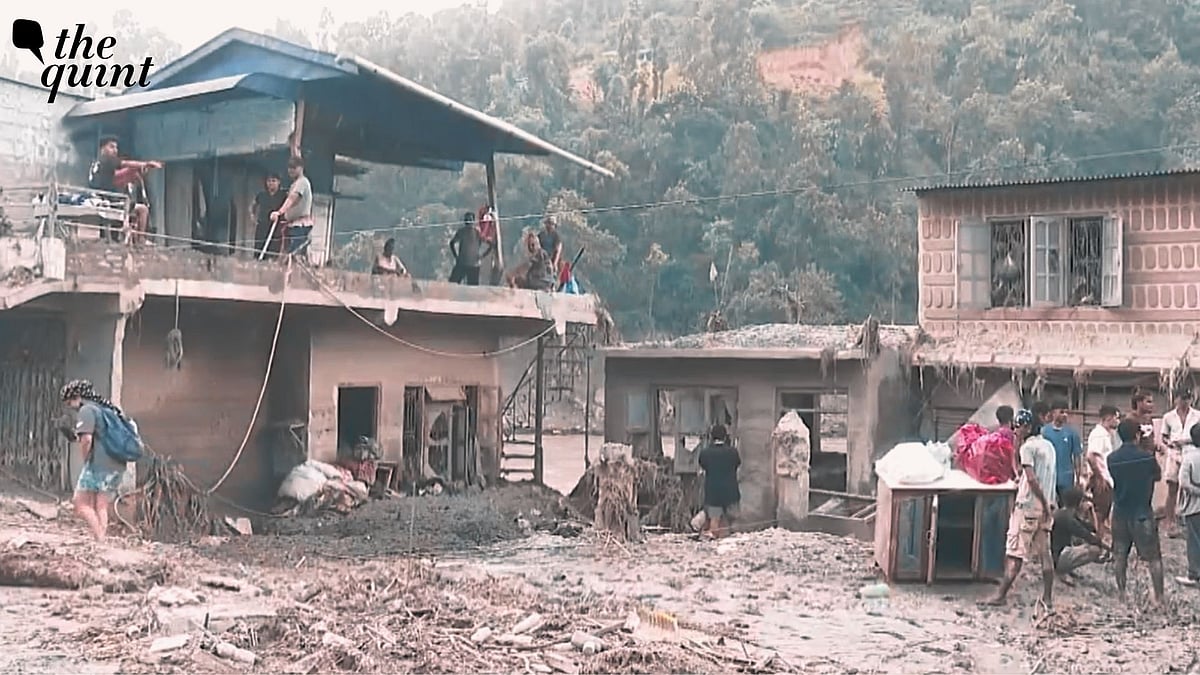
Nepal Declines Foreign Rescue Help Amid Flash Floods
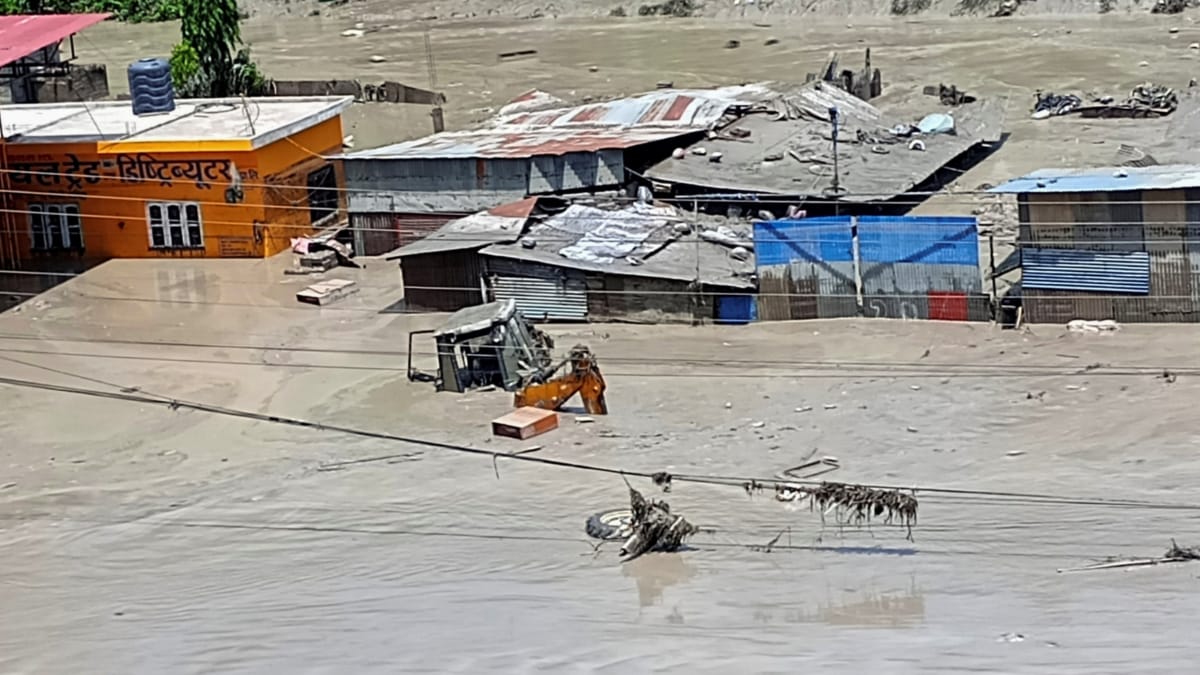
Nepal Flood Raises India’s Concerns Over Upstream Water Risks
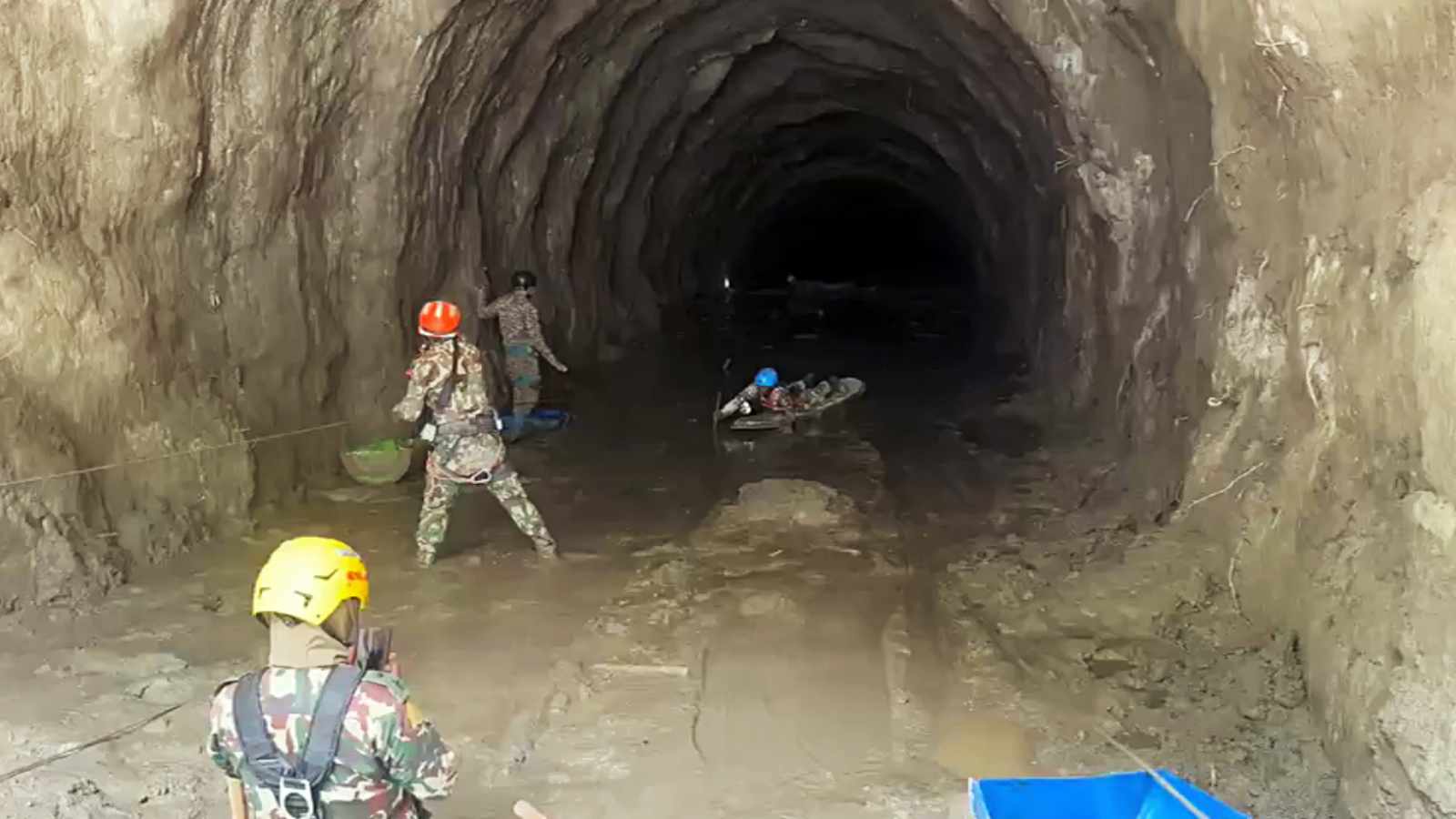
Himalayan Disaster Highlights Need for India-Nepal-China Climate Cooperation

Nepal Flood Shows Climate Risks, Rescue Efforts and Warnings
Nepal Seeks Climate Compensation as Flood Rescue Operations Continue
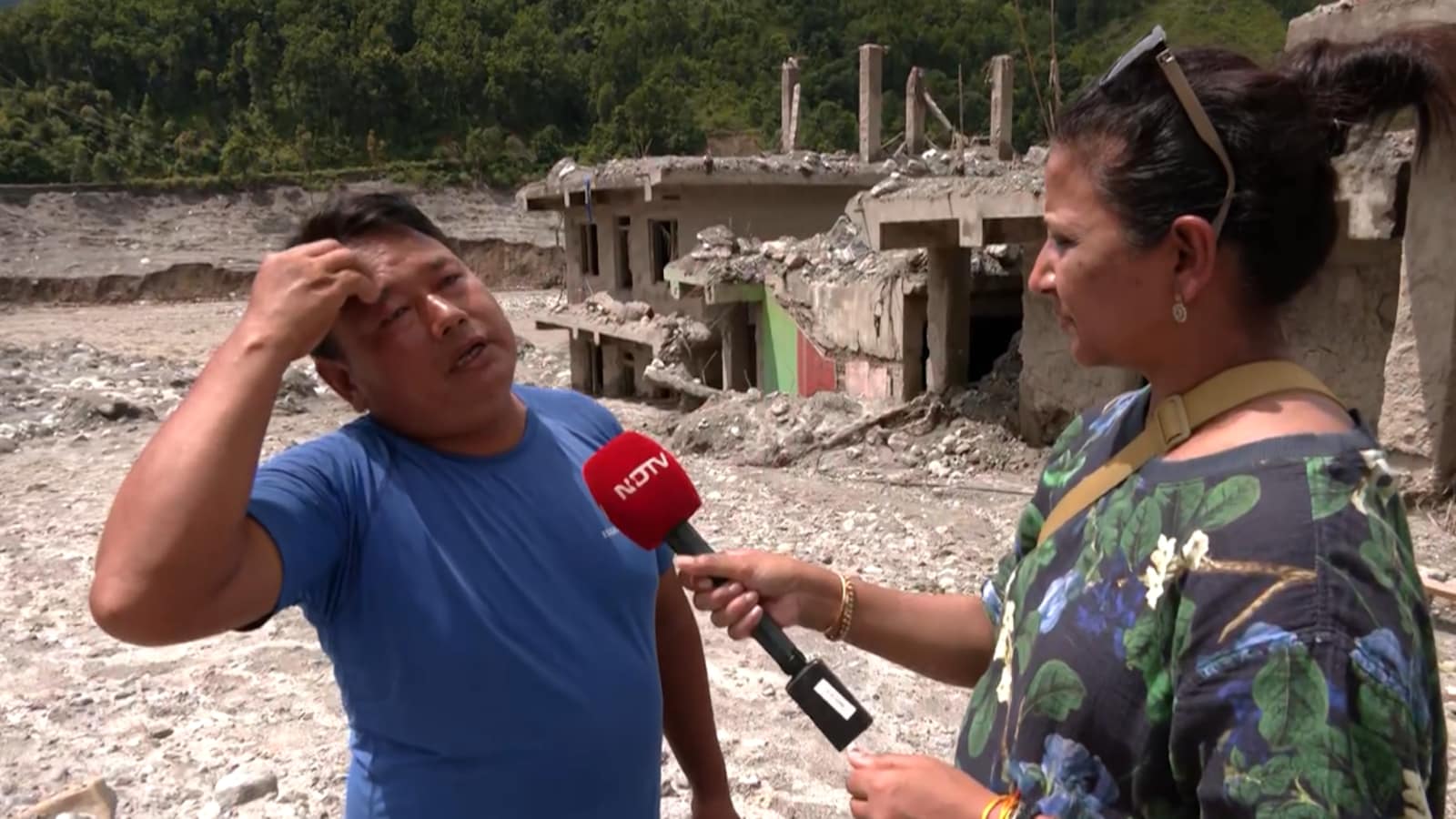
Nepal Flood Survivor Describes Escape Through Darkened Hydropower Tunnel

91-Year-Old Woman Rescued Alive After Nepal Flash Floods
