7 hrs ago
Nepal Floods Expose Growing Risks to Himalayan Hydropower
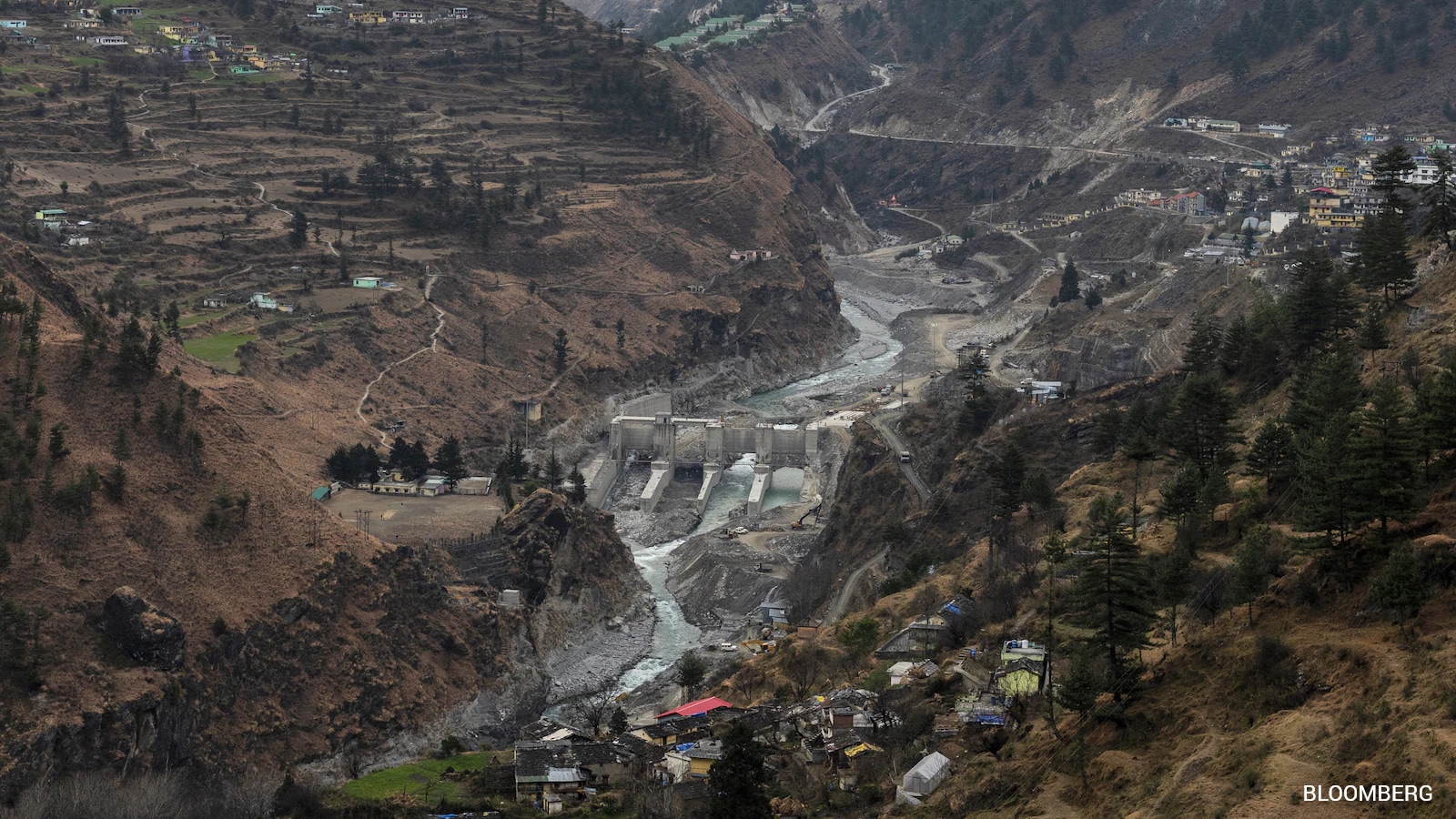
A large flood hit mountain valleys near Nepal and Tibet in China.
It began after a landslide and a glacier collapsed.
The flood damaged many hydropower plants, which use rivers to make electricity.
Nepal lost about one-tenth of its hydropower capacity, and many workers are missing.
Nepal wants to build many more dams and sell electricity to nearby countries.
Scientists say warmer temperatures are making glaciers and mountain slopes less stable.
This can cause sudden floods, landslides and avalanches.
Countries may still build dams, but they may need to make them stronger and more expensive.

A landslide and glacier collapse triggered deadly flooding along Nepal’s border with Tibet in China.
The disaster damaged 12 hydropower plants and more than 400 megawatts of operating capacity in Nepal.
About 10% of Nepal’s hydropower capacity was wiped out, with hundreds of workers reported missing.
More than 40 gigawatts of hydropower already operate across the Himalayas, while another 200 gigawatts are planned or under development.
Researchers warn that warming glaciers, unstable slopes, floods and debris flows could increase risks and construction costs for future projects.
- Who
- Nepalese hydropower operators and workers were affected, while researchers and energy officials warned about risks to projects across the Himalayas.
- What
- A landslide and glacier collapse triggered floods that damaged hydropower facilities and exposed the vulnerability of Himalayan energy projects.
- Where
- The disaster occurred in mountain valleys along the border between Nepal and Tibet in China, including Nepal’s Trishuli River basin.
- When
- The glacier collapse occurred on Aug. 26; the article does not specify the year.
- Why
- Warming temperatures, melting glaciers, unstable permafrost and unpredictable heavy rainfall are increasing the risk of floods, avalanches and landslides near hydropower projects.
Hydropower Expansion
Climate-Resilient Development
Whether construction should continue
Hydropower Expansion
Nepalese officials and energy advocates say hydropower is central to meeting regional electricity demand, reducing fossil-fuel dependence, supporting exports and driving economic development.
Climate-Resilient Development
Researchers argue that projects must account for increasingly uncertain Himalayan conditions, because floods, glacier collapses and unstable slopes could endanger infrastructure and lives.
Value versus cost
Hydropower Expansion
Supporters say the Himalayas provide steep terrain and rivers fed by monsoon rain, snow and ice, making hydropower especially valuable; alternatives such as fossil fuels and solar have logistical or intermittency limitations.
Climate-Resilient Development
Critics warn that projects may require stronger designs, higher construction costs and more expensive insurance, while extreme weather could cause delays and reduce their expected performance.
Future of major projects
Hydropower Expansion
Chinese policymakers continue to support Himalayan hydropower because of its economic and strategic importance, and analysts cited in the article see little risk of cancellations.
Climate-Resilient Development
Climate and mountain-risk experts say the Nepal disaster should change how projects are designed and upgraded to prevent future financial losses and deaths.
Key facts
- Nepal capacity affected
- About 10% of Nepal’s hydropower capacity was wiped out.
- Damaged facilities
- Twelve hydropower plants and more than 400 megawatts of operating capacity were damaged.
- Estimated damage
- An estimate cited in the article put losses at about 130 billion Nepali rupees, or $850 million.
- Regional operating capacity
- More than 40 gigawatts of hydropower capacity already operate in the Himalayas.
- Regional pipeline
- Another 200 gigawatts of Himalayan hydropower capacity are in various planning stages.
- Nepal’s target
- Nepal aims to increase generation capacity more than sixfold to nearly 30 gigawatts by 2035.
- Projects at risk
- A 2023 study found 105 operating or planned hydropower projects threatened by potential glacial lake outburst floods in the Third Pole.
Quotes
Christian Huggel
University of Zurich professor advising development and financial institutions on hydropower adaptation
“Hydropower is very important for climate change adaptation and the energy transition. This is a dilemma for countries investing in renewables and hydro, and at the same time having to deal with the consequences of climate change.”
 NDTV
NDTV
“This event will change a lot. And I hope so, because otherwise billions of dollars in investment will be lost and so many more lives will be lost across the Himalayas.”
NDTV
Rayees Ahmed
Project scientist at the Divecha Centre for Climate Change, Indian Institute of Science
“An ice-rock avalanche can interact with a river and generate a much larger downstream disaster.”
NDTV
Sources
Related news
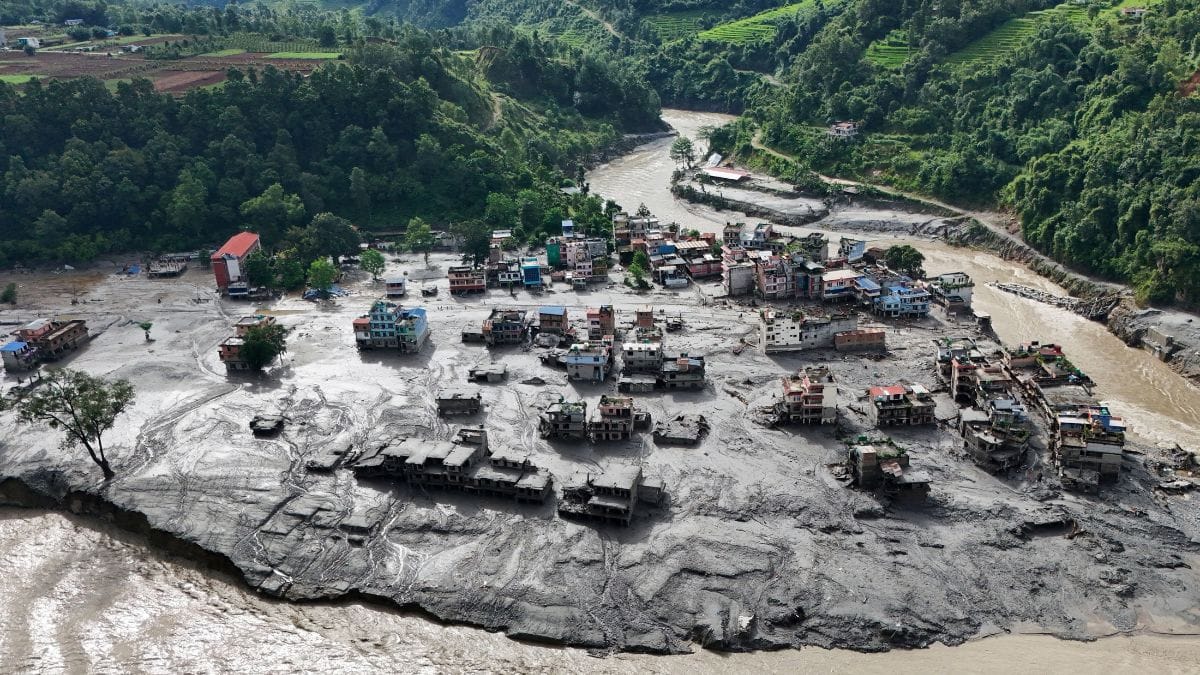
Himalayan Dam Boom Raises Flood and Seismic Risks
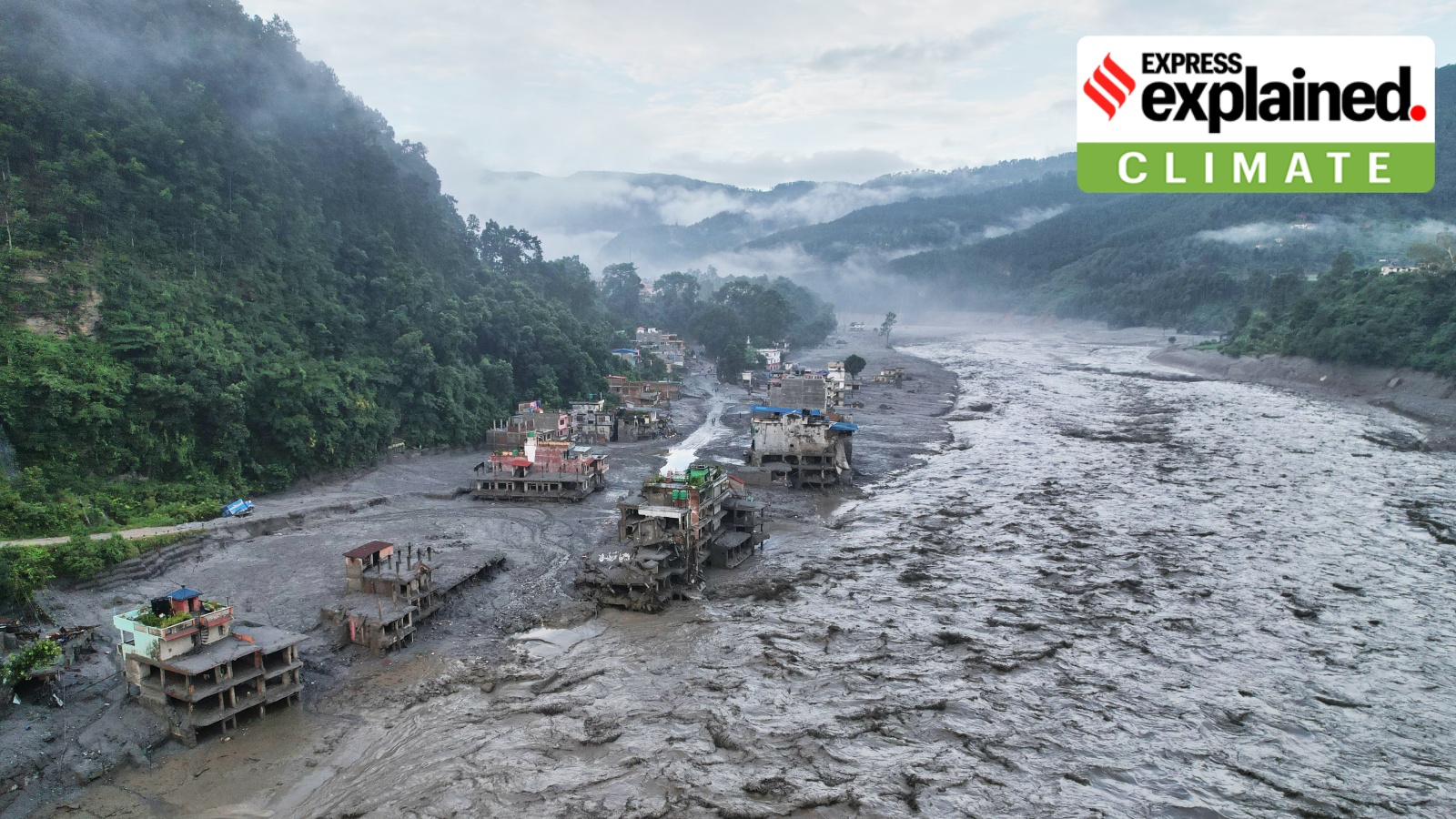
Nepal Floods Raise Red Flags Over Himalayan Dam-Building
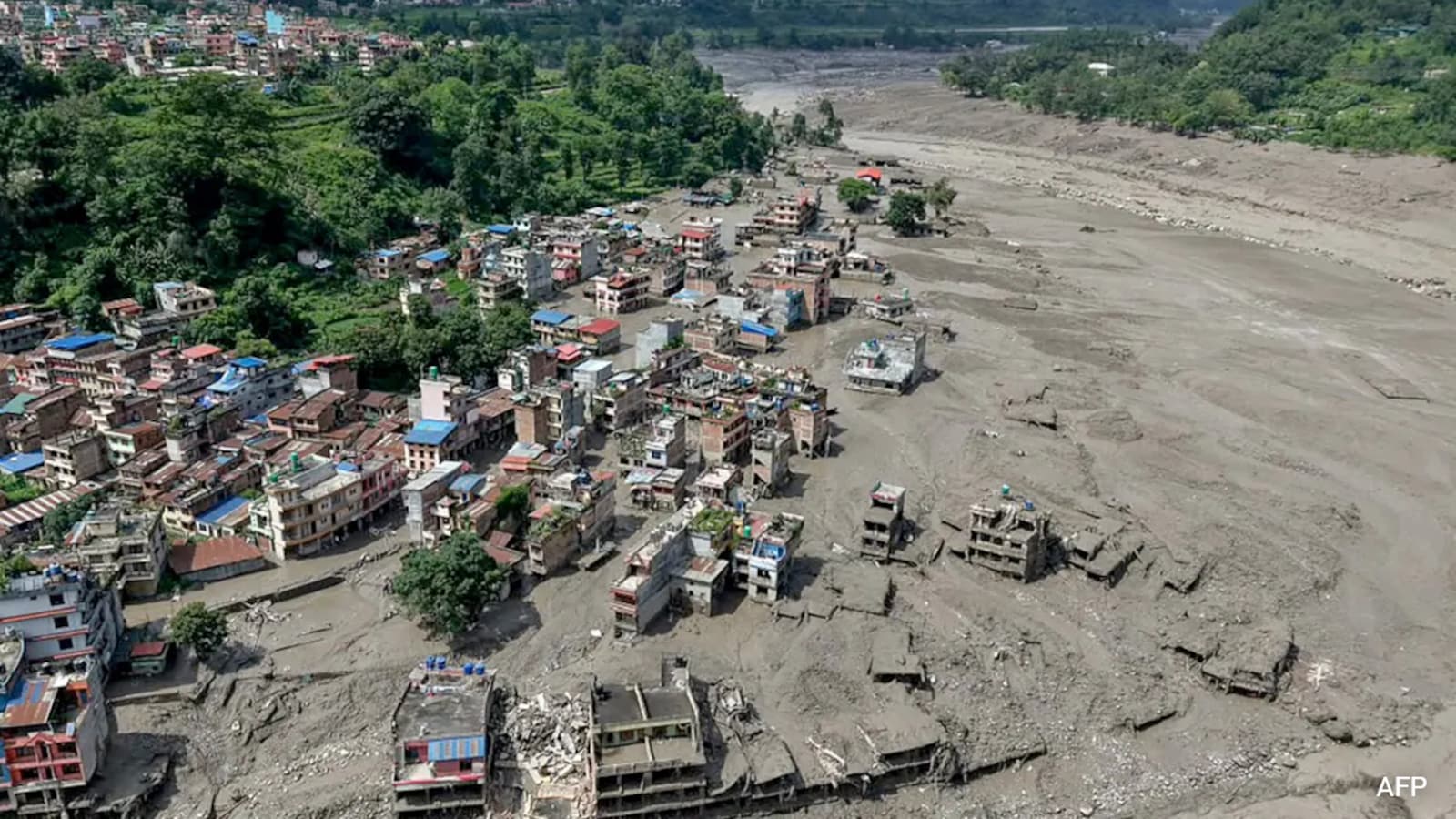
Nepal Floods Damage Hydropower and Kill More Than 100

India’s Record Wheat Harvest Opens $1.5 Billion Export Window

West Bengal CM Crushes Nearly 2 Lakh Seized Syrup Bottles

India, Bangladesh Seek Deeper Parliamentary and People-to-People Ties

Bangladesh Radicalisation Raises Concerns About Security Spillover Into India

Bengaluru Police Transfer 31 Bangladeshi Nationals for Deportation