1 hr ago
Nepal Floods Expose Himalayan Disaster Risks and Regional Divisions
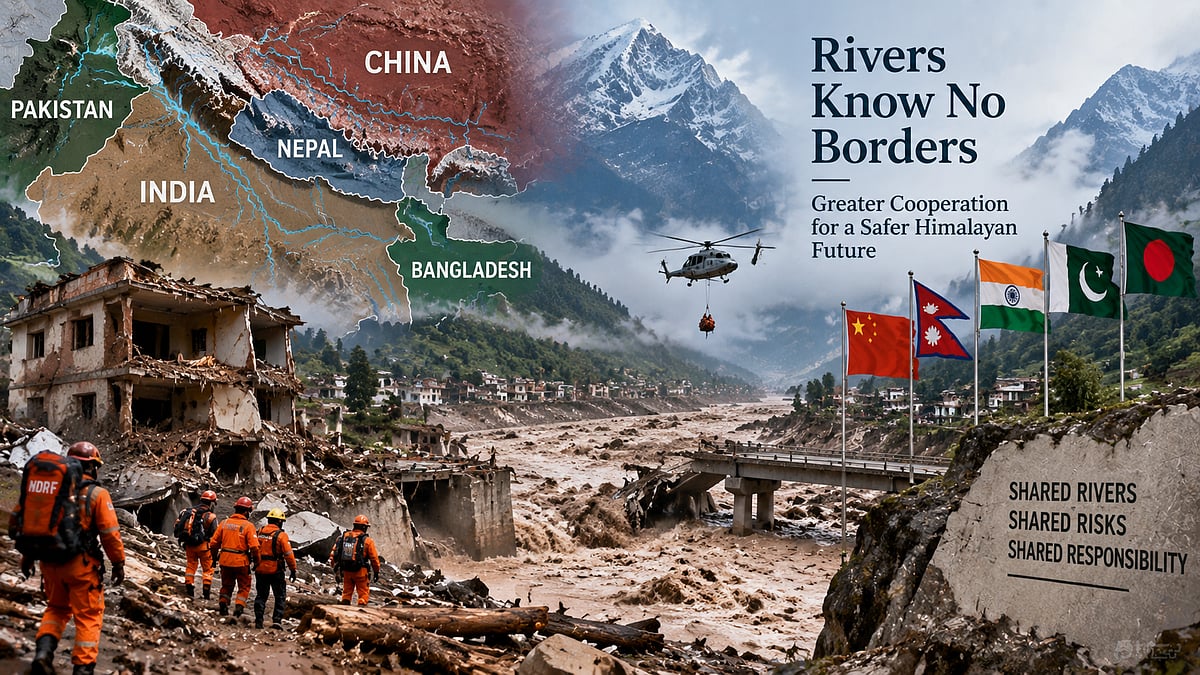
Nepal experienced some of its worst floods in decades.
The article says an ice avalanche blocked a river flowing from Tibet into Nepal.
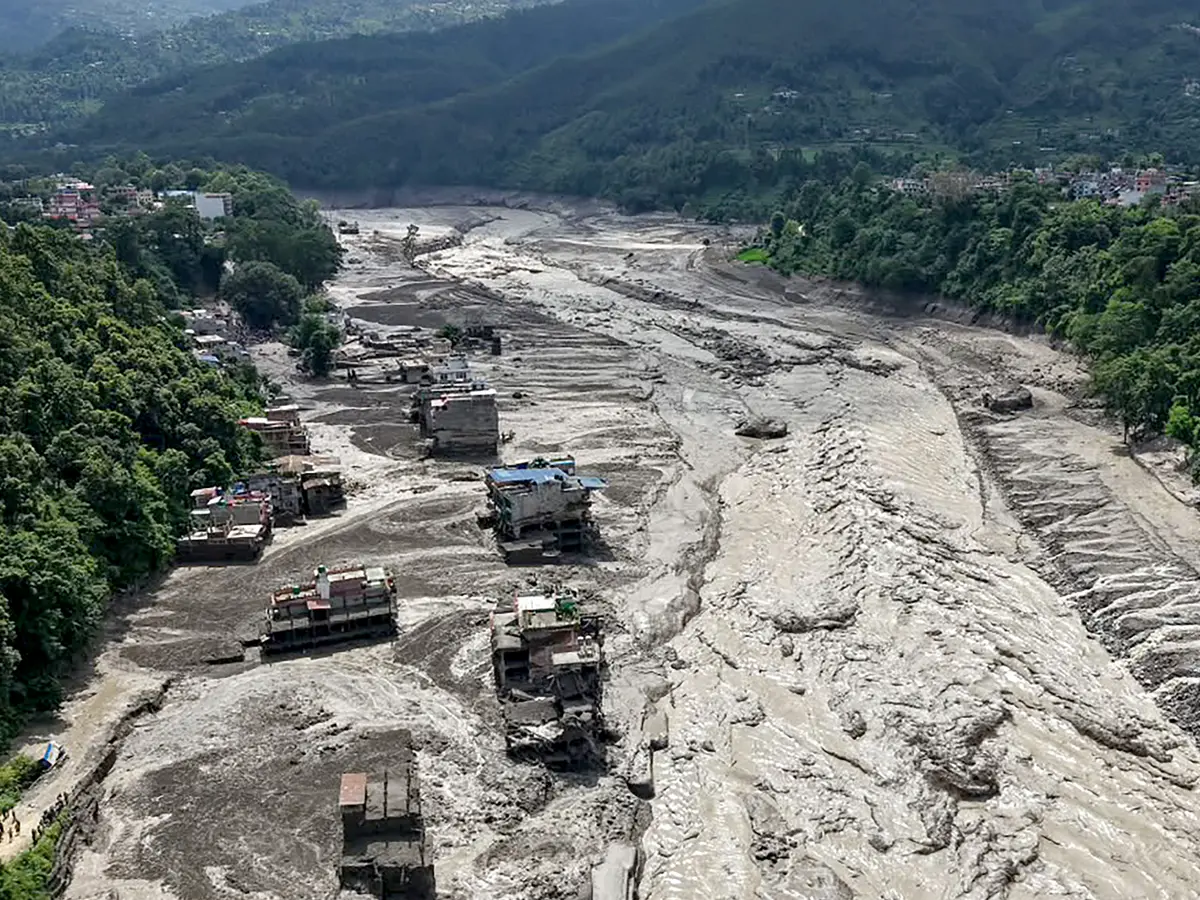
When the blockage gave way, water, mud, rocks, and debris rushed downstream.
The flood destroyed homes, bridges, dams, and hydropower plants.
More than 1,000 people were reportedly killed, and over 5,000 were missing.
Climate change is making glaciers melt and storms behave less predictably.
Building roads, dams, and other projects in fragile mountain areas may make disasters more damaging.
The countries sharing Himalayan rivers do not share enough warning information.
Experts want them to work together on alerts, research, and safer development.

Nepal’s catastrophic floods reportedly killed over 1,000 people and left more than 5,000 missing.
An August 26, 2026 ice avalanche reportedly blocked the Lhende River before triggering a destructive flash flood.
The flood destroyed 12 hydropower plants on the Trishuli River and nearly 30,000 homes.
The article links rising risks to climate change, glacier melt, construction, deforestation, and weak regional data sharing.
Experts call for joint early-warning systems, ecological research, hazard mapping, and reconsideration of Himalayan development projects.
- Who
- People in Nepal and communities across the shared Himalayan river basins were affected; experts and activists cited in the article include Vimal Khawas and Himanshu Thakkar.
- What
- A catastrophic flood destroyed homes, infrastructure, crops, and hydropower facilities, while raising concerns about climate change and regional water-data cooperation.
- Where
- Nepal, particularly the Trishuli River area, with potential effects across Tibet, India, Pakistan, Bangladesh, and China’s shared Himalayan river basins.
- When
- The reported river obstruction occurred on August 26, 2026; the article describes the resulting disaster as occurring the following month.
- Why
- The article attributes the disaster to a natural ice blockage intensified by glacier melt, erratic weather, fragile slopes, extensive construction, and inadequate cross-border warnings.
Downstream and Environmental Critics
Natural-Hazard and Development Framing
Responsibility for the disaster
Downstream and Environmental Critics
Vimal Khawas argues that although the flood trigger was natural, China should have monitored the obstruction and warned downstream countries.
Natural-Hazard and Development Framing
The article also presents the flood as a transboundary natural disaster involving an ice avalanche, glacier melt, and erratic weather rather than a solely political event.
Himalayan infrastructure
Downstream and Environmental Critics
Environmental critics say dams, hydropower plants, roads, rail links, deforestation, dynamiting, and sand mining are destabilizing fragile slopes and increasing disaster damage.
Natural-Hazard and Development Framing
The article describes China, Nepal, and India pursuing hydropower and transport construction as development projects, but does not provide a separate defense of those projects.
Water-data sharing
Downstream and Environmental Critics
The article calls for transparent, real-time hydrological information and joint warning systems among the countries sharing Himalayan river basins.
Natural-Hazard and Development Framing
China’s reported halt to sharing some hydrological data with India from 2022, along with India’s disputed decision regarding the Indus Water Treaty, reflects governments’ security and political approaches to water management.
Key facts
- Reported deaths
- Over 1,000 people
- Reported missing
- More than 5,000 people
- Homes destroyed
- Nearly 30,000 across almost half of Nepal
- Hydropower facilities destroyed
- 12 plants on the Trishuli River
- Power generation affected
- The destroyed plants generated 430 megawatts
- Glacial lakes in Indian Himalayas
- Satellite imagery cited in the article identifies 2,431
- Potentially dangerous glacial lakes in Nepal
- Scientists cited in the article identify 21
Quotes
Prof. Vimal Khawas
Professor at Jawaharlal Nehru University’s Special Centre for the Study of Northeast India
“The trigger for the flood was definitely natural, but the damage that it caused was human-made. It was China's duty to monitor and inform the downstream counterparts, which it did not.”
 freepressjournal.in
“Large dams change the microclimate of a region.”
freepressjournal.in
Sources
Related news

Nepal Flood Exposes Himalayan Risks and Data-Sharing Failures
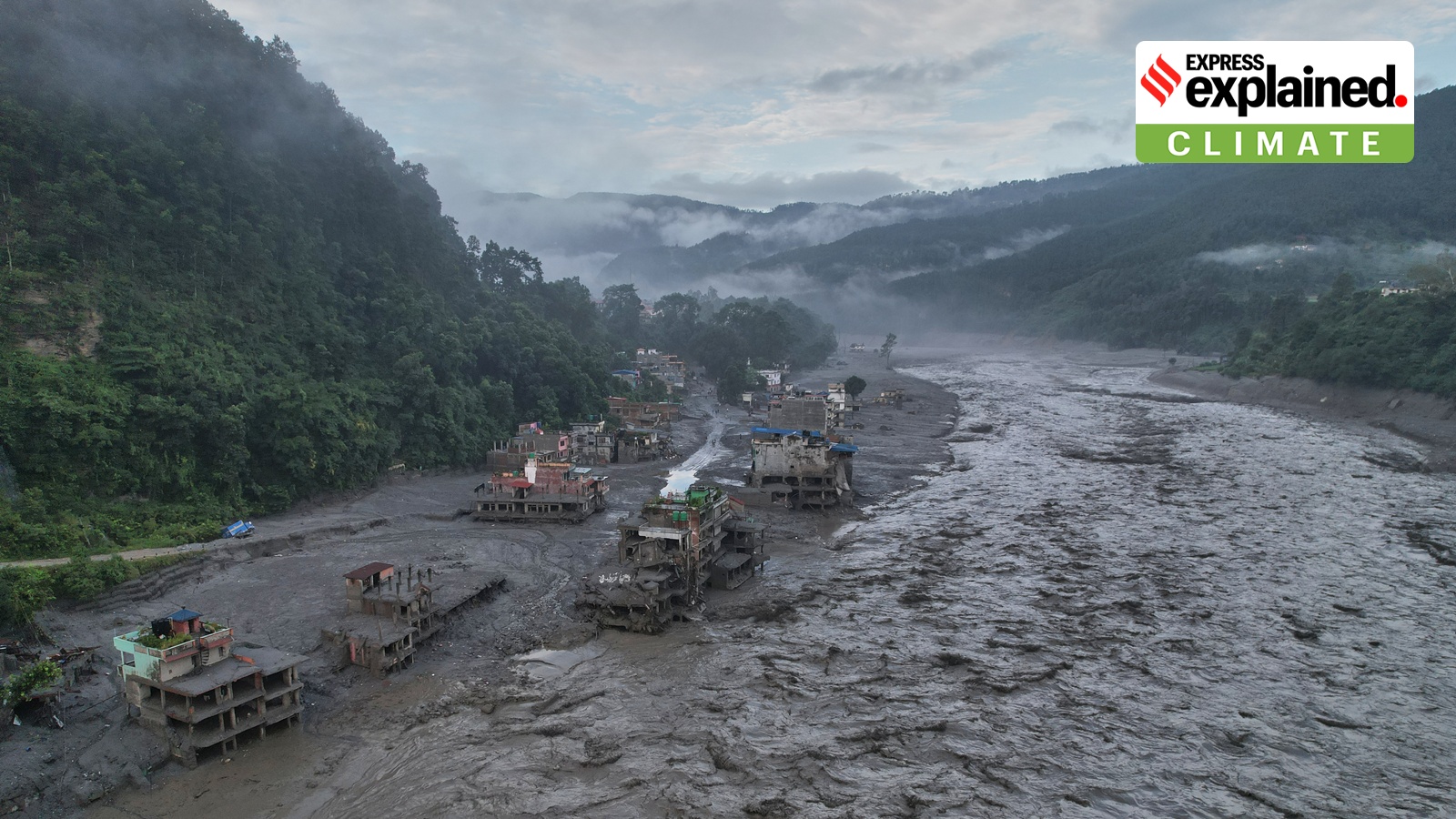
Nepal Flood Exposes Four Urgent Himalayan Disaster Lessons
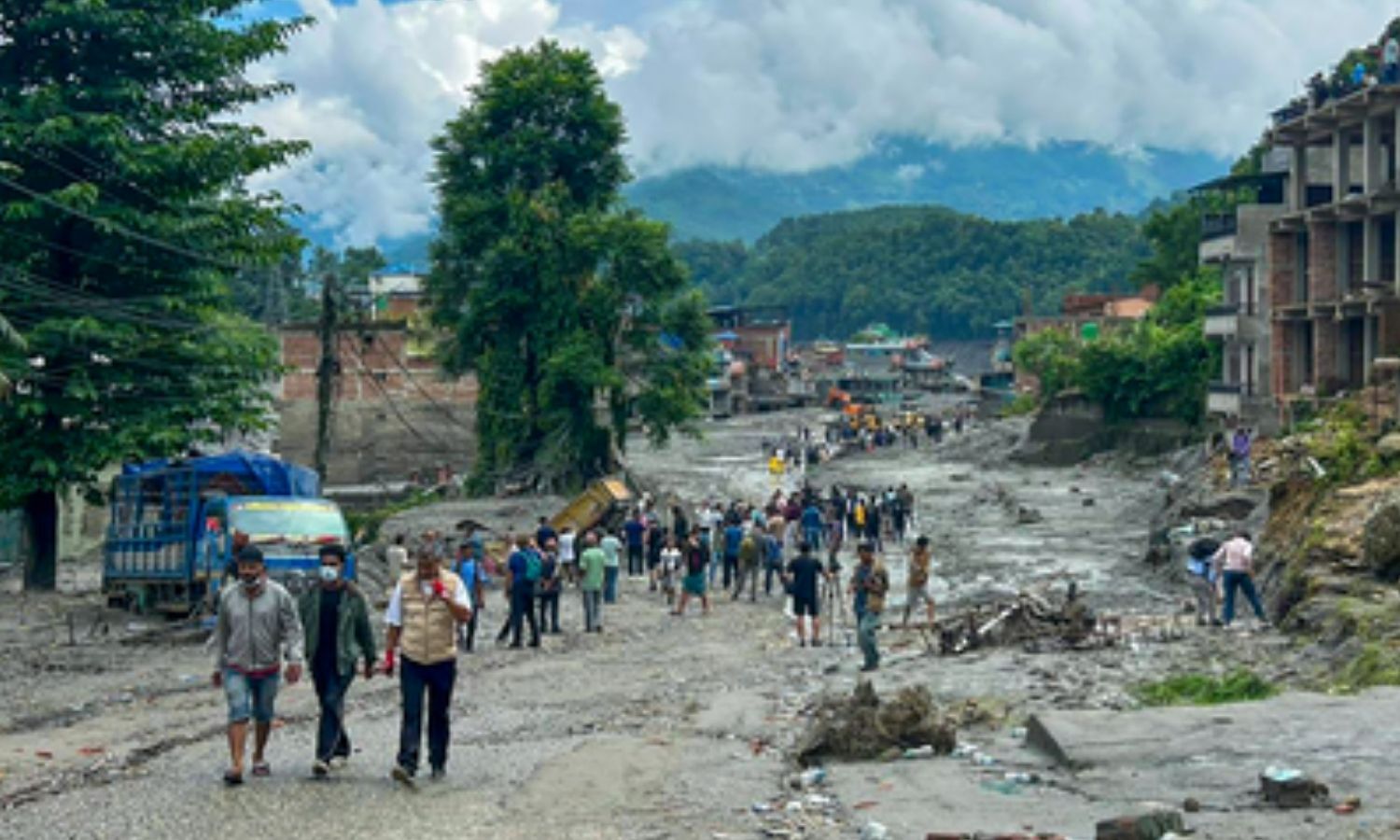
Nepal Flood Disaster Spurs Calls for Himalayan Cooperation
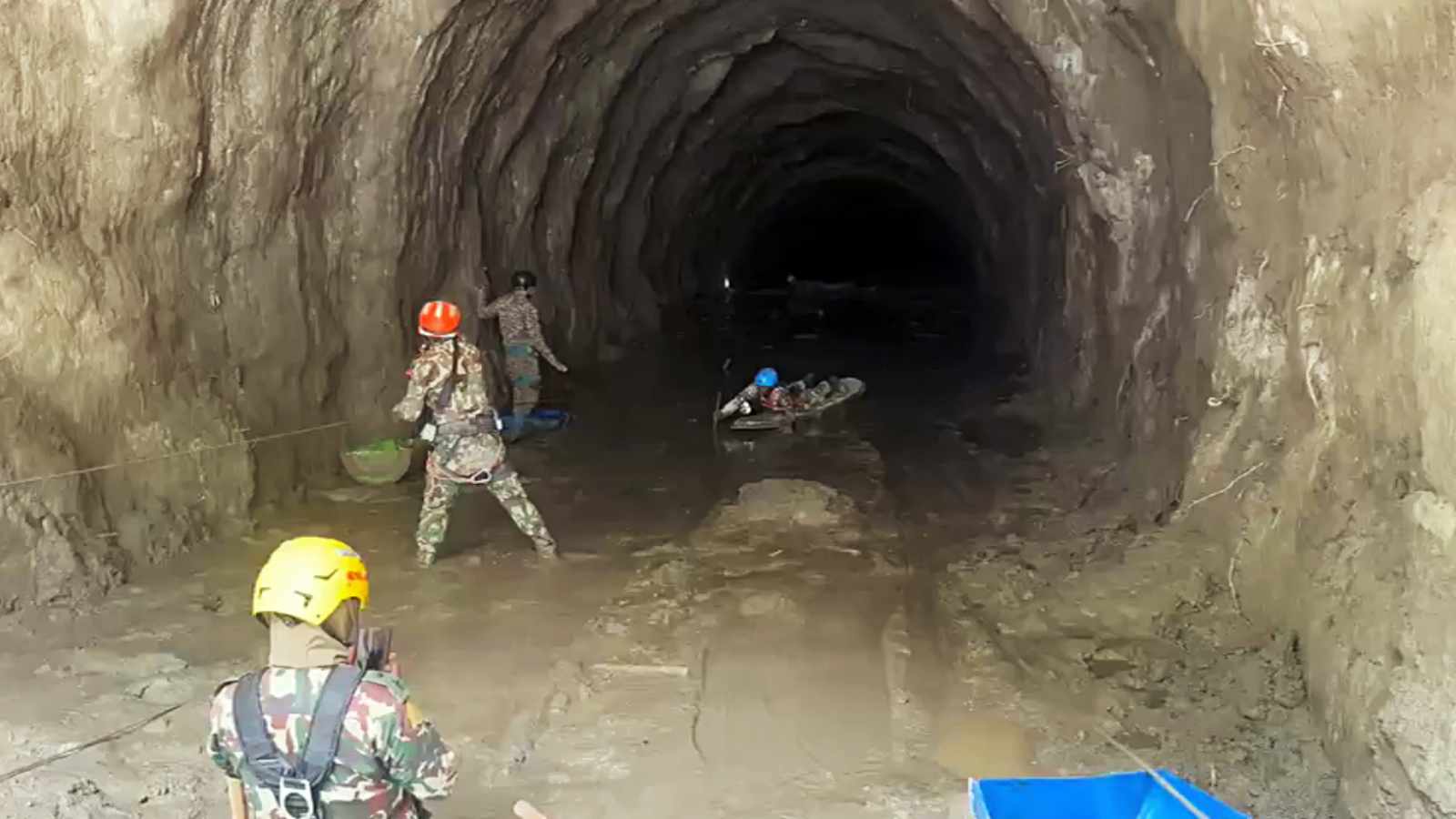
Himalayan Disaster Highlights Need for India-Nepal-China Climate Cooperation

Nepal Floods Expose Warning Gaps, Spur China Data Push
Nepal Flash Flood Exposes South Asia’s Cross-Border Risks

India Faces Strategic Test As BRICS Summit Opens In Delhi

Indonesia Face UAE in Women’s Asia Cup Match 8

Large-Caps Look More Attractive, But Valuation Risks Remain

Bangladeshi Suspect Escapes Police Custody in West Bengal