1 hr ago
Himalayan Floods Intensify Calls for Regional Water Cooperation
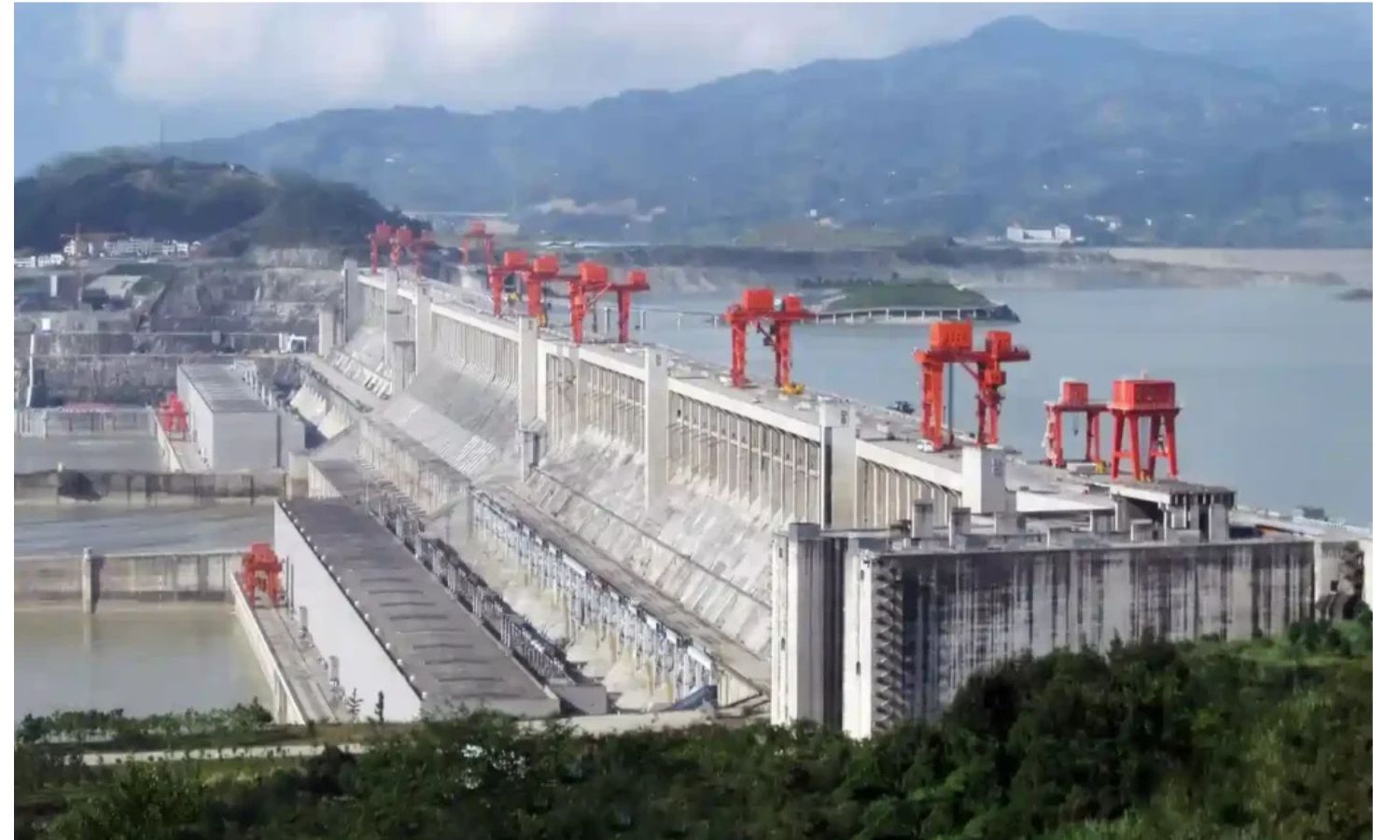
The Himalayas are warming and losing ice, which can make floods and landslides more likely.
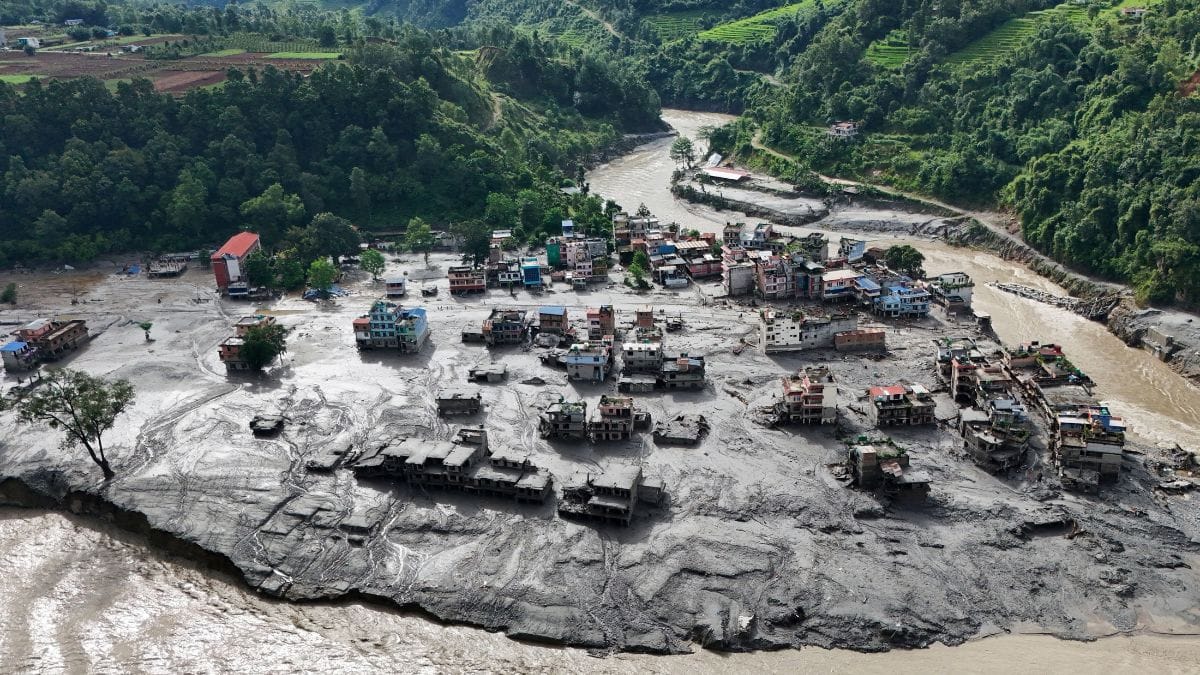
A major flood near Nepal and Tibet in August 2026 reportedly killed hundreds of people.
A similar glacier-related flood damaged a large power project in India in 2023.
China is building a very large set of dams on the Yarlung Tsangpo River in Tibet.
This river later becomes the Brahmaputra and flows through India and Bangladesh.
Large dams can change when water and mud move downstream.
Accidents could also hurt people near the dams if earthquakes or landslides occur.
The article says countries sharing these rivers should receive information and be consulted.
It proposes that India help neighbouring countries work together on flood warnings, environmental studies and water data.

A reported August 26, 2026 flood along the Nepal-Tibet frontier killed at least 359 people and left nearly 1,000 missing by August 27.
The article attributes the disaster to a possible glacier collapse and ice-rock avalanche affecting the Bhote Koshi-Trishuli system.
The 2023 South Lhonak Lake outburst flood in Sikkim killed 179 people and damaged the 1,200-megawatt Teesta-III project.
China began construction in July 2025 on a proposed 60-gigawatt, five-station hydropower cascade on the Yarlung Tsangpo.
The article urges India and neighbouring countries to create a Himalaya–Mekong Water Security Partnership for data sharing and regional consultation.
- Who
- People in Nepal, China and India were affected by the reported floods; China, India and downstream Asian countries are central to the water-policy debate.
- What
- The article examines Himalayan flood risks and opposes unilateral management of major transboundary rivers, particularly amid China’s Yarlung Tsangpo hydropower project.
- Where
- The events and proposed projects involve the Nepal-Tibet frontier, Sikkim, the Yarlung Tsangpo in Tibet, and the wider Himalaya-Mekong region.
- When
- The Nepal-Tibet flood occurred on August 26, 2026; the Sikkim flood occurred in October 2023; construction of China’s project began in July 2025.
- Why
- The article argues that climate-driven ice loss, unstable terrain and large infrastructure create shared risks requiring regional consultation, monitoring and flood-warning cooperation.
Downstream safeguards and regional consultation
Upstream hydropower development and national control
Management of transboundary rivers
Downstream safeguards and regional consultation
India and other downstream countries should receive hydrological data, advance notice and meaningful consultation before major projects, reservoir filling or exceptional releases.
Upstream hydropower development and national control
China is described as having the right to generate renewable energy and develop hydropower, although the article argues that this should not mean unfettered control over shared rivers.
Assessment of project risks
Downstream safeguards and regional consultation
Critics emphasize that dams and reservoirs may alter seasonal flows and sediment movement, while earthquakes, landslides, glacier events and extreme rainfall could produce catastrophic consequences.
Upstream hydropower development and national control
The article does not present a detailed public defense of the project’s safety, but notes that China is proceeding with a proposed 60-gigawatt cascade as a major renewable-energy development.
Regional response to China
Downstream safeguards and regional consultation
The article argues that India should lead a coordinated group of Himalayan and Mekong countries to seek common safeguards and increase negotiating leverage.
Upstream hydropower development and national control
The article says several neighbouring countries may prefer caution or silence because of their economic, infrastructure, trade, credit or diplomatic dependence on China.
Key facts
- Nepal-Tibet flood
- Reported on August 26, 2026; at least 359 people died and nearly 1,000 were missing by August 27.
- 2023 Sikkim flood
- A South Lhonak Lake outburst raised the Teesta by 50–60 feet and contributed to 179 reported deaths.
- Teesta-III project
- The 1,200-megawatt hydropower project at Chungthang was breached in the 2023 flood.
- Yarlung Tsangpo project
- China says the planned five-station cascade will cost US$168 billion and generate 60 gigawatts.
- Glacier change
- The article cites ICIMOD findings that glacier loss accelerated during 2011–2020 and that regional ice-loss rates doubled since 2000.
- Proposed partnership
- India is urged to promote a Himalaya–Mekong Water Security Partnership involving eight neighbouring countries.
Sources
Related news
Himalayan Dam Boom Raises Flood and Seismic Risks

China’s Proposed Yarlung Tsangpo Mega-Dam Raises Downstream Concerns

Tibet Dam-Building Raises Flood and Earthquake Concerns Downstream

Nepal Floods Renew Concerns Over China’s Tibet Dam Projects

Twenty-Three Suspected Bangladeshi Infiltrators Sent to Chhattisgarh Detention Centre

India Expands Defence Diplomacy With ₹400 Crore Fund

India Beat Bangladesh 3-0, Keep AFC U20 Qualification Hopes Alive

Mushtaq Ahmed Open to Pakistan Coaching Despite PCB Fears