4 hrs ago
India's CAFE 3 Rules Reshape Carmakers' Efficiency Strategies and Costs
India is creating stricter rules for how much fuel new car fleets can use.
The rules start in 2027 and become tougher by 2032.
They apply to a company’s whole group of cars, not every individual car.
This means a carmaker can balance less efficient cars with electric, hybrid, CNG, or other cleaner vehicles.
Electric cars receive extra credit in the calculations, while hybrids also receive some extra credit.
Companies can earn, carry forward, or trade credits if they perform better than required.
The rules do not force every company to choose only electric cars.
However, cleaner technology may make some cars more expensive, especially small entry-level cars.
Carmakers will have to choose technologies that are affordable and that customers will actually buy.

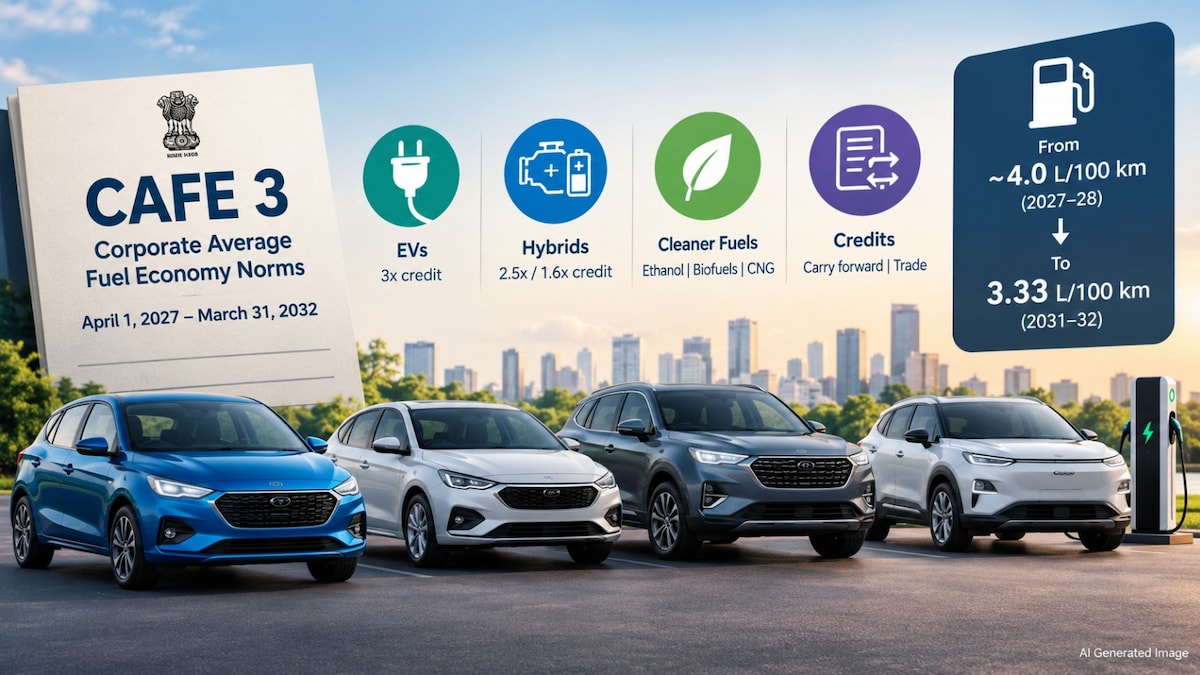
CAFE 3 will apply from April 1, 2027, through March 31, 2032, to passenger vehicles made or imported for India.
The fleet fuel-consumption benchmark will tighten from nearly 4 litres per 100 kilometres to 3.33 litres over the period.
Manufacturers can meet the target through different powertrains, cleaner fuels, recognised technologies, and tradable CAFE credits.
Electric and hybrid vehicles receive super credits, with battery EVs counting as three vehicles and strong hybrids as 1.6.
Removing the proposed small-car concession could raise affordability concerns and influence manufacturers' vehicle and powertrain strategies.
- Who
- Indian passenger-vehicle manufacturers, importers, buyers, dealers, and policymakers are affected.
- What
- India is introducing CAFE 3, stricter fleet-average fuel-efficiency rules with multiple compliance pathways.
- Where
- They cover M-1 passenger vehicles manufactured or imported for sale in India.
- When
- The rules apply from April 1, 2027, through March 31, 2032.
- Why
- The rules are intended to improve fleet fuel efficiency while allowing manufacturers to use different technologies and credits to meet the targets.
Technology-neutral flexibility
Faster electrification and stronger safeguards
Purpose of the rules
Technology-neutral flexibility
Supporters say offering several compliance pathways lets manufacturers choose technologies that fit their businesses, costs, and expected sales.
Faster electrification and stronger safeguards
Critics argue the framework may follow the automobile industry rather than lead it toward a faster transition, particularly because it does not require one specific powertrain.
Hybrids versus electric vehicles
Technology-neutral flexibility
Industry voices say hybrids, CNG, cleaner fuels, and other technologies are practical options as India works toward wider electrification and consumers already accept some alternatives.
Faster electrification and stronger safeguards
Critics question whether generous hybrid treatment could slow the shift to EVs. Amitabh Kant questioned the 11% EV target for 2032, while Hormazd Sorabjee said plug-in hybrids receive credit without certainty that owners will charge them regularly.
Costs and market readiness
Technology-neutral flexibility
A flexible system, credits, and diversified powertrain portfolios could help manufacturers manage compliance without immediately making large technology investments.
Faster electrification and stronger safeguards
Dealers and affordability advocates warn that cleaner technologies could raise vehicle prices, while pushing EV volumes without sufficient demand or charging infrastructure could leave dealers with unsold inventory.
Key facts
- Implementation period
- April 1, 2027, to March 31, 2032
- Covered vehicles
- M-1 passenger vehicles, including hatchbacks, sedans, and SUVs
- Fuel-consumption benchmark
- Nearly 4 litres per 100 kilometres in 2027-28, tightening to 3.33 litres by 2031-32
- Reference weight
- Raised 13.6% to 1,229 kilograms compared with the draft framework
- Super credits
- Battery EVs and range-extended EVs count as three vehicles; plug-in hybrids as 2.5; strong hybrids as 1.6
- Credit system
- Manufacturers can earn, carry forward, and trade CAFE credits
- EV target discussed
- The framework includes an 11% EV target for 2032, which Amitabh Kant criticised
Quotes
Hormazd Sorabjee
Editor of Autocar India
“You can't bring in an expensive technology which gives you a good CAFE score, but it doesn't sell enough numbers to give you the average that you need.”
 CNBC TV 18
“CAFE is not an emission norm. These are efficiency norms.”
CNBC TV 18
Sources
Related news
CAFE 3 Rules Could Bring More EVs and Hybrids
CAFE-III Wins Industry Backing Amid Debate Over EV Ambition
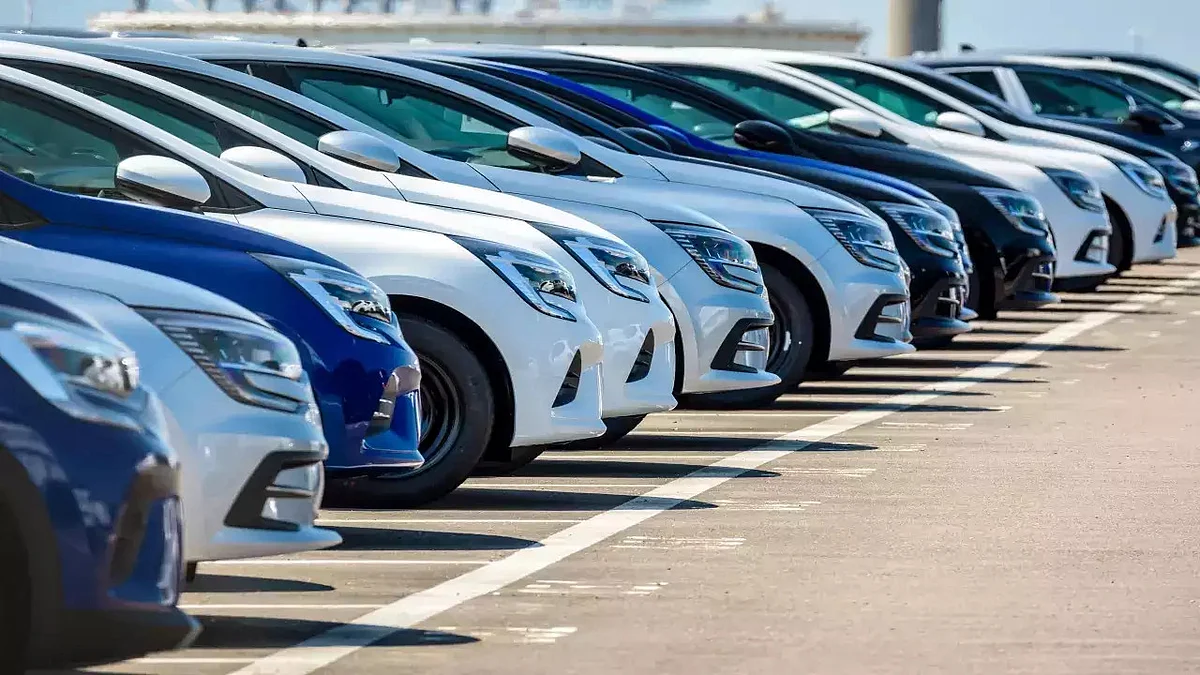
India Notifies New CAFE-3 Rules, Retaining EV Incentives

New CAFE-III Norms Give EVs Threefold Compliance Benefit
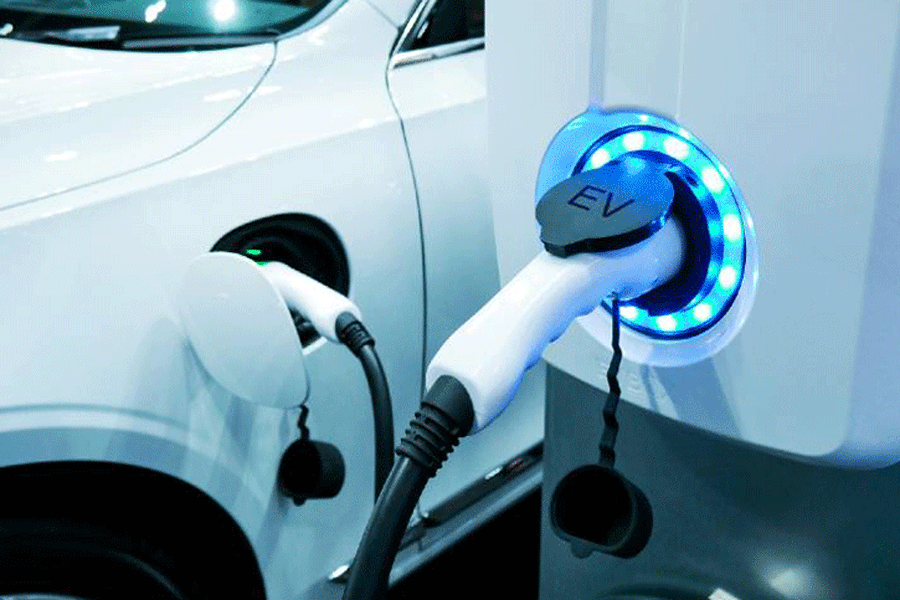
Study urges India’s multi-fuel strategy for diverse transport needs
Delhi Leads NITI Aayog’s 2025 Electric Mobility Index
India’s EV Push Could Create Millions of Jobs Through Batteries

Delhi's New EV Policy to Phase Out Petrol Vehicle Registrations
Govt Extends PM E-Drive E-Two-Wheeler Subsidy to FY28, Raises Allocation