2 hrs ago
Study urges India’s multi-fuel strategy for diverse transport needs
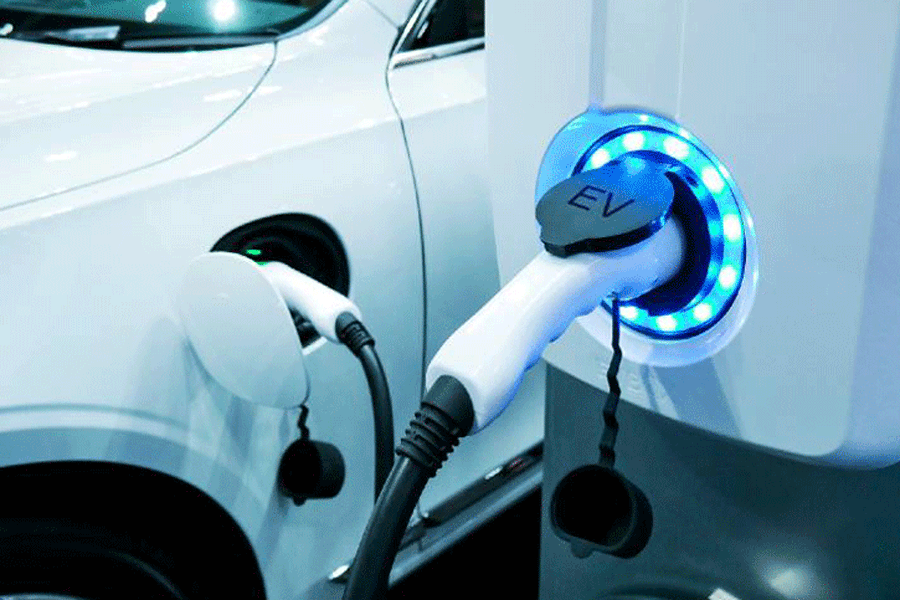
A new study looked at different fuels for India’s vehicles.
It found that one fuel cannot work best everywhere.
Electric vehicles may be especially useful for two-wheelers and some city vehicles.
CNG may remain useful for cars, buses and some commercial vehicles.
LNG could help trucks traveling long distances.
Bigger electric vehicles can cost more, take longer to charge and carry less cargo.
Electric vehicles also depend on how clean India’s electricity is and on imported battery materials.
The study says India should use several fuels while improving charging networks and cleaner energy.
This approach is intended to reduce emissions without making travel unaffordable or unreliable.

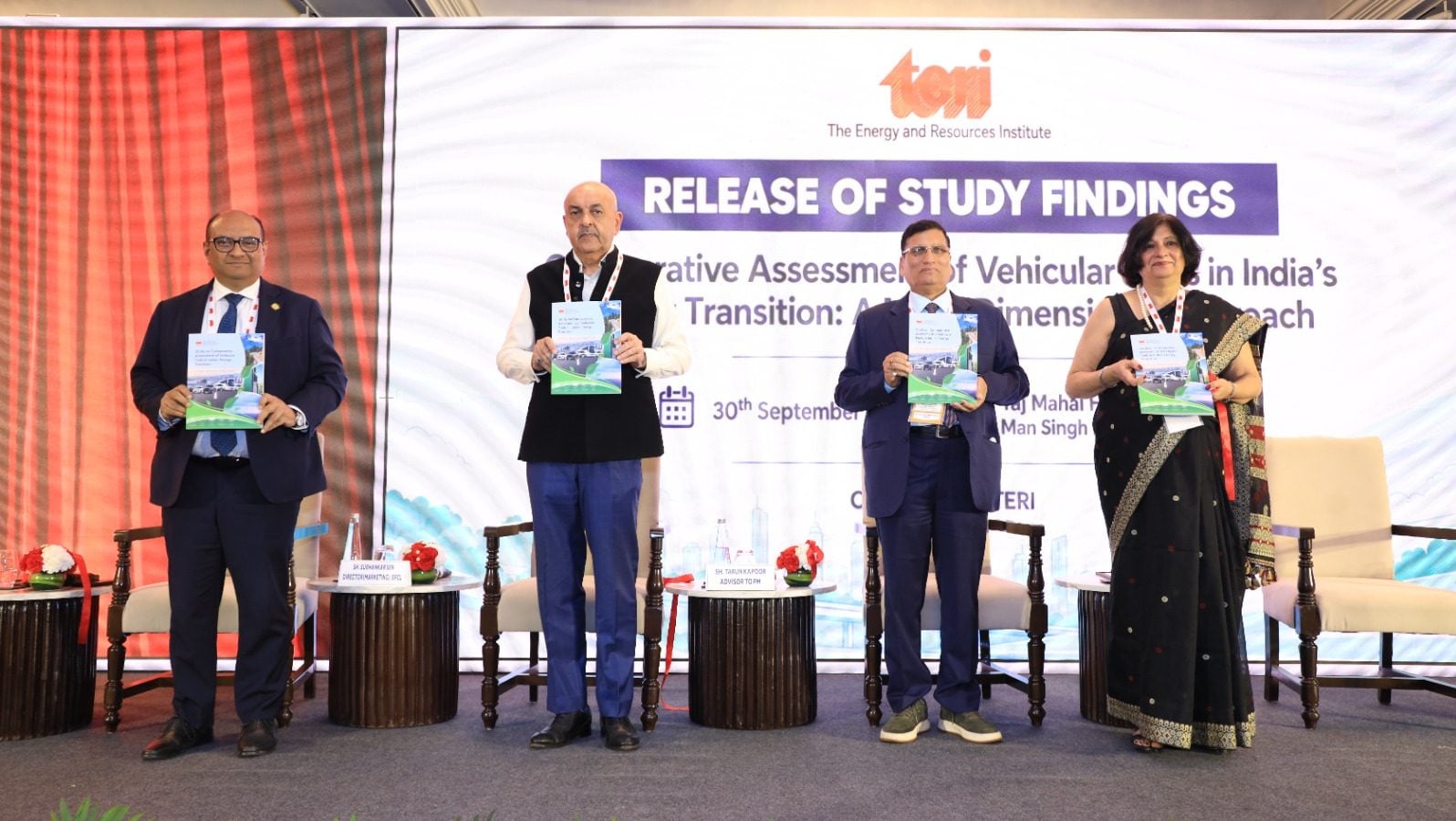
A TERI-PNGRB study says no single fuel suits every Indian road-transport segment.
It recommends EVs for many two-wheelers, with EVs and CNG coexisting in three-wheelers.
CNG is considered practical for passenger cars and light commercial vehicles, while LNG could serve long-haul freight.
Electrification is limited by charging times, infrastructure gaps, battery costs, payload concerns and India’s electricity mix.
The study calls for cleaner gaseous fuels, battery recycling, domestic manufacturing and stronger critical-mineral supply chains.
- Who
- The Energy and Resources Institute and the Petroleum and Natural Gas Regulatory Board conducted the study, with comments from Vibha Dhawan and Tarun Kapoor.
- What
- The study assessed petrol, diesel, CNG, electricity and LNG across six vehicle segments and recommended a segmented, multi-fuel transport strategy.
- Where
- It was released in New Delhi and assessed conditions in ten Indian locations, including Delhi, Mumbai, Bengaluru and Chamba.
- When
- The study was released on Wednesday and examined current conditions and scenarios for 2030, 2040 and 2050.
- Why
- India needs to reduce transport emissions while balancing affordability, infrastructure, reliable mobility, environmental impacts and energy security.
Key facts
- Study title
- Comparative Assessment of Vehicular Fuels in India's Energy Transition: A Multi-Dimensional Approach
- Organizations
- The Energy and Resources Institute and the Petroleum and Natural Gas Regulatory Board
- Vehicle segments
- Two-wheelers, three-wheelers, private and commercial four-wheelers, light commercial vehicles and heavy-duty vehicles
- Long-term EV role
- Electric vehicles are identified as the dominant long-term pathway for two-wheelers.
- Natural-gas role
- CNG remains important for passenger cars, taxis, buses and light commercial vehicles; LNG may serve suitable long-haul freight.
- Environmental finding
- Under the current electricity mix, CNG generally had the lowest overall environmental burden across most assessed vehicle categories.
- Heavy-duty comparison
- In a 55-tonne comparison, a representative electric truck weighed about 8.8 tonnes unloaded versus roughly 7.1 tonnes for an LNG truck.
- Net-zero target
- The report considers India’s commitment to reach net-zero carbon emissions by 2070.
Quotes
Vibha Dhawan
Director General of The Energy and Resources Institute (TERI)
“There is no single silver bullet, a 'one size fits all' strategy for India's mobility transition. Our needs are diverse - from two-wheelers to heavy-duty trucks, from urban mobility to long-haul freight. What works for one segment may not work for another. That is precisely why a multi-fuel strategy is not just an option, but a necessity for India.”
 telegraphindia.com
“India needs a multi-fuel approach, not a single-fuel solution. Natural gas remains an important transition fuel. Policymaking should rely on better data for effective pollution control decisions and should consider multiple dimensions such as emissions, affordability, availability, and energy security.”
telegraphindia.com
Sources
Related news
TERI Study Finds CNG Outperforms EVs Across India’s Vehicles
Why India Needs Electric Transport to Cut Crude Dependence

NITI Aayog Urges States to Rethink EV Subsidies

Electric Two-Wheelers Lead Sessions, Four-Wheelers Consume Most Energy
Alternative-Fuel Vehicles Overtake Petrol in India’s Passenger Car Sales

Pollution Awareness to Spread Beyond Delhi, PM Adviser Says
New PNG Scheme Targets Three-Year Payback for Household Connections
Dilip Buildcon to Sell Power Stake for Rs 2,914 Crore

Dilip Buildcon Shares Rally After ₹1,800 Crore LPG Pipeline Order