

3 hrs ago
CAFE-III Wins Industry Backing Amid Debate Over EV Ambition
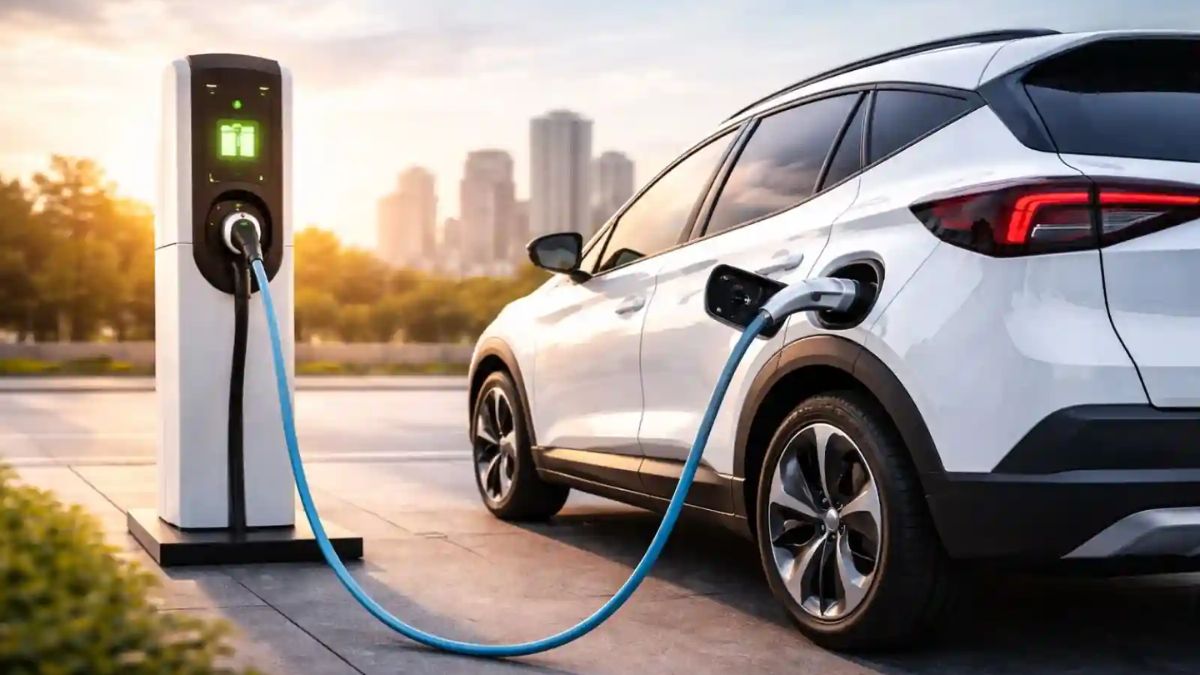
India has introduced new rules called CAFE-III to make cars use less fuel.
Car companies generally support the rules because they can use several technologies to meet them.
These technologies include electric cars, hybrids, alternative fuels, and fuel-saving systems.
Automakers say this gives them flexibility and helps them plan future products.
Former government official Amitabh Kant disagrees with this approach.
He says the rules should push India much more strongly toward electric vehicles.
Kant believes electric cars should be the final goal, not just one choice among many.
He also says India imports almost 90% of its oil, making faster change important.
The debate is about whether flexibility or stronger EV requirements will best serve India’s future.

India’s auto industry broadly supports CAFE-III for its technology-neutral approach and regulatory predictability.
SIAM says the framework sets aggressive annual targets and allows market-based compliance.
Automakers welcomed recognition for EVs, hybrids, alternative fuels, and fuel-saving technologies.
Amitabh Kant called CAFE-III a missed opportunity that does not push EV adoption far enough.
Kant questioned the 11% electric-car target for 2032 and BEE’s authority to sell compliance credits.
- Who
- India’s automobile manufacturers, SIAM, former NITI Aayog CEO Amitabh Kant, and government regulators including the Bureau of Energy Efficiency.
- What
- The government’s CAFE-III fuel-efficiency framework has received broad industry support but criticism that it is not ambitious enough on electric vehicles.
- Where
- India.
- When
- Under the newly introduced framework, which sets targets through 2032 and uses a 3+2 year compliance structure.
- Why
- The rules aim to reduce fuel consumption and support cleaner technologies, while the dispute concerns whether they should accelerate EV adoption more forcefully.
Industry Supporters
EV-First Critics
Technology flexibility
Industry Supporters
Automakers and SIAM say recognising multiple technologies gives manufacturers flexibility, supports innovation, and offers consumers more choice.
EV-First Critics
Amitabh Kant says making EVs one option among many weakens the regulatory push toward the electric future.
Policy ambition
Industry Supporters
Industry representatives describe CAFE-III as a pragmatic, predictable roadmap that balances environmental goals with what manufacturers can achieve.
EV-First Critics
Kant calls the framework backward-looking or status quoist and says regulation should lead the industry rather than follow it.
Compliance credits
Industry Supporters
Automakers welcomed the credit-debit system and related technology credits as improvements that support market-based compliance.
EV-First Critics
Kant questioned how the Bureau of Energy Efficiency can sell compliance credits while also acting as the market regulator.
Key facts
- Policy
- Corporate Average Fuel Economy III, or CAFE-III
- Industry position
- Automakers broadly support the technology-neutral framework and its compliance flexibility.
- Technologies recognised
- Battery electric vehicles, hybrids, range extenders, plug-in hybrids, flex-fuel vehicles, alternative fuels, and fuel-saving technologies.
- EV target questioned
- CAFE-III targets 11% electric cars by 2032, according to Amitabh Kant.
- Current EV share cited
- Kant said EVs are already close to 8% of car sales in the current financial year.
- Oil dependence
- Kant said India imports almost 90% of its oil.
- Compliance mechanism
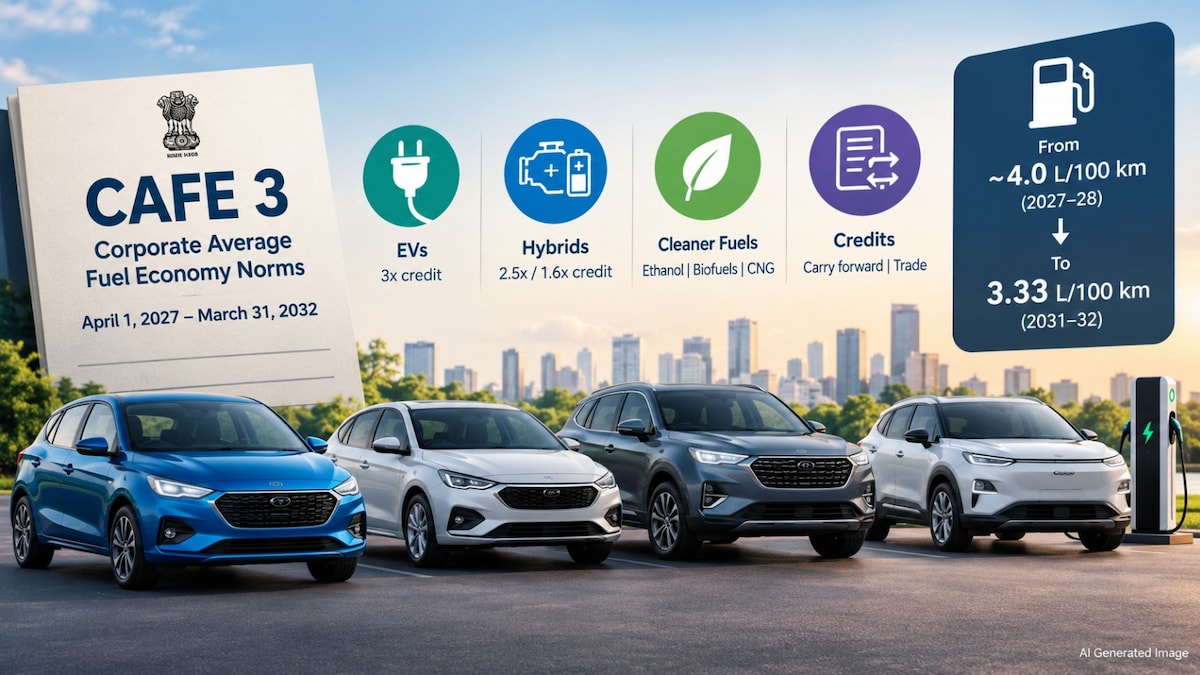
- The framework includes credit-debit rules, technology credits, cleaner-fuel benefits, and EV super credits.
Quotes

Amitabh Kant
Former NITI Aayog CEO who criticized CAFE-III’s limited push toward electric vehicles.
“This was an opportunity to technologically leapfrog like India has done with UPI & Smartphones. Instead, it is a case of a huge missed opportunity. The new CAFE norms are backward looking at worst and status quoist at best. They lack vision and a clear road map for the future. The regulation follows the industry instead of leading it.”
 financialexpress.com
“We import almost 90% of our oil. We are building battery and EV manufacturing capacity. Our fuel-efficiency rules should push the industry toward that future, not give it room to delay.”
financialexpress.com
Sources
Related news
India's CAFE 3 Rules Reshape Carmakers' Efficiency Strategies and Costs
CAFE 3 Rules Could Bring More EVs and Hybrids

New CAFE-III Norms Give EVs Threefold Compliance Benefit
India Notifies New CAFE-3 Rules, Retaining EV Incentives
India Expects BS VII Emission Norms Draft Within Two Months
Indian Oil’s Gujarat Refinery Plans Polypropylene Production by Fiscal Year-End
S&P Says Tata Sons Listing May Reshape Long-Term Strategy
Tata Expands BaaS Option Across Its Full EV Range
