8 hrs ago
Melting Glaciers Push Nepal Toward Its Adaptation Threshold
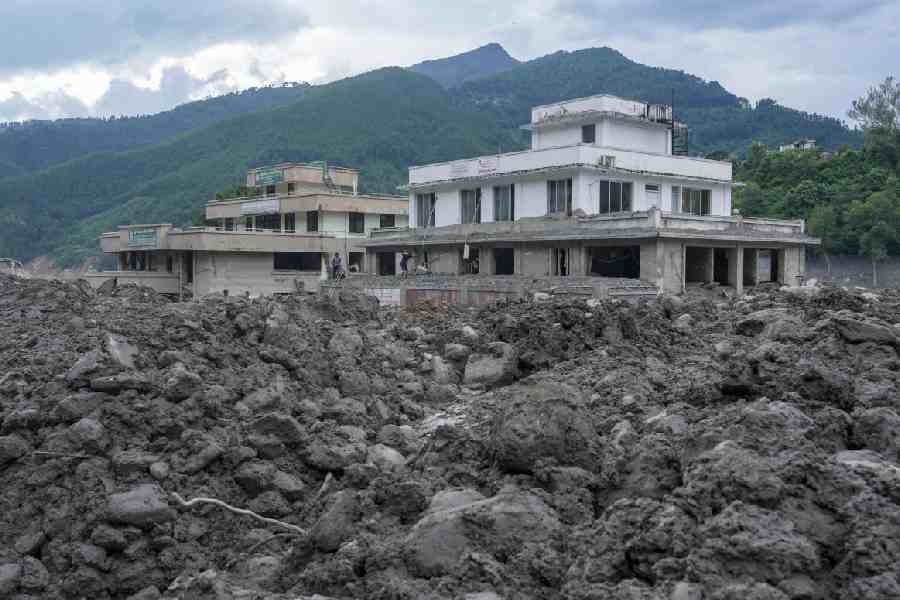
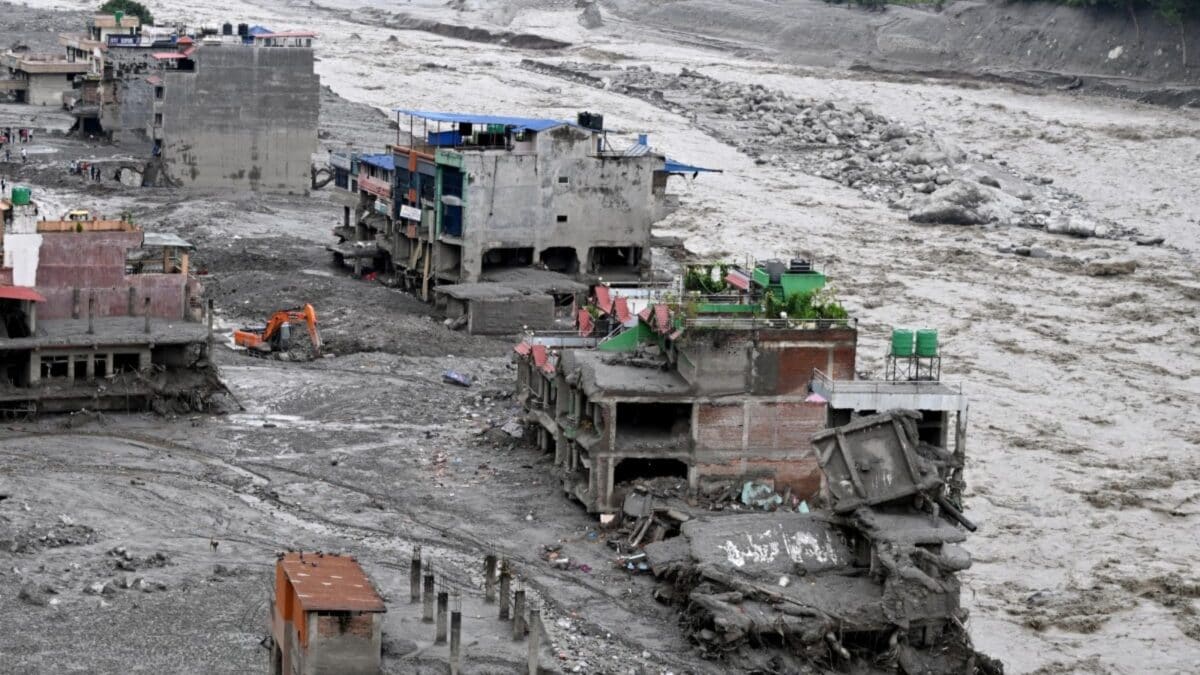
A huge flood hit Nepal and nearby parts of China on August 26.
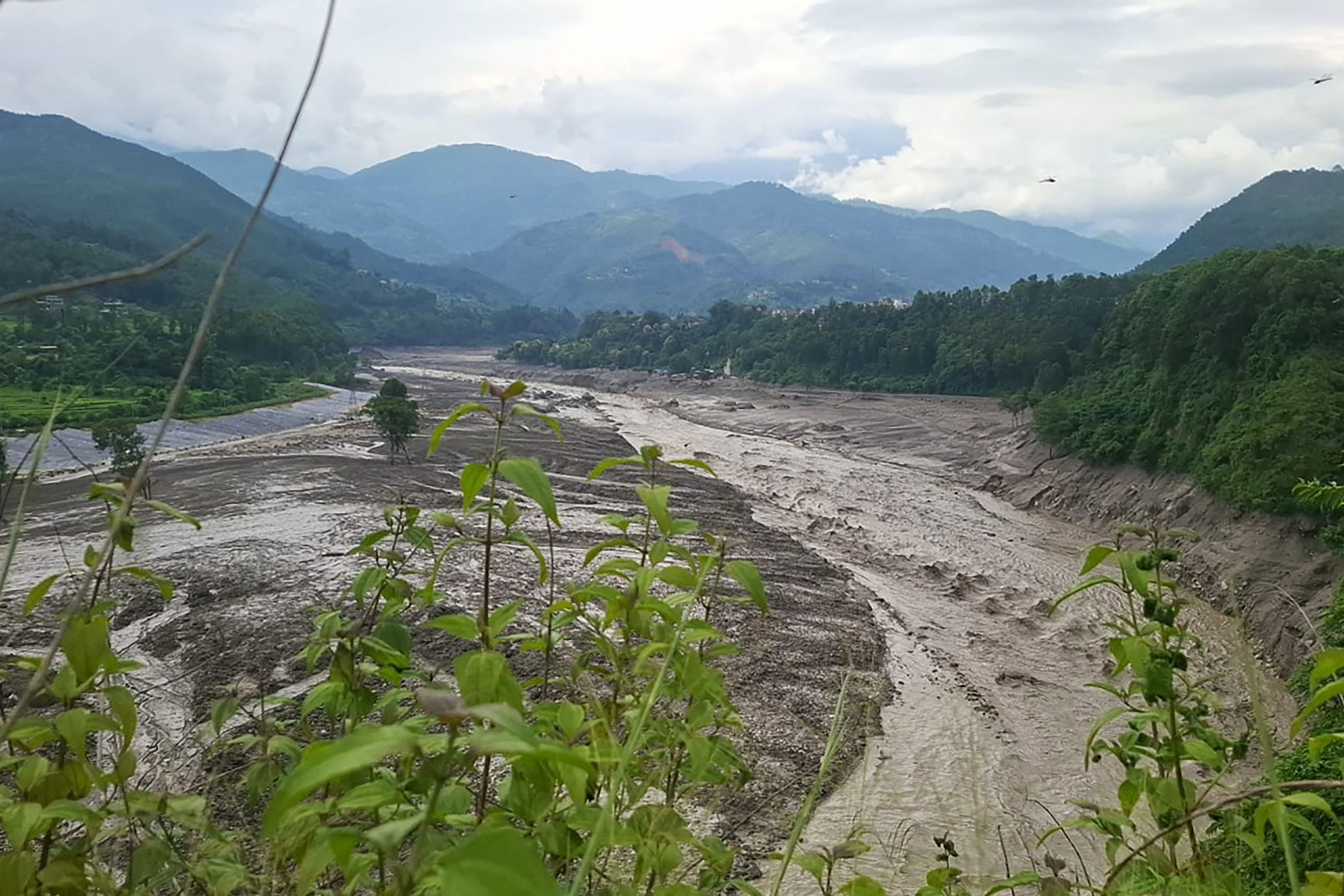
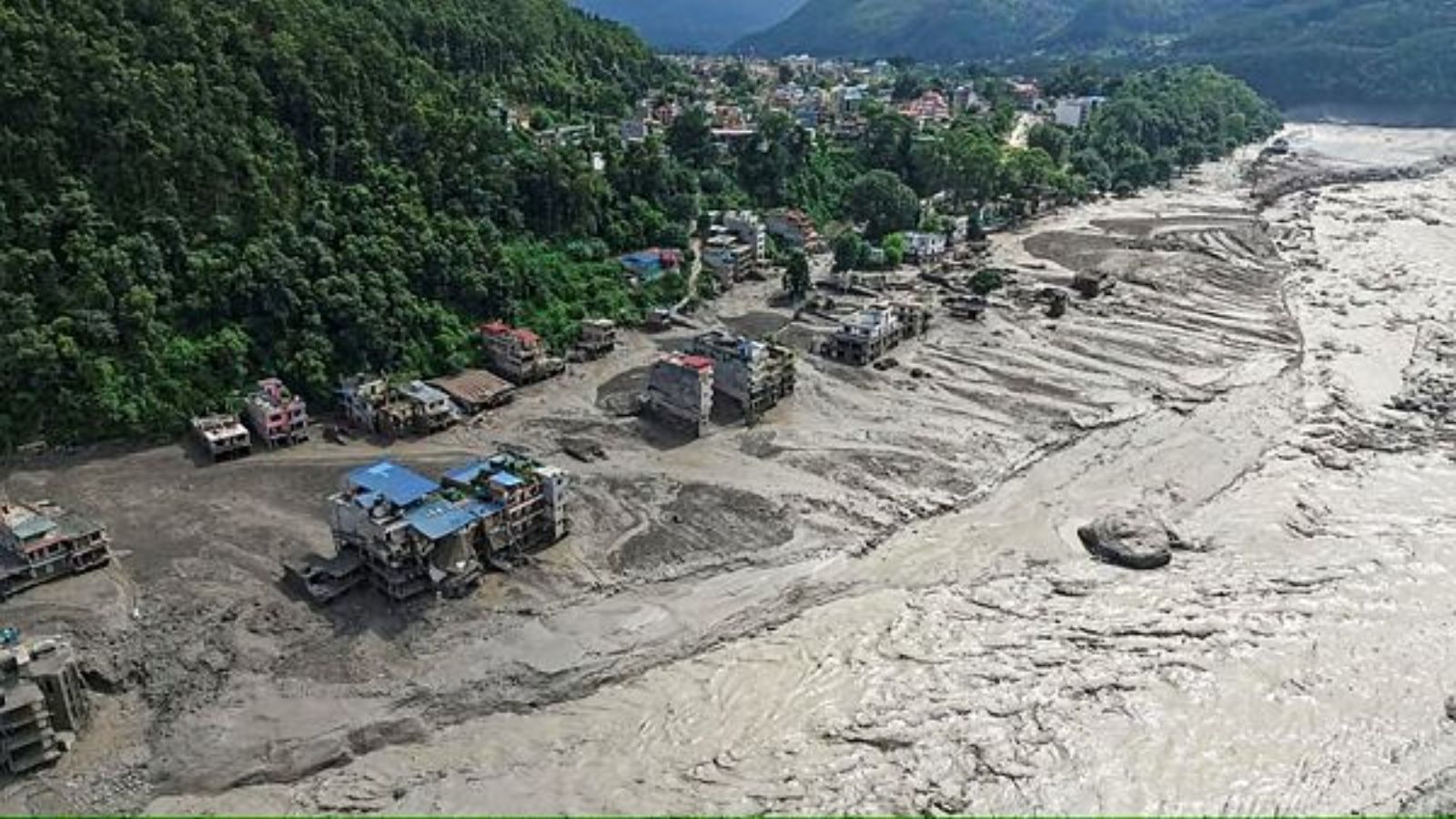
Rocks and glacier ice fell into a mountain valley and pushed a giant wave of mud and water downstream.
More than 1,000 people died, and thousands were still missing.
Warmer temperatures are melting ice and weakening some mountain slopes.
This can cause landslides, avalanches and floods that trigger even more flooding.
Scientists have not proved that climate change directly caused this one disaster.
However, they say warming can make these dangerous events more likely.
About 670,000 people received text warnings, but some could not understand them or did not realize the danger.
Experts say some places may eventually need to move, while better warnings and safer infrastructure could protect others.

The August 26 floods in Nepal and neighbouring China killed more than 1,000 people and left thousands missing.
A collapse of bedrock and glacier ice sent water, mud and debris through several Himalayan rivers.
Experts say warming glaciers, thawing permafrost and unstable slopes are increasing the risk of cascading disasters.
Scientists caution that it is too early to directly attribute this catastrophe to climate change.
Experts recommend stronger land-use rules, cross-border monitoring, clearer warnings and climate-aware infrastructure planning.
- Who
- Communities in Nepal and neighbouring China were affected; disaster expert Saswata Sanyal and climate policy expert Manjeet Dhakal discussed the risks and response.
- What
- A major flood and cascading mountain disaster killed more than 1,000 people, left thousands missing and damaged homes and infrastructure.
- Where
- Nepal and neighbouring China, across the Himalayan region and downstream river communities.
- When
- The disaster occurred on August 26, 2026; the explainers were published on September 2, 2026.
- Why
- Bedrock and glacier ice collapsed into a valley, sending water, mud and debris downstream; experts say rising temperatures may increase the likelihood of similar hazards, although direct attribution remains uncertain.
Climate-risk warnings
Attribution caution
Role of global warming
Climate-risk warnings
Experts say rising temperatures are accelerating glacier melt, thawing permafrost and destabilizing mountain slopes, increasing the likelihood of complex disasters.
Attribution caution
Scientists say it is too early to directly link the August 26 catastrophe to global warming.
Future of affected communities
Climate-risk warnings
Some experts warn that communities in areas where the adaptation threshold has been crossed may need to relocate rather than rebuild.
Attribution caution
Other recommendations focus on reducing risk through stricter land-use rules, better warnings, monitoring and infrastructure assessments.
Climate responsibility
Climate-risk warnings
Manjeet Dhakal argues that countries responsible for higher emissions should urgently reduce them because Nepal has contributed less than 0.1% of global greenhouse gases.
Attribution caution
The articles do not establish a direct attribution of this specific flood to emissions, leaving the precise role of climate change unresolved.
Key facts
- Reported deaths
- More than 1,000 people were killed.
- Missing people
- Thousands were reported missing, including hundreds feared trapped in hydropower-project tunnels.
- Disaster date
- August 26, 2026.
- Warning reach
- Around 670,000 people received text alerts before the floods.
- Regional population supported by rivers
- Nearly 2 billion people depend on river systems originating in the Hindu Kush Himalayas.
- Nepal’s emissions contribution
- Nepal has emitted less than 0.1% of global greenhouse gases, according to the article.
- Adaptation concern
- Experts say the adaptation threshold has been crossed in some areas, where rebuilding may no longer be viable.
Quotes
Saswata Sanyal
Disaster risk resilience expert at the Kathmandu-based International Centre for Integrated Mountain Development
“We should blame those who are responsible for increasing the global temperature, those who have benefited from the fossil fuel economy for such a long time. We can at least use this devastating example as an inspiration to urgently reduce carbon emissions.”
 telegraphindia.com
“Climate change has been playing a large role in the Himalayas, causing these kinds of complex disasters which have really impacted downstream communities and investments”
 news18.com
Sources
Related news
Nepal Flood Highlights Rising Glacier Risks in Warming Himalayas

Nepal Flash Floods Expose Glacier Risks Amid Climate Concerns

Nepal Floods Expose Climate, Geological, and Planning Risks
Bhote Koshi Flood Exposes Growing Himalayan Climate Risks
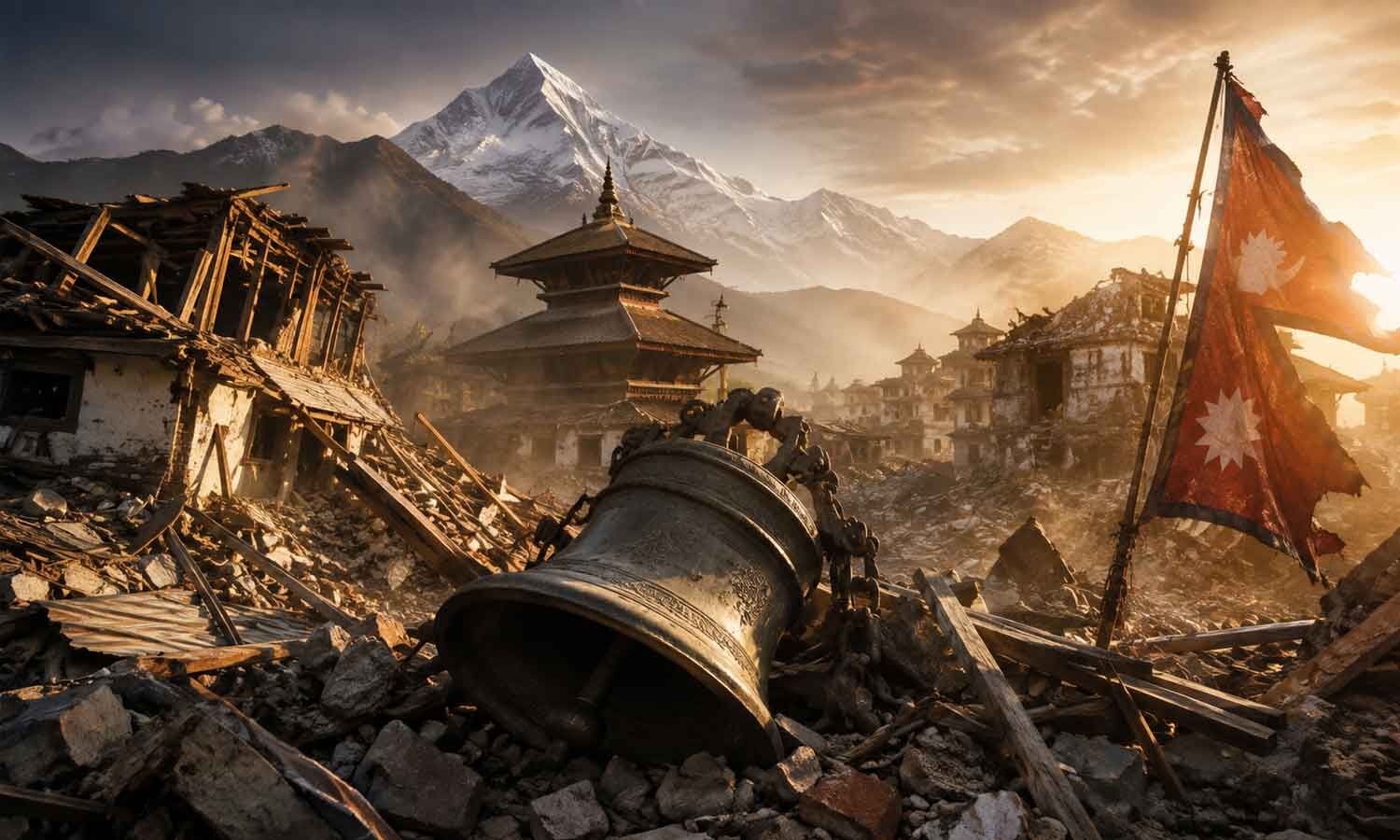
Nepal Flood Catastrophe Signals Need for Himalayan Cooperation
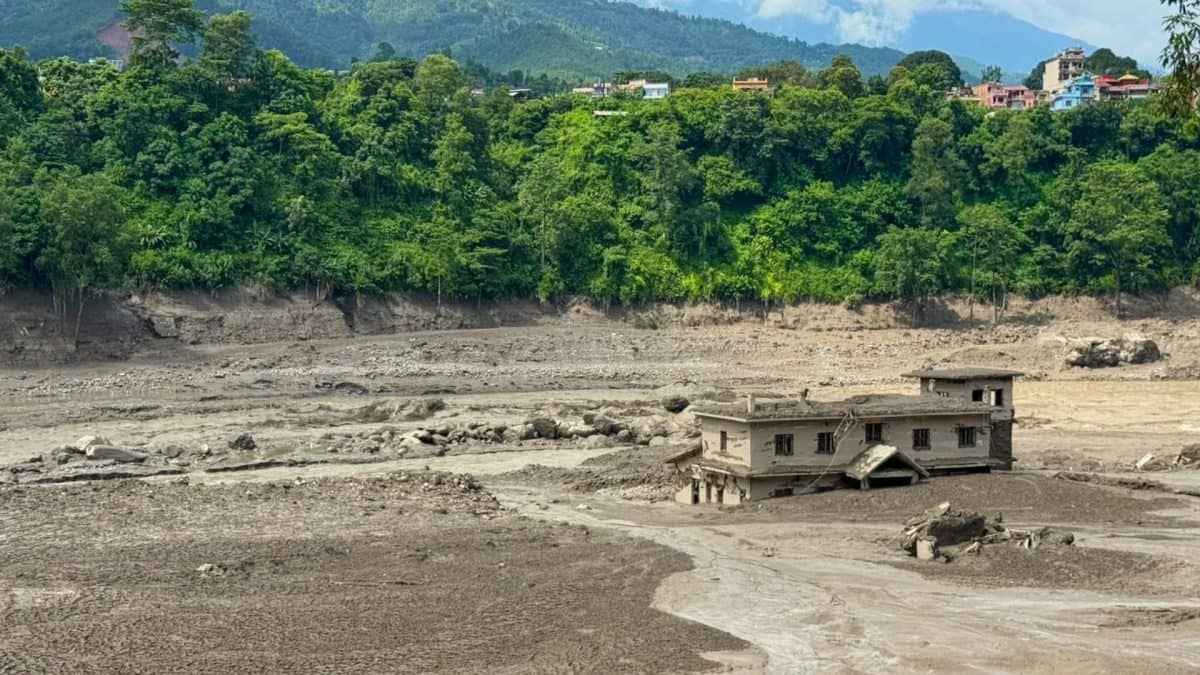
Nepal Disaster Highlights Growing Complexity of Himalayan Hazards

Nepal Families Perform Last Rites as Flood Bodies Remain Unidentified
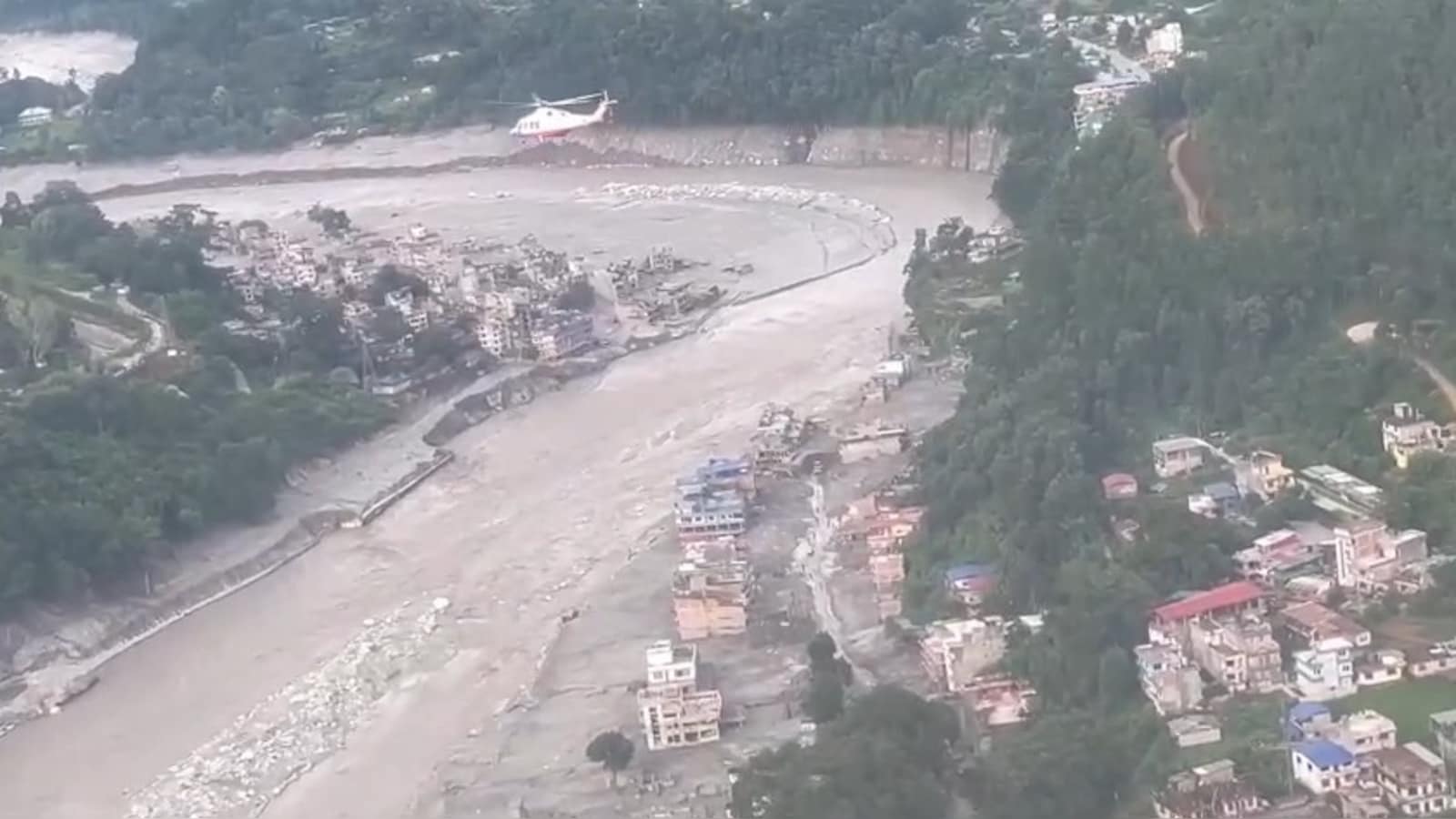
Helicopter Journey Reveals Nepal's Valley of Flood Devastation
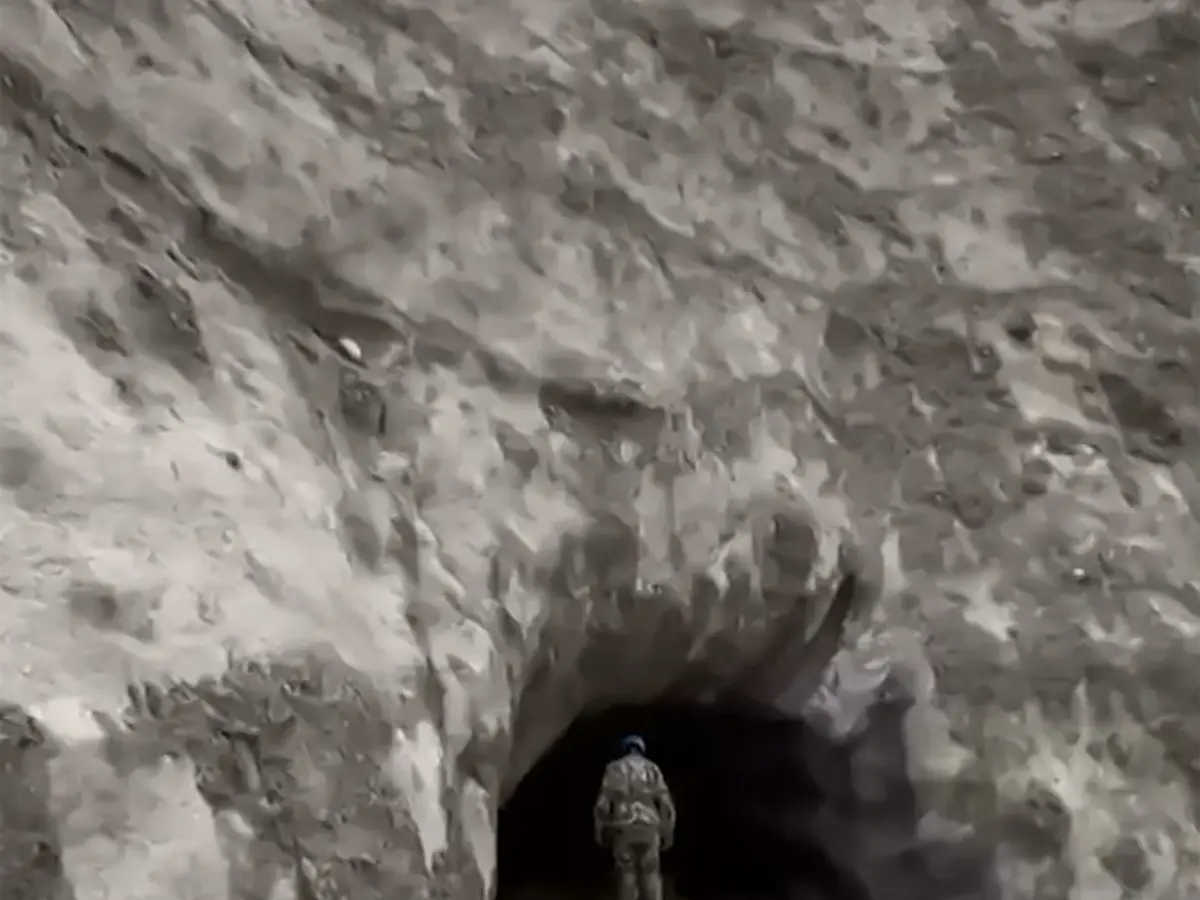
Nepal Tunnel Survivor Alleges Chinese Supervisor Abandoned Workers During Flood
Hope Rises for Workers Trapped in Nepal Hydropower Tunnel

Bhotekoshi Flood Crisis: Nepal PM Shah Calls for Courage