4 days ago
Nepal Flood Catastrophe Signals Need for Himalayan Cooperation
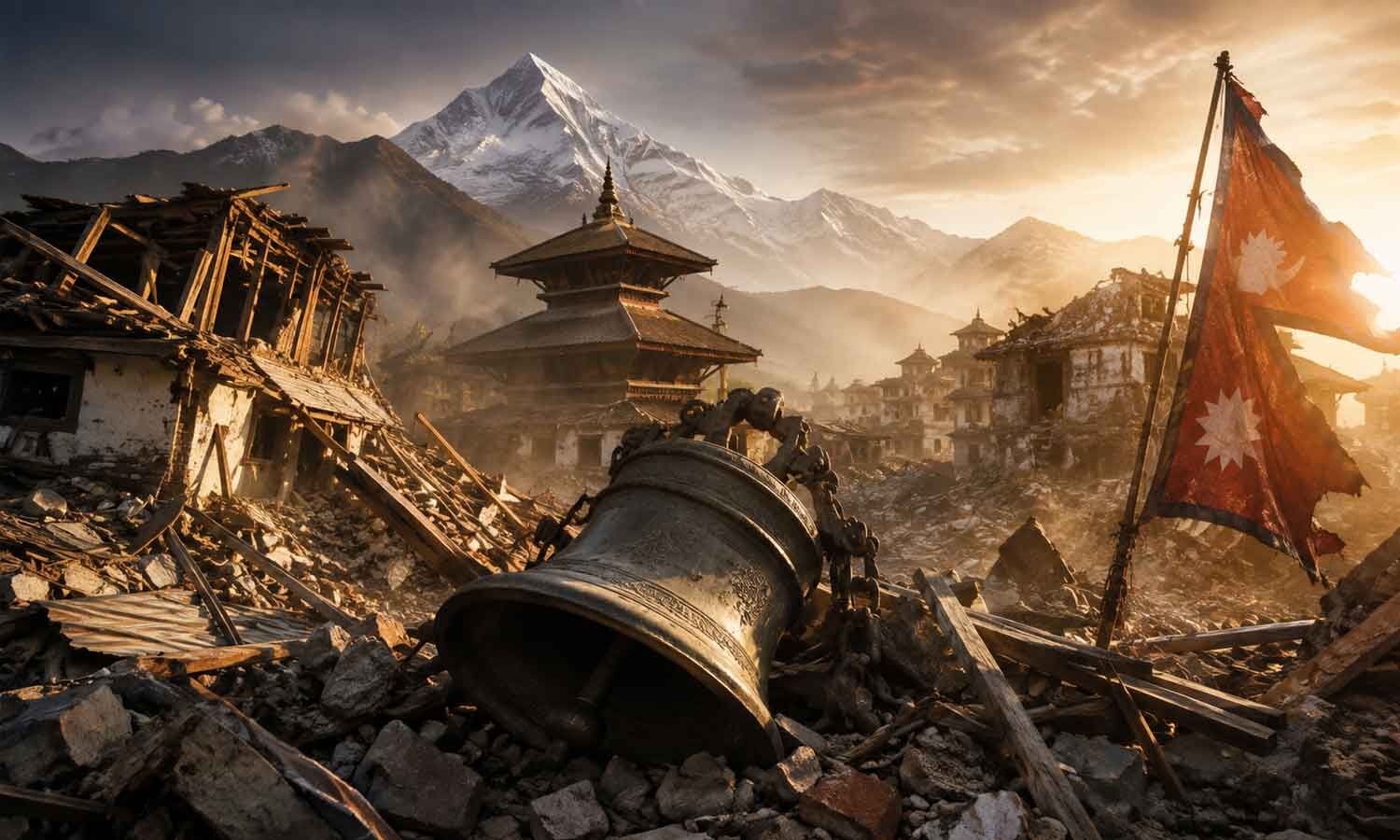
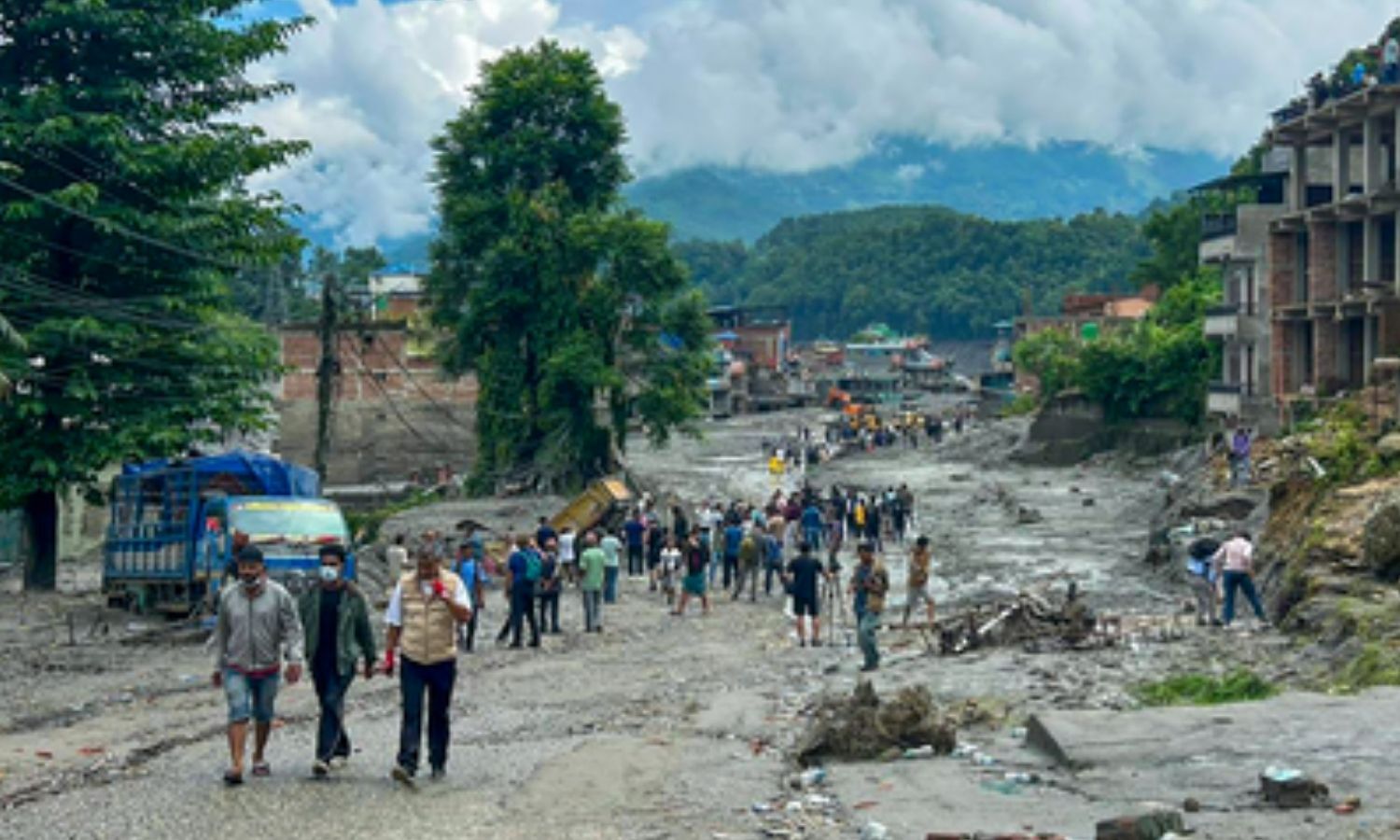
A very large flood hit the Himalayan region.
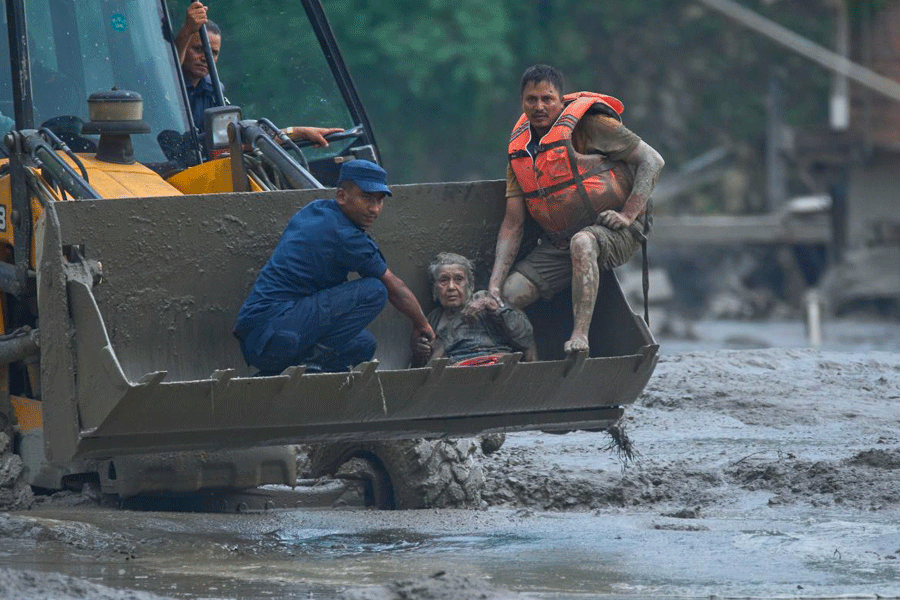
Many people died in Nepal and Tibet, and more people are still missing.
The disaster happened after rock, mud, ice, and other debris moved through mountain rivers.
This material also helped form a lake.
Scientists are still studying exactly what caused the collapse.
Melting glaciers may make dangerous floods more likely.
Nepal, India, and China are being urged to work together because rivers and mountains cross their borders.
Better warnings, safer construction, and emergency training could help protect communities.

Flooding killed 547 people in Nepal and five in China’s Tibet, while more than 1,000 people remain missing, including many from India.
A collapse sent rock, mud, ice, and debris through mountain river systems and formed a lake, which has not reportedly overflowed.
Scientists are investigating the causes as Nepal and China continue rescue operations in the flood-hit Himalayan region.
Reports warned that rapidly melting glaciers across the Hindu Kush Himalaya are increasing the risk of catastrophic floods and other cryosphere-related disasters.
The article calls for cross-border monitoring, data sharing, stronger disaster preparedness, and stricter environmental assessments for Himalayan development projects.
- Who
- People in Nepal, China’s Tibet, and India were affected; Nepalese and Chinese authorities were conducting rescue operations.
- What
- A deadly flood followed a mountain collapse that sent rock, mud, ice, and debris through river systems and formed a lake.
- Where
- The disaster occurred in the Himalayan region, affecting Nepal and China’s Tibet, with many missing people from India.
- When
- The rescue operations and scientific investigations were underway on Friday; the articles do not specify the date.
- Why
- The exact trigger is still being investigated; glacier loss, extreme climate events, fragile geology, and unstable mountain terrain are identified as contributing risks.
Key facts
- Deaths in Nepal
- 547
- Deaths in China’s Tibet
- 5
- Missing people
- More than 1,000, including many from India
- Disaster material
- Rock, mud, ice, and debris
- Lake status
- The formed lake was feared to overflow, but reportedly has not done so
- Glacier loss
- Glacier ice loss across the Hindu Kush Himalaya had doubled since 2000, according to cited reports
- Recommended regional partners
- India, Nepal, and China
Sources
Related news
Nepal Flood Disaster Spurs Calls for Himalayan Cooperation

Nepal Flood Warns of Rising Himalayan Glacier Disaster Risks
Nepal Floods Expose Need for Himalayan Transnational Cooperation
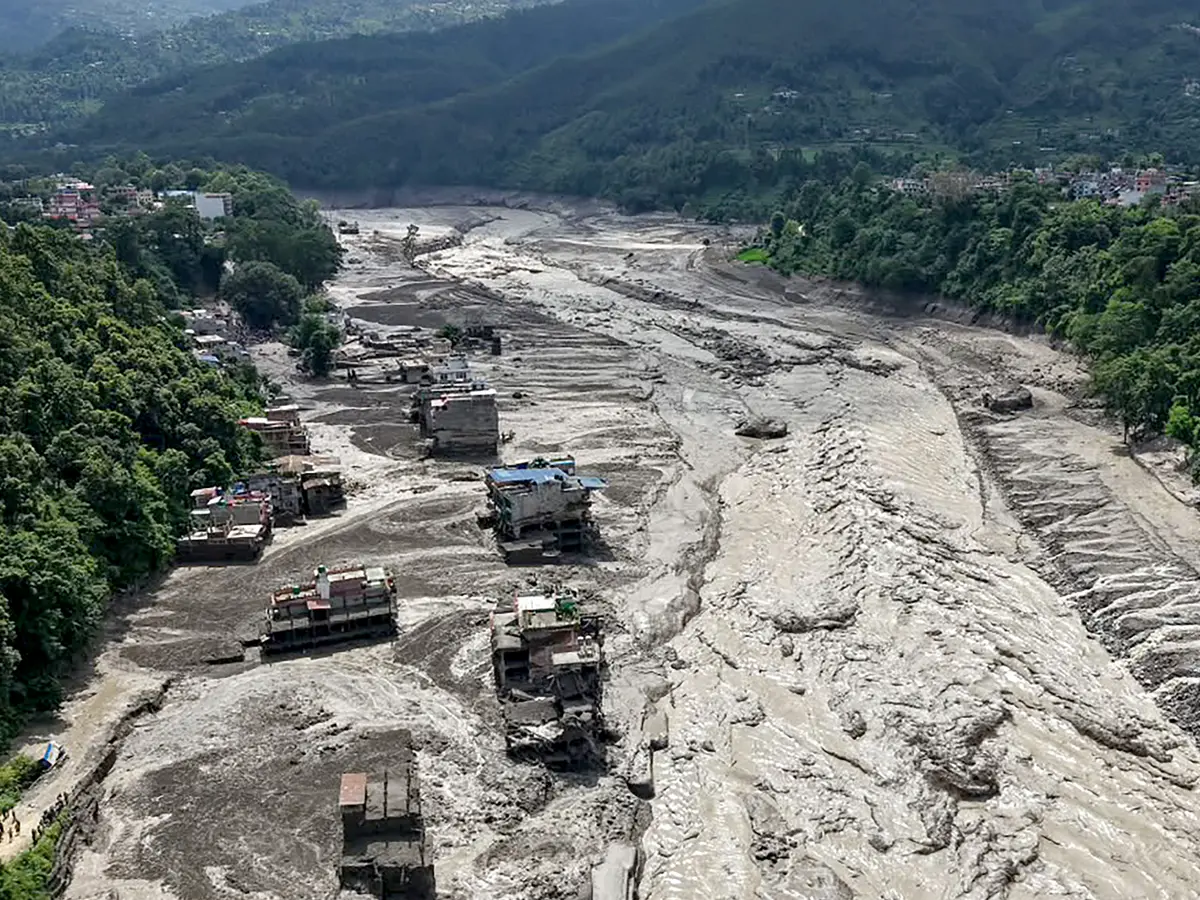
Nepal Flash Flood Exposes South Asia’s Cross-Border Risks
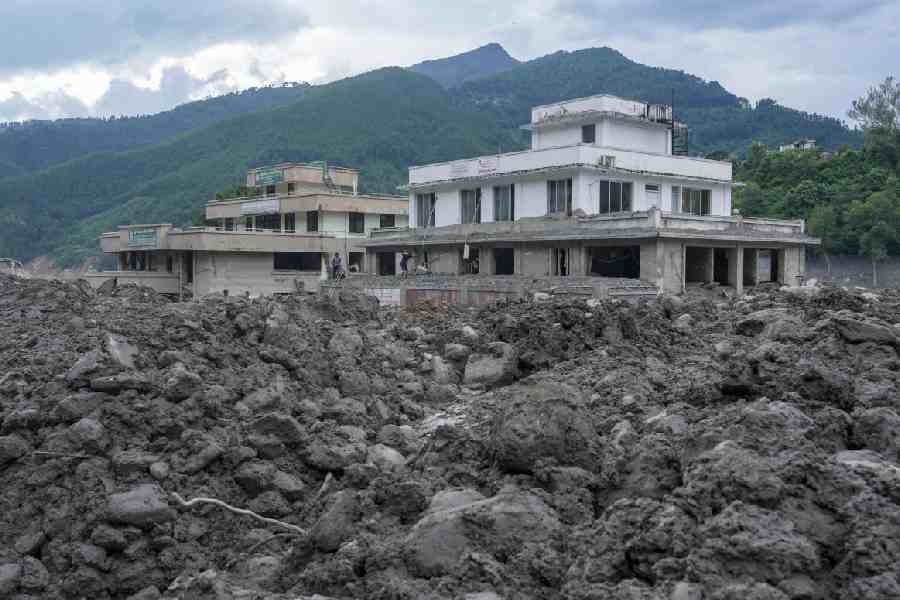
Melting Glaciers Push Nepal Toward Its Adaptation Threshold
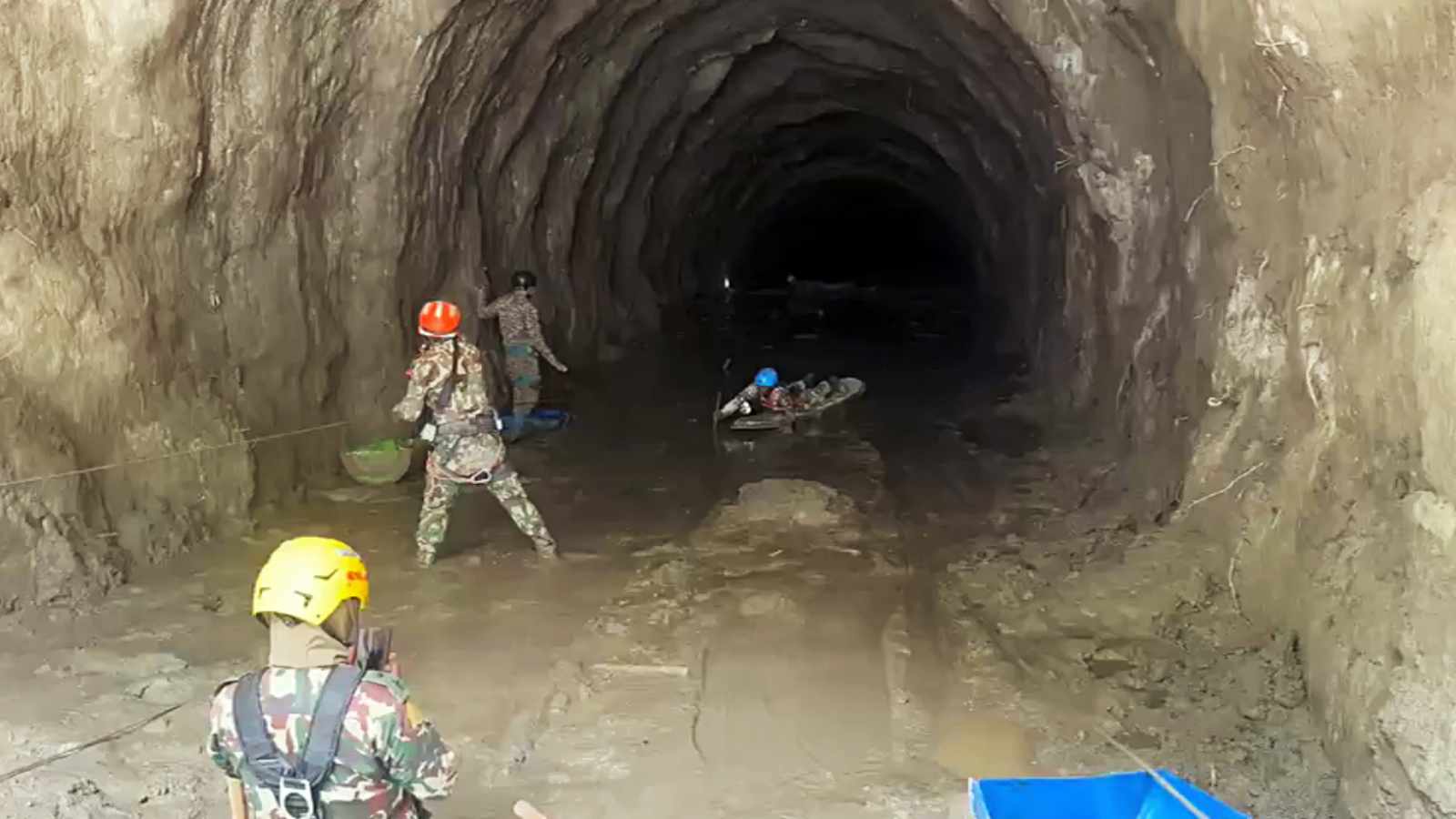
Himalayan Disaster Highlights Need for India-Nepal-China Climate Cooperation

Nepal Thanks India as Glacial Disaster Rescue Efforts Continue
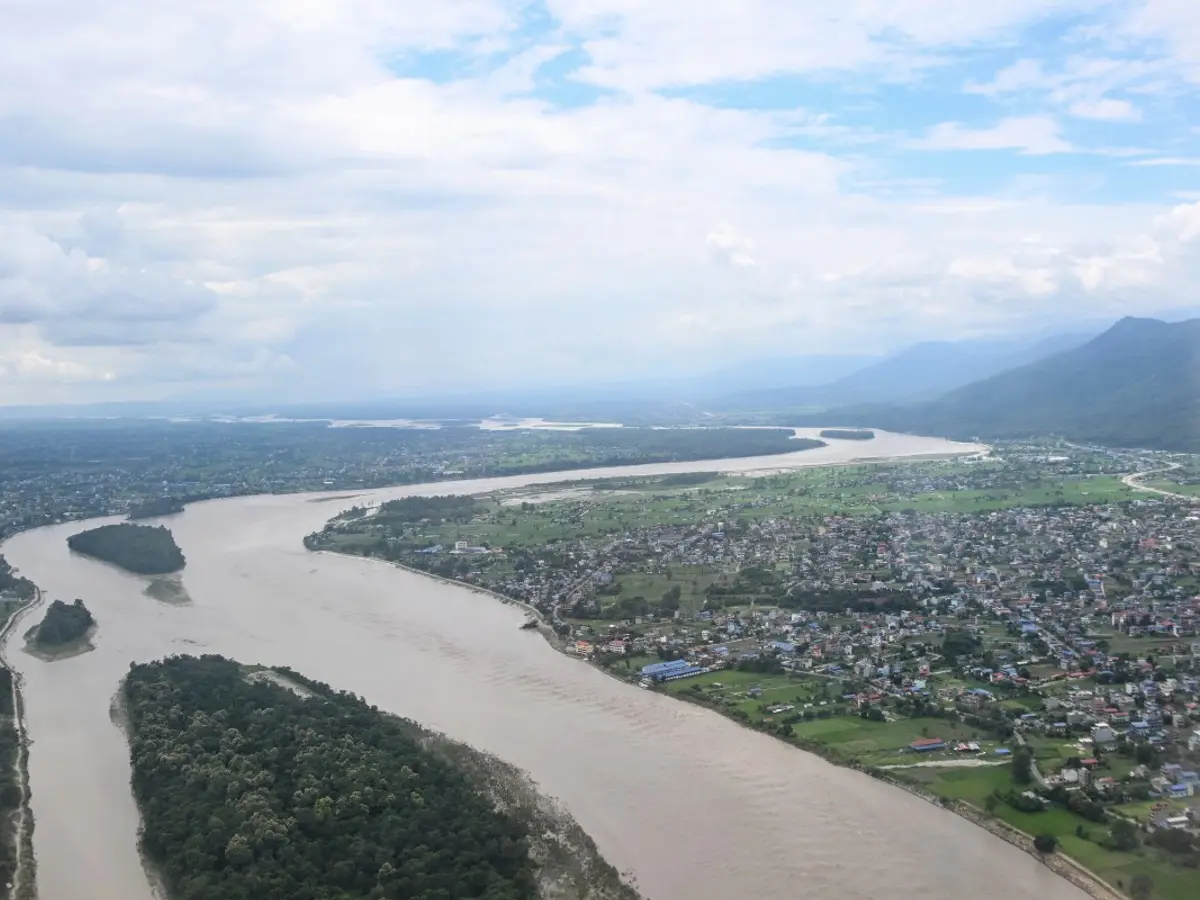
Nepal Warns of Heavy Rain After Deadly Floods
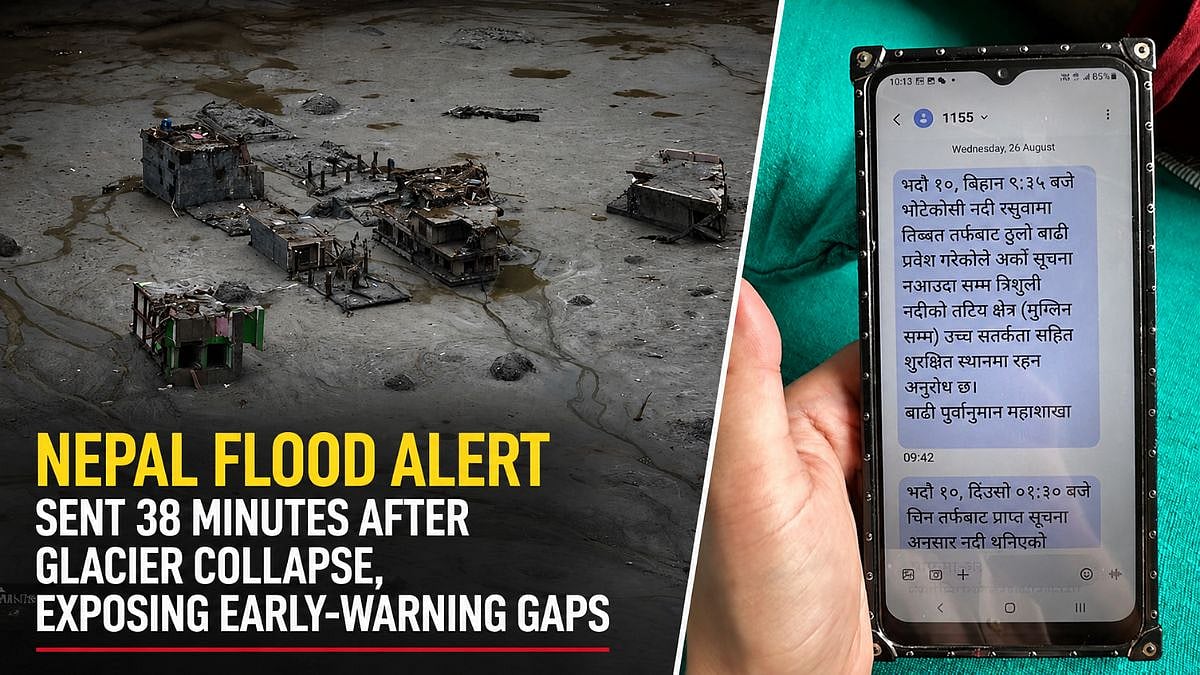
Nepal Flood Exposes Delayed Alerts and Cross-Border Warning Gaps

Bhotekoshi Flood Crisis: Nepal PM Shah Calls for Courage

Nepal PM Thanks India, China Amid Climate Compensation Demand