1 hr ago
Helicopter Journey Reveals Nepal's Valley of Flood Devastation
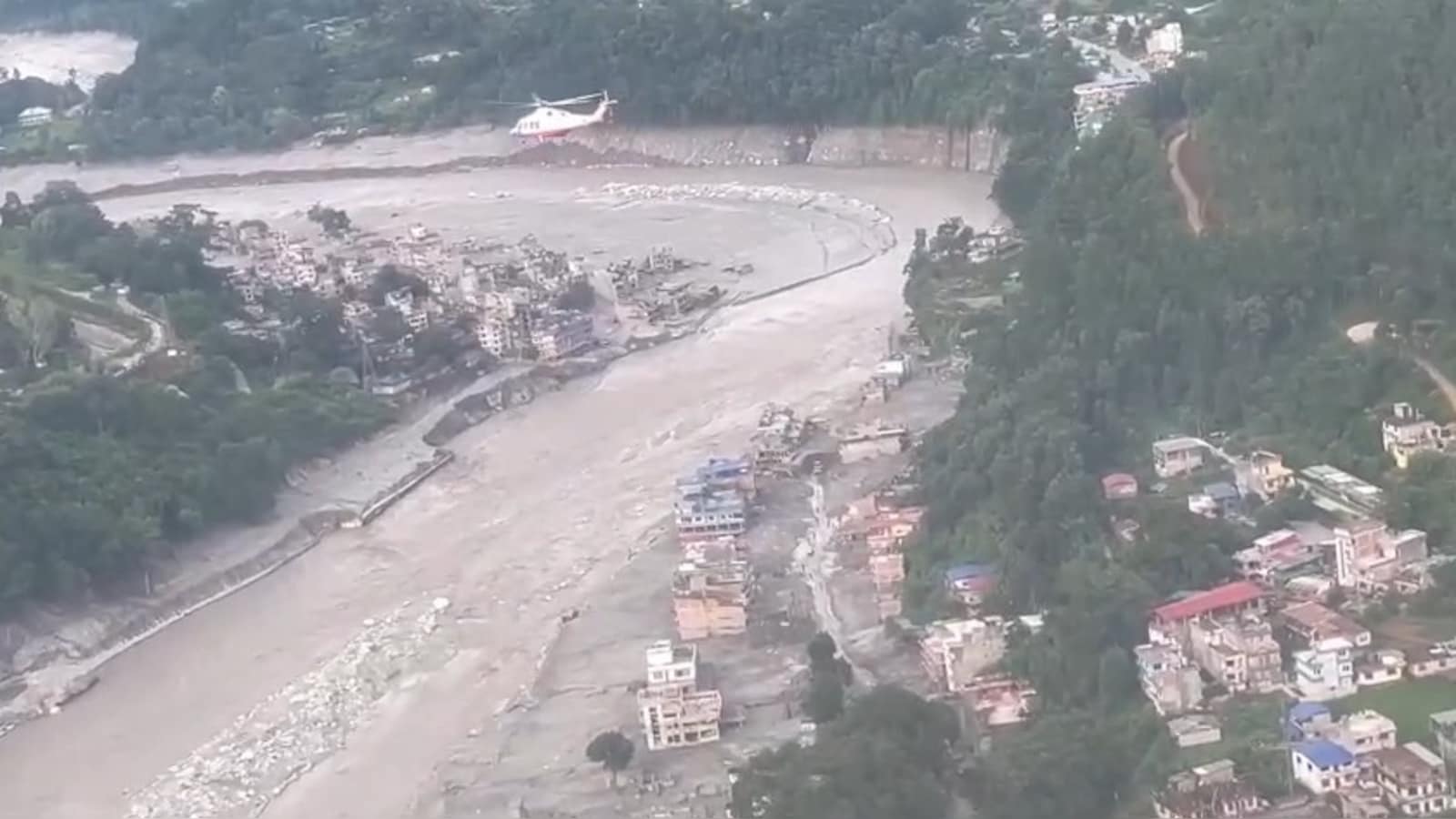
A journalist flew by helicopter over parts of Nepal damaged by powerful floods.
Many villages and roads had disappeared or were covered by mud and debris.
Rescue workers searched damaged tunnels for people using dogs and special thermal drones.
Doctors and engineers were also helping at the disaster sites.
Many helicopters were flying each day to support the rescue effort.
The pilots had to navigate heavy rain, strong winds, narrow valleys and other helicopters.
At Timure, much of the village had been swept away by rushing water.
The river and mountains made it difficult and dangerous for rescuers to work.
The flight showed how completely the floods had changed the valley.

A helicopter journey over northern Nepal showed villages, roads, buildings and tunnels destroyed by flooding.
Rescue teams used earth-moving machines, doctors, sniffer dogs and thermal drones near the Trishuli tunnels.
Around 20 helicopters were reportedly flying nearly 120 sorties daily in difficult Himalayan conditions.
The flight reached Timure near the Nepal-China border, where large parts of the village were washed away.
Heavy rain, flash-flood warnings, narrow valleys and severe winds made rescue flights especially dangerous.
- Who
- A journalist, colleagues, helicopter pilots and rescue teams, including Captain Rabindra Bahadur Basnet, were involved in the reported journey and operations.
- What
- A helicopter flight documented extensive flood destruction and ongoing rescue efforts in northern Nepal.
- Where
- The flight traveled from Kathmandu through Trishuli and along the Bhotekoshi River to Syaprhu and Timure near the Nepal-China border.
- When
- The helicopter departed shortly after midday; the article does not provide a calendar date.
- Why
- The journey was undertaken to document the devastation and observe rescue operations in areas made difficult to reach by road.
Key facts
- Departure
- The helicopter took off from Kathmandu airbase shortly after midday.
- Aircraft operator
- The French helicopter was operated by Kailash Helicopter Services.
- Pilot
- The article identifies Captain Rabindra Bahadur Basnet as the pilot; a caption also refers to Colonel Rabindra Basnet, retired, at the controls.
- Flight activity
- Around 20 helicopters were reportedly making nearly 120 sorties a day in the area.
- Rescue methods
- Teams used earth-moving machines, protective-gear-clad doctors, engineers, sniffer dogs and thermal drones.
- Most affected locations
- The report highlighted the Trishuli tunnels, Syaprhu and Timure near the Nepal-China border.
- Conditions
- Visibility narrowed from nearly 500 metres to about 200 metres, while rain, wind, rising rivers and flash-flood warnings continued.
Sources
Related news
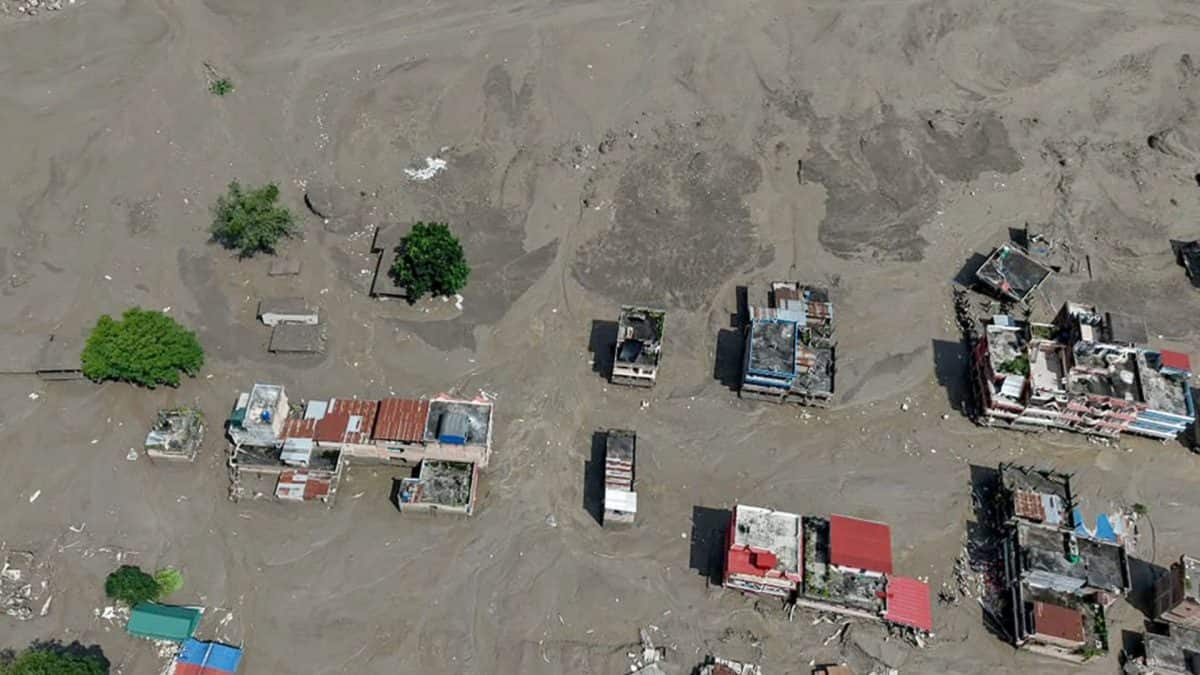
Nepal Deploys Private Helicopters as Flood Death Toll Reaches 270

Heavy Rain Suspends Nepal Trishuli Flood Rescue Operations
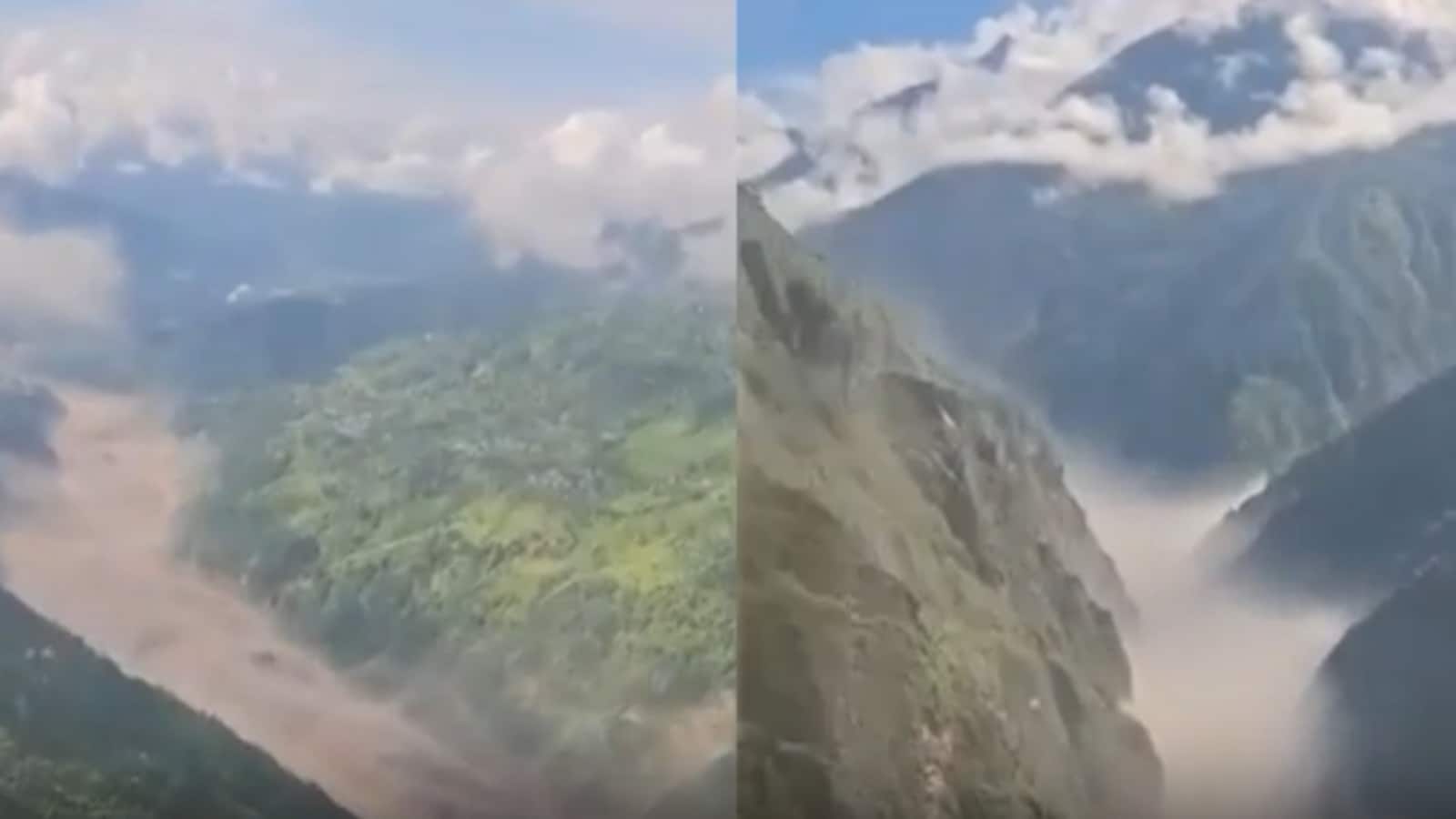
Nepal Flood Devastation Revealed in Exclusive Aerial Visuals
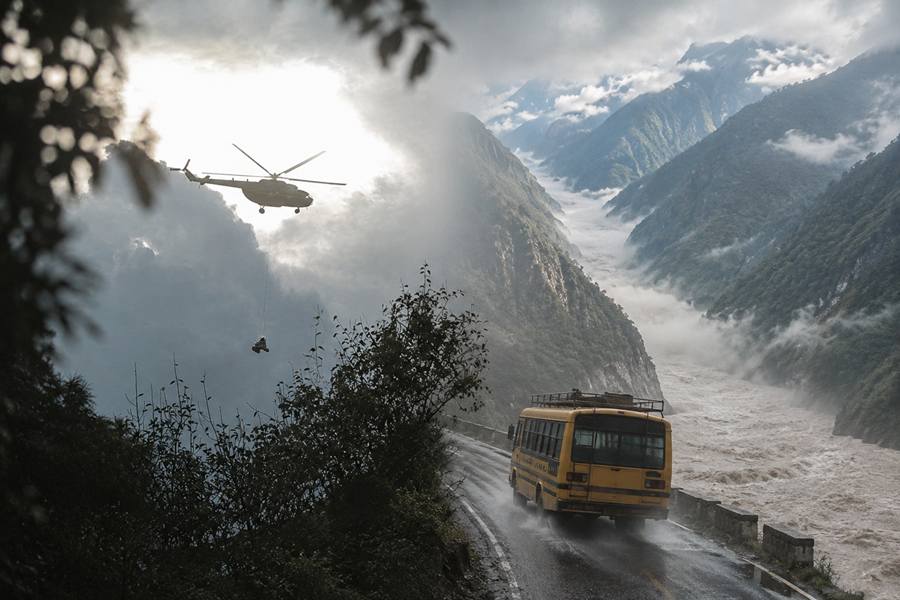
Nepal Flood Tragedy: Five Stories of Courage and Rescue
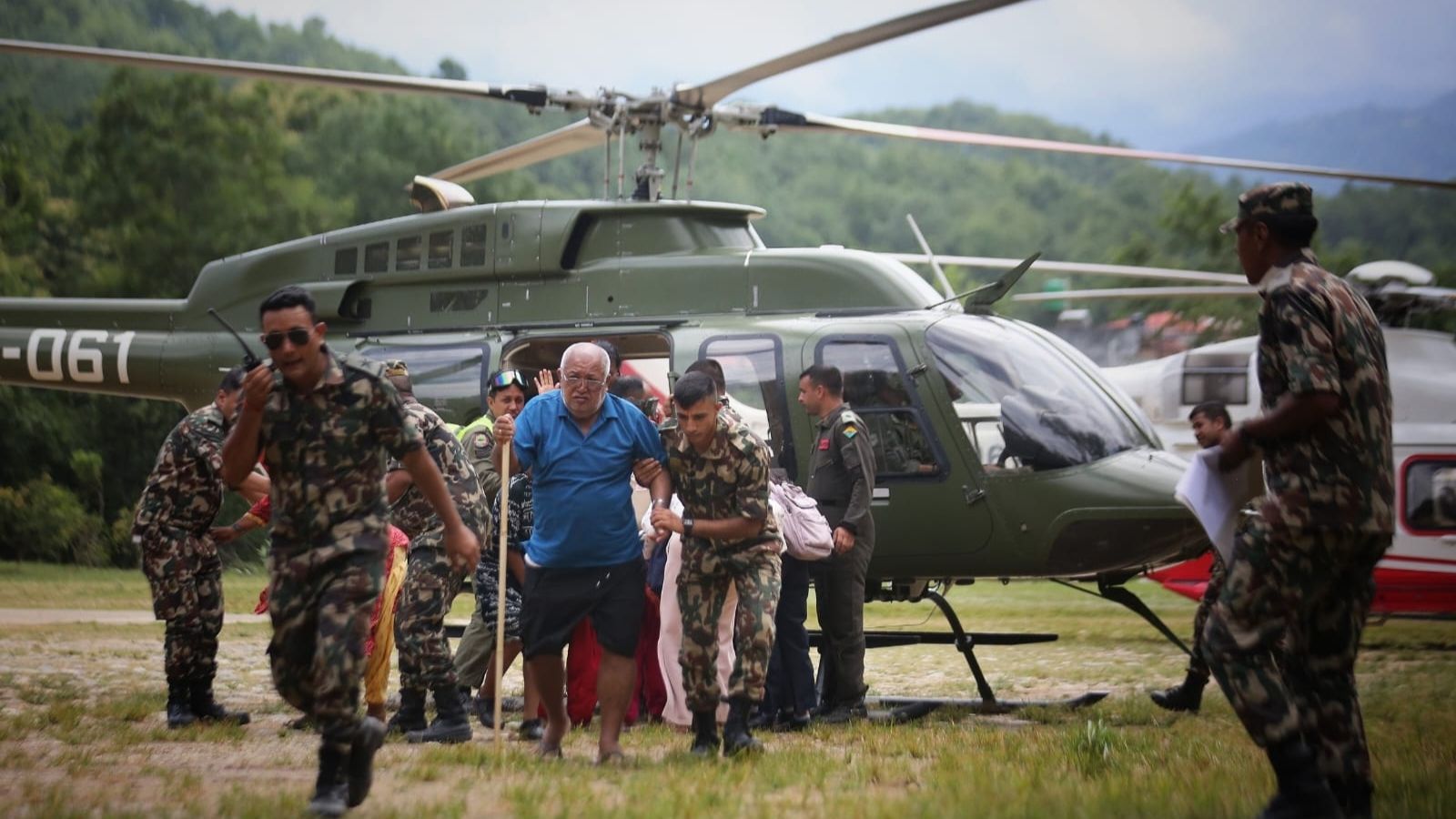
Nepal Flood Search Hub Brings Survivors, Loss and Uncertainty

Nepal Families Perform Last Rites as Flood Bodies Remain Unidentified
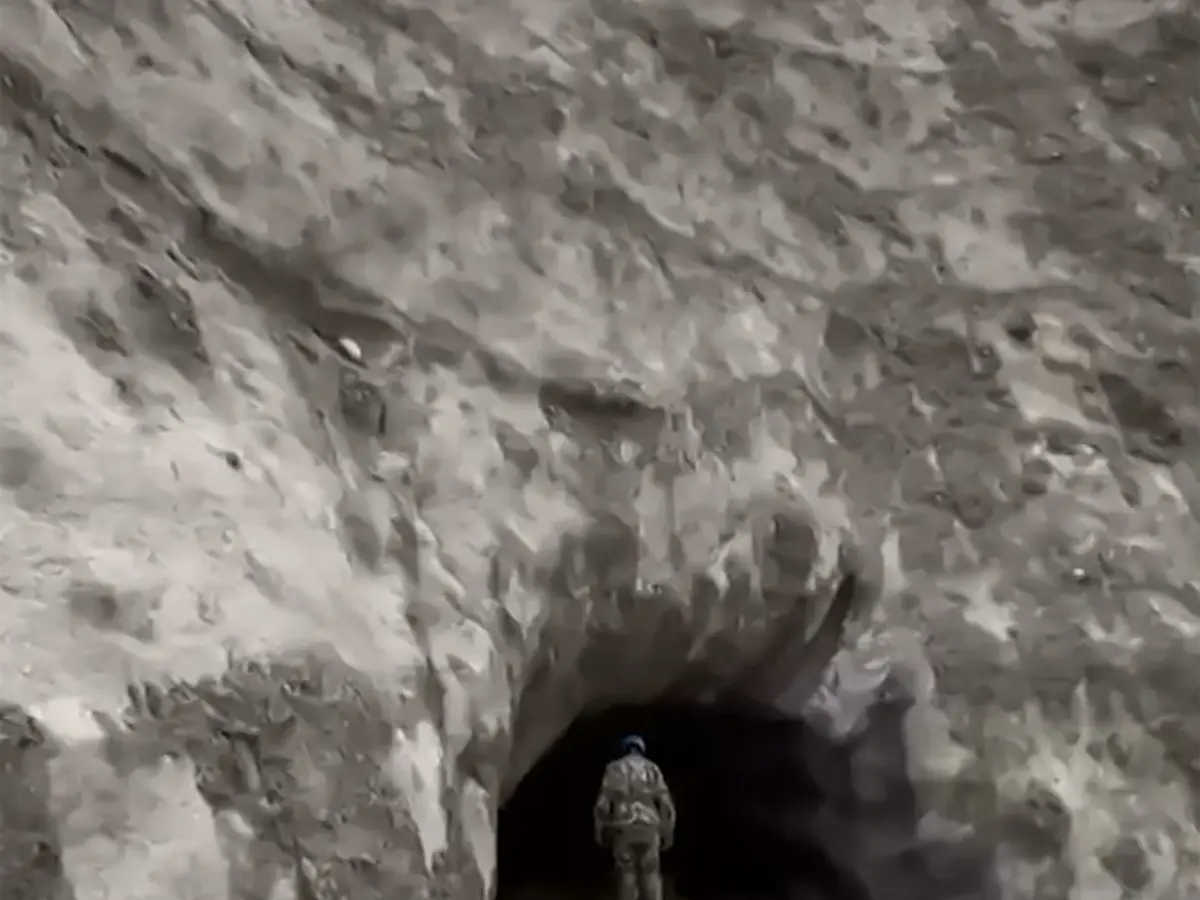
Nepal Tunnel Survivor Alleges Chinese Supervisor Abandoned Workers During Flood
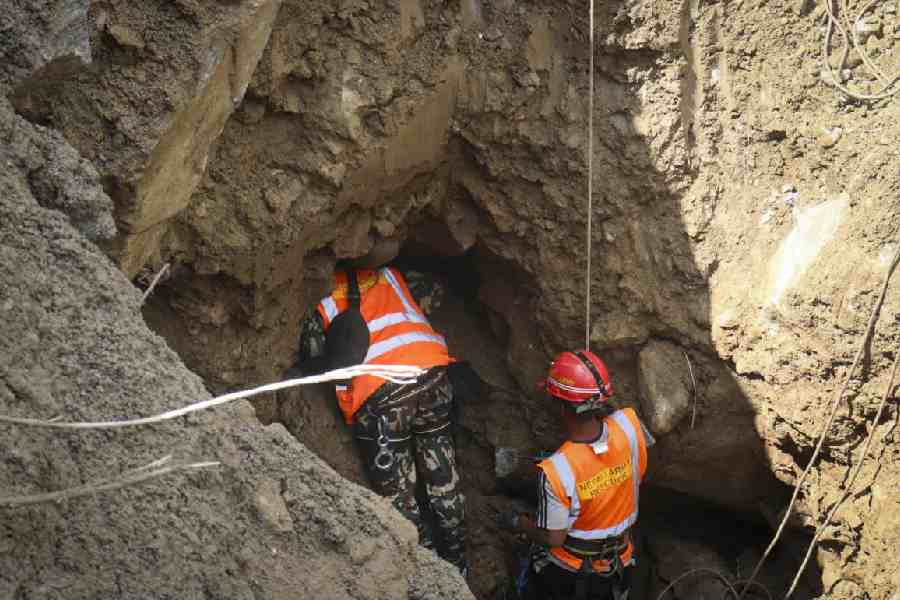
Hope Rises for Workers Trapped in Nepal Hydropower Tunnel

Bhotekoshi Flood Crisis: Nepal PM Shah Calls for Courage