7 hrs ago
Nepal Floods Expose Climate, Geological, and Planning Risks

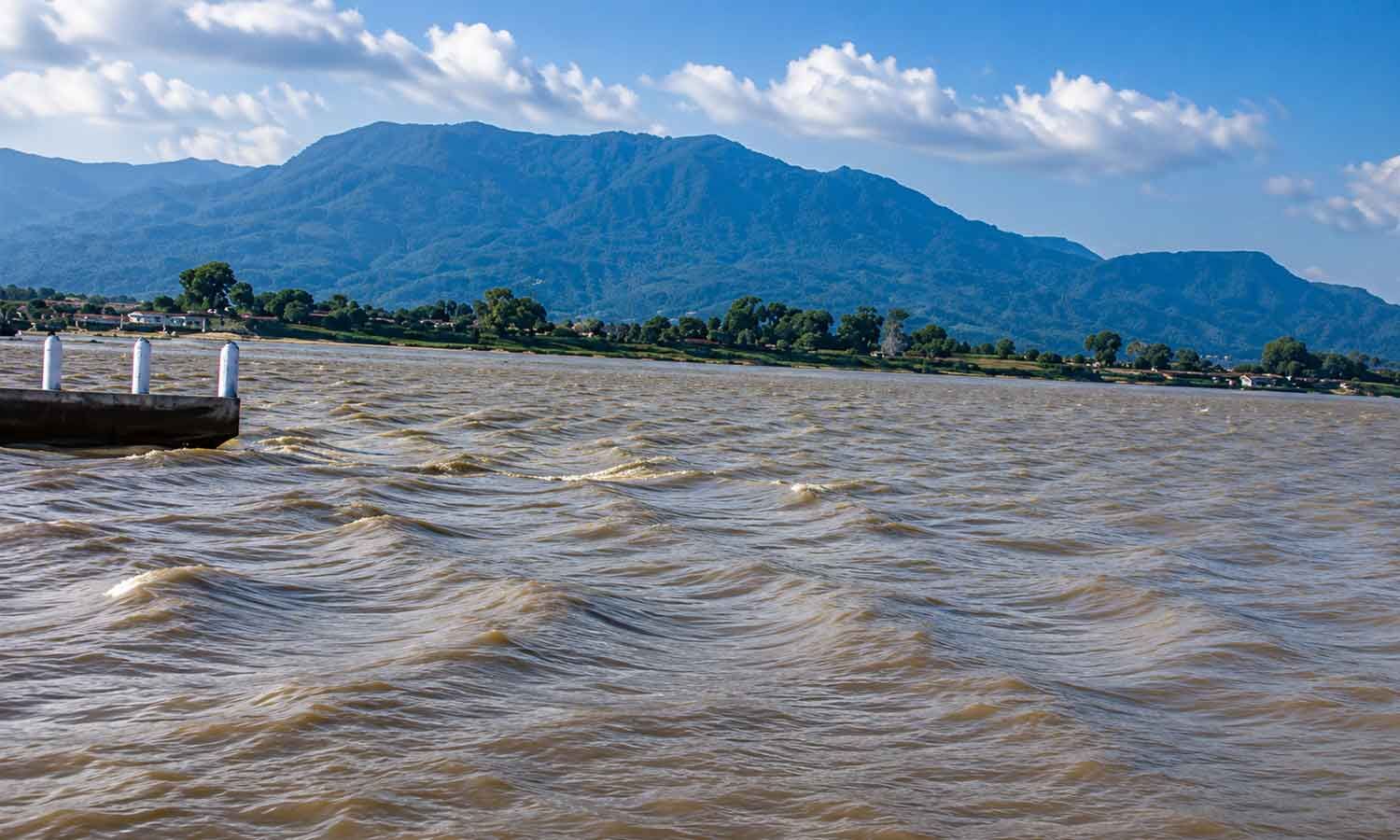
The article describes deadly floods in Nepal after water and mud rushed down mountain valleys.
It says a large glacier may have collapsed and briefly blocked a river.
When the blockage broke, a powerful wave of water, mud, and rocks moved downhill.
Very heavy rain, warmer air, melting ice, and fragile mountains may have made the disaster worse.
Roads and construction in areas where water naturally flows may also have increased the damage.
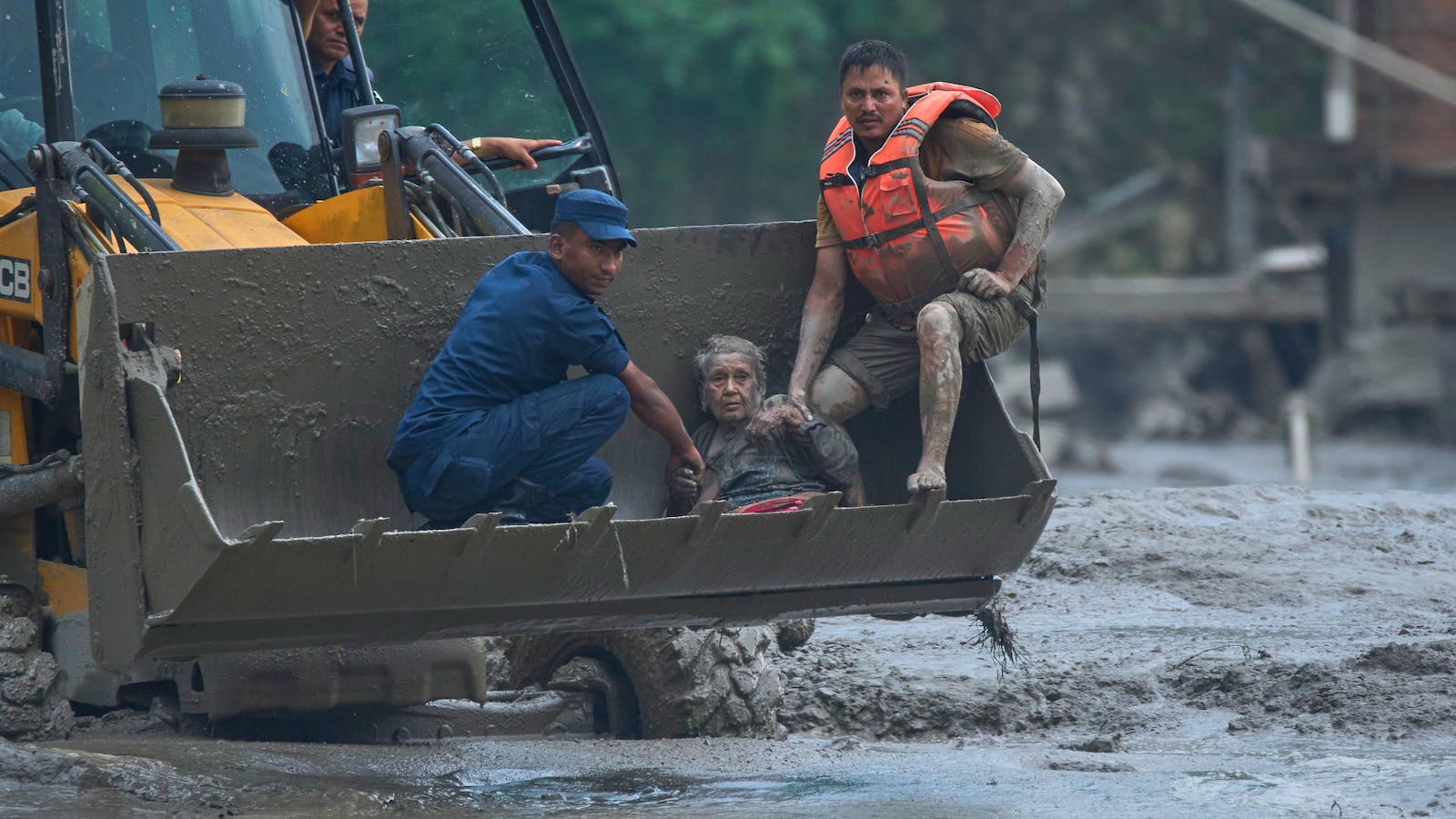
Rescue teams are searching for people, but bad weather makes remote places difficult to reach.
Scientists can forecast heavy rain but cannot reliably predict sudden landslides or similar events.
The article says sensors, warning alarms, and safer construction could help protect communities.

The article reports 650 deaths and more than 2,500 people missing after flash floods in central and north-central Nepal.
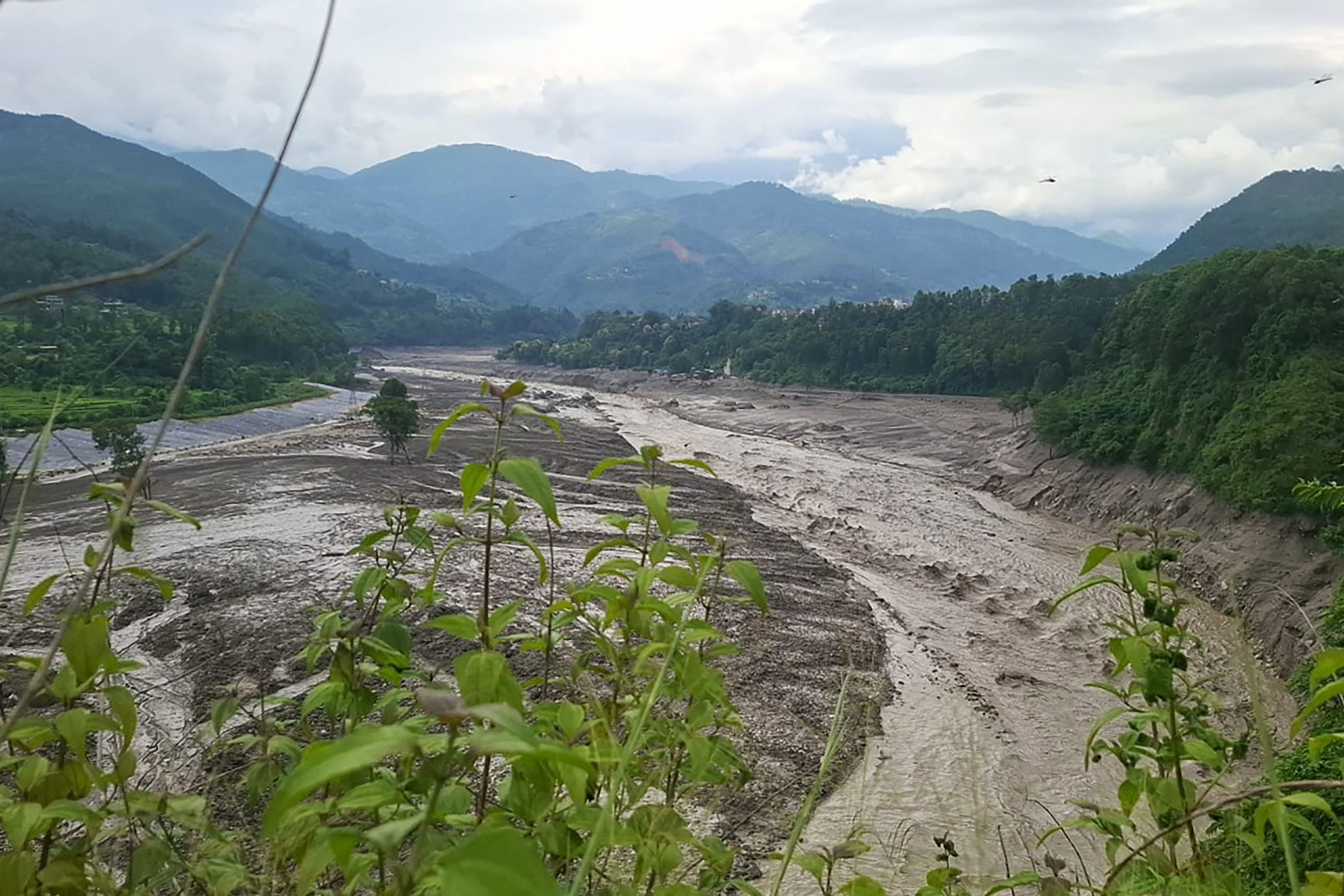
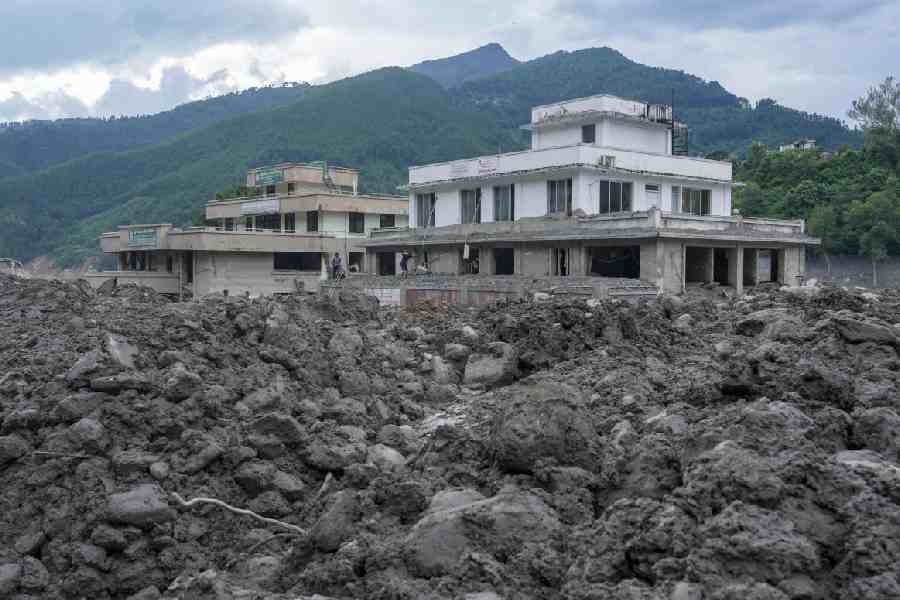
Floodwaters, mud, and boulders destroyed villages, markets, homes, highways, bridges, and riverside settlements near Kathmandu.
The disaster is attributed to a combination of glacier collapse, cloudbursts, unstable Himalayan terrain, melting ice dams, and extreme rainfall.
The article links rising temperatures and rapid urbanization, including a reported 386% expansion around Kathmandu, to increased flood risks.
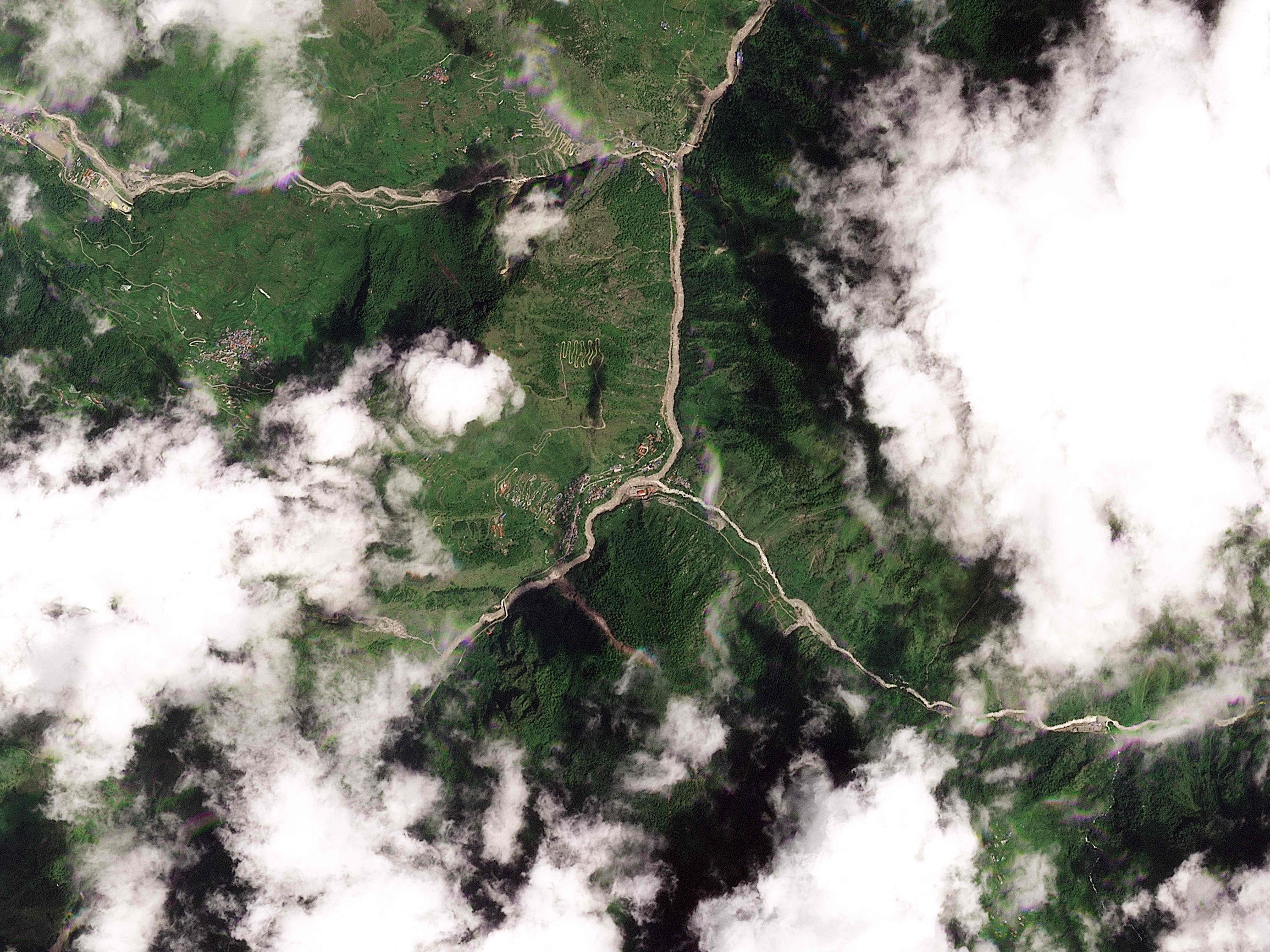
It recommends satellite mapping, floodplain restrictions, community warning systems, sensors, and faster sharing of real-time information.
- Who
- Residents, tourists, construction workers, and security forces in Nepal are affected or involved in the response.
- What
- Flash floods and associated mudflows and landslides caused widespread destruction and deaths.
- Where
- Bagmati Province and surrounding mountainous river basins in central and north-central Nepal, including areas near Kathmandu.
- When
- The floods struck at around 9 a.m. on a Wednesday; the article does not provide a calendar date.
- Why
- The article attributes the disaster to glacier collapse, intense rainfall, warming temperatures, fragile terrain, melting ice dams, and development in vulnerable areas.
Key facts
- Reported deaths
- 650 people
- Reported missing
- More than 2,500 people, including about 300 Indians
- Reported triggering tremor
- Equivalent to a 5.2-magnitude earthquake, according to scientists cited by the article
- Atmospheric moisture
- The article says air can hold 7% more water vapor for every 1°C increase in temperature
- Urbanization around Kathmandu
- Reportedly increased by about 386% over the past three decades
- Rescue response
- Nepal’s security forces are conducting rescue operations, although remote access is hindered by weather and communications problems
- Proposed safeguards
- Satellite-based hazard mapping, floodplain restrictions, low-cost sensors, community warnings, and real-time data sharing
Sources
Related news

Nepal Flash Floods Expose Glacier Risks Amid Climate Concerns
Nepal Flood Highlights Rising Glacier Risks in Warming Himalayas
Glacier Collapse May Have Triggered Deadly Nepal Flood
Melting Glaciers Push Nepal Toward Its Adaptation Threshold
Why Nepal Remains Vulnerable to Glacial Floods and Earthquakes

Nepal Glacier Collapse Exposes Rising Himalayan Flash-Flood Risks

Bihar Warns Against Unknown Fish Carried By Nepal Floodwaters
Gandak, Kosi River Levels Rise as Bihar Officials Monitor

India Contains Nepal Flash-Flood Surge as Ganga Erosion Threatens
Bihar Flood Fears Rise as Nepal Rains Swell Major Rivers