6 days ago
Bhote Koshi Flood Exposes Growing Himalayan Climate Risks
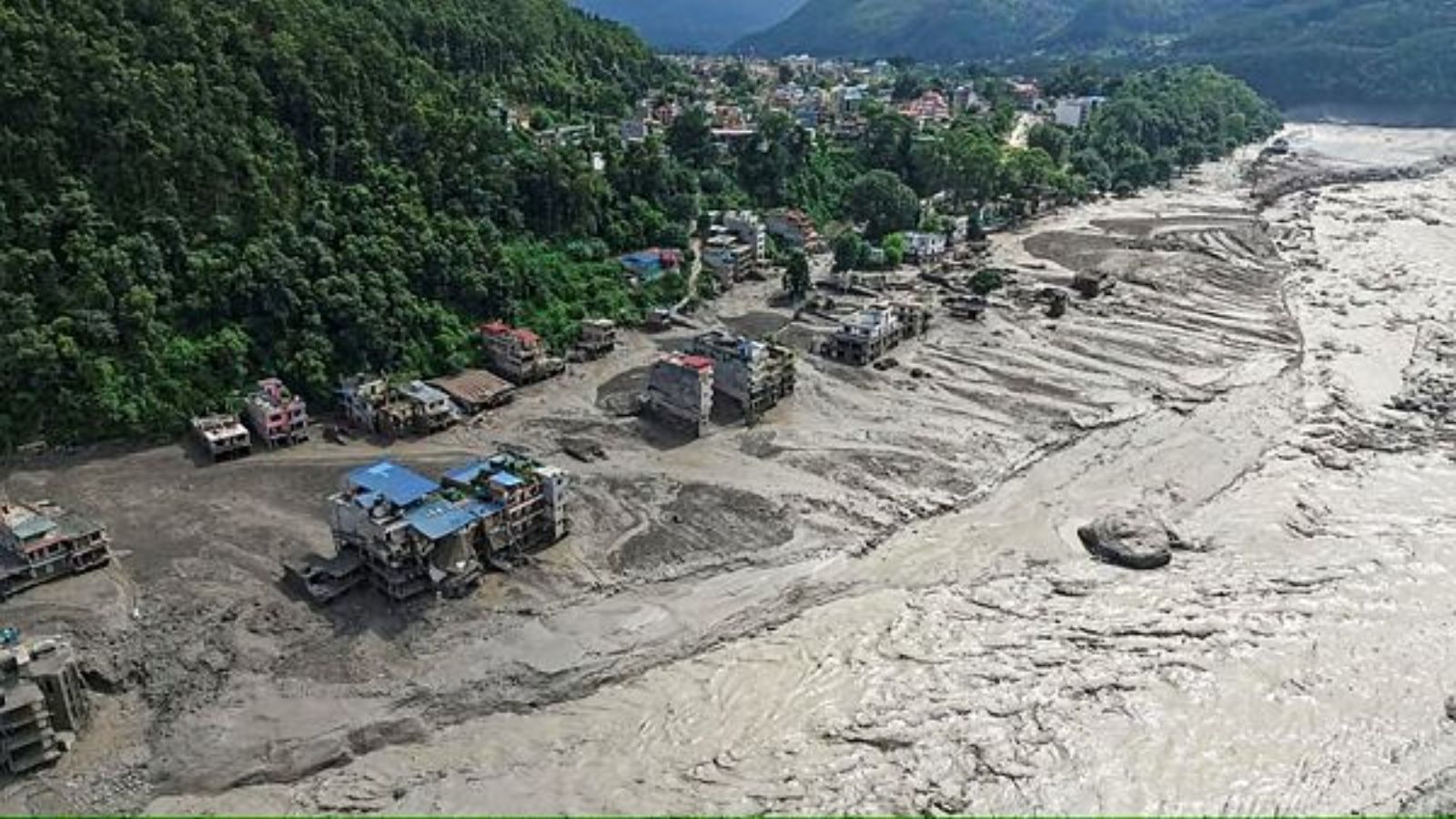
A huge amount of water suddenly rushed down Nepal’s Bhote Koshi valley.
At least 110 people died, and many others were hurt or could not be found.
Nearly 400 travelers were also reported missing.
The water may have started when falling rock and ice blocked a river and then the blockage broke.
Melting glaciers and changing rainfall can make these dangers more likely.
Scientists call floods caused by ice, snow and meltwater cryo-hydrological hazards.
They say warmer temperatures are helping glaciers thin and lakes grow.
Better monitoring, warnings and emergency planning could help protect people in the future.

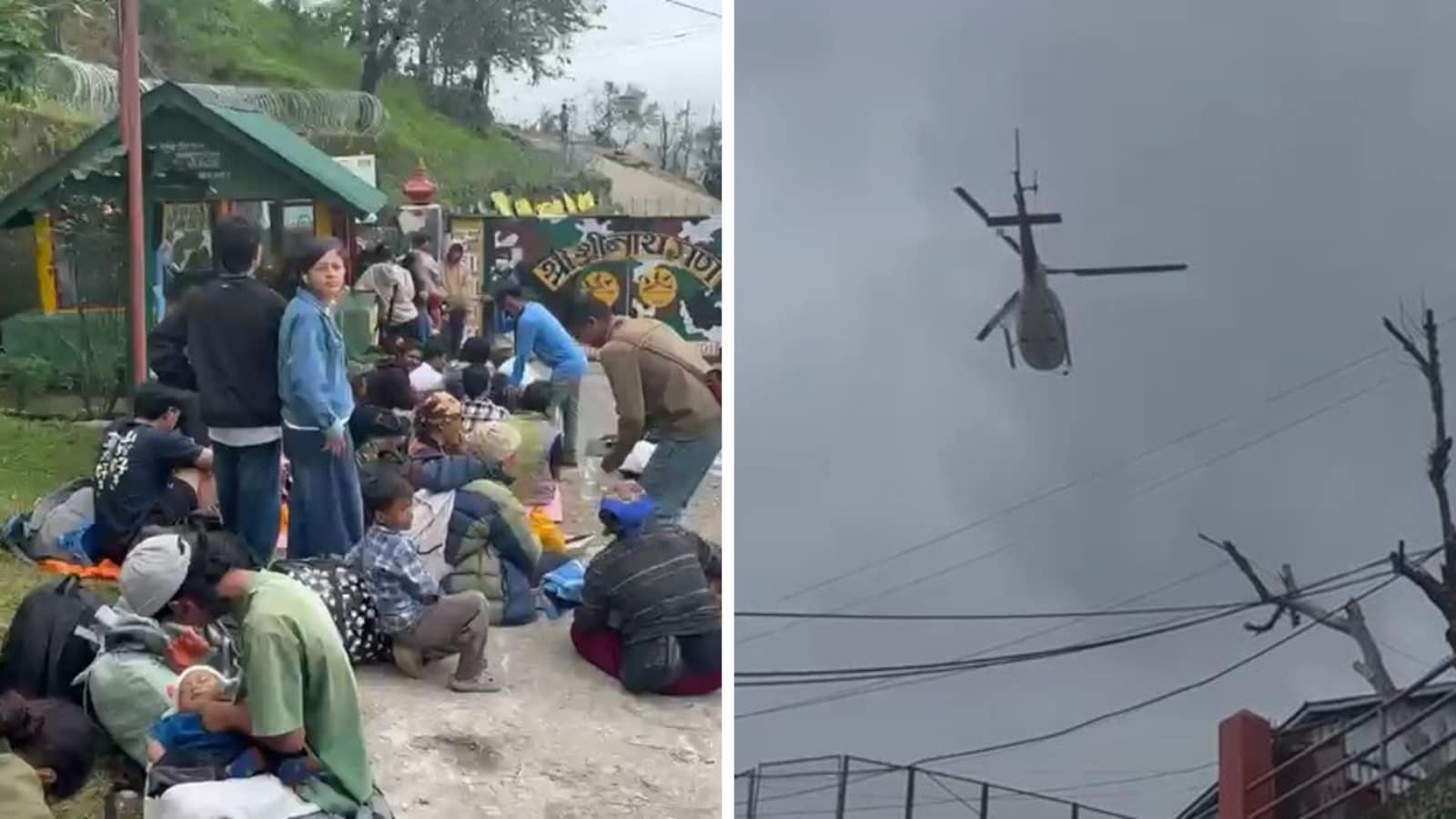
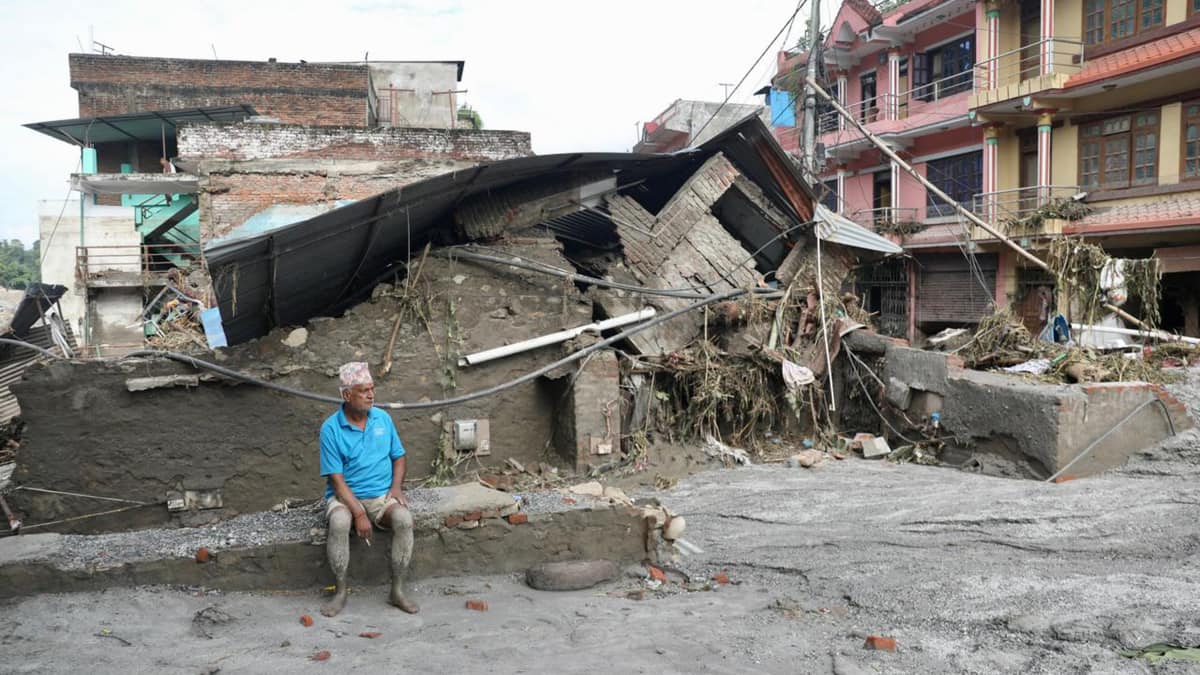
A flood swept through Nepal’s Bhote Koshi valley on Wednesday, killing at least 110 people and leaving hundreds injured or missing.
Nearly 400 travelers, many Indian pilgrims, were also reported missing after flooding destroyed homes, roads, bridges and hydropower projects.
Early assessments suggest a rock-ice avalanche blocked the Lhende/Bhote Koshi River before a temporary dam burst downstream.
Scientists describe the event as a possible cryo-hydrological hazard linked to destabilized ice, snow, meltwater and heavy monsoon rainfall.
Experts recommend glacier and river monitoring, community alerts, risk-sensitive infrastructure planning and regional cooperation on evacuation and data sharing.
- Who
- At least 110 people died; hundreds were injured or missing, and nearly 400 travelers, many of them Indian pilgrims, were reported missing.
- What
- A catastrophic flood surge swept through the Bhote Koshi valley, destroying homes, transport links, bridges and at least a dozen hydropower projects.
- Where
- The Bhote Koshi valley in Nepal, especially Syapru Besi and Timure; floodwaters surged from the Tibet side.
- When
- Wednesday morning, during the South Asian monsoon.
- Why
- Early assessments point to a rock-ice avalanche blocking the Lhende/Bhote Koshi River, followed by the failure of a temporary dam. Warming, glacier instability and extreme rainfall may have increased the risk.
Key facts
- Deaths
- At least 110 people
- Missing travelers
- Nearly 400, many of them Indian pilgrims
- Worst-hit villages
- Syapru Besi and Timure
- Suspected trigger
- A rock-ice avalanche that blocked the Lhende/Bhote Koshi River
- Infrastructure damage
- Homes, roads, bridges and at least a dozen hydropower projects were destroyed
- Recommended measures
- Real-time monitoring, community alerts, risk-sensitive planning and regional flood-response cooperation
- Glacial-lake change
- A study cited in the article recorded an increase from 1,926 to 2,631 glacial lakes in the Nepal Himalaya between 2005 and 2024
Sources
Related news

Nepal Flash Floods Expose Glacier Risks Amid Climate Concerns
Nepal Flood Highlights Rising Glacier Risks in Warming Himalayas

Himalayan Glacier Loss Raised Nepal Flood Disaster Risks
Melting Glaciers Push Nepal Toward Its Adaptation Threshold

Nepal Floods Spur Calls for Glacier Assessments and Land-Use Reform
Nepal Flood Exposes Himalayan Cascading Hazard Risks

Nepal Thanks India as Glacial Disaster Rescue Efforts Continue
Nepal Warns of Heavy Rain After Deadly Floods
Nepal Flood Exposes Delayed Alerts and Cross-Border Warning Gaps

Bhotekoshi Flood Crisis: Nepal PM Shah Calls for Courage

Nepal PM Thanks India, China Amid Climate Compensation Demand